The knot hairstyle has crossed nearly every boundary of age, hair type, and occasion, from ballerinas and samurai warriors to Vogue models and busy pa
The knot hairstyle has crossed nearly every boundary of age, hair type, and occasion, from ballerinas and samurai warriors to Vogue models and busy parents dashing out the door. That adaptability keeps it one of the most requested looks in salons. This guide goes beyond the basic wrap-and-pin, showing how to match a top knot to your face shape, hair density, and the moment.
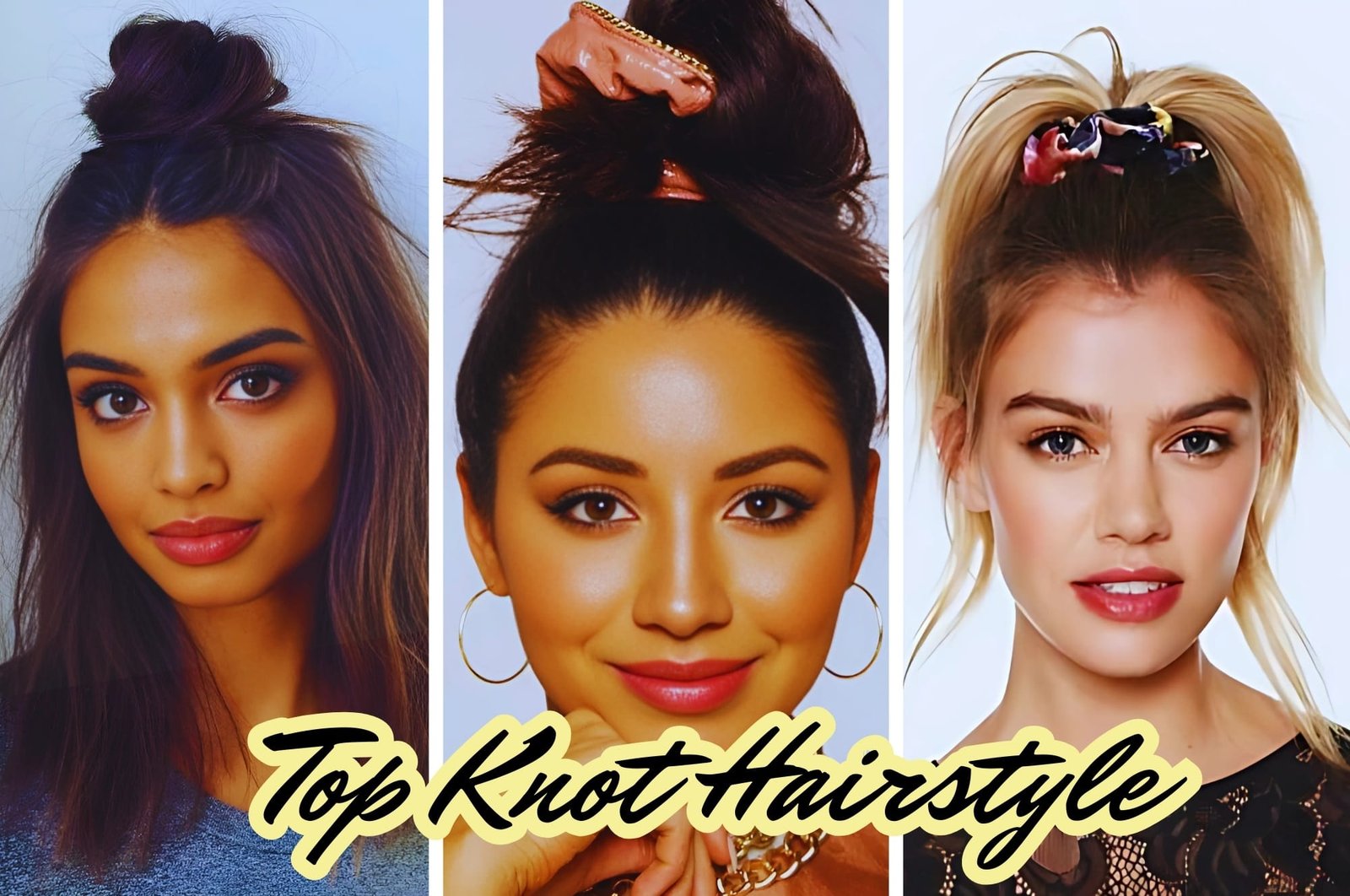
Few hairstyles have managed to cross the boundaries of age, hair type, occasion, and fashion era quite like the top knot. It sits confidently on ballerinas, samurai warriors in historical paintings, Vogue cover models, Sunday morning yoga devotees, and busy mothers racing out the door with wet hair and a toddler on one hip. That adaptability is exactly why the top knot hairstyle remains one of the most requested looks in salons and one of the most searched tutorials on beauty blogs. It can be sculpted and glossy enough for a gala, or tousled and imperfect enough to pair with a sweatshirt and coffee run. When executed thoughtfully, it frames the face, elongates the neck, and shows off earrings, collarbones, and facial structure in a way few other styles can.
This in-depth guide is designed to take you beyond the basic wrap-and-pin technique. You will learn how to choose the right top knot for your face shape, hair density, and outfit; which tools actually deliver a long-wearing result; how to adapt the style for curly, coily, fine, thick, short, or layered hair; and how to protect your strands from tension damage that many top knot wearers overlook. Whether you are a beginner who has never successfully pinned a bun, or a seasoned stylist looking to refine your technique, the strategies here will help you build a top knot that feels polished, intentional, and uniquely yours.
Understanding the Top Knot: History, Anatomy, and Why It Works
The top knot is not a modern invention. Variations of the style appear in cultures across the world and across centuries. In ancient China, scholars and nobility wore intricate knots atop the head as signs of adulthood and status. In Japan, the chonmage worn by samurai was a rigorous form of top knot with cultural and practical significance. In India, the shikha and jata traditions hold deep spiritual meaning in certain communities. Across West Africa, elaborate sculpted hair towers inspired generations of hairstyling artistry. The modern beauty industry has borrowed, reinterpreted, and sometimes commercialized these traditions, which is why giving credit to the origins of the style matters when we talk about contemporary versions.
Anatomically, a top knot is created when hair is gathered on the crown or slightly forward of the crown and then coiled, twisted, or looped onto itself to form a secured shape. The position, tightness, volume, and finish determine whether the look reads as editorial, athletic, romantic, or corporate. What makes the top knot so flattering on a wide variety of faces is its ability to draw the eye upward, adding perceived height and lengthening the face vertically. For round faces, a tall, slightly forward-placed knot creates elongation. For long faces, a looser, wider knot sitting further back softens proportions. For heart-shaped faces, a mid-height knot with face-framing tendrils balances a wider forehead with a narrower chin.
Reviewed by the BeautynFacts editorial team. Last updated: May 2026.
Why Dermatologists and Trichologists Often Recommend Updos
Trichologists, who specialize in hair and scalp health, frequently point out that keeping hair off the neck and shoulders reduces mechanical friction, a hidden cause of split ends and mid-shaft breakage. Dr. Francesca Fusco, a board-certified dermatologist who has spoken publicly about scalp health, has noted that styles that gather the hair away from the face can reduce the transfer of sweat and sebum from the hairline to the cheeks, which is particularly helpful for anyone dealing with pomade acne or perimenstrual breakouts along the jaw. The top knot, done correctly, can therefore double as a functional skincare choice, not merely a style one.
The Science of Hair Under Tension: Avoiding Traction Alopecia
Before diving into techniques, it is essential to understand what happens to the hair follicle when you pull a top knot tight day after day. Traction alopecia is a form of hair loss caused by prolonged pulling on the hair shaft. It typically appears first at the hairline, temples, and nape, and in its early stages it is completely reversible. Left unaddressed, it can lead to permanent follicular miniaturization, meaning the follicle shrinks and stops producing pigmented terminal hair.
The American Academy of Dermatology has published extensively on traction alopecia, noting that it is particularly common among individuals who regularly wear tight ponytails, buns, braids, weaves, or extensions. Warning signs include tenderness at the roots while the style is in, tiny bumps along the hairline, short broken hairs framing the face, and a gradually receding frontline. The good news is that a top knot, done with intention, does not need to cause damage. The key is to vary the placement daily, avoid elastic that bites into the strands, and release the hair before tension becomes painful.
Signs Your Top Knot Is Too Tight
You should never feel a pulsing or stinging sensation at your temples when wearing a top knot. Headaches that appear within an hour of styling are a clear signal that the tension is excessive. If you notice tiny white bulbs at the ends of hairs that fall out during the day, those are hairs that have been pulled from their follicles prematurely rather than shed naturally. Redness along the parting line or a visible widening of the part over weeks of wearing the same style are additional indicators that the tension is compounding and needs to be eased.
Building the Ideal Tool Kit for Long-Lasting Top Knots
Having the right tools is the difference between a bun that collapses by lunchtime and one that looks photo-ready all day. Most people try to create a top knot with whatever generic elastic they can find in a drawer, which is one reason so many attempts end in frustration. A professional-caliber kit does not need to be expensive, but each piece serves a specific purpose.
A high-quality paddle brush with nylon and boar bristle blend helps distribute scalp oils down the length of the hair while smoothing the surface into a uniform sheet. A fine-tooth rat-tail comb is invaluable for clean parts and for gently smoothing bumps at the hairline once the ponytail is secured. Seamless hair ties, often marketed as thick ribbon elastics or spiral coil ties, prevent the dents and breakage caused by the metal clasps on drugstore elastics. Bobby pins should be chosen in the color closest to your hair, and they last significantly longer when opened with the wavy side down rather than up, which is the correct orientation for gripping strands.
A flexible-hold hairspray lets you mist without the crunch of older formulations, while a pomade or edge control cream is essential for taming flyaways on finer textures. For curly and coily hair, a smoothing gel with a medium hold keeps the shape while allowing natural texture to show through. A hair donut or foam insert is a secret weapon for fine or shoulder-length hair, creating a fuller silhouette without requiring extensions. Finally, a soft stretch headband can act as a temporary smoothing tool while you set the shape with product.
Choosing the Right Elastic for Your Hair Density
Not all elastics are created equal. Fine or thin hair slips out of thick ribbon elastics and does better with a smaller seamless tie wrapped three or four times. Medium density hair pairs well with standard seamless elastics wrapped twice. Thick, coarse, or coily hair benefits from larger, stretchier fabric ties or even silk scrunchies with a hidden elastic core for extra grip. Testing several options over the course of a week will quickly reveal which your hair type responds to best.
Preparing the Hair: The Foundation of Every Great Top Knot
Professional stylists agree that a top knot built on freshly washed, perfectly slick hair is rarely the best choice. Hair that has been washed the day before, or that has been lightly textured with dry shampoo, holds shape significantly better. The natural oils that accumulate over twenty-four hours give the strands more grip against themselves and against the elastic. If you are working with squeaky clean hair, a light mist of texturizing spray or a small amount of dry shampoo at the roots will simulate that day-two texture.
Detangling should always happen before product application, and always from the ends upward rather than from the roots down. Starting at the roots creates a concentrated tangle halfway down the shaft that can become impossible to work out without breakage. Once the hair is detangled, a lightweight smoothing serum applied from mid-length to ends will reduce frizz without weighing down the crown, which is where you need lift and volume.
Heat Prep and Protection
If you plan to blow dry the hair straight first for a sleek top knot, a heat protectant is non-negotiable. Look for formulations that contain silicones like cyclomethicone for slip, hydrolyzed proteins for structural support, and humectants like panthenol to prevent the steam-off effect that leaves hair dehydrated after blow drying. Direct the nozzle downward along the hair shaft rather than across it, since drying in the direction of the cuticle creates the shiny, reflective surface that photographs beautifully in a finished knot.
The Classic Sleek Top Knot: Step-by-Step Mastery
The sleek top knot is the most demanding version of the style because every bump, flyaway, and uneven section is visible. This is the bun you wear to a wedding, a job interview, or an event where you want the hair to look deliberate and architectural. Executing it well requires patience and a willingness to restart if the first attempt is not clean.
Begin by tipping the head slightly forward. Using a brush and your palms, gather the hair up toward the highest point of the crown, which is typically the area you would touch if you placed your hand flat on the top of your head. Smooth the hair against the scalp as you go, using the bristles to catch any strands that try to drift toward the nape. Once the ponytail is in your hand, tip your head back up and continue smoothing the surface before securing.
Wrap the elastic tightly enough that the ponytail is held firmly, but not so tightly that you feel pressure at the temples. Twist the ponytail into a rope, then coil the rope around the base of the elastic in a continuous spiral. The direction of the twist and the direction of the coil should be the same, which prevents the bun from unraveling. Secure the tail end underneath with a bobby pin inserted horizontally, then add three to four additional pins around the perimeter to lock the shape in place. Finish with a light mist of hairspray applied from twelve inches away, and use a toothbrush or a dedicated flyaway brush with a drop of pomade to smooth baby hairs along the hairline.
The Messy Top Knot: Effortless but Engineered
The messy top knot is the style most women wear day to day, and it is deceptively difficult to get right. A bun that is truly messy looks like you gave up halfway through, while a stylized messy bun looks like you casually reached up and created something beautiful without trying. The difference lies in intentional imperfection.
Start with texture. Spray a dry texture product throughout the mid-lengths and ends, then scrunch with your fingers to create separation. Flip your head upside down and gather the hair loosely into a high ponytail, allowing a few face-framing pieces to escape naturally near the temples and behind the ears. Rather than twisting the ponytail into a smooth rope, gently tease the ponytail itself with a fine-tooth comb to create volume, then loosely wrap it into a bun shape, pinching and pulling small sections outward as you pin.
The signature move of a stylized messy bun is the pancake, which means gently tugging the outer loops of the bun to flatten and widen the silhouette. This creates the oversized, lived-in shape that reads as modern and cool. Finish with a flexible hairspray rather than a firm hold, since the goal is movement, not lockdown.
Face-Framing Pieces: The Detail That Makes It Look Professional
Salon stylists pull two or three specific face-framing pieces rather than letting random strands fall. Typically one piece at each temple and occasionally a curtain bang section in the center. Curl these pieces loosely with a one-inch iron, or twist them with your fingers after applying a drop of lightweight oil. Well-placed tendrils soften the face and elevate a casual bun into something that looks considered.
Top Knot Variations for Every Hair Type
A single technique cannot serve every head of hair. Your texture, density, porosity, and length dramatically change how you should approach the style. Understanding your own hair is the fastest route to a top knot that actually works for you.
Fine and Thin Hair
The biggest challenge with fine hair is creating the illusion of density. Start by applying a root-lifting mousse to damp hair and blow drying with a round brush to build volume at the crown. Before gathering the hair, backcomb the crown section lightly to add body. A hair donut or foam insert placed at the base of the ponytail gives the bun structure without requiring length or thickness you do not have. Wrap the hair over the donut, tuck the ends underneath, and secure with pins. Fine hair holds better when it has been lightly textured with dry shampoo, which adds grip and prevents the strands from sliding loose throughout the day.
Thick and Coarse Hair
Thick hair presents the opposite challenge: containing the volume. Use a stronger elastic, or double up with two elastics for extra hold. Divide the ponytail into two sections, twist each section in opposite directions, then coil them around the base for a braided effect that sits flatter and more evenly. Extra pins are essential, often six to eight positioned around the perimeter. A few drops of a smoothing oil applied before gathering will help tame the surface, and a strong-hold hairspray locks the shape without requiring constant readjustment.
Curly and Coily Hair
Curly and coily textures should rarely be forced into a sleek, flattened top knot because the manipulation required to achieve that look causes unnecessary breakage. Instead, lean into the natural texture with a voluminous curly top knot. Apply a leave-in conditioner and a curl-defining gel to damp hair, then gather the hair loosely at the crown, being careful not to pull against the curl pattern. Use a satin or silk scrunchie rather than a standard elastic, and allow the curls to bloom upward from the base. For looser curls, pineappling the hair at night in a loose top knot on a silk pillowcase actually preserves curl definition rather than damaging it, which is a trick that many natural hair educators have taught for decades.
Short and Bobbed Hair
A top knot is absolutely possible on shorter hair, though the execution looks different. If your hair reaches at least to your chin, you can create a half-up top knot that combines the sculptural crown detail with the softness of hair down around the shoulders. For bobs that are just long enough to gather at the top, use multiple small clear elastics to section the ponytail into smaller coils that can each be pinned into place. Bobby pins become essential rather than optional, and a strong pomade or edge control keeps shorter pieces in line along the hairline.
Layered and Angled Cuts
Layers can be tricky because shorter pieces at the crown want to fall out of a high ponytail. The solution is to brush the layers upward into the ponytail before securing, then use several small bobby pins placed strategically along the part to hold them in place. Some stylists recommend leaving the shortest layers out entirely and framing the face with them, which accepts the reality of the cut rather than fighting against it.
Occasion-Based Styling: Matching the Knot to the Moment
The beauty of the top knot is its chameleonic quality. The same fundamental technique yields radically different looks depending on execution, accessories, and finish. Knowing how to calibrate the style to the occasion is what transforms a good bun into the right bun.
For the office, a mid-height, moderately sleek bun conveys competence without severity. Leave a slight softness at the hairline so it does not read as aggressive, and keep it positioned slightly below the true crown so it does not appear too playful. For evening events, go higher, tighter, and glossier, and consider adding an accessory like a velvet scrunchie wrapped around the base or a decorative pin with crystals or pearls. For workouts, a secure athletic top knot with a headband to catch sweat is both practical and attractive, and performance hair ties with silicone grips prevent the slipping that derails a good run. For weddings as a guest, a textured top knot with loose tendrils and a fresh flower tucked at the base reads as romantic and bridal-party appropriate without upstaging anyone.
Dressing Up the Top Knot with Accessories
Silk scarves tied around the base of the bun add color and texture, and can be coordinated with an outfit for a polished, put-together appearance. Decorative hair sticks, popularized by traditional Asian hairstyling, create a sculptural element when passed through the bun. Jeweled hair pins can cluster at the base or be scattered across the knot itself for a constellation effect. Braided headbands, whether made from synthetic or real hair, integrate beautifully with a top knot and hide any remnants of the elastic line.
Protecting Hair Health While Wearing Top Knots Regularly
If the top knot is going to be a regular part of your rotation, a protection strategy is essential. Rotate the placement of the bun each day, shifting it slightly higher, lower, or off-center so that the same section of hair is not bearing the tension repeatedly. Take the style down gently at night, never by yanking the elastic through the hair, but by unwrapping and unwinding each coil with patience. Sleep on a silk or satin pillowcase to reduce friction during the night, and consider doing a weekly scalp massage with a lightweight oil like jojoba or argan to stimulate circulation to the follicles.
Deep conditioning treatments become more important for regular bun wearers because the tension at the hairline can increase porosity over time. A weekly mask with proteins like keratin or quinoa, or a bond-building treatment with a brand that uses disulfide reconstruction technology, will help maintain the integrity of the hair shaft. Trim split ends every eight to twelve weeks, since broken ends tend to travel upward, and a top knot amplifies the appearance of any damage that does occur.
The Role of Scalp Health in Long-Term Top Knot Success
Many people forget that the hair is only as healthy as the scalp it grows from. A buildup of sebum, dry shampoo, product, and dead skin around the follicles can inflame the scalp and weaken the root attachment, which matters a great deal if you are regularly applying tension through buns. Incorporate a clarifying scalp scrub once a week, or use a cleansing shampoo with salicylic acid on bun-heavy days. A healthy scalp means stronger roots, and stronger roots tolerate updos beautifully over time.
Common Top Knot Mistakes and How to Fix Them
Even experienced stylists make predictable errors when building a top knot quickly. The most common mistake is starting with hair that is too clean and too slippery, which leads to a bun that refuses to hold shape. Pre-texturizing with dry shampoo or a texture spray addresses this immediately. The second most common mistake is securing the initial ponytail too low on the head, which makes the final bun droop toward the back of the skull rather than sitting proudly at the crown. Always lift the hair higher than you think it should go, because gravity will pull it down slightly once the bun is formed.
Another frequent error is using too few bobby pins and placing them incorrectly. Pins should be inserted with the wavy side against the scalp, crossing the direction of the hair fibers rather than parallel to them. This creates mechanical tension that actually grips. Pins that slide out throughout the day are almost always pins that were inserted parallel to the hair. Cross-pinning, where two pins form an X pattern at each critical anchor point, provides dramatically better hold than single pins.
Finally, many people skip the final smoothing step. After the bun is in place, pass a clean boar-bristle brush lightly over the surface one final time, then mist with hairspray while brushing to lock in the smoothness. This thirty-second step is what separates an amateur bun from one that looks salon-done.
Seasonal Adjustments for Year-Round Top Knots
Your top knot should respond to the season because the environment significantly affects how hair behaves. In humid summer months, frizz and flyaways multiply, so an anti-humidity spray applied before styling creates a protective barrier. Lightweight, oil-free products prevent the scalp from feeling heavy in heat. In winter, static becomes the main enemy, and a dryer-sheet rub along the surface of a finished bun is a time-tested trick for eliminating the crackle that wool hats and scarves create.
Spring and fall are often the easiest seasons for top knot wearers because moderate humidity and comfortable temperatures mean the hair behaves more predictably. Use these transitional months to experiment with new variations, try accessories you have been curious about, and photograph styles you love for reference during the more challenging weather windows.
Frequently Asked Questions About Top Knot Hairstyles
How tight should a top knot actually be?
A top knot should feel secure but comfortable. You should be able to rotate your head, raise your eyebrows, and smile without feeling pressure at your temples or hairline. If you experience any tenderness, tingling, or headaches within the first thirty minutes of wearing the style, it is too tight. Loosen the elastic by a full turn, and consider shifting the bun slightly off the exact center point to redistribute the tension across different follicles. Long-term tightness is the leading cause of traction alopecia, and no hairstyle is worth permanent hair loss along the frontline.
Can I wear a top knot every day without damaging my hair?
Daily top knot wear is possible if you rotate the placement and intensity of the style. Wearing the exact same tight high bun in the exact same spot every single day is the problematic pattern. Alternate between a sleek high bun one day, a messy mid-crown bun the next, a low chignon on the third day, and a loose half-up variation on the fourth. This distributes tension across different areas and gives your hair follicles recovery time. Additionally, aim for at least one style-free day per week where you let your hair down, ideally after a thorough wash and deep conditioning session.
What can I do if my hair is too short for a top knot?
If your hair falls just below the chin or around the jaw, a true top knot may require creative solutions. First, try a partial top knot where only the top section of hair is pulled up into a small bun while the rest frames the face. This works beautifully on bobs and lobs. Second, consider clip-in hair extensions or a synthetic bun piece that matches your color, which can be attached at the base of a small ponytail to create the illusion of a full top knot. Third, accept that the smallest possible bun can still be chic, especially when paired with bold earrings or a statement outfit that shifts attention.
How do I keep flyaways under control all day?
Flyaways are caused by a combination of broken hairs, new baby hairs regrowing, static electricity, and humidity. A multi-pronged approach works best. Start with a smoothing serum applied to damp hair before blow drying. After the top knot is in place, use a small boar-bristle brush or a toothbrush sprayed lightly with hairspray to smooth down the hairline. For persistent flyaways, a clear brow gel works beautifully, and for more hold, a targeted edge control cream applied with the fingertips keeps baby hairs sculpted in place. Reapply during the day only to the hairline, not to the bun itself, which would flatten its shape.
Should I do a top knot on wet or dry hair?
Wet hair is significantly more fragile than dry hair because water swells the hair shaft and weakens the internal bonds that give it strength. Wrapping wet hair into a tight top knot and leaving it for hours can cause breakage and, in extreme cases, contribute to hygral fatigue. That said, a very loose top knot on damp hair is a useful technique for creating heatless waves overnight, provided the knot is not pulled tight. As a general rule, style finished top knots on dry or barely damp hair, and reserve the wet bun for gentle, loose overnight styling only.
What is the difference between a top knot and a high bun?
The terms overlap, but most stylists use top knot to describe a bun that sits on the highest point of the crown or slightly forward, creating a vertical line that elongates the silhouette. A high bun, by contrast, can sit anywhere from the back of the crown to just below the true top of the head. Top knots tend to be more sculptural and visible from the front, while high buns often sit in profile and are seen primarily from the side. Both are flattering, and the terminology is less important than choosing the position that complements your face shape and outfit.
How do I sleep comfortably with a top knot overnight?
Sleeping in a tight top knot is a common cause of morning headaches and nighttime breakage. If you want to preserve the style overnight, loosen it significantly before bed, remove any bobby pins that press against the scalp, and switch to a soft silk scrunchie that will not dent the hair. A silk or satin bonnet placed over the loose bun protects it from friction against the pillow. For curly and coily textures, the pineapple method involves gathering the hair loosely at the very top of the head and securing with a silk scrunchie, which preserves curl definition without applying tension to the roots.
Can a top knot work for formal events like weddings?
Absolutely, and it is one of the most photogenic formal styles available. For a wedding or black-tie event, opt for a polished version with braided or twisted details incorporated into the bun, add a decorative hair accessory, and ensure the hairline is smoothed to perfection. Consider having a stylist help you for truly special occasions, since a professional can achieve a level of structure and longevity that is difficult to replicate at home. Bridal top knots often incorporate small pearls, delicate vines, or even fresh flowers tucked at the base, creating a look that is both modern and timeless.
Bringing It All Together: Your Personal Top Knot Strategy
The top knot is not a single hairstyle so much as a vocabulary, a set of techniques that can be combined, softened, elevated, and personalized to match the moment. Mastery comes from understanding your hair, respecting its limits, and practicing the small details that distinguish a thoughtful style from a thrown-together one. The difference between a top knot that disappointments and one that gets compliments is usually not the product or the tool, but the preparation, placement, and finishing.
Start by investing in the foundational tools: a quality brush, seamless elastics, color-matched bobby pins, a flexible hairspray, and either a texturizing spray or a smoothing serum depending on which end of the polished-to-messy spectrum you prefer. Practice the sleek version and the messy version until you can execute both without thinking. Learn which variation flatters your face shape and which occasions call for which finish. Build a protection strategy that rotates placement, prioritizes scalp health, and includes regular deep conditioning.
Above all, treat your hair as the long-term resource it is. A spectacular top knot today means nothing if the technique weakens your hairline over the next five years. The women who look effortless in this style almost always have a quiet, consistent routine of care behind the scenes. With the foundation laid out in this guide, you now have the knowledge to create top knots that look beautiful, hold all day, and respect the health of your strands for decades to come. Your next great hair day is not about luck, it is about knowing exactly what to do, and now you do.
RELATED ARTICLES:
Effortless Hair Detangling: Secrets to Smooth, Knot-Free Hair
Hairstyles with braids and loose hair
5 Hair Mistakes While Sleeping
Trim Split Ends Regularly for Healthier, Stronger Hair: The Exact Schedule That Works
Hair Care for the Outdoor Enthusiast: Field-Tested Tips to Protect, Style, and Recover Anywhere
About The Author

COMMENTS