Pregnancy acne treatments require extra caution, because the hormonal surge that triggers breakouts also makes many common acne ingredients unsafe f
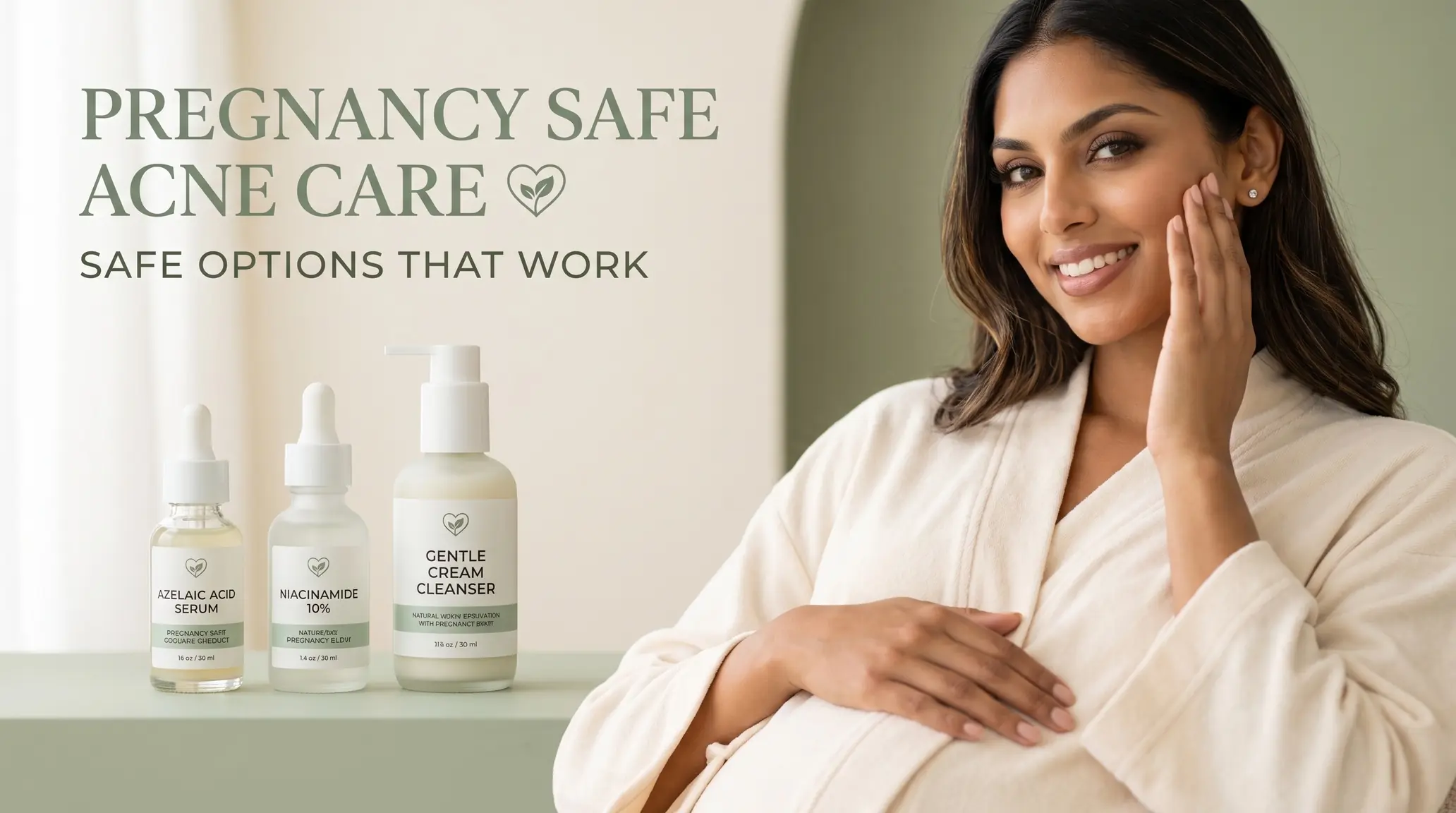
Pregnancy acne treatments require extra caution, because the hormonal surge that triggers breakouts also makes many common acne ingredients unsafe for a developing baby. Rising androgen levels increase oil production and clog pores, often starting in the first trimester. In this guide we cover expert-approved, pregnancy-safe acne treatments, explain which ingredients to avoid, and share gentle routines that help you manage breakouts without putting your baby’s health at risk.
Reviewed by the BeautynFacts editorial team. Last updated: May 2026.
What causes acne during pregnancy?
Acne during pregnancy is caused due to hormonal changes in the body. The body produces more androgen hormones during pregnancy, which leads to increased oil production, clogged pores, and acne breakouts. Pregnancy acne usually occurs during the first trimester and can last throughout the pregnancy. It is essential to be cautious while treating acne during pregnancy as certain acne medications can be harmful to the baby.
Understanding Acne During Pregnancy
A. Causes of Acne Breakouts
Hormonal changes during pregnancy can lead to an increase in androgens, which stimulate oil production in the skin. This excess oil can clog pores, leading to acne breakouts. Additionally, increased blood circulation can cause the skin to become more sensitive and prone to inflammation.
B. Common Misconceptions About Pregnancy and Acne
Many people believe that acne during pregnancy is a sign of having a baby girl. However, there is no scientific evidence to support this claim. Acne breakouts during pregnancy are mainly due to hormonal fluctuations and can happen to anyone, regardless of the baby’s sex.
Pregnancy-safe acne treatments
Topical treatments
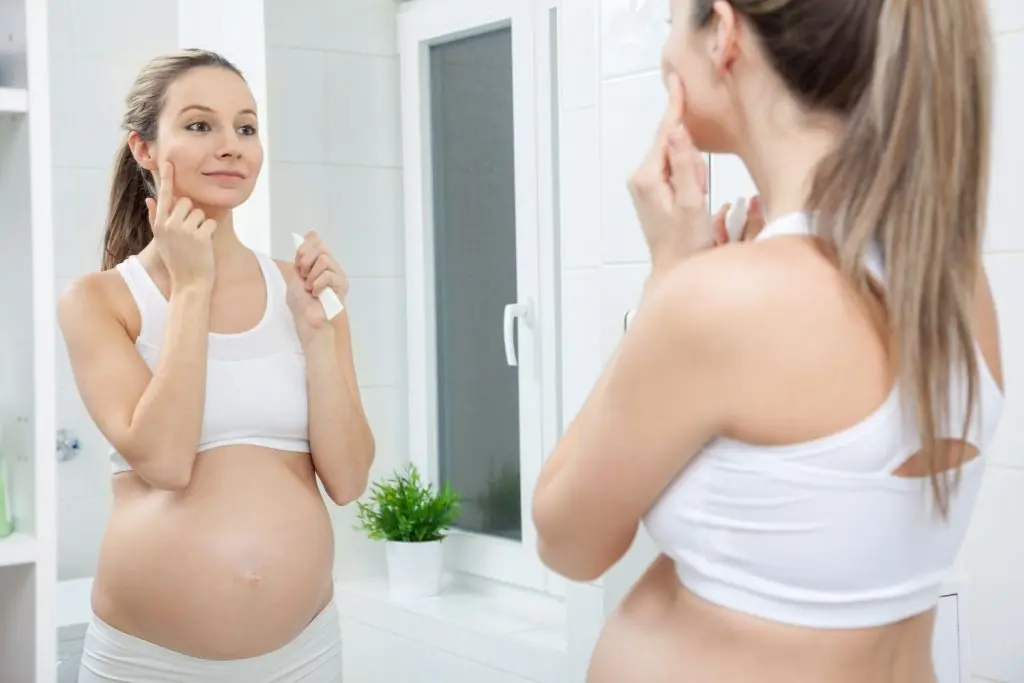
Topical treatments are applied directly to the skin and are considered safe during pregnancy. The following are the pregnancy-safe topical treatments recommended by experts:
a. Benzoyl peroxide: Benzoyl peroxide is a popular acne treatment that helps reduce inflammation and kills acne-causing bacteria. It is considered safe during pregnancy, but it is recommended to use it in low concentrations (2.5% or less).
b. Salicylic acid: Salicylic acid is another popular acne treatment that helps unclog pores and reduce inflammation. It is considered safe during pregnancy when used in low concentrations (2% or less).
c. Glycolic acid: Glycolic acid is an alpha-hydroxy acid that helps exfoliate the skin and reduce acne. It is considered safe during pregnancy when used in low concentrations (10% or less).
Oral antibiotics
Oral antibiotics are usually prescribed for moderate to severe acne. However, not all antibiotics are safe during pregnancy. The following antibiotics are considered safe during pregnancy:
a. Erythromycin: Erythromycin is considered safe during pregnancy and is often prescribed to treat acne during pregnancy.
b. Azithromycin: Azithromycin is also considered safe during pregnancy and is often prescribed for acne treatment.
It is important to note that tetracycline antibiotics should be avoided during pregnancy as they can harm the developing baby’s teeth and bones.
Light therapy
Light therapy is a non-invasive acne treatment that uses different types of light to reduce inflammation and kill acne-causing bacteria. Light therapy is considered safe during pregnancy, and the following types of light therapy are recommended:
a. Blue light therapy: Blue light therapy helps kill acne-causing bacteria and reduce inflammation. It is considered safe during pregnancy.
b. Red light therapy: Red light therapy helps reduce inflammation and promote healing. It is also considered safe during pregnancy.
Home remedies
Home remedies are natural treatments that can be easily prepared at home. The following home remedies are considered safe during pregnancy:
a. Tea tree oil: Tea tree oil is a natural anti-inflammatory and antimicrobial agent that helps reduce acne. It is considered safe during pregnancy when used in low concentrations.
b. Honey: Honey is a natural antibacterial agent that helps reduce inflammation and soothe the skin. It is considered safe during pregnancy.
c. Aloe vera: Aloe vera is a natural anti-inflammatory agent that helps soothe the skin and reduce acne. It is considered safe during pregnancy.
Skincare routine
Maintaining a proper skincare routine is essential to prevent acne breakouts during pregnancy. The following tips can help maintain a healthy skincare routine during pregnancy:
a. Cleanse your face twice a day with a gentle cleanser.
b. Use a non-comedogenic moisturizer to keep the skin hydrated.
c. Use a sunscreen with at least SPF 30 to protect the skin from harmful UV rays.
d. Avoid using harsh scrubs or exfoliants that can irritate the skin.
e. Use makeup products that are non-comedogenic and oil-free.
f. Avoid touching your face with your hands as it can transfer bacteria to the skin.
Skincare Tips for Pregnant Women
Skincare is important during pregnancy to keep the skin healthy and prevent common skin issues like acne and hyperpigmentation. The following tips are recommended for pregnant women to maintain good skincare:
A. Gentle Cleansing: It is important to cleanse the skin twice a day with a gentle cleanser to remove dirt, oil, and makeup. Harsh cleansers can strip the skin of its natural oils and cause dryness, irritation, or inflammation. A gentle cleanser will help to maintain the skin’s natural barrier and prevent excessive dryness.
B. Moisturizing: Pregnancy hormones can cause the skin to become dry and itchy. Moisturizing the skin regularly can help to keep it hydrated and prevent dryness. A non-comedogenic moisturizer should be used to avoid clogging the pores and causing acne breakouts.
C. Sun Protection: Pregnant women are more prone to sun damage, and exposure to UV rays can lead to hyperpigmentation, melasma, and other skin issues. It is important to use a sunscreen with at least SPF 30 to protect the skin from harmful UV rays. Sunscreen should be applied 15-20 minutes before going outdoors and should be reapplied every 2 hours.
D. Avoiding Acne Triggers: Hormonal changes during pregnancy can cause acne breakouts. Pregnant women should avoid using products that can trigger acne such as oil-based makeup, harsh scrubs, and exfoliants. They should also avoid touching their face frequently as it can transfer bacteria and cause breakouts.
Acne during pregnancy can be distressing, but it is essential to be cautious while choosing acne treatments. Some acne medications can be harmful to the developing baby, and it is important to consult a dermatologist before starting any acne treatment during pregnancy. The pregnancy-safe acne treatments recommended by experts include topical treatments, oral antibiotics, light therapy, home remedies, and a proper skincare routine. With proper care and caution, acne during pregnancy can be managed effectively.
Frequently Asked Questions About Pregnancy Acne Treatments
What acne treatments are safe during pregnancy?
Azelaic acid, glycolic acid at low percentages, low-dose salicylic acid under two percent in rinse-off products, niacinamide, sulfur, and clindamycin gel prescribed by a doctor are the acne treatments with the strongest safety record during pregnancy. Most dermatologists also greenlight zinc, gentle benzoyl peroxide for spot use, and barrier-repair routines built around ceramides and hyaluronic acid. Always confirm with your obstetrician before starting anything new, because individual pregnancies and underlying conditions shift the safe list.
Which acne ingredients should you avoid during pregnancy?
Avoid all retinoids during pregnancy, including retinol, retinal, adapalene, tretinoin, and tazarotene. Skip high-strength salicylic acid peels, hydroquinone, oral isotretinoin, oral tetracyclines, and most essential-oil-based spot treatments. Pregnancy acne is real, but the ingredient list is firmly cautious because animal and limited human data flag risk for these molecules. The pregnancy-safe acne playbook is short on purpose: gentle, evidence-backed actives only, with a doctor signing off on anything beyond niacinamide and azelaic acid.
When does pregnancy acne usually peak?
Pregnancy acne peaks in the first trimester when androgens surge and sebum production climbs sharply. Many women see breakouts settle by the second trimester and reappear briefly in the third trimester or postpartum as hormones shift again. The chin and jawline are the most common breakout zones because they map to the hormonally active oil glands. Track the cycle so you know when to ease off treatments and when to support skin with extra hydration and barrier care.
Can you use benzoyl peroxide while pregnant?
Most dermatologists clear short-term, low-percentage benzoyl peroxide spot use during pregnancy because systemic absorption is minimal. Full-face daily use at higher percentages is less established and usually replaced with azelaic acid or a clindamycin prescription. The safest approach is a 2.5 percent benzoyl peroxide spot gel used on individual lesions for a few days, not as a leave-on all-over treatment. Always confirm with your obstetrician and pause if your skin shows new sensitivity.
Do natural remedies work for pregnancy acne?
Some natural remedies help and others overpromise. Honey masks, oat-based cleansers, green tea compresses, and aloe vera gel reduce inflammation safely. Tea tree oil at one percent diluted in a carrier helps targeted spots, but it should not be used as a daily leave-on during pregnancy because high concentrations can cause sensitisation. Skip strong essential-oil blends, undiluted apple cider vinegar, and DIY salicylic concentrations from aspirin tablets, which are unpredictable in dose.
Will pregnancy acne go away after birth?
Pregnancy acne usually settles within three to six months after birth as hormones rebalance, although breastfeeding can extend the timeline by a few months because oestrogen and prolactin shifts continue. Postpartum is the right time to reintroduce stronger actives like retinoids if you are not breastfeeding, ideally under a dermatologist who can sequence the return safely. Pregnancy acne treatments that worked during pregnancy can usually continue postpartum as a gentler maintenance baseline.
RELATED ARTICLES:
The Natural Solution to Acne, Glowing Skin and Hyperpigmentation: Red Sandalwood
Say Goodbye to Wrinkles and Acne Scars with Safe Microneedling at Home
How to Remove Forehead Wrinkles Naturally and Effectively : Proven Tips and Treatments for Smoother Skin
2025’s Best Natural Wrinkle Remedy: Garlic Skincare Hacks for Ageless Beauty!
Dark Knees No More: Top Skin-Lightening Hacks That Work!
About The Author

COMMENTS