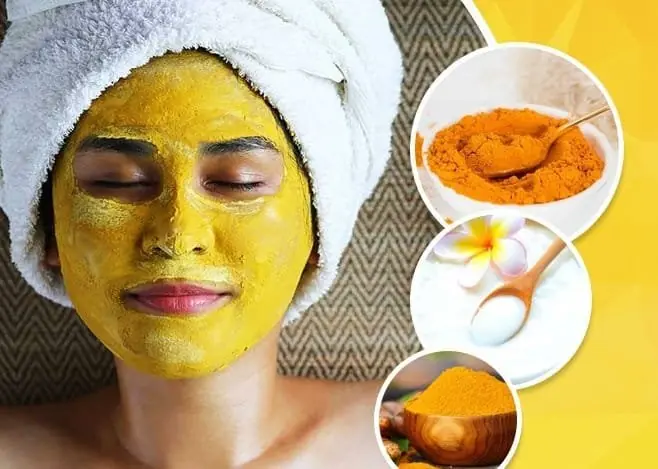
Ubtan facemask is the ancient Indian beauty ritual that brides have used the week before their wedding for centuries, and the recipe holds up under mo
Ubtan facemask is the ancient Indian beauty ritual that brides have used the week before their wedding for centuries, and the recipe holds up under modern dermatology better than most pantry treatments. Ubtan facemask combines turmeric, chickpea flour, sandalwood, and milk or yogurt in carefully balanced ratios that gently exfoliate while feeding the skin antioxidants. This guide walks through ubtan facemask with the magical-glow recipe, the safe ratios, the application timing, and the variations that suit dry, oily, or sensitive skin.
Reviewed by the BeautynFacts editorial team. Last updated: May 2026.
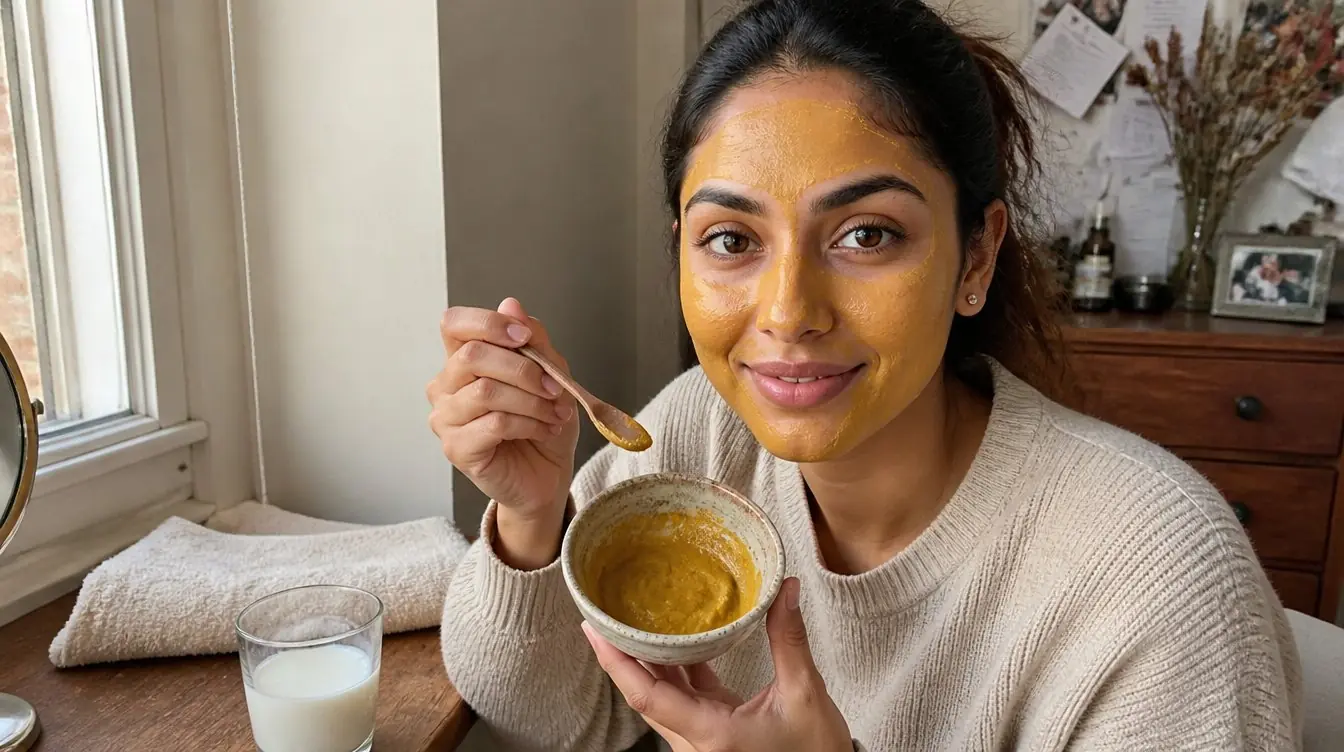
How To Make the Magical Ubtan Facemask for INSTANT Glow
Your skin deserves more than a shelf full of synthetic serums and overpriced creams. Ancient beauty rituals have survived thousands of years for one simple reason: they work. The ubtan facemask for instant glow is one of the most celebrated skincare traditions in Ayurvedic and South Asian beauty culture. It predates every modern brightening treatment on the market, and science is now confirming what generations of women already knew. Ubtan combines exfoliation, antioxidant protection, anti-inflammatory action, and deep nourishment in a single application. Unlike chemical peels or harsh scrubs, it respects the skin barrier while dramatically improving tone, texture, and radiance. This article covers everything you need to know about ubtan: its history, the science behind each ingredient, five different recipes for every skin type, the correct application technique, and how to build ubtan into a weekly ritual for lasting results. Whether you are dealing with dullness, uneven tone, stubborn pigmentation, or acne-prone skin, there is an ubtan formula here that will work for you. Get ready to discover the most effective natural glow treatment your bathroom has ever seen.
The Ancient Origins of Ubtan
The detail most guides skip on ubtan facemask: results compound when small habits stack. Two careful choices today are worth more than ten half-followed ones, and ubtan facemask rewards consistency over weeks, not chasing a single perfect product.
Ubtan in Ayurvedic Tradition
Ubtan has roots in Ayurveda, the ancient Indian system of medicine and wellness that dates back more than 5,000 years. The word “ubtan” derives from the Sanskrit word “udvartana,” which refers to a herbal paste used in therapeutic body treatments. Ayurvedic physicians formulated ubtan pastes to balance the three doshas: Vata, Pitta, and Kapha. Each formulation was tailored to the individual’s skin constitution, with warming or cooling ingredients selected accordingly. Turmeric, sandalwood, and chickpea flour appeared consistently across classical Ayurvedic texts as foundational skin-brightening agents.
The preparation of ubtan was considered a meditative act. Ingredients were ground by hand using a stone mortar and pestle, which preserved their volatile oils and active compounds. The grinding process itself was slow and intentional, designed to create maximum bioavailability in the final paste. Families passed their ubtan recipes from mother to daughter across generations, adjusting formulas for local climates, available botanicals, and seasonal skin changes.
Ubtan in Wedding and Ceremonial Rituals
In Indian, Pakistani, and Bangladeshi cultures, ubtan holds a central place in pre-wedding beauty rituals. The “Haldi” or “Ubtan ceremony” takes place days before a wedding, where the bride and groom are anointed with turmeric-rich ubtan paste applied by family members. This ritual serves both spiritual and practical purposes. Spiritually, turmeric is considered auspicious and purifying. Practically, the repeated application in the days leading up to the wedding produces a visibly brighter, more even complexion for the ceremony itself.
Historical records suggest that queens and noblewomen in the Mughal era used elaborate ubtan formulations that included saffron, raw milk, almond paste, and rare aromatic herbs. These luxury versions were applied daily as part of an extensive grooming routine. The practice spread through trade routes and cultural exchange, influencing beauty rituals across Southeast Asia and the Middle East.
Global Rediscovery and Modern Relevance
The global clean beauty movement has brought ubtan back into mainstream consciousness. Consumers frustrated with ingredient lists full of parabens, sulfates, and synthetic fragrances are turning to plant-based alternatives with documented histories of safety and effectiveness. Ubtan fits perfectly into this shift. It uses pantry staples, produces zero synthetic waste, costs a fraction of comparable commercial treatments, and delivers results that rival professional facials. Dermatologists and estheticians are increasingly recommending ubtan as a gentle, customizable treatment for clients who cannot tolerate harsh actives like retinoids or AHAs.
The Science Behind Ubtan: Why It Actually Works
Mechanical and Chemical Exfoliation Combined
Ubtan delivers a dual exfoliation mechanism that most single-ingredient masks cannot replicate. Chickpea flour provides mechanical exfoliation through its slightly abrasive texture. When massaged onto the skin in circular motions, the fine particles physically dislodge dead skin cells, sebum plugs, and surface debris. This immediate physical action reveals the fresher, more reflective skin layer beneath.
At the same time, several ubtan ingredients perform chemical exfoliation. Lactic acid, naturally present in yogurt and raw milk, belongs to the alpha-hydroxy acid family. Lactic acid dissolves the bonds between dead skin cells at a cellular level, encouraging faster cell turnover without the irritation associated with stronger acids. Studies published in the Journal of Cosmetic Dermatology confirm that lactic acid at concentrations found in dairy products effectively reduces hyperpigmentation and improves skin texture with regular use.
Anti-Inflammatory and Antioxidant Activity
Chronic low-grade skin inflammation is one of the most common causes of dullness, uneven tone, and accelerated aging. Ubtan addresses this at the molecular level. Curcumin, the active compound in turmeric, is one of the most studied natural anti-inflammatory agents in dermatology. It inhibits nuclear factor-kappa B (NF-kB), a protein complex that drives inflammatory responses in skin cells. By suppressing this pathway, curcumin reduces redness, calms reactive skin, and prevents the post-inflammatory hyperpigmentation that follows acne or irritation.
Sandalwood contains alpha-santalol, a sesquiterpene alcohol with demonstrated antioxidant properties. Free radicals generated by UV exposure, pollution, and metabolic processes break down collagen and elastin, contributing to fine lines and loss of firmness. Alpha-santalol neutralizes these free radicals before they can cause structural damage. Research published in Phytomedicine identified alpha-santalol as a potent inhibitor of skin tumor promotion, suggesting that sandalwood’s protective effects extend beyond cosmetic improvement.
Melanin Regulation and Brightening Mechanisms
Hyperpigmentation occurs when melanocytes, the pigment-producing cells in the skin, generate excess melanin in response to UV exposure, hormonal changes, or injury. Ubtan targets this process through multiple pathways. Curcumin inhibits tyrosinase, the key enzyme in melanin synthesis. By blocking tyrosinase activity, curcumin reduces melanin production at the source, leading to gradual lightening of dark spots and evening of skin tone.
Kojic acid, which occurs naturally in fermented chickpea products and certain fungi, provides additional tyrosinase inhibition. While the concentrations in homemade ubtan are lower than those in clinical treatments, the cumulative effect of regular application over weeks produces measurable brightening. Rose water contributes by reducing oxidative stress in melanocytes, which further modulates pigment production. Together, these mechanisms explain why consistent ubtan use delivers a noticeably more even, luminous complexion.
Core Ubtan Ingredients: What They Do and Why They Matter
Worth pausing on with ubtan facemask: the products matter less than the order and timing. The same shelf can deliver visible ubtan facemask results or flat ones depending on the layering.
Chickpea Flour (Besan)
Chickpea flour, called besan in Hindi and Urdu, forms the base of most traditional ubtan recipes. Its fine, slightly grainy texture makes it an ideal physical exfoliant. Besan is rich in zinc, which regulates sebum production and supports skin barrier repair. It also contains saponins, natural cleansing compounds that remove excess oil and impurities without stripping the skin’s natural moisture. For oily and acne-prone skin, besan provides a mattifying effect that persists for several hours after use.
Beyond cleansing, chickpea flour contains vitamin B6 and folate, both of which support cellular repair and renewal. The protein content in besan contributes to a temporary tightening effect when the mask dries, which improves the appearance of pores and fine lines. Besan is gluten-free, making it safe for individuals with gluten sensitivities when used topically.
Turmeric
Turmeric is the soul of ubtan. This golden-yellow spice contains curcumin at concentrations of 2 to 5 percent by weight. Curcumin’s benefits for skin are extensive and well-documented. It accelerates wound healing by stimulating collagen synthesis and angiogenesis. It reduces acne severity by inhibiting Cutibacterium acnes (formerly Propionibacterium acnes), the bacteria responsible for inflammatory breakouts. It brightens dull skin by inhibiting melanin synthesis and improving microcirculation.
One practical consideration with turmeric is its tendency to stain the skin yellow, particularly at higher concentrations. Traditional recipes use small amounts (half a teaspoon or less per batch) to achieve the therapeutic benefit without excessive staining. Combining turmeric with milk or yogurt helps buffer its pigment and reduces temporary discoloration. Any residual yellow tint typically fades within 30 to 60 minutes after washing.
Sandalwood Powder (Chandan)
Sandalwood has been used in Ayurvedic skincare for over 4,000 years. Indian sandalwood (Santalum album) is the most therapeutically potent variety and contains the highest concentration of santalols. These sesquiterpene alcohols provide cooling, anti-inflammatory, and antimicrobial benefits. Sandalwood is particularly effective for treating heat-related skin conditions like sunburn, rashes, and inflammatory acne.
Alpha-santalol has also been studied for its ability to induce apoptosis (programmed cell death) in abnormal skin cells while leaving healthy cells unaffected. This selective action makes sandalwood a valuable ingredient for skins prone to congestion and clogged pores. The aromatic compounds in sandalwood also have a mild sedative effect on the nervous system, making ubtan application a genuinely relaxing experience that reduces stress-related skin flare-ups.
Honey
Raw honey is a humectant, meaning it draws moisture from the environment into the skin and holds it there. It contains hydrogen peroxide, which provides gentle antibacterial action against acne-causing bacteria. Honey also contains gluconic acid, a mild AHA that enhances exfoliation and brightening when combined with besan. Manuka honey, if available, provides additional antibacterial potency through its high methylglyoxal (MGO) content and is particularly effective for acne-prone skin.
Beyond antibacterial action, honey contains propolis, a resinous compound bees use to seal their hives. Propolis is rich in flavonoids and phenolic acids that scavenge free radicals, reduce inflammation, and support collagen synthesis. Applied topically, propolis accelerates the healing of acne scars and post-inflammatory marks.
Rose Water
Rose water is distilled from fresh rose petals and contains phenylethanol, citronellol, geraniol, and nerol. These compounds give rose water its characteristic fragrance and provide anti-inflammatory, antimicrobial, and antioxidant effects. Rose water has a pH of approximately 5.5, which is close to the skin’s natural pH of 4.5 to 5.5. This compatibility makes it an ideal liquid base for ubtan, as it activates the other ingredients without disrupting the acid mantle.
Rose water also contains kaempferol and quercetin, two flavonoids with significant antioxidant capacity. These compounds protect skin cells from UV-induced oxidative damage and reduce the risk of post-sun hyperpigmentation. The mild astringent properties of rose water tighten pores temporarily and reduce the appearance of oiliness without causing dryness.
The Classic Ubtan Facemask Recipe
Ingredients and Their Measurements
This foundational recipe works for normal to combination skin and serves as the template from which all skin-type variations are built. Gather the following ingredients before you begin.
- 2 tablespoons of chickpea flour (besan)
- 1/2 teaspoon of turmeric powder
- 1/2 teaspoon of sandalwood powder
- 1 tablespoon of raw honey
- 1 to 2 tablespoons of rose water (adjust for consistency)
All ingredients should be at room temperature before mixing. Cold ingredients can cause the paste to stiffen unevenly, making it difficult to apply smoothly. If you are using honey that has crystallized, warm it briefly in a bowl of hot water rather than microwaving it directly, which can destroy its beneficial enzymes.
Step-by-Step Preparation
- Combine the chickpea flour, turmeric powder, and sandalwood powder in a clean ceramic or glass bowl. Avoid plastic bowls, as turmeric can permanently stain them.
- Add the honey to the dry ingredients and stir using a small spatula or the back of a spoon. The mixture will be thick and sticky at this stage.
- Add rose water one teaspoon at a time, mixing continuously between additions. The goal is a smooth, spreadable paste with the consistency of thick yogurt. It should hold its shape but spread easily when pressed.
- Check the consistency by lifting a small amount on the spatula. It should fall slowly in a thick ribbon rather than dripping like water or clumping like dry dough.
- Apply immediately. Ubtan does not preserve well and should be used within 20 minutes of preparation to retain maximum potency.
Application Technique for Maximum Glow
- Cleanse your face with a gentle cleanser and pat it dry. Applying ubtan to dirty skin traps impurities beneath the mask and reduces its effectiveness.
- Pull your hair back from your face with a headband or clip. Turmeric will stain hair and hairline skin.
- Using clean fingertips or a flat mask brush, apply the ubtan paste to your face and neck in upward, outward strokes. Avoid the delicate skin around your eyes and your lips.
- Once the mask is applied, spend 30 to 60 seconds massaging it in with gentle circular motions. This activates the exfoliation process and improves blood circulation.
- Leave the mask on for 15 to 20 minutes. As it dries, you will feel a slight tightening sensation. This is normal and indicates the besan is firming and drawing out impurities.
- Rinse with lukewarm water. Avoid hot water, which can cause redness and strip moisture. Massage the mask off in circular motions as you rinse to maximize exfoliation.
- Pat your face dry with a soft, clean towel. Do not rub. Follow immediately with a gentle toner and moisturizer to seal in hydration.
Ubtan Recipes for Every Skin Type
Dry Skin: Nourishing Milk and Almond Ubtan
Dry skin needs additional lipid support and humectants to prevent the mask from drawing moisture out rather than adding it. This variation substitutes rose water with full-fat raw milk and adds almond powder for its vitamin E and fatty acid content.
- 2 tablespoons chickpea flour
- 1/2 teaspoon turmeric
- 1/2 teaspoon sandalwood powder
- 1 tablespoon raw honey
- 1 tablespoon almond powder (finely ground raw almonds)
- 2 tablespoons full-fat raw milk or whole milk yogurt
The lactic acid in milk provides gentle chemical exfoliation without the mechanical abrasiveness that can irritate dry skin. Almond powder contributes vitamin E, a fat-soluble antioxidant that repairs the lipid barrier and reduces transepidermal water loss. Apply this version for 15 minutes only, and follow with a rich moisturizer immediately after rinsing.
Oily and Acne-Prone Skin: Clay and Neem Ubtan
Oily skin benefits from the oil-absorbing properties of kaolin clay and the potent antibacterial action of neem. This formula targets excess sebum, enlarged pores, and active breakouts simultaneously.
- 2 tablespoons chickpea flour
- 1/2 teaspoon turmeric
- 1 teaspoon kaolin or multani mitti (Fuller’s Earth clay)
- 1/2 teaspoon neem powder
- 1 tablespoon raw honey
- Rose water or plain water to adjust consistency
Neem contains nimbidin and nimbin, compounds with proven antibacterial activity against Cutibacterium acnes. Multani mitti absorbs excess sebum from the surface and from within the pore lining, reducing the oily shine that reappears throughout the day. Use this formula no more than twice a week, as the clay component can be drying with overuse. Always follow with a lightweight, oil-free moisturizer.
Sensitive Skin: Oat and Chamomile Ubtan
Sensitive skin requires a gentler approach. This version reduces the proportion of chickpea flour and replaces sandalwood powder with oat flour, which has superior anti-inflammatory properties for reactive skin. Chamomile hydrosol replaces rose water as the liquid base.
- 1 tablespoon chickpea flour
- 1 tablespoon fine oat flour (blend rolled oats until powdery)
- 1/4 teaspoon turmeric
- 1 tablespoon raw honey
- 1 tablespoon plain whole milk yogurt
- 1 tablespoon chamomile hydrosol or cooled chamomile tea
Oat flour contains beta-glucan and avenanthramides, compounds that reduce inflammatory cytokines in the skin and provide immediate relief from itching, redness, and irritation. Chamomile contains apigenin and bisabolol, two compounds with strong anti-inflammatory and skin-calming properties. Patch test this formula on the inside of your wrist 24 hours before full facial application if you have a history of contact dermatitis.
Mature Skin: Saffron and Rosehip Ubtan
Mature skin benefits most from ingredients that support collagen synthesis, reduce oxidative damage, and address the discoloration that accumulates with age. Saffron and rosehip seed powder make this an anti-aging powerhouse.
- 2 tablespoons chickpea flour
- 1/2 teaspoon turmeric
- 1/2 teaspoon sandalwood powder
- A small pinch of saffron threads (steeped in 1 tablespoon of warm milk for 10 minutes)
- 1/2 teaspoon rosehip seed powder
- 1 tablespoon raw honey
- 1 tablespoon full-fat yogurt
Saffron contains safranal and crocin, potent antioxidants that inhibit melanin synthesis and stimulate microcirculation. Research published in the Journal of Ethnopharmacology confirms saffron’s ability to reduce oxidative stress markers in skin cells. Rosehip seed powder is exceptionally rich in trans-retinoic acid (a natural form of vitamin A) and vitamin C, both of which stimulate collagen production and reduce the appearance of fine lines with consistent use.
The Benefits of Ubtan Backed by Science
Visible Brightening and Tone Correction
The brightening effect of ubtan is not superficial. It results from a combination of exfoliation, tyrosinase inhibition, and improved microcirculation working together at multiple levels of the skin. Exfoliation removes the stratum corneum cells that scatter light unevenly, revealing the smoother, more reflective cells beneath. Improved circulation delivers more oxygenated blood to the surface, giving the skin a natural flush that translates as radiance. Tyrosinase inhibition by curcumin and kojic acid reduces melanin production, gradually fading dark spots, post-acne marks, and sun-induced hyperpigmentation over weeks of regular use.
A clinical study published in Phytotherapy Research found that a 4-week regimen using a turmeric-based topical treatment produced significant reductions in hyperpigmentation compared to placebo. While the study used a standardized extract rather than whole ubtan paste, the curcumin concentrations were comparable to those found in a well-formulated homemade recipe.
Acne Reduction and Pore Refinement
Acne is a multifactorial condition driven by excess sebum, bacterial proliferation, comedone formation, and inflammation. Ubtan addresses all four factors simultaneously. Chickpea flour and clay variants absorb excess sebum, reducing the substrate that acne bacteria feed on. Honey and neem provide antibacterial action against C. acnes. Physical exfoliation with besan prevents dead skin cells from accumulating in pores and forming comedones. Curcumin and sandalwood suppress the inflammatory cascade that converts a microcomedone into a painful, red pustule.
Regular ubtan use also refines the appearance of pores over time. Pores appear larger when they are stretched by accumulated debris and sebum. As ubtan consistently clears this accumulation, the pore walls contract and pores appear noticeably smaller. This effect is not permanent and requires consistent maintenance, but it is reliably reproducible with twice-weekly use.
Anti-Aging and Collagen Support
Collagen is the structural protein that gives skin its firmness and elasticity. Its production declines by approximately 1 percent per year after age 25, accelerated by UV exposure, poor diet, smoking, and oxidative stress. Ubtan counteracts several of these accelerating factors. The antioxidants in turmeric, honey, and sandalwood neutralize the free radicals generated by UV exposure and environmental pollution, protecting existing collagen from oxidative degradation.
Vitamin C, present in rose hip variants and rose water, directly stimulates fibroblasts to synthesize new collagen. Lactic acid from yogurt and milk accelerates cell turnover, bringing younger, more structurally sound cells to the surface faster. Over months of consistent use, these combined actions produce measurable improvements in skin firmness, elasticity, and the depth of fine lines, particularly around the forehead and perioral area.
How to Build Ubtan Into Your Skincare Routine
Frequency and Timing
The appropriate frequency of ubtan use depends on your skin type and the specific recipe you choose. Normal to combination skin tolerates ubtan two to three times per week without irritation. Oily skin benefits from twice-weekly use of the clay-based formula. Dry and sensitive skin types should begin with once-weekly applications and increase to twice weekly only if the skin responds well after four weeks.
The best time to apply ubtan is in the evening. Turmeric makes the skin temporarily more photosensitive by increasing surface reactivity, and applying it before sun exposure can lead to uneven tanning. Evening application allows the anti-inflammatory and brightening compounds to work overnight without UV interference. Follow ubtan with your regular evening skincare routine, including serums and moisturizers, to maximize hydration and repair.
Complementary Skincare Practices
Ubtan works best as part of a holistic skincare routine rather than as a standalone treatment. On non-ubtan days, use a gentle pH-balanced cleanser that preserves the acid mantle. Follow cleansing with a hydrating toner containing hyaluronic acid or beta-glucan to maintain moisture levels. Apply a broad-spectrum SPF 30 or higher sunscreen every morning, as consistent UV protection is necessary to prevent new hyperpigmentation from forming while ubtan addresses existing spots.
Diet plays a significant role in how effectively ubtan brightens the skin. Consuming adequate vitamin C from whole food sources supports the collagen-building benefits of ubtan. Staying well-hydrated ensures that the humectant ingredients in ubtan have sufficient moisture to draw into the skin. Reducing refined sugar intake lowers glycation, a process in which sugar molecules bond to collagen fibers and cause them to become stiff and discolored.
Storing and Sourcing Quality Ingredients
Ingredient quality directly impacts ubtan’s effectiveness. Buy certified organic chickpea flour and turmeric when possible. Organic turmeric has not been treated with ethylene oxide, a fumigant used to extend shelf life that may reduce curcumin activity. Store dry ubtan ingredients in airtight glass jars away from direct sunlight and heat, which degrade volatile compounds and reduce potency.
For sandalwood powder, source from a reputable supplier that specifies Santalum album (Indian or Australian sandalwood) as the species. Many cheaper products use white sandalwood or synthetic sandalwood fragrance, which have significantly less therapeutic activity. Rose water should be steam-distilled with no added alcohol, fragrance, or preservatives. Check the ingredient list: it should contain only Rosa damascena flower water or steam-distilled rose water.
Common Mistakes and How to Avoid Them
Using Too Much Turmeric
The most common mistake with ubtan is using too much turmeric. More is not better with this ingredient. Excess turmeric leaves an orange or yellow tint on the skin that can take hours to fully fade, and it can temporarily stain light-colored clothing and towels. Stick to the recommended half-teaspoon per two tablespoons of chickpea flour. If staining is a concern, use kasuri (food-grade) turmeric with a lower curcumin content, which brightens with less pigment transfer, or use steam-processed turmeric powder, which has reduced staining properties.
If you do end up with a turmeric tint on your skin, apply a small amount of micellar water or oil-based cleanser to the affected area and wipe gently. The oil dissolves the curcumin pigment more effectively than water alone. Avoid scrubbing, which can spread the stain.
Skipping the Patch Test
Even natural ingredients can cause allergic reactions in susceptible individuals. Honey contains trace amounts of bee pollen, which can trigger reactions in people with bee sting allergies or seasonal pollen allergies. Sandalwood can cause contact dermatitis in a small percentage of people. Neem has a very strong odor that some individuals find irritating to the respiratory tract.
Before applying any new ubtan recipe to your full face, test it on the inside of your wrist or behind your ear. Apply a small amount, leave it on for 15 minutes, then rinse and observe the area for 24 hours. Redness, itching, swelling, or hives indicate a reaction to one or more ingredients. Remove the ingredient you suspect and retest to identify the specific sensitizer.
Applying Ubtan Over Active Breakouts or Broken Skin
Ubtan’s exfoliating action can irritate active, open acne lesions or any area with broken skin, cuts, or rashes. Mechanical exfoliation with chickpea flour over a popped pimple or active cyst can introduce bacteria, worsen inflammation, and delay healing. Before applying ubtan, assess your skin and avoid areas with active lesions. You can apply petroleum jelly or a small adhesive bandage over individual spots to protect them while treating the rest of your face normally.
Similarly, avoid ubtan immediately after waxing, threading, dermaplaning, or any other procedure that removes a layer of skin. Wait at least 48 to 72 hours after these treatments before resuming ubtan use to prevent irritation and sensitivity.
Ubtan for Body Brightening and Beyond
Full-Body Ubtan Treatment
Traditional ubtan was never limited to the face. Ayurvedic texts describe full-body ubtan treatments applied before bathing, where the paste was massaged into the skin from the neck down and allowed to partially dry before being rubbed off in a process that simultaneously exfoliated and cleansed. This practice is still followed in many South Asian households before festivals and special occasions.
For a full-body ubtan, scale up the recipe to cover larger surface areas. A typical full-body application requires approximately six to eight tablespoons of chickpea flour, one full teaspoon of turmeric, one teaspoon of sandalwood powder, two tablespoons of honey, and enough rose water or milk to create a spreadable paste. Apply in the shower or over a towel, massage in for three to five minutes, allow to dry for 10 minutes, then rinse under warm water. The results are dramatically smoother, softer skin from head to toe.
Targeted Treatments for Hyperpigmentation
Ubtan can be used as a targeted treatment for specific areas of hyperpigmentation such as dark elbows, knees, underarms, and inner thighs. These areas tend to accumulate thickened, darkened skin due to friction, pressure, and hormonal changes. For targeted treatments, increase the turmeric to a full teaspoon and add a teaspoon of lemon peel powder, which contains d-limonene and hesperidin for additional brightening. Apply the paste to the affected area, wrap loosely with plastic wrap to maintain moisture, and leave on for 20 to 25 minutes before rinsing.
Consistency is essential for these tougher areas. Daily application for two to four weeks produces visible lightening of friction-darkened skin. Pairing targeted ubtan treatment with consistent moisturization and SPF protection on exposed areas prevents new darkening from occurring while the treatment addresses existing pigmentation.
Ubtan as a Pre-Event Glow Treatment
One of ubtan’s most appreciated qualities is its ability to produce an immediate, visible glow within minutes of application. On the day of a special event, apply a single ubtan treatment two to three hours before you need to leave. This timing allows any residual turmeric tint to fully fade and gives your skin time to settle into its new, luminous state without appearing flushed or reactive.
For an amplified pre-event glow, add a teaspoon of raw milk and half a teaspoon of saffron-infused rose water to your regular recipe. Apply the mask for 20 minutes, rinse thoroughly, then immediately apply a hydrating serum followed by a luminizing moisturizer or primer. The combination of ubtan’s exfoliation and brightening with a light-reflecting product on top creates a professional-level glow that lasts throughout the event.
Frequently Asked Questions
Can I use ubtan every day?
Daily use of ubtan is not recommended for most skin types. The chickpea flour provides physical exfoliation that, when performed too frequently, can compromise the skin barrier, leading to increased sensitivity, redness, and moisture loss. Two to three times per week is sufficient for normal, combination, and oily skin types. Dry and sensitive skin should limit use to once or twice a week. If you want to use a mild ubtan-inspired treatment daily, reduce the chickpea flour content and use a clay-free, low-turmeric formula with oat flour as the base, which is gentle enough for more frequent use without over-exfoliating.
Will turmeric permanently stain my face?
No, turmeric does not permanently stain the skin. Any yellow tint that remains after rinsing typically fades within 30 to 60 minutes as the skin’s natural oils break down the curcumin pigment. To speed this up, cleanse with a small amount of oil-based cleanser or micellar water after rinsing the mask. Using the correct amount of turmeric (no more than half a teaspoon per batch) also minimizes staining significantly. Very fair skin tones may notice a slightly golden hue that lasts one to two hours, which many people find adds to rather than detracts from their glow. Towels and washcloths used to dry your face may pick up turmeric staining; designate a specific dark-colored cloth for ubtan days.
Is ubtan safe for all skin tones?
Yes, ubtan is generally safe for all skin tones. Turmeric’s brightening effect works on hyperpigmentation regardless of baseline skin tone by targeting excess melanin rather than overall pigment levels. For deeper skin tones, ubtan is particularly beneficial because deeper complexions are more prone to post-inflammatory hyperpigmentation following acne or injury, and curcumin’s tyrosinase-inhibiting action directly addresses this concern. Individuals with medium to deep skin tones often see the most dramatic evening of tone with consistent ubtan use, as the contrast between dark spots and the surrounding skin diminishes over time.
Can ubtan replace my regular cleanser?
Ubtan functions as a mask and gentle exfoliant rather than a true cleanser. While it does remove surface impurities and excess oil, it does not effectively remove heavy makeup, sunscreen, or deep-seated dirt. For best results, use ubtan after your regular double cleanse routine. On days you apply ubtan, cleanse your face first with your usual cleanser to remove makeup and surface pollution, then apply the ubtan mask as the next step. This sequence ensures that ubtan’s active ingredients make full contact with clean skin where they can penetrate and perform optimally rather than working through a layer of sunscreen or foundation.
How long before I see results from using ubtan?
The timeline for visible results depends on the concern you are targeting. Immediate results, including smoother texture, reduced oiliness, and a subtle brightening glow, are visible after a single application. These effects are primarily due to the exfoliation and improved circulation that occur during the mask. For deeper concerns like hyperpigmentation, uneven tone, and acne scarring, consistent twice-weekly use over four to six weeks produces measurable improvement. Dark spots begin to fade visibly within two to three weeks. Pore refinement and overall tone evening require six to eight weeks of consistent use. Collagen-related improvements in firmness and fine lines take longer, typically three to six months of regular use combined with a comprehensive skincare and sun protection routine.
Conclusion
Ubtan is not a trend. It is a time-tested, science-validated beauty treatment that delivers genuine results for every skin type, concern, and tone. Its power lies in the synergy of its ingredients: chickpea flour exfoliates and refines, turmeric inhibits melanin and reduces inflammation, sandalwood protects against oxidative damage, honey hydrates and fights bacteria, and rose water balances and soothes. Together, these ingredients address the full spectrum of common skin concerns in a single 20-minute treatment.
The key takeaways from this guide are straightforward. Use the classic recipe as your foundation and customize it for your skin type using the variations provided. Apply ubtan two to three times per week in the evening, follow with a good moisturizer and morning SPF, and give your skin four to six weeks to show its full transformation. Source your ingredients carefully, respect the recommended quantities, and patch test any new formula before committing to a full application.
Your next steps are simple. Gather your ingredients this week. Start with the classic recipe or the one matched to your skin type. Apply it this evening. Notice the difference in your skin’s texture and glow immediately after rinsing. Then commit to four weeks of consistent use and watch your complexion transform from the inside out. The most effective glow treatment in the world has been sitting in kitchens and spice cabinets for thousands of years. Now you know exactly how to use it.
RELATED ARTICLES:
THE SOFT WHIMSICAL MAKEUP TREND TAKING OVER PINTEREST IN 2026
No Chemicals, Just Glow: The Timeless Ritual for Naturally Radiant Skin
Is K-Beauty in India Overhyped? Why It’s Trending and If You Should Try It
The Biggest Makeup Trends to Watch Out For in 2026
Cloud Skin vs Glass Skin in Indian Humidity: Beauty Tips to Choose the Finish That Actually Lasts
The honest bottom line on ubtan facemask: consistency beats complexity. Build a few habits into your weekly rhythm, give your skin or hair a real window to respond, and ubtan facemask becomes second nature.
About The Author

COMMENTS