
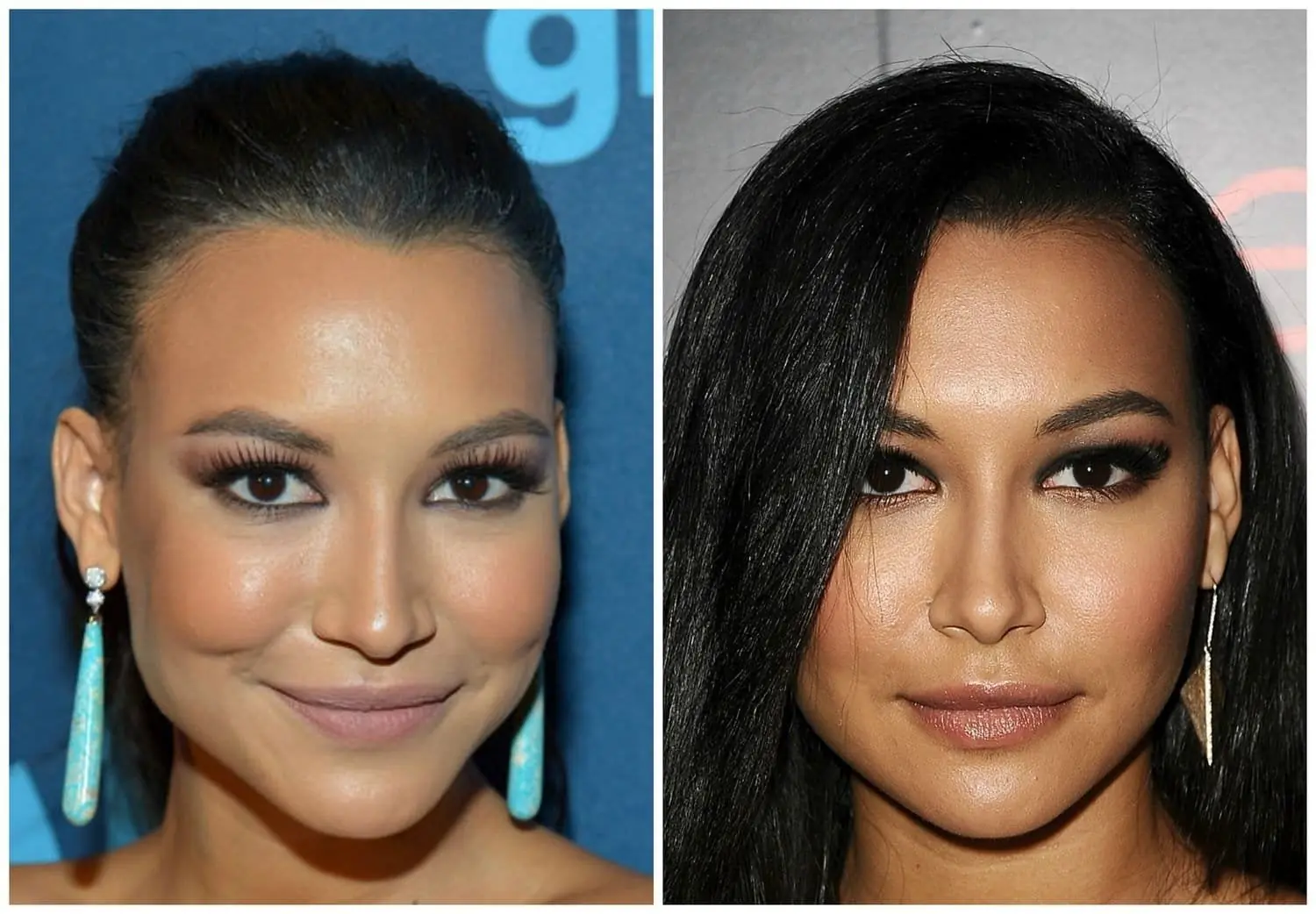
Dark brows can be transformed into soft, lighter, editorial arches through careful at home bleaching. Naturally black or coarse brows hold more melani
Dark brows can be transformed into soft, lighter, editorial arches through careful at home bleaching. Naturally black or coarse brows hold more melanin and sit above thin, reactive orbital skin, so the margin for error is small and rushing can cause burns or uneven orange tones. This step by step guide walks you through the right products, the preparation that protects your skin, and the disciplined technique that delivers striking, even results without damage.
Dark brows, particularly those that are naturally black, deep brunette, or coarse in texture, present a unique challenge. The melanin concentration is higher, the cuticle is often more resistant, and the hairs sit directly above delicate orbital skin that is thinner and more reactive than skin anywhere else on the face. This combination means the margin for error is small, and the consequences of rushing, from scalp-level burns to uneven orange tones, are immediate and visible. The good news is that with the right products, a disciplined method, and an understanding of how bleach actually interacts with hair, you can lighten your brows safely and beautifully in your own bathroom.
This comprehensive guide walks you through everything you need to know, including the science of hair lightening, the exact tools to gather, how to perform a proper patch test, application technique for different brow shapes, aftercare that protects the skin, troubleshooting common pitfalls such as brassiness and patchiness, and long-term maintenance. By the end, you will have the confidence and knowledge to transform your brows intentionally rather than accidentally.
Understanding the Science of Bleaching Eyebrow Hair
Reviewed by the BeautynFacts editorial team. Last updated: May 2026.
Before touching a single brush to your brows, it helps to understand what bleach actually does. Hair color is produced by melanin, a pigment manufactured by melanocytes in the hair follicle. Dark brows contain abundant eumelanin, which is responsible for brown and black tones, and sometimes pheomelanin, which contributes red and gold undertones. When you apply a bleaching mixture, you initiate an oxidation reaction that breaks apart the melanin molecules within the hair shaft. As those molecules shatter into smaller colorless fragments, the hair appears progressively lighter.
The two components doing the heavy lifting are bleach powder, typically containing persulfate salts such as ammonium or potassium persulfate, and a developer, which is hydrogen peroxide at a controlled volume. Developers are sold in volumes of 10, 20, 30, and 40, corresponding to the amount of oxygen they release. For eyebrows, 10 or 20 volume is the safest starting point because higher volumes are aggressive on fine brow hair and on the thin periorbital skin. Twenty volume can typically lift dark brown brows by two to four levels over a single session, while 10 volume works more slowly and is gentler if you prefer multiple light sessions over one strong one.
Understanding the lift process also helps set realistic expectations. Dark brown hair generally passes through predictable stages as it lightens: from black-brown to red-brown, then to red, orange, yellow-orange, yellow, and finally pale yellow. You cannot skip these stages. If you stop at orange or red, your brows will look brassy, which is why many at-home bleachers are disappointed after a single pass. Knowing that brassiness is a stage rather than a permanent outcome helps you plan for a toning step or a second session rather than panicking.
Why Brow Hair Behaves Differently From Scalp Hair
Brow hair has a different growth cycle, structure, and pigment distribution than the hair on your head. It is shorter, coarser relative to its length, and grows in a much faster cycle, typically four to six weeks from new growth to shed. The cuticle is tightly compacted, which is why dark brows often seem stubborn to lighten. However, because each hair is short, the bleach penetrates the full shaft quickly, meaning processing times are significantly shorter than for scalp hair. What takes forty-five minutes on the scalp may take only eight to twelve minutes on a brow, and overshooting by even a few minutes can cause breakage, extreme porosity, or damage to the follicle.
The Role of Undertone and Natural Pigment
Every person has a unique pigment cocktail in their hair, and that determines how your brows will respond. Individuals with warm, reddish undertones often pull orange or copper on the way to blonde, while those with cool, ashy undertones may reach a neutral yellow more easily. Recognizing your undertone, easily checked by looking at how your brows appear in direct sunlight, helps you predict what color corrections you might need after the initial lift.
Is Bleaching the Right Choice for You?
Before investing in products and time, honestly assess whether brow bleaching aligns with your lifestyle, skin sensitivity, and aesthetic goals. Bleached brows are a commitment. Regrowth shows quickly, sometimes within ten days, creating a visible dark root at the base of each hair that requires maintenance. If you travel frequently, lead a minimalist beauty routine, or dislike touch-ups, this may be a frustrating look to maintain.
Skin sensitivity is another major consideration. If you have rosacea, eczema, seborrheic dermatitis near the brow bone, active acne on the temples, or chronic contact dermatitis, bleaching can trigger flares that last for weeks. Pregnancy and breastfeeding are also windows during which most dermatologists recommend avoiding chemical bleaching, not because of proven fetal harm but because hormonal changes alter skin reactivity in unpredictable ways.
Consider your natural brow density as well. Very sparse brows may look even sparser when bleached, as the contrast between the skin and the lightened hair disappears. Conversely, thick, full brows translate beautifully into a bleached look because the shape remains visible even as the color recedes. If you have previously microbladed or tattooed brows, bleach will not affect the pigment deposited under the skin, so you will end up with dark tattooed brows under light natural hair, an effect that may or may not be desirable.
Essential Materials and Why Each Matters
Walking into a pharmacy or beauty supply store without a list can be overwhelming. Here is a carefully curated kit that covers every stage of the process, along with the reasoning behind each item so you can make smart substitutions if needed.
- Professional bleaching powder formulated for facial use or for dust-free scalp use. Facial bleach kits, often marketed for upper lip and chin, tend to be gentler and come pre-portioned.
- Cream developer in 10 or 20 volume, never powder or liquid peroxide, because cream sits better on short brow hairs without dripping into the eyes.
- Non-metallic mixing bowl, preferably glass or ceramic, since metal reacts with bleach and can neutralize it or cause discoloration.
- Small angled synthetic brush, about four to six millimeters wide, for precise application. A spoolie or old mascara wand is also helpful for combing the bleach through evenly.
- Petroleum jelly or a thick occlusive balm to create a protective barrier on the skin around the brow.
- Cotton swabs and pointed cotton buds for cleanup and for catching stray bleach near the eye.
- Damp washcloth or soft microfiber cloth kept within arm’s reach for emergency wipe-downs.
- Timer, ideally a visible countdown on your phone, because mental counting is unreliable under pressure.
- Gentle sulfate-free cleanser for rinsing.
- Aloe vera gel or a fragrance-free hydrating balm containing panthenol or centella asiatica to calm the skin post-process.
- Hand mirror and magnifying mirror so you can inspect without tilting your head back and spilling product.
Having everything laid out before you mix the bleach is not optional. Once the persulfate meets the peroxide, the clock starts, and fumbling for a forgotten brush will cost you processing accuracy. Think of it the way a chef thinks of mise en place: every tool in its spot, every surface protected with a towel, the room well-ventilated, and your hair pulled back.
The Patch Test: Non-Negotiable and Often Skipped
The single most common reason at-home bleaching goes wrong is that people skip the patch test. This is a genuine mistake, not a technicality. Persulfates are among the most common causes of cosmetic contact dermatitis, and hydrogen peroxide at higher volumes can cause chemical burns. A reaction on your brow is not like a reaction on your inner arm. The skin around the eye is thinner, more vascular, and more likely to swell dramatically.
A proper patch test involves mixing a small amount of bleach according to the exact ratio you plan to use and applying it to a discreet area, such as behind the ear or on the inner arm. Leave it for the same amount of time you plan to process the brows, then rinse and observe the area for forty-eight full hours. Redness, itching, burning, blistering, or any tingling beyond the initial minute of application is a contraindication. If your patch test causes any of these signs, do not proceed. Consider professional consultation or choose a different lightening method such as color-correcting pencils or brow gels that create the illusion of lighter brows without chemical alteration.
Preparing Your Skin, Brows, and Workspace
The twenty-four hours before bleaching matter more than most people realize. Avoid exfoliating the brow area with acids such as glycolic, lactic, or salicylic acid, and skip retinoid products for at least three nights beforehand. These ingredients thin the stratum corneum and make your skin far more vulnerable to chemical irritation. Likewise, avoid waxing, threading, or plucking the brows for at least two days before bleaching, because freshly groomed follicles are microtrauma sites that allow bleach to penetrate more deeply than intended.
On the day of bleaching, cleanse your face with a gentle, non-stripping cleanser and pat dry. Do not apply any oils, serums, or moisturizers to the brow area, since residual product can create a barrier that prevents even bleach contact and cause patchy results. Brush your brows upward and outward with a spoolie so each hair is separated and visible. This step sounds cosmetic but is actually functional: it ensures the bleach can touch every strand without clumping at the base.
Set up your workspace in a well-lit bathroom with a mirror at eye level. Lay down a dark towel to protect the counter, and keep a damp cloth within easy reach. Wear an old dark shirt or drape a towel over your shoulders, because a single drop of bleach will permanently lighten any fabric it touches. Tie your hair back firmly, and consider using a headband to keep stray strands away from the working area.
Creating the Petroleum Jelly Barrier
Using a clean cotton swab, apply a generous layer of petroleum jelly along the skin just above and below the brows, following the exact outline of the brow shape you want to preserve. Be careful not to coat the brow hairs themselves, because petroleum jelly will block the bleach from working on any hair it touches. This barrier serves two purposes: it creates a physical shield against skin contact, and it gives you a visual outline so you know exactly where to stop applying the bleach. For extra protection near the eye, extend the barrier a few millimeters beyond the natural brow edge.
Mixing the Bleach Correctly
Most professional bleaching powders call for a one-to-two ratio, meaning one part bleach powder to two parts developer by weight or volume. Always follow the specific instructions on your product, since ratios vary between brands. For a brow application, you only need a small amount, typically half a teaspoon of mixed product is more than enough for both brows. Over-mixing is wasteful and creates pressure to use extra, which can lead to overapplication.
In your non-metallic bowl, add the powder first, then slowly incorporate the developer while stirring with a plastic or wooden stirrer. The mixture should reach a smooth, creamy consistency similar to thick yogurt. If it is too runny, it will drip toward the eye. If it is too thick, it will not process evenly. Adjust by adding small amounts of powder or developer until the texture is right. Once mixed, you have a working window of approximately fifteen to twenty minutes before the reaction peaks and begins to weaken.
Step-by-Step Application Technique
With your tools prepped, barrier applied, and bleach mixed, you are ready to start the actual application. Work efficiently but calmly. The goal is even, controlled coverage that processes both brows simultaneously.
- Using your angled brush, pick up a small amount of bleach and begin at the tail end of one brow. Working from the tail toward the head is a professional technique that accounts for the fact that the tail is often finer and lightens faster, so it needs the shortest processing time.
- Apply the bleach in light, feathering strokes, following the direction of hair growth. Do not scrub or press hard, since that can push product onto the skin.
- Use your spoolie to comb the bleach through the hairs, ensuring each strand is coated from root to tip.
- Move to the second brow and apply the bleach in the same manner. Starting the second brow within two to three minutes of the first keeps processing times aligned.
- Once both brows are coated, set your timer for an initial check at four minutes. This is much shorter than full processing time, but it allows you to verify no skin reaction is happening and that the product is adhering properly.
- At the four-minute mark, inspect the brows without wiping off any product. If everything looks good, reset the timer for another three to four minutes.
- At seven to eight minutes, use a cotton swab to gently lift a small amount of bleach from the center of one brow to assess color. If the hair is warm orange or red, continue processing. If it is yellow or pale yellow, rinse immediately.
- Total processing time should never exceed fifteen minutes for most dark brows, and many people achieve their desired lift between eight and twelve minutes.
Reading the Color as It Develops
Watching the bleach work is genuinely fascinating, and it is also the most reliable guide to when to stop. The bleach itself will appear to foam slightly and may turn a brownish, then yellowish color as it absorbs pigment from the hair. This color change on the product surface is a good indicator that lifting is happening. If the product remains stark white after five or six minutes with no color shift, either your mixture was too weak or your hair is highly resistant, and you may need to extend processing slightly or plan for a second session.
Managing Sensations During Processing
Some tingling is normal, especially during the first three minutes when the chemistry is most active. However, stinging, burning, or any sharp pain is a warning sign. If you feel genuine burning, rinse immediately with cool water, regardless of how much time has elapsed or how much lift you have achieved. Your skin health is more important than your brow color, and pushing through pain can result in chemical burns that scar or change your skin permanently.
Rinsing, Neutralizing, and Assessing Results
When processing is complete, use a damp cotton pad to gently lift the majority of the bleach from each brow. Do not rub aggressively, since the hair is at its most porous and fragile right now. Once the bulk is removed, rinse the area with lukewarm water, then follow with a gentle sulfate-free cleanser to neutralize any remaining product. Rinse again with cool water to close the cuticle and calm the skin.
Pat the area dry with a clean towel, then immediately apply a hydrating, soothing treatment. Aloe vera gel is a classic choice because it is cooling, anti-inflammatory, and non-comedogenic. If you have a panthenol-based balm or a centella asiatica cream, these are excellent options that support the skin barrier during the post-processing phase. Avoid anything containing fragrance, essential oils, or active ingredients for at least twenty-four hours.
Take a moment to assess your results in natural light. If you achieved a cool blonde or neutral light brown tone, your work is done. If your brows pulled orange, red, or brassy, you have several options: you can leave them and tone later, you can use a purple-tinted brow product to neutralize the warmth temporarily, or you can plan a toning step after the skin has fully recovered, typically forty-eight hours later.
Toning Brassy Results
Brassiness is the most common complaint after bleaching dark brows. Because dark hair passes through red and orange stages on its way to yellow, stopping even slightly short produces unflattering warmth. Toning is the process of using pigment to cancel out unwanted undertones, following color theory principles that have guided professional colorists for decades.
The basic rule is that purple neutralizes yellow, blue neutralizes orange, and green neutralizes red. For brassy brows, a purple or blue-violet toner applied for a few minutes can dramatically improve the result. Dedicated brow toners exist, but many people successfully use a small amount of purple shampoo left on the brows for three to five minutes. Dilute the shampoo with an equal amount of water to avoid over-depositing pigment, apply with a clean brush, and rinse carefully.
For more intense correction, demi-permanent toning creams designed for hair can be used in extremely small quantities. These products last longer than shampoo-based tones, but they require precision because a drop too many can overtone the brows to a cool lavender or ashy gray. If you are uncertain, err on the side of too little pigment and tone a second time.
Aftercare for the First Seventy-Two Hours
The skin and hair around your brows need tender handling for the first three days after bleaching. During this window, the hair cuticle is raised and porous, and the skin is in a slightly inflamed, recovering state, even if you see no visible redness. Thoughtful aftercare makes the difference between a result that looks healthy and one that deteriorates into dry, brittle, patchy brows.
Wash your face gently with lukewarm water and a non-foaming cleanser. Avoid hot water, steam, saunas, and intense cardio that produces heavy facial sweat, since heat and salt exposure can irritate the area and strip moisture from the processed hair. Do not apply makeup directly to the brows for at least twenty-four hours, and skip any products with retinol, glycolic acid, salicylic acid, or vitamin C directly on or near the brow area for three full days.
Moisturize the skin twice daily with a simple, fragrance-free cream. Hydrate the brow hairs themselves with a tiny drop of jojoba oil, castor oil, or a dedicated brow conditioning serum. These oils help restore lipid balance to the porous cuticle and prevent the wire-like, straw texture that can develop when bleached hair dries out. Avoid heavy oils like coconut, which can coat the hair and pull out recent toning pigment.
Protecting Your Results from UV Damage
Bleached hair is photo-reactive, meaning sunlight can further alter the color and accelerate damage. Apply a mineral sunscreen with zinc oxide or titanium dioxide across the brow bone every morning. If you spend extended time outdoors, consider a wide-brimmed hat. UV exposure is the single biggest reason bleached brows shift warm or brassy over time, even without any chemical re-exposure.
Maintenance and Long-Term Strategy
Bleached brows require ongoing care, and how often you need to touch up depends on your natural growth rate, how light you went, and your tolerance for visible roots. Most people see noticeable regrowth within ten to fourteen days, and full root coverage is typically needed every three to four weeks.
You have two maintenance philosophies to choose from. The first is scheduled touch-ups where you re-bleach only the new growth at regular intervals, taking care to avoid overlapping onto previously bleached hair. The second is full strip rebleaching, which is simpler to execute but more damaging to hair and skin over time. Most dermatologists and professional brow artists recommend the first approach because it minimizes cumulative chemical exposure.
Between touch-ups, you can camouflage dark regrowth with lightening brow products. Brow bleaching pencils, tinted brow gels in lighter shades, and color-correcting concealers applied with a small brush can extend the life of your results by several days. Keep your bleaching kit organized and note your processing times in a small journal, since knowing exactly what worked last time removes guesswork from your next session.
When to Space Out Sessions
If your brows feel dry, break easily when brushed, or appear sparser after a session, that is your cue to space out future bleaching. Recovery intervals of six weeks or more allow the hair and skin to fully heal. During these longer breaks, intensive conditioning treatments with castor oil, rosemary oil, or peptide-based brow serums can strengthen the follicle and encourage denser regrowth.
Common Mistakes and How to Avoid Them
Even experienced at-home bleachers make avoidable errors. Recognizing these patterns in advance saves you from disappointing results and unnecessary damage.
The first mistake is using too high a developer volume. Many people assume that thirty or forty volume will give them a better lift faster. In reality, higher volumes on short hair lead to breakage and burn risk without proportionally better results. Stick to twenty volume as your maximum.
The second error is leaving bleach on too long in pursuit of the palest possible blonde. Dark brows rarely reach platinum in a single session, and attempting to force that outcome typically ends with frizzy, destroyed hair and irritated skin. Plan for progress over one to three sessions spaced two weeks apart.
The third misstep is applying bleach unevenly, either because the mixture is too thick or because the application starts and stops. The result is a brow with dark spots where the product never penetrated and lighter spots where it sat longest. Use a generous enough amount of bleach, apply methodically from tail to head, and comb through with a spoolie.
The fourth problem is ignoring the eyes. Bleach fumes can sting, and accidental contact with the eye is a medical emergency. Always keep your eyes closed or looking downward during application, never tilt your head back, and have a glass of water nearby to flush the eye if needed.
The fifth mistake is bleaching too frequently in the early weeks of experimentation. If your first session did not fully lift, wait at least ten to fourteen days before the next attempt. Stacking sessions can cause cumulative damage that takes months to repair.
Alternatives to Full Bleaching
Not everyone who wants lighter brows needs to chemically lighten them. Several approaches can deliver a similar aesthetic with less commitment and risk.
Color-correcting brow pencils in lighter shades layered over natural dark brows can visually shift the appearance. Concealer applied with a flat brush in short strokes across the brow can partially cover the dark base, creating a soft, ghosted effect that is completely reversible by washing. Tinted brow gels formulated with white or pale pigment are also available and wash off with gentle cleansing.
For those who want something slightly more durable but less intense than full bleaching, henna-based brow lightening treatments and plant-based color removers offer a middle ground. These typically lift only one to two levels and carry less risk of damage, although they are also less dramatic.
Professional salon services remain the gold standard for anyone hesitant about DIY. A licensed esthetician or brow specialist can perform the bleaching safely, assess your skin and hair type, and adjust formulas to your specific needs. The cost of one professional session is usually less than replacing ruined eyebrows with microblading or extensions.
Expert Perspectives on Safe Brow Lightening
Dermatologists consistently emphasize three points when discussing at-home chemical treatments near the eye. First, the periorbital skin is uniquely delicate, with a thickness of roughly half a millimeter compared to one millimeter elsewhere on the face, meaning any chemical exposure carries elevated risk. Second, persulfate allergies can develop after years of tolerating the same product, so past success does not guarantee future safety and patch testing should be repeated annually. Third, any reaction involving swelling around the eye warrants medical attention, not home remedies.
Professional brow artists add a different set of insights. They note that the single biggest predictor of a good result is brow shape before bleaching. If your brows are already well-groomed, evenly distributed, and healthy, bleaching enhances them. If they are sparse, uneven, or damaged from previous over-plucking, bleaching will exaggerate these issues because the color that once camouflaged gaps is now gone. Many artists recommend a six-month period of growing out and shaping brows before committing to bleaching them.
Cosmetic chemists, meanwhile, stress product quality. The difference between a drugstore bleach and a professional salon product is not marketing but formulation. Professional products contain buffering agents that keep pH stable, conditioning ingredients that protect the cuticle during processing, and higher-purity persulfates that lift more evenly. For something as visible as your brows, the modest price difference is worth paying.
Frequently Asked Questions
How long does bleached eyebrow color last?
The bleached color itself is permanent on the specific hairs that were treated, but because brow hair cycles rapidly, new dark hair will begin appearing within seven to ten days. Most people need a touch-up every three to four weeks to maintain a consistent look. Sun exposure, harsh cleansers, and heavy oils can also shift the tone over time, so the color you see immediately after rinsing will gradually warm up unless you tone periodically. Think of bleached brows as a regular grooming commitment similar to a manicure rather than a set-and-forget change.
Can I bleach my brows if I have sensitive skin or rosacea?
Sensitive skin is not automatically a disqualifier, but it significantly raises the stakes. If you have controlled sensitivity that responds well to gentle skincare, a careful patch test followed by a conservative first session with ten volume developer may be tolerable. However, if you have active rosacea flares, eczema patches near the brow, or frequent contact dermatitis, chemical bleaching is very likely to trigger a reaction that outweighs the cosmetic benefit. Consult a dermatologist before proceeding, and consider non-chemical alternatives such as concealer, tinted brow gels, or professional airbrushing for temporary effects.
Will bleaching damage or thin my eyebrow hair permanently?
When performed correctly and infrequently, bleaching does not cause permanent damage to the follicle. The hair shaft itself becomes more porous and can feel drier, but since brow hairs shed and regrow quickly, any damaged hair is replaced within a few months. The permanent risk comes from over-processing, which can inflame the follicle itself and sometimes cause temporary or rarely permanent miniaturization of the hair. To protect long-term brow health, avoid bleaching more than every three weeks, use the lowest effective developer volume, and condition the brows regularly with lightweight oils between sessions.
What is the difference between bleaching my brows and dyeing them a lighter color?
Bleaching removes existing pigment from the hair, while dyeing deposits new pigment on top of or within the hair. To lighten dark brows significantly, bleaching is typically required because most lighter dyes cannot override the existing dark pigment. However, after bleaching, you can apply a toning dye in your preferred shade, whether that is cool blonde, ash brown, or honey, to customize the final look. Some people do a combination approach: bleach to a pale yellow base, then apply a semi-permanent brow tint in a flattering shade. This combination offers more color control than bleaching alone.
How do I fix brows that turned orange or brassy after bleaching?
Orange and brassy tones indicate that the bleach lifted the hair through the red and orange stages but stopped before reaching yellow or pale yellow. You have two primary options. First, wait twenty-four to forty-eight hours for the skin to settle, then do a second short bleaching session of only five to seven minutes to complete the lift. Second, apply a toning product containing blue or purple pigment to neutralize the warmth. Blue neutralizes orange, and purple neutralizes yellow, so choose your toner based on the specific shade you want to cancel. Be conservative with toner application because over-toning can lead to an ashy or muddy final color.
Can I bleach my brows at home during pregnancy?
Most healthcare professionals recommend avoiding chemical bleaching during pregnancy and breastfeeding, primarily because hormonal changes make skin far more reactive and unpredictable. While there is no conclusive research showing that topical bleach harms a developing baby, the risks of allergic reaction, skin sensitivity, and unexpected color results all increase substantially during pregnancy. If you want lighter-looking brows during this time, opt for makeup solutions such as light-shade brow pencils, tinted brow gels, or color-correcting concealers that pose no chemical risk and wash off easily at the end of the day.
How soon after bleaching can I wear makeup on my brows?
Allow at least twenty-four hours before applying any brow makeup. The skin beneath the brows is in a recovery phase during the first day, and cosmetic products can introduce fragrances, pigments, or preservatives that prolong irritation. After twenty-four hours, you can gently apply brow pencil, powder, or gel, but choose fragrance-free and dye-free formulations for the first week. Removing makeup at the end of the day should also be done gently with a micellar water or oil cleanser applied with a cotton pad rather than rubbing.
Is there a way to reverse bleached brows if I do not like the result?
Chemical reversal is not possible in the way some wish it were, but you have several practical options. Apply a semi-permanent brow dye or tint in a color closer to your original shade. These tints typically last four to six weeks and gradually fade, giving you a controlled return to darker brows. For a faster fix, use a brow pomade, pencil, or powder daily in your preferred shade. If you committed to a bleached look and regret it, remember that brow hair turns over every four to six weeks, so within two to three months, most of your dark natural color will have fully regrown as long as you stop bleaching and tone if needed.
Bringing It All Together
Bleaching dark brows at home is a genuine skill, and like any skill, it becomes safer and more rewarding with knowledge and practice. The difference between a disappointing orange tangle and a soft, flattering, editorial brow comes down to a handful of deliberate choices: selecting the right developer volume, performing a patch test without skipping it, preparing your skin and workspace thoughtfully, mixing the product correctly, applying methodically from tail to head, monitoring processing time with discipline, and following through with gentle aftercare.
Your brows frame your entire face, and choosing to lighten them is a meaningful aesthetic decision. Give yourself permission to approach the process slowly, take breaks between sessions, and adjust your expectations as you learn how your specific hair reacts. A single session rarely produces a final result; instead, think of your first attempt as a data-gathering experiment that informs how you refine technique and timing next time.
If at any point during your at-home experience you feel out of your depth, whether because of an unexpected reaction, stubborn color that refuses to lift, or a result that is noticeably uneven, professional help is always available. A licensed esthetician or brow specialist can course-correct in a single appointment and often at a surprisingly affordable cost. There is no shame in reaching out, and professionals frequently say that clients who have tried at-home bleaching make the best-informed clients because they understand the process intimately.
Your next steps are practical. Gather your materials this week, book a quiet evening with no plans afterward, perform the patch test a full forty-eight hours before you plan to bleach, and approach the first session with curiosity rather than pressure for perfection. Document your processing time, mixing ratios, and results so you can refine your technique over the coming weeks. Within two to three cycles, you will likely have developed a personal routine that produces consistent, beautiful results tailored to your unique hair and skin. Transforming dark brows is within reach, and with the preparation and care outlined here, you have every tool you need to do it safely and skillfully.
RELATED ARTICLES:
After a hangover, how can ice reduce puffiness under your eyes and reduce dark circles?
5 tips to say goodbye to bags under the eyes and dark circles
The color of your dark circles has a meaning
Blue Eyeshadow Makes a Comeback: How to Wear 2026’s Coolest Eye Color Trend
Makeup for Glasses: Eye Looks That Stand Out Behind Lenses
About The Author

COMMENTS