
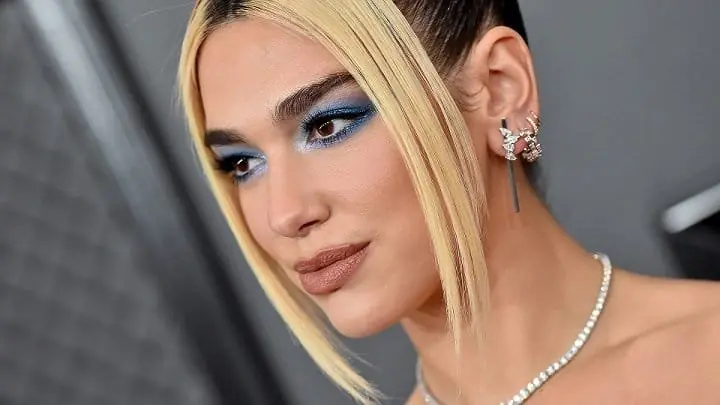
Metallic shadows are the quiet powerhouse of modern eye makeup, capable of turning a ten minute routine into a red carpet finish. Unlike matte shades
Metallic shadows are the quiet powerhouse of modern eye makeup, capable of turning a ten minute routine into a red carpet finish. Unlike matte shades that sit flat, metallics bounce light in every direction, adding dimension and making the eyes look larger and more luminous. If you have ever swatched one and wondered how to get that liquid mirror finish onto your lid without creasing or fallout, this guide is for you. Inside are five looks, the science behind reflective pigment, and pro application tricks.
If you have ever swatched a metallic shadow on the back of your hand and wondered how to translate that liquid-mirror finish onto your eyelid without creasing, fallout, or patchiness, this guide is for you. Over the next several thousand words, you will learn the science behind reflective pigments, the exact application techniques makeup artists use backstage at fashion week, five distinct looks you can recreate tonight, how to pair metallics with your eye shape and skin undertone, and the palettes, brushes, and primers that actually deliver runway results. Think of this as your complete education in shine, a pragmatic, skin-friendly, and genuinely wearable approach to the finish that continues to dominate beauty trends.
Why Metallic Eyeshadow Photographs and Wears Differently From Shimmer or Glitter
Reviewed by the BeautynFacts editorial team. Last updated: May 2026.
Before diving into application, it helps to understand what you are actually putting on your lids. The beauty industry tends to use the words shimmer, glitter, metallic, and satin interchangeably, but they describe very different particle structures, and knowing the difference is the fastest route to choosing products that do not disappoint.
Shimmer shadows contain tiny, finely milled reflective particles suspended in a larger base of matte pigment. They give the lid a soft, diffused sparkle rather than a solid reflective sheen. Glitter, on the other hand, uses larger chunky flakes, often polyester-based, that sit on top of the skin and reflect light in bright, scattered points. Glitter is dramatic but can travel, shed, and feel scratchy by the end of the night.
Metallic pigments live in a beautiful middle ground. They are typically built around ultra-fine pearl, mica, or synthetic fluorphlogopite particles that have been coated with reflective layers such as titanium dioxide, iron oxides, or silica. These platelets lie flat against the eyelid, almost like microscopic mirrors, which is why a true metallic finish looks wet, smooth, and uniform rather than sparkly. Synthetic fluorphlogopite, in particular, has become the gold standard for clean-beauty metallics because it produces brighter reflection than natural mica without the ethical concerns tied to mica mining.
This distinction matters for wear time. Because metallic particles are denser and flatter than shimmer flakes, they tend to stay put when applied correctly, and they photograph with an almost reflective quality rather than a sparkly one. That is why every celebrity closeup you screenshot from an awards show red carpet shows lids that look like polished chrome rather than disco balls.
The Prep Work That Separates Amateur Shimmer From Professional Shine
Ask any professional makeup artist what separates a metallic look that lasts twelve hours from one that creases by lunch, and they will all point to the same answer: preparation. The skin on your eyelids is among the thinnest on the entire body, averaging just 0.3 to 0.5 millimeters, and it produces natural oils, collects moisture, and moves constantly as you blink, smile, and speak. None of those conditions are friendly to loose reflective pigments.
Start with a thorough cleanse. Even if you washed your face an hour ago, a quick swipe with a micellar-soaked cotton pad over the lid removes the light sebum that has already resurfaced. Follow with a light eye cream if your skin tends toward dryness, but give it a full five minutes to absorb before you apply anything else. Eye cream sitting on top of the lid is the number one cause of shadow sliding and creasing.
Next, apply a dedicated eye primer. Face primer is not the same thing. Eye primers contain film-forming polymers and silica powders designed specifically to grip pigment and absorb the oil your eyelids produce throughout the day. Tap a pea-sized amount across the entire lid including the inner corner and brow bone, and let it set for thirty seconds until it feels tacky.
For metallics in particular, many artists follow primer with a cream base in a similar tone. A champagne cream shadow under a champagne metallic, for example, deepens the color payoff and gives the reflective particles something to cling to. If you do not own cream shadows, a concealer set with a light dusting of neutral powder serves as a workable alternative.
Choosing Between Wet and Dry Application
One of the easiest ways to intensify a metallic shadow is to apply it wet. Dampening your brush with a facial mist, a setting spray, or a dedicated mixing medium temporarily dissolves the binders in pressed powder and allows the pigment to lay down more densely, producing a foil-like finish.
To apply wet, spritz your brush lightly, blot once on a tissue so it is damp rather than soaked, then press the bristles firmly into the pan. Pat, do not sweep, the color onto the center of your lid. Let it dry for ten seconds before adding a second layer if needed. This technique works beautifully for the center-of-the-lid focal points you will learn about in the looks below.
The Tools That Make a Measurable Difference
You do not need an enormous brush collection, but three specific shapes will elevate every metallic look you attempt. A flat, dense synthetic packing brush is essential because natural bristles absorb too much pigment and scatter the flat metallic platelets you are trying to lay smoothly. A small, tapered precision brush, sometimes sold as a smudger or pencil brush, delivers pinpoint shine to the inner corner or lower lash line. A fluffy blending brush in natural hair finishes the edges so your metallic melts into surrounding matte shadows rather than stopping abruptly.
Many artists also swear by applying metallic pigments with a clean finger. Body heat slightly warms the product, the flat surface of the fingertip presses the platelets flush against the skin, and there is zero bristle fallout. For center-of-the-lid application, it is often the single best tool in your kit.
Look One: The Inner Corner Brightener for Wide-Awake Eyes
If you only ever learn one metallic technique, make it this one. A small, strategic pop of shine in the inner corner of the eye brightens the entire face, creates the optical illusion of wider-set eyes, and takes less than sixty seconds to execute. It works for every eye shape, every skin tone, and every occasion from a Monday morning Zoom call to a Saturday night dinner.
Choose a metallic in pearl, champagne, pale gold, or soft rose depending on your undertone. Cool undertones tend to look brightest in silver, pearl, and icy pink. Warm undertones come alive in gold, peach, and copper. Neutral undertones can wear almost anything, so consider the color of your outfit or the makeup you are wearing elsewhere on the face.
Using a small flat brush or a clean fingertip, press the pigment into the tear duct area, extending it slightly along the upper lash line toward the center of the lid and wrapping it just under the lower lash line for about a quarter of an inch. The shape you are creating looks like a tiny checkmark or a lowercase J lying on its side. Tap, do not drag, so the reflective particles stay concentrated where you placed them.
If you want this look to last through a long day, apply the pigment wet. Dip your brush into a setting spray or a few drops of water, blot, then press into the pan. The intensified payoff means you will not need to touch up by mid-afternoon.
Finish with one or two coats of lengthening mascara on the upper lashes only. Adding mascara to the lower lashes can visually pull the eye downward, which defeats the brightening purpose of the inner corner highlight. A curled upper lash framed by a tear-duct shimmer is the quietest, most flattering eye look in the modern makeup vocabulary.
Look Two: The Halo Eye for Maximum Dimension
The halo eye is the look you see on every major red carpet, and it is built on a simple geometric principle. By placing the brightest, most reflective point in the exact center of the lid and flanking it with darker shadow on either side, you create an optical illusion that makes the eye appear rounder, larger, and more three-dimensional. Think of it as contour for the eyelid.
Begin by mapping out the structure with a matte transition shade in a medium brown, taupe, or mauve. Using a fluffy blending brush, sweep this color through the crease in small windshield-wiper motions, building gradually until you have a soft gradient that sits just above the natural socket line. This is the canvas that will make your metallic pop.
Next, take a deeper matte or satin shadow, espresso, plum, or charcoal work beautifully, and pack it onto the outer third of the lid, pulling it slightly up into the outer crease to elongate the eye. Repeat the same dark shade on the inner third of the lid, keeping the application close to the lash line. You now have two dark bookends framing a bare center.
Load your flat packing brush with the metallic of your choice. Rose gold, bronze, antique silver, and deep emerald are all stunning here. Press the pigment directly onto the center of the mobile lid, focusing the most intense color on the pupil area. Use a clean blending brush to gently diffuse the seams where metallic meets matte, but do not over-blend. The halo effect depends on the reflective center staying bright.
Adjusting the Halo for Different Eye Shapes
Hooded eyes benefit from placing the matte transition shade slightly higher than your natural crease so that when your eyes are open, the gradient is still visible. Almond eyes can keep the dark bookends relatively symmetrical. Round eyes look particularly striking with a halo because the central shine accentuates the already open shape. Monolid eyes should use a more compact halo that stays close to the lash line, since the visible lid space is typically narrower when the eye is open.
Look Three: The Full Lid Statement for Main Character Energy
When you want maximum impact, full-coverage metallic across the entire mobile lid is the answer. This is the look that dominated the spring runways, that Zendaya wears to premieres, and that turns a little black dress into an event outfit. The key is commitment. A half-hearted metallic lid reads as patchy, but a fully saturated one looks intentional and editorial.
After priming and applying your cream base, pick up your metallic with a flat packing brush or a fingertip. Starting at the center of the lid, press the pigment outward in firm patting motions, reloading frequently. Work in thin layers rather than trying to deposit everything at once. Two or three thin layers consistently outperform one thick application because each layer gets a moment to adhere before the next goes on top.
Cover the entire mobile lid from lash line to crease, taking the color slightly beyond the outer corner for a subtle wing effect if you like. Blend the upper edge into a matching matte transition shade so the metallic does not have a harsh line where it stops.
For a modern full-lid look, skip the eyeliner. The saturated metallic hugs the lash line tightly enough that it functions as its own liner, and adding a black line on top often muddies the reflective finish. Instead, go straight to mascara, or, for extra drama, apply a strip of natural-looking wispy lashes.
The full-lid metallic pairs beautifully with a seventies-inspired beauty story: a bronzed cheek, a glossy nude lip, feathered brows, and tousled hair. It also works with the opposite approach, a clean skin finish, minimal cheek color, and a bold red or berry lip, for a more contemporary, editorial feel.
Look Four: The Smoked Metallic for Evening Glamour
A smoky eye traditionally uses only matte and satin shades, but swapping the central color for a metallic creates a version that reads as elevated, grown-up glamour. This is the look for black-tie events, winter holiday parties, and any night where you want the photographs to be worth framing.
Build the smoke first. Apply a medium matte transition shade through the crease, then layer a darker matte in the outer V and along the lower lash line. Smudge a soft black or deep brown kohl liner into the upper and lower lash lines, extending it just past the outer corner to begin the smoked shape.
With a small flat brush, pat a deep metallic, burgundy, bronze, forest green, or sapphire blue, onto the center of the lid. Because the surrounding smoke is so intense, the metallic needs to be saturated enough to hold its own. Apply it wet if necessary.
Diffuse the edges between metallic and smoke with a clean blending brush, using small circular motions. The goal is a seamless gradient from deep shadow to reflective center back to deep shadow. Smudge a touch of the same metallic along the lower lash line, just beneath the kohl, to echo the shine and tie the look together.
Color Pairings That Elevate the Smoked Metallic
Burgundy metallic over a charcoal smoke flatters green and hazel eyes by creating color contrast that makes the iris appear more vivid. Bronze metallic over a deep brown smoke is universally flattering and looks particularly striking on blue eyes. Forest or emerald metallic over a black smoke is one of the most underrated combinations in beauty, bringing out warmth in brown eyes that can otherwise look uniform under heavy makeup. Sapphire or navy metallic over a smoky black base reads as ultra-modern on every skin tone and photographs like a dream.
Look Five: The Subtle Tear Duct Kiss for Everyday Shine
If the full-lid statement feels like too much for a Tuesday, the tear duct kiss is your answer. This is metallic eyeshadow distilled to its most minimal, most wearable form, a single deliberate point of shine in the innermost corner of the eye, left completely unblended or only lightly diffused.
Do your base makeup as usual, including mascara. Then, using a small precision brush dampened with setting spray or plain water, pick up a pinch of metallic pigment. Press it into the tear duct in a shape that roughly mirrors the curve of your eye, extending it no more than a few millimeters onto the upper lid and an equal amount onto the lower.
Using a clean, dry precision brush, gently tap the outer edges of the metallic to soften them into the surrounding skin. You want the transition to look like a natural glow rather than a defined patch of color. The entire application should take less than thirty seconds.
This micro-look transforms a bare face into one that looks deliberately polished without reading as made-up. It is perfect for video calls, school drop-offs, lunch dates, and anywhere you want to look well-rested and put-together with minimal effort. Pair with groomed brows, a tinted lip balm, and a cream blush for an entirely unintimidating but genuinely elevated everyday face.
Matching Metallic Shades to Your Eye Color and Undertone
Color theory is not a strict rulebook in modern beauty, but it is a useful starting point when you are standing in front of a wall of palettes trying to decide which metallic to buy. The guiding principle comes from the color wheel: complementary shades, those that sit directly opposite each other, make eye colors look more vivid because the contrast amplifies both hues.
Blue eyes pop against warm complements: copper, bronze, peach, rust, and burnt orange. A warm metallic on a blue iris creates that unmistakable brightness you see in portrait photography. Green and hazel eyes come alive against burgundy, plum, mauve, and warm purples, all of which fall opposite green on the wheel. Brown eyes are the most versatile and look beautiful in virtually every metallic, but they truly glow in deep blues, navy, teal, and jewel-toned greens.
Skin undertone matters too. If the veins on your inner wrist look blue or purple, you lean cool and will find pearl, silver, icy pink, cool-toned plum, and sapphire the most flattering. If your veins look green, you lean warm and will look radiant in gold, copper, bronze, peach, and warm rose. If you cannot tell, you likely lean neutral and can experiment freely across the spectrum.
Deeper skin tones often look most striking in highly pigmented, saturated metallics: deep emerald, royal blue, antique gold, and rich bronze. Lighter skin tones tend to photograph best in softer metallics like champagne, rose gold, and soft pewter, though personal preference always trumps these general guidelines.
The Palettes Worth Investing In
Not all metallic shadows are created equal. The difference between a budget pressed powder and a professional-grade pigment often comes down to the ratio of pearl to binder in the formulation. Palettes worth their price tag invest in higher pigment loads and softer, more flexible binders that press into the skin rather than sitting on top.
The Pat McGrath Labs Mothership IX Huetopian Dream palette remains a gold standard for metallic finishes. The formulations use a proprietary blend McGrath developed during her years creating runway looks, and the reflective payoff is genuinely foil-like even applied dry. The shade range leans into unusual jewel tones that photograph exceptionally well.
The Iconic London Desk To Dance palette was engineered specifically for the transition from daytime neutrals to evening drama, and it contains some of the most wearable metallics on the market. The formulas blend easily with a brush or finger and produce a satin-to-metallic finish rather than chunky shimmer.
The Huda Beauty Naughty Nudes palette features a range of rose-toned metallics that flatter almost every skin tone. The pressed pearl formulas apply well both wet and dry, making the palette versatile across the five looks described above.
The Urban Decay Naked Cherry, Naked Honey, and Robin Eisenberg Naked palettes each offer well-edited selections of wearable metallics at a more accessible price point. For beginners or anyone building a first serious eyeshadow collection, these are reliable entry points.
Charlotte Tilbury’s Luxury Palettes, particularly the Pillow Talk and Walk of Shame versions, feature the brand’s signature buttery metallic finish that looks expensive without trying too hard. Natasha Denona’s Metropolis and Glam palettes contain some of the most densely pigmented metallics in the industry, though they reward a light hand and good brushes.
Troubleshooting the Most Common Metallic Shadow Problems
Even with the right products and techniques, metallic shadows can misbehave. Fallout, where flecks of pigment sprinkle down onto the cheeks during application, is the most frequent complaint. Prevent it by tapping excess powder off your brush before bringing it to the eye, by doing your eye makeup before your foundation so fallout can be brushed away without disrupting your base, and by holding a folded tissue beneath the lower lash line during application.
Creasing happens when the natural oils on your eyelid work their way up through the shadow and create a line where the lid folds. Prevent it by using a dedicated eye primer, by setting any cream products with a translucent powder before adding metallic, and by choosing pressed powder metallics over cream formulas if your lids tend toward oiliness.
Patchy application, where the metallic looks uneven or shows the skin through it, usually signals that you tried to apply too much product at once or that your brush was wrong for the formula. Switch to a flat, dense packing brush, apply in thin layers, and consider working the pigment on wet for a more foil-like deposit.
If your metallic looks dull rather than reflective, the problem is almost always the base. Flat, matte skin beneath a metallic will mute its brightness. Add a cream shadow or a dab of concealer under the metallic to brighten the canvas, and the reflective quality will come back.
How to Remove Metallic Shadow Without Damaging Your Lashes or Lids
The same flat, densely pigmented particles that make metallic shadow look beautiful on the lid can be stubborn to remove. Rubbing and tugging are the enemies of the delicate skin around the eyes, where aggressive removal over time contributes to the appearance of fine lines and loss of elasticity.
Start with a bi-phase eye makeup remover, the kind you shake before use to combine an oil layer and a water layer. The oil phase dissolves the waxes and silicones in metallic shadow while the water phase lifts away pigment. Saturate a cotton pad, press it gently over closed eyes for fifteen seconds to let the formula break down the product, then sweep downward without scrubbing.
Follow with a gentle cleanser to remove any residue, paying attention to the lash line and the inner corner where reflective particles tend to collect. A clean cotton swab dipped in remover handles any stubborn bits along the waterline. Finish with an eye cream or a light facial oil to replenish moisture lost during the removal process.
Frequently Asked Questions About Metallic Eyeshadow
Can I wear metallic eyeshadow if I have mature or crepey eyelids?
Absolutely, but with a few adjustments. Fine lines and textured skin can sometimes catch light unflatteringly when reflective particles settle into them. To counteract this, avoid chunky glitters in favor of finely milled metallic pigments, always use an eye primer to smooth the surface before application, and apply the metallic in smaller, more strategic areas such as the inner corner or center of the lid rather than across the full eyelid. Warm-toned metallics like champagne, rose gold, and soft bronze tend to look softer and more flattering on mature skin than cool silvers, which can emphasize texture.
What is the difference between a pressed metallic and a liquid metallic, and which should I choose?
Pressed metallic shadows are traditional powders that deliver buildable intensity and blend easily with matte shades. They work well for beginners because mistakes can be softened with a clean brush. Liquid metallics, including formulas like Stila Glitter and Glow or Danessa Myricks Infinite Chrome, contain reflective particles suspended in a fast-drying water or gel base. They produce the most intense, foil-like payoff but set quickly and are less forgiving of errors. If you are new to metallics, start with pressed formulas and graduate to liquids once you are confident in your placement.
Do metallic shadows work on oily eyelids, or will they crease within an hour?
Oily lids absolutely can wear metallic shadow beautifully, but preparation is non-negotiable. Cleanse the lid thoroughly to remove surface oil, apply a mattifying eye primer and let it set fully, and consider dusting a thin layer of translucent powder over the primer before adding any cream or powder shadow. A cream shadow base set with powder, followed by the pressed metallic pressed on firmly with a flat brush, creates the longest-wearing combination for oily eye areas. Touch up by pressing a clean fingertip lightly onto the lid if shine migrates during the day.
Can metallic shadow be worn during the day, or is it strictly for nighttime?
Metallic shadow is entirely appropriate for daytime when applied with a lighter hand. The inner corner highlight, the tear duct kiss, and a soft wash of champagne or soft gold across the lid all read as elegant rather than overdone under natural light. Save full-lid statements and deeply pigmented smoked metallics for evening when ambient lighting is warmer and softer and the reflective finish reads as appropriately glamorous rather than incongruous.
Are metallic eyeshadows safe for sensitive eyes and contact lens wearers?
Most modern metallic formulations are safe for sensitive eyes, but a few precautions reduce the risk of irritation. Avoid loose pigments and chunky glitters close to the waterline, as flakes can travel into the eye and cause discomfort. Choose brands that specifically test for ophthalmologist approval if you know you are reactive. Contact lens wearers should insert lenses before applying makeup to prevent pigment from contaminating the lens, and should remove lenses before cleansing to avoid washing particles into the eye.
How do I keep metallic shadow from transferring onto my brow bone or creasing throughout the day?
Transfer and creasing both come down to excess oil or moisture on the lid. After priming, consider setting the entire lid with a translucent powder that matches your skin tone before applying metallic. If you still experience transfer, look for metallic formulas marketed as long-wear or waterproof. A setting spray misted lightly over the finished eye look after application helps lock pigment in place and reduces the likelihood of movement over a long day or humid evening.
What is the single best way to intensify a metallic shadow I already own but find too sheer?
Wet application is the fastest and cheapest way to transform a sheer metallic into a saturated one. Lightly mist your flat packing brush with setting spray or a facial mist, blot on a tissue until damp, and press firmly into the pan. The moisture temporarily dissolves the binders in the pressed powder and allows more pigment to adhere to the brush. Pat, do not sweep, the color onto the lid and let it dry fully before adding a second layer. You will be astonished at how a shadow that looked mediocre dry suddenly reads as foil-like when applied wet.
Can I mix two metallic shades together to create a custom color?
Layering metallics is one of the most creative ways to use a palette. Apply the darker shade first across the lid, then tap a smaller, lighter metallic onto just the center of the lid to create a duochrome effect. You can also mix loose pigments with a few drops of mixing medium on the back of your hand to create entirely custom shades. Experimenting with layering unlocks dozens of looks from a single palette and helps you identify combinations that flatter your specific eye color and skin tone.
Bringing It All Together
Metallic eyeshadow is not reserved for makeup artists, celebrities, or people with steady hands and hours of free time. It is a democratic, endlessly adaptable finish that can live comfortably in a thirty-second morning routine or star in a full evening look, depending entirely on where and how you place it. The five looks above, the inner corner brightener, the halo eye, the full lid statement, the smoked metallic, and the tear duct kiss, are a foundation you can revisit for years, adjusting the colors, the intensity, and the pairings to match your mood, your outfit, and your life.
The principles that matter most are simpler than the beauty industry sometimes suggests. Clean, primed lids are the foundation of every lasting look. A flat, dense brush or a clean fingertip will outperform a fancier tool for pressing reflective particles into place. Wet application transforms sheer shadows into foil-like statements. Color theory offers useful starting points but should never override what makes your eyes look alive to you in the mirror. And the difference between a good metallic look and a great one is almost always patience: thin layers, proper drying time, and deliberate placement.
Start with one look this week. Perhaps the tear duct kiss for your next coffee date, or the halo eye for a dinner you have been looking forward to. Pay attention to how the reflective finish catches light as you move, how it changes in different rooms, how it photographs in selfies. The more you wear metallics, the more intuitive the technique becomes, until reaching for a shimmering shadow feels as natural as applying mascara. Your eyes were designed to catch light. Metallic shadows simply give them a little help.
RELATED ARTICLES:
Makeup for Glasses: Eye Looks That Stand Out Behind Lenses
Glitter eyeshadows: this is how you will wear the makeup trend of the moment Glitter is in.
Valentine’s Day 2023 Makeup Looks: Get Glam with These Show-Stopping Ideas for February!
Best Winter Eye Makeup Looks: 9 Stunning Styles to Try This Season
Blue Eyeshadow Makes a Comeback: How to Wear 2026’s Coolest Eye Color Trend
About The Author

COMMENTS