
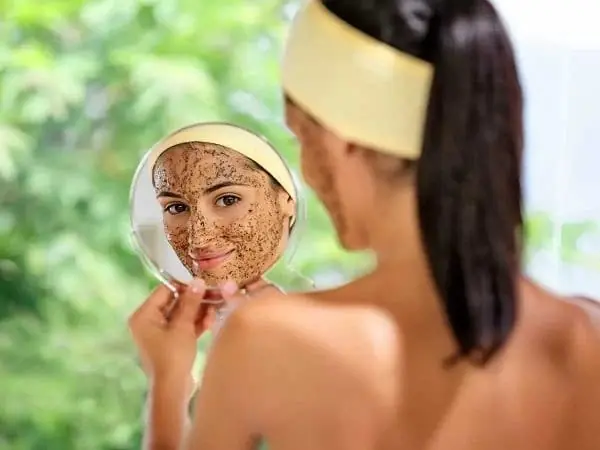
Brown sugar face pack recipes are among the gentlest at-home exfoliators, because the smaller, smoother granules buff away dead skin without the micro
Brown sugar face pack recipes are among the gentlest at-home exfoliators, because the smaller, smoother granules buff away dead skin without the microtears table sugar can cause. Brown sugar also carries natural glycolic acid and humectant properties, so it pairs beautifully with hydrating bases like honey or yogurt. This guide walks through three simple recipes, with the right ratios and frequency for softer, suppler skin.
Reviewed by the BeautynFacts editorial team. Last updated: May 2026.
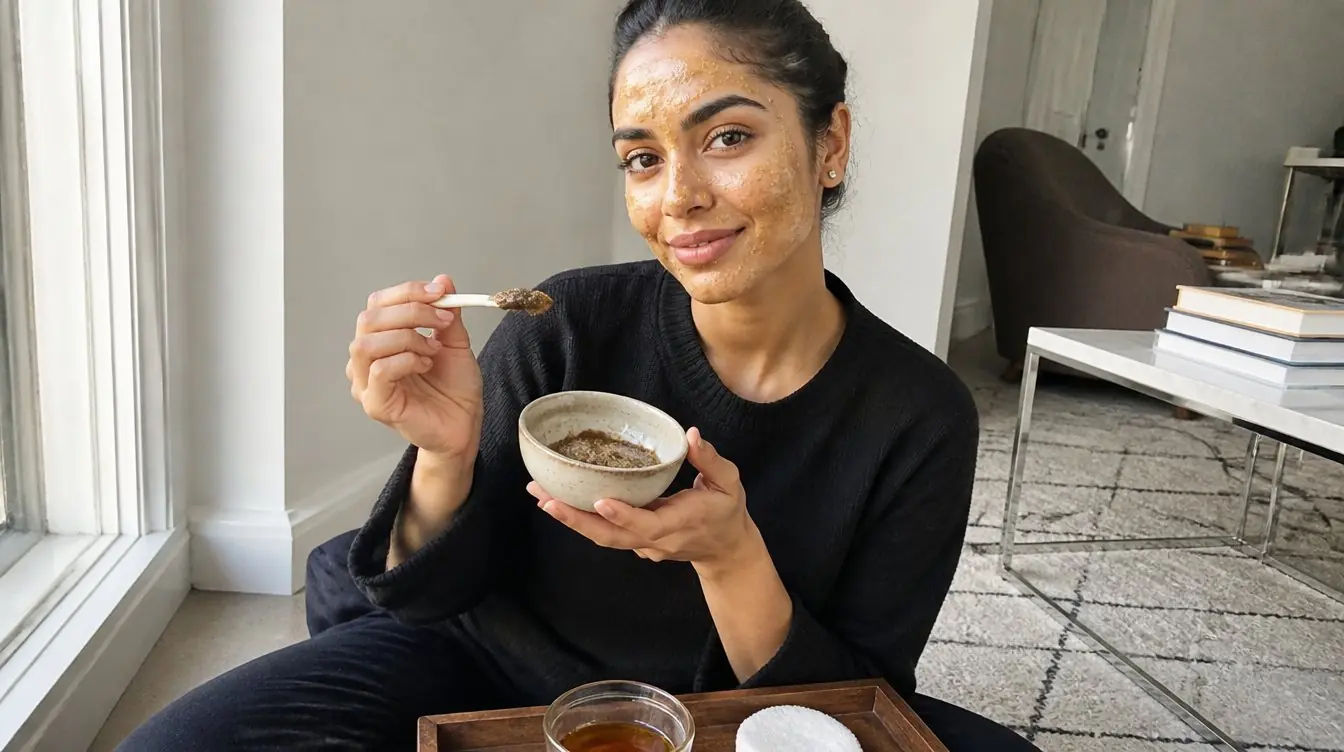
3 Brown Sugar Face-Packs For A Soft And Supple Skin
Your skin deserves more than empty promises from expensive product labels. The beauty industry floods shelves with serums and creams loaded with synthetic compounds, yet some of the most effective skincare solutions sit quietly in your kitchen pantry. Brown sugar face packs have earned a loyal following among skincare enthusiasts and dermatologists alike, and the reasons are firmly grounded in science. Brown sugar carries a unique combination of natural glycolic acid, humectant properties, and fine-grain texture that makes it a genuinely powerful tool for skin transformation. This guide covers everything you need to know about using brown sugar on your face, from the chemistry of how it works to three expertly formulated face packs that address exfoliation, hydration, and brightening. Each recipe is built around proven ingredient pairings, with detailed application instructions and science-backed explanations for why each combination works. Whether your skin feels dull, dry, rough, or uneven, these three formulations offer targeted solutions. You will also find guidance on proper skin preparation, aftercare routines, common mistakes to avoid, and answers to the most frequently asked questions. By the end of this article, you will have a complete, actionable skincare protocol using one of nature’s most effective and affordable ingredients.
A well-made brown sugar face pack is one of the easiest natural skincare rituals you can build from your kitchen. Brown sugar gently exfoliates, draws moisture into the skin via its glycolic acid content, and pairs beautifully with honey, yoghurt, and oils to brighten tone. These three recipes for brown sugar face packs cover every skin type.
The Science Behind Brown Sugar as a Skincare Ingredient
Why a Brown Sugar Face Pack Works on Every Skin Type
Brown sugar is not simply white sugar with added colour. It contains molasses, either naturally retained during the refining process or added back afterwards. This molasses content is what sets brown sugar apart as a skincare ingredient. Molasses is rich in vitamins B1, B2, B3, B6, and pantothenic acid. It also delivers meaningful concentrations of minerals, including calcium, magnesium, potassium, and iron. These nutrients contribute to skin cell function and overall skin health when applied topically.
Beyond its mineral content, brown sugar contains glycolic acid, a member of the alpha-hydroxy acid (AHA) family. Glycolic acid is naturally present in sugarcane, and brown sugar retains a small but active concentration of it. Glycolic acid gets into the top layer of skin and breaks the bonds between dead skin cells, speeding up the process of cell turnover. This is not a mechanical effect. It is a chemical one, which means brown sugar exfoliates on two levels simultaneously: physically, through its granule texture, and chemically, through glycolic acid activity.
Sucrose, the primary component of brown sugar, also acts as a natural humectant. Humectants draw moisture from the surrounding environment and bind it to the skin surface. This property means that using brown sugar on the face does not strip moisture the way harsh scrubs sometimes do. Instead, it deposits hydration while removing surface debris.
How Brown Sugar Interacts With Skin
The skin’s outer layer, called the stratum corneum, is made up of layers of dead keratinocytes that are held together by lipid structures. Over time, dead cells accumulate and create a dull, rough surface that reflects light poorly and absorbs skincare products less efficiently. Brown sugar addresses the issue directly. Its granules are water-soluble, which means they soften upon contact with damp skin. This softening prevents the micro-tearing that can occur with coarser scrub particles like walnut shell or apricot pit powder.
When massaged onto the skin, brown sugar granules physically dislodge the upper layer of dead cells while the glycolic acid begins loosening deeper cellular bonds. The result is smoother, brighter skin with improved texture and an enhanced capacity to absorb the moisturising and active ingredients that follow. Research published in dermatological literature consistently shows that regular AHA use improves skin texture, reduces hyperpigmentation, and increases collagen synthesis over time.
The skin also benefits from the pH-balancing effect of brown sugar. Healthy skin maintains a slightly acidic pH between 4.5 and 5.5. Many commercial cleansers disrupt this balance by being too alkaline. The mild acidity of brown sugar, contributed by its glycolic acid content, helps restore and maintain this optimal pH range after cleansing.
Brown Sugar Versus White Sugar in Skincare
White sugar is refined to remove all molasses content, leaving behind pure sucrose crystals. While white sugar still functions as a physical exfoliant and humectant, it lacks the vitamins, minerals, and glycolic acid concentration found in brown sugar. The additional nutritional profile of brown sugar translates to more comprehensive skin benefits in a single ingredient.
Brown sugar granules are also slightly finer and softer in texture compared to white granulated sugar. This makes brown sugar gentler on sensitive and combination skin. The molasses coating on each granule adds a layer of moisture to the scrubbing action, reducing friction and irritation. For facial use in particular, this textural difference matters. The face has thinner, more delicate skin than the body, and a gentler abrasive material is always preferable in facial formulations.
Key Benefits of Brown Sugar for Your Skin
Each brown sugar face pack you mix at home delivers benefits that store-bought scrubs rarely match.
Natural Exfoliation and Cell Renewal
Exfoliation is the foundation of almost every effective skincare routine. Without regular removal of dead skin cells, the complexion appears flat and lifeless, pores become congested, and active skincare ingredients cannot penetrate effectively. Brown sugar provides dual-action exfoliation that is safe for weekly or twice-weekly use on most skin types.
Physical exfoliation from the granules removes surface debris instantly. You will notice smoother skin texture immediately after the first use. The glycolic acid component begins working over a slightly longer timeframe, typically showing cumulative benefits after two to four weeks of consistent use. These include reduced appearance of fine lines, more even skin tone, and a natural glow that comes from having an unobstructed outer skin layer.
Regular exfoliation also improves the effectiveness of every other skincare product you use. Serums, moisturisers, and SPF products penetrate faster and work more efficiently on freshly exfoliated skin. Brown sugar face packs serve as both a treatment and a primer for the rest of your routine.
Deep Moisturisation and Skin Hydration
Dry skin is one of the most common skin concerns across all age groups. The skin’s ability to retain water decreases with age, environmental exposure, harsh cleansers, and seasonal changes. Brown sugar’s sucrose molecules attract and hold water molecules at the skin surface, providing immediate hydration alongside exfoliation.
This dual action is what separates brown sugar from most single-function skincare steps. Rather than exfoliating and then needing to immediately apply moisturiser to compensate for dryness, brown sugar leaves the skin in a hydrated state after treatment. When combined with deeply moisturising ingredients like honey, yoghurt, or coconut oil in face pack formulations, the hydration effect becomes even more pronounced and long-lasting.
Consistent use of brown sugar face packs contributes to improved skin barrier function over time. A stronger skin barrier retains moisture more effectively throughout the day, reducing the need for heavy moisturisers and preventing the tight, uncomfortable feeling associated with dehydrated skin.
Anti-Aging and Antioxidant Properties
Free radicals are unstable molecules generated by sun exposure, pollution, stress, and metabolic processes. They attack skin cells, damage collagen and elastin fibres, and accelerate the visible signs of aging including wrinkles, sagging, and uneven pigmentation. Antioxidants neutralise free radicals before they can cause cellular damage.
Brown sugar contains antioxidants derived from its molasses content, including phenolic compounds and flavonoids. While topically applied antioxidants work differently from ingested ones, they still provide a meaningful protective effect against environmental oxidative stress. Incorporating brown sugar face packs into your routine contributes to a cumulative antioxidant defence for your skin.
The glycolic acid in brown sugar also stimulates collagen production. Collagen is the structural protein responsible for skin firmness and elasticity. As collagen levels decline with age, the skin loses its bounce and firmness. Clinical studies have shown that using glycolic acid regularly stimulates fibroblast activity, which helps produce collagen, leading to better skin firmness and fewer fine lines over time.
Preparing Your Skin Before Applying a Brown Sugar Face Pack
Skin prep is what separates an OK experience with a brown sugar face pack from a transformative one.
Cleansing and Skin Prep
Applying a face pack to uncleansed skin reduces its effectiveness. Surface oils, sunscreen residue, makeup, and environmental pollutants create a barrier between the active ingredients and your skin. Before any face pack application, cleanse your face thoroughly with a gentle, pH-balanced cleanser suited to your skin type.
After cleansing, leave your skin slightly damp rather than completely dry. Brown sugar dissolves and activates more effectively on damp skin. The granules soften as they contact moisture, reducing the risk of irritation during the massage phase. Damp skin also allows the humectant ingredients to bind to water more readily, improving the hydration delivery of the treatment.
Remove all eye makeup carefully before applying any face pack. The area around the eyes has the thinnest skin on the face and is more prone to irritation from any exfoliating ingredient. Always apply face packs while avoiding the immediate eye area and the mucous membranes around the lips.
Steam Treatment for Enhanced Absorption
A one-to-two-minute steam treatment before applying a face pack opens the pores and increases blood circulation to the skin surface. This enhances the penetration of active ingredients and improves the thoroughness of the exfoliation. You can perform a simple steam treatment by leaning over a bowl of hot water with a towel draped over your head or by pressing a warm, damp towel against your face for 60 to 90 seconds.
Steam is particularly beneficial for those dealing with congested pores or blackheads. Softened, open pores respond better to the physical exfoliation of brown sugar granules, allowing for a more thorough cleanse. For those with rosacea or extremely sensitive skin, skip the steam step and simply use lukewarm water for cleansing instead. Heat can trigger flushing and worsen redness in reactive skin types.
Patch Testing and Skin Sensitivity
Even natural ingredients can cause reactions in sensitive skin. Before applying any new face pack formulation to your entire face, perform a patch test. Apply a small amount of the mixture to the inside of your wrist or behind your ear. Leave it for 15 to 20 minutes and then rinse. Wait 24 hours and check for any signs of redness, itching, or swelling.
Individuals with active acne, eczema flare-ups, rosacea, or sunburnt skin should avoid physical exfoliation until the condition has settled. Brown sugar is gentle, but any abrasive ingredient can aggravate already inflamed skin. In these cases, consult a dermatologist before introducing new topical treatments, even natural ones.
Those using prescription retinoids or high-concentration AHA products should be cautious about layering additional AHA sources on the same days they use their prescription treatments. Brown sugar’s glycolic acid content is mild, but combining multiple acid sources can increase sensitivity and the risk of over-exfoliation.
Brown Sugar and Honey Face Pack
Why Honey Works Alongside Brown Sugar
Raw honey is one of the most scientifically validated natural skincare ingredients available. Its effectiveness comes from multiple active mechanisms that work simultaneously. Honey is a natural humectant, drawing atmospheric moisture to the skin surface and preventing transepidermal water loss. This complements brown sugar’s own humectant properties, creating a synergistic moisturising effect that exceeds what either ingredient can deliver alone.
Honey contains hydrogen peroxide, produced by the enzyme glucose oxidase, which gives it measurable antibacterial properties. This makes the brown sugar and honey face pack particularly useful for acne-prone skin. The gentle antibacterial action helps reduce the bacterial load on the skin surface without disrupting the skin microbiome the way harsh antiseptic cleansers can. Honey also contains gluconic acid, another mild AHA that works alongside the glycolic acid in brown sugar to refine skin texture.
The anti-inflammatory compounds in honey, including flavonoids and phenolic acids, help soothe redness and calm reactive skin. For skin types that tend to look flushed or feel irritated after exfoliation, the honey component in this face pack provides a balancing, calming effect that makes post-treatment skin comfortable and visibly even-toned.
Step-by-Step Application Guide
Gather two tablespoons of brown sugar and one tablespoon of raw honey. Use raw or Manuka honey if available, as pasteurised honey loses some of its enzymatic activity during processing. Combine the ingredients in a small ceramic or glass bowl. Stir until the mixture forms a cohesive, slightly grainy paste. The honey should coat the sugar granules evenly.
Cleanse your face and leave it slightly damp. Using clean fingertips, apply the mixture across your forehead, cheeks, nose, and chin, avoiding the eye area and lips. Begin massaging the paste into your skin using small, gentle circular motions. Apply light pressure. Let the granules do the work rather than scrubbing aggressively. Continue massaging for two to three minutes, covering all areas of the face evenly.
After massaging, allow the pack to rest on your skin for an additional five minutes. This gives the honey and glycolic acid time to work on a chemical level beyond the physical exfoliation. Rinse thoroughly with lukewarm water, ensuring no granules remain in the hairline or around the nose. Pat your face dry gently with a clean, soft towel. Follow up with your usual moisturiser or face oil.
Expected Results and Frequency of Use
After the first use, you will notice that your skin feels smoother and looks brighter. The exfoliation removes the dull surface layer that scatters and absorbs light, while the honey leaves a soft, supple finish. With consistent use twice a week, most people observe significant improvements in skin texture, pore appearance, and overall radiance within three to four weeks.
This face pack is suitable for normal, dry, combination, and sensitive skin types. Those with oily skin may prefer to use it once to twice weekly. Avoid using this pack on the same days you use retinol or other acid-based treatments to prevent over-exfoliation. If you notice any persistent redness or irritation, reduce frequency to once per week.
Brown Sugar and Yogurt Face Pack
The Science Behind Lactic Acid and Skin
Plain yoghurt contains lactic acid, one of the best-studied AHAs in dermatology. Lactic acid has a larger molecular size than glycolic acid, which means it penetrates the skin more slowly and with less risk of irritation. This makes it an ideal exfoliating acid for sensitive skin types and for those new to acid-based treatments. The lactic acid in yoghurt works synergistically with the glycolic acid in brown sugar, providing a broader spectrum of AHA activity in a single treatment.
Lactic acid also has a unique advantage beyond exfoliation. It stimulates ceramide production in the skin. Ceramides are lipid molecules that form the skin barrier and are essential for moisture retention. Skin that has the right amount of ceramides is stronger, better hydrated, and less likely to be sensitive or irritated. Regular lactic acid use contributes to a structurally stronger skin barrier over time, which is why yoghurt-based face packs are particularly valued for chronically dry or dehydrated skin.
Yoghurt also contains probiotics, live bacterial cultures that have been shown in emerging research to support the skin microbiome when they are applied topically. The skin microbiome, a community of beneficial microorganisms living on the skin surface, plays a key role in immune defence, pH regulation, and protection against harmful pathogens. Supporting this ecosystem through topical probiotic exposure contributes to calmer, more balanced skin over time.
Step-by-Step Application Guide
Use two tablespoons of brown sugar and two tablespoons of plain, unsweetened yoghurt. Full-fat yoghurt is preferable for dry skin because of its higher lipid content. Low-fat yoghurt works well for oily or combination skin. Avoid flavoured or sweetened yoghurts, as added sugars and artificial ingredients can cause irritation and offer no skin benefits.
Combine the brown sugar and yoghurt in a small bowl and mix until you achieve a uniform, slightly thick consistency. Cleanse your face and leave it damp. Apply the mixture evenly across your face, working outward from the centre. Unlike the honey pack, which benefits from immediate massage, this pack should be applied and then left on the skin for 10 to 15 minutes before massaging. This resting phase allows the lactic acid and probiotics to begin their work before the physical exfoliation phase.
After the resting period, massage the mixture into your skin using gentle circular motions for 60 to 90 seconds. Focus on areas with uneven texture, dullness, or blemish marks. Rinse thoroughly with cool water, which helps close the pores and soothe any mild tingling. Pat dry and apply a hydrating toner or essence, followed by a moisturiser.
Who Should Use This Face Pack
The brown sugar and yoghurt face pack is particularly well-suited for individuals with dull, uneven skin tones. The combination of dual AHAs targets hyperpigmentation and post-acne marks more effectively than a single-acid treatment. Lactic acid is known to inhibit melanin production by interfering with tyrosinase activity, the enzyme responsible for pigment synthesis. Regular use can visibly fade dark spots and create a more uniform complexion over six to eight weeks.
This face pack also works well for those in their thirties and forties who are beginning to notice early signs of textural aging. Fine surface lines, enlarged pores, and loss of skin radiance all respond positively to the combined exfoliating, barrier-strengthening, and microbiome-supporting properties of this formulation. Apply this pack once or twice a week, always following with a broad-spectrum SPF the morning after, as AHA use increases sun sensitivity.
Brown Sugar and Coconut Oil Face Pack
Coconut Oil’s Role in Skin Health
Virgin coconut oil is rich in medium-chain fatty acids, primarily lauric acid, caprylic acid, and capric acid. Lauric acid makes up approximately 50 percent of coconut oil’s fatty acid profile and has well-documented antimicrobial properties. Studies have shown that lauric acid is effective against Cutibacterium acnes, the bacteria most associated with acne development. This makes coconut oil a strategic pairing with brown sugar for those dealing with breakouts alongside dryness or rough texture.
Coconut oil also forms an occlusive film on the skin surface. Occlusive agents prevent transepidermal water loss by creating a physical barrier that traps moisture within the skin. This is distinct from humectants, which attract moisture from outside. Brown sugar’s humectant properties combined with coconut oil’s occlusive properties create a two-stage moisturising system: the sugar draws moisture in, and the oil locks it there.
The phenolic compounds in virgin coconut oil contribute additional antioxidant protection. These compounds help neutralise free radicals on the skin surface and reduce oxidative stress caused by UV exposure and pollution. For those living in urban environments or spending significant time outdoors, this antioxidant layer provides a meaningful protective benefit as part of a regular skincare routine.
Step-by-Step Application Guide
Combine two tablespoons of brown sugar with one tablespoon of virgin coconut oil. Use cold-pressed, unrefined coconut oil for maximum nutrient content. Refined coconut oil has been processed at high temperatures, which degrades many of its beneficial compounds. If your coconut oil is solid due to cool temperatures, warm it slightly by placing the container in warm water for a few minutes. Do not microwave it, as excessive heat can further degrade its nutritional profile.
Mix the sugar and oil until the granules are evenly coated. Cleanse your face and leave it damp. Apply the mixture to your face and begin massaging immediately, as this pack benefits from the friction of massage, which warms the coconut oil and helps it absorb into the skin. Use upward, circular motions. Pay extra attention to areas prone to dryness such as the cheeks and around the mouth. Massage gently for two to three minutes.
Rinse with warm water and use a gentle face wash if needed to remove any residual oil. Pat dry and observe how the skin feels. You should notice immediate softness and a healthy, natural sheen. Apply a lightweight moisturiser if desired. For very dry skin, the coconut oil residue itself may provide sufficient moisture, and no additional moisturiser may be necessary.
Skin Types Best Suited for This Pack
The brown sugar and coconut oil face pack is best suited for dry, normal, and combination skin types. Coconut oil is comedogenic, meaning it has the potential to clog pores in those with naturally oily or acne-prone skin. Those with oily skin or frequent breakouts should proceed with caution or substitute coconut oil with a non-comedogenic oil, such as jojoba oil or rosehip oil, which offers similar moisturising benefits without the pore-clogging risk.
This pack is especially effective during colder months when the skin barrier is compromised by dry air and indoor heating. The deep occlusive moisture provided by coconut oil helps restore lipid levels in the skin barrier that are depleted by cold, windy conditions. Use this pack once a week during winter for sustained softness and protection.
Aftercare and Maximizing Your Results
Moisturizing After Exfoliation
Freshly exfoliated skin is more permeable and receptive to skincare products than non-exfoliated skin. This is one of the key reasons to follow a face pack with a quality moisturiser. The removal of dead skin cells creates a smoother surface and temporarily increases the skin’s absorption capacity. Applying a well-formulated moisturiser immediately after a face pack maximises its penetration and effectiveness.
Choose a moisturiser that is appropriate for your skin type. Dry skin benefits from cream-based formulations containing hyaluronic acid, ceramides, or shea butter. Oily skin responds better to lightweight gel moisturisers containing hyaluronic acid or niacinamide. Combination skin can use different products on different zones if needed. The most important principle is to moisturise consistently after every face pack application to seal in the hydration delivered during treatment.
Sun Protection After Treatment
Alpha-hydroxy acids, including the glycolic acid in brown sugar, increase the skin’s sensitivity to UV radiation. Exfoliated skin has a thinner outer layer, which means ultraviolet rays penetrate more readily and can cause more damage than they would on unexfoliated skin. Applying a broad-spectrum SPF 30 or higher sunscreen every morning after using a brown sugar face pack the night before is not optional. It is a non-negotiable part of the routine.
UV exposure on freshly exfoliated skin accelerates the formation of hyperpigmentation, the very problem that AHA treatments are often used to address. Skipping sun protection undermines the investment you are making in your skin through regular exfoliation. Use a sunscreen that offers both UVA and UVB protection. Reapply every two hours during extended outdoor activities.
How Often to Use Brown Sugar Face Packs
Frequency depends on your skin type and sensitivity. Most skin types tolerate brown sugar face packs twice a week. Sensitive or reactive skin should start with once a week and increase frequency only after confirming that the skin is responding well with no persistent redness or irritation. Over-exfoliation is a real concern that can damage the skin barrier, causing increased sensitivity, breakouts, and dryness.
Signs that you are exfoliating too frequently include persistent redness, tightness, increased breakouts, sensitivity to products you previously tolerated, and a shiny or raw-looking skin surface. If any of these symptoms appear, reduce exfoliation to once a week or pause for one to two weeks to allow the skin barrier to recover. Resume with a lighter hand and lower frequency.
Common Mistakes to Avoid With Brown Sugar Face Packs
Over-Exfoliation and Aggressive Scrubbing
The most common mistake people make with physical exfoliants is applying too much pressure. Scrubbing harder does not exfoliate more effectively. It increases friction, causes micro-abrasions in the skin surface, disrupts the acid mantle, and triggers inflammation. Gentle, circular motions with light pressure are all that is needed. Let the ingredient do the work, not the force of your hand.
Over-exfoliation strips away not only dead cells but also the healthy, living cells and lipids beneath them. This compromises the skin barrier, increases water loss, and creates a sensitised skin state that can take weeks to recover from. Stick to the recommended frequency and trust that consistent, gentle treatment delivers better results than intensive, aggressive sessions.
Using the Wrong Ingredient Combinations
Not all natural ingredients are safe to combine. Lemon juice is a popular addition to DIY face packs but should not be combined with brown sugar for facial use. Lemon juice has a pH of around 2, which is far too acidic for facial skin and can cause chemical burns, particularly when combined with the glycolic acid already present in brown sugar. Citrus oils and juices also contain compounds called furanocoumarins, which cause severe photosensitivity.
Essential oils require dilution before facial application. Adding undiluted essential oils such as tea tree, peppermint, or eucalyptus to a brown sugar face pack can cause irritation, chemical burns, or allergic reactions. If you want to enhance your face pack with essential oils, use no more than one to two drops per two tablespoons of base mixture, and ensure the oil is skin-safe and non-phototoxic.
Storage and Freshness of Homemade Face Packs
Homemade face packs do not contain preservatives. This means they have a very limited shelf life and should be made fresh for each use when possible. The honey-based pack can be stored in an airtight container in the refrigerator for up to three days, as honey’s antimicrobial properties provide some protection against bacterial growth. The yoghurt pack should always be made fresh, as yoghurt ferments and separates quickly and can harbour bacteria if left at room temperature.
The coconut oil pack can be prepared in a slightly larger batch and stored at room temperature in a clean, sealed jar for up to one week, provided no water enters the container. Water introduction into any oil-based product creates the conditions for bacterial and fungal growth. Always use clean, dry utensils when handling your face pack mixtures.
Frequently Asked Questions
Can brown sugar face packs be used on all skin types?
Brown sugar is gentle enough for most skin types, including dry, normal, combination, and sensitive skin. The granules are finer and softer than many commercial scrub beads and dissolve readily on contact with water, which reduces irritation risk. Those with very sensitive skin or conditions like rosacea, active eczema, or dermatitis should consult a dermatologist before introducing any physical exfoliant. Oily and acne-prone skin types can benefit from brown sugar exfoliation but should choose face pack partners carefully. The honey and yoghurt formulations are suitable for acne-prone skin, while coconut oil should be used with caution by those prone to breakouts, as it is moderately comedogenic.
How long does it take to see results from using brown sugar face packs?
You will notice an immediate improvement in skin texture and radiance after the first use. The physical exfoliation removes the dull outer layer of dead cells right away, leaving the skin visibly smoother and more reflective. Deeper improvements such as reduced hyperpigmentation, diminished fine lines, improved skin tone evenness, and enhanced firmness develop over consistent use. Most people observe noticeable changes in these areas after three to four weeks of twice-weekly application. Full results for pigmentation and texture correction typically emerge after six to eight weeks of regular use combined with consistent sun protection.
Is it safe to use brown sugar on the face during pregnancy?
Brown sugar itself is safe for topical use during pregnancy. The glycolic acid content in brown sugar is present in very small concentrations and is considered low-risk when applied topically and rinsed off. However, certain companion ingredients in face pack formulations may require more caution during pregnancy. Essential oils, for example, carry specific restrictions during pregnancy and should be avoided unless approved by a healthcare provider. The honey, yoghurt, and coconut oil formulations in this guide are all considered safe for topical use during pregnancy, but as with any new skincare introduction, discuss with your obstetrician if you have concerns. Avoid leaving any face pack on broken or compromised skin.
Can brown sugar face packs help with acne scars and dark spots?
Yes, and this is one of the most compelling reasons to use brown sugar regularly on the face. The glycolic acid component chemically exfoliates the upper skin layers, gradually making post-acne hyperpigmentation marks less deep and less visible. Lactic acid from yoghurt adds to this effect by inhibiting melanin production at the enzymatic level. The granules physically exfoliate the skin, which speeds up the turnover of skin cells and brings fresher, less pigmented skin cells to the surface more quickly. Consistent twice-weekly use over six to eight weeks produces visible lightening of post-acne marks and sun-induced dark spots. For deeper, pitted acne scars (atrophic scars), topical treatments, including brown sugar face packs, improve surface texture and discolouration but cannot alter the physical depression of the scar. Those cases typically require professional dermatological intervention.
What is the best time of day to apply brown sugar face packs?
Evening application is strongly recommended for brown sugar face packs. The glycolic acid content increases UV sensitivity, and applying an AHA treatment before sun exposure is counterproductive and potentially harmful. Applying the pack in the evening allows the skin to benefit from the exfoliation and active ingredients overnight, during the skin’s natural repair and regeneration cycle. Skin cell turnover, collagen synthesis, and barrier repair all occur at higher rates during sleep. This makes the nighttime window the most biologically appropriate time to apply exfoliating and nourishing treatments. After rinsing the pack, apply a nourishing night cream or face oil, and apply broad-spectrum SPF the following morning before going outside.
Conclusion
Brown sugar is far more than a pantry staple. It is a multi-functional skincare ingredient backed by chemistry, dermatological research, and centuries of use across global beauty traditions. Its combination of physical exfoliation, glycolic acid activity, and humectant properties makes it uniquely effective for improving skin texture, radiance, hydration, and long-term resilience.
The three face packs in this guide each target different skin needs. The brown sugar and honey pack offers gentle exfoliation with antibacterial and anti-inflammatory support. The brown sugar and yoghurt pack delivers dual AHA exfoliation alongside lactic acid’s brightening and barrier-strengthening benefits. The brown sugar and coconut oil pack provides deep occlusive hydration with antimicrobial protection, ideal for dry skin in need of intensive nourishment.
The key principles to carry forward are the following:
- Always apply face packs to cleansed, damp skin for best results.
- Use gentle circular motions and light pressure. Aggressive scrubbing causes damage, not improvement.
- Be consistent. Real skin transformation happens over weeks, not days.
- Protect your skin with SPF every morning following any exfoliating treatment.
- Make face packs fresh and store them properly to avoid bacterial contamination.
- Listen to your skin. Reduce frequency if you notice any signs of over-exfoliation.
Start with one face pack this week, preferably in the evening, and give your skin four weeks of consistent treatment before evaluating results. The ingredients are affordable, accessible, and backed by real science. Your skin has the capacity to transform. Brown sugar is one of the simplest, most effective ways to help it do exactly that.
RELATED ARTICLES:
Turmeric and Yoghurt Face Pack: The Ayurvedic Secret You Need in Your 2025 Skincare Routine!
For the ultimate skin exfoliation, try homemade sugar scrubs
Best Face Care Routine for Radiant Skin – Expert Tips & Skincare Secrets
Here Is How To Shave Your Face The Right Way—Without Nicks Or Cuts
30 Easy Beauty Tips to Improve Your Face, Skin, and Hair
About The Author

COMMENTS