Hair vitamins are one of the most over-marketed and under-explained categories in modern beauty, and the truth about which ones work lives in a smalle
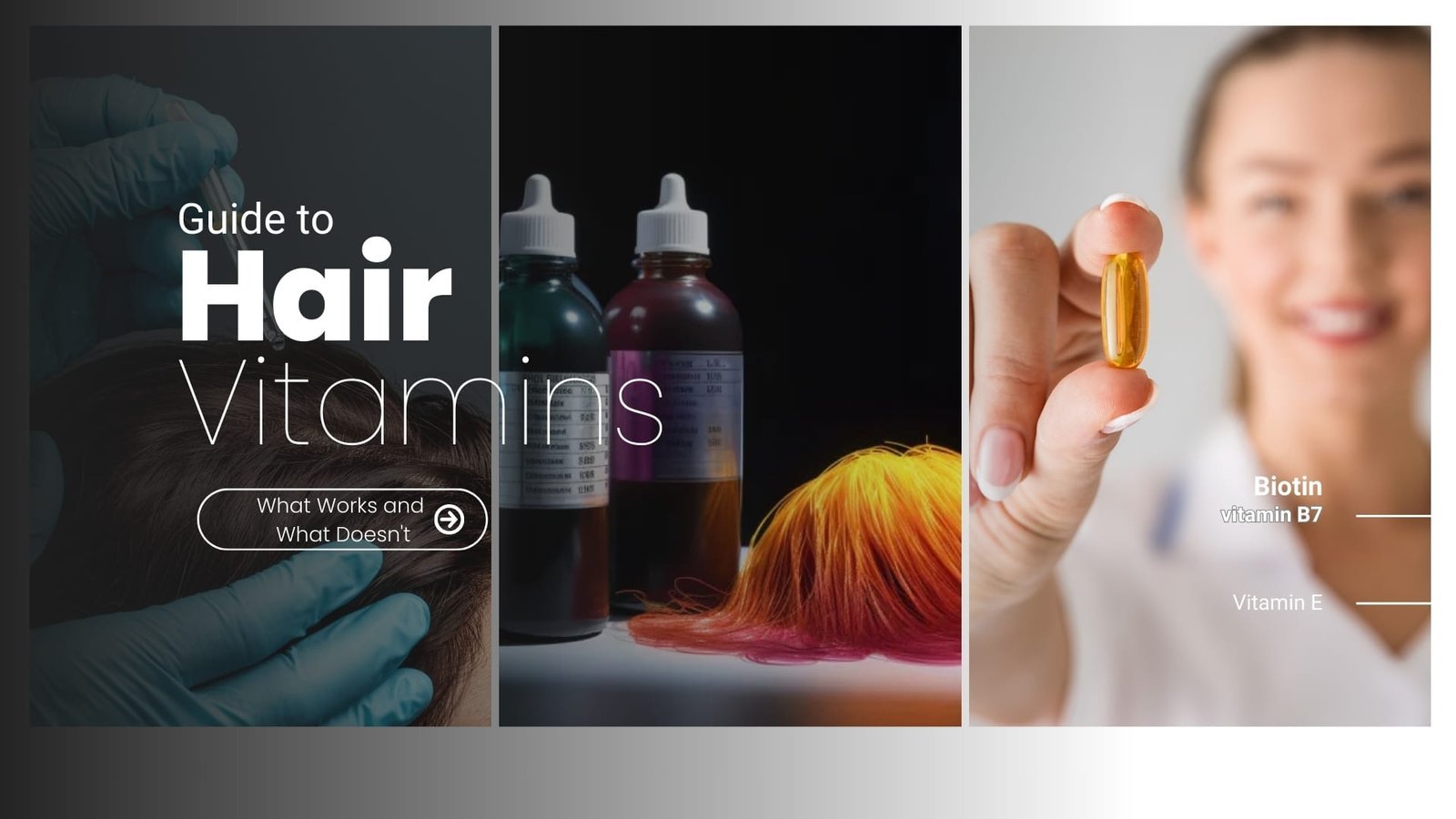
Hair vitamins are one of the most over-marketed and under-explained categories in modern beauty, and the truth about which ones work lives in a smaller list than the supplement aisle suggests. Hair vitamins genuinely help when an underlying deficiency exists, and they do nothing measurable when intake is already adequate. This guide walks through hair vitamins with the science for biotin, iron, zinc, vitamin D, and the more interesting newer entries, plus the food-first ways to get most of them without a bottle.
Reviewed by the BeautynFacts editorial team. Last updated: May 2026.

Understanding Hair Growth and Hair Loss
a. The Hair Growth Cycle:
Hair growth occurs in a cyclical process consisting of three phases: the anagen (growth) phase, the catagen (transition) phase, and the telogen (resting) phase. During the anagen phase, hair grows at an average rate of half an inch per month. This phase typically lasts between 2 and 7 years, after which the hair enters the catagen phase, a short transitional period lasting around 2-3 weeks. Finally, the hair enters the telogen phase, where it remains dormant for about 3-4 months before shedding and being replaced by new hair.
b. Factors Contributing to Hair Loss:
Hair loss can be attributed to various factors, including genetics, hormonal changes, nutrient deficiencies, stress, and certain medical conditions. Understanding the root cause of your hair loss is essential for identifying the most effective treatments and preventative measures.
Key Ingredients in Hair Vitamins
a. Biotin:
Biotin, also known as vitamin H or vitamin B7, is a water-soluble vitamin that plays a crucial role in the health of your hair, skin, and nails. Biotin deficiency can lead to hair thinning and brittle nails, and supplementation has been shown to improve hair growth in those with a deficiency.
b. Vitamin D:
Vitamin D is essential for hair follicle health, and deficiencies have been linked to hair loss. Adequate levels of vitamin D can support hair growth by stimulating the hair follicles and promoting a healthy hair growth cycle.
c. Vitamin E:
Vitamin E is an antioxidant that helps protect your hair from environmental damage, such as UV radiation and pollution. It also supports a healthy scalp by reducing inflammation and promoting circulation, which can contribute to hair growth.
d. Iron:
Iron is necessary for healthy hair growth, as it helps transport oxygen to your hair follicles. An iron deficiency can lead to hair loss, particularly in women with heavy menstrual cycles or those following a vegetarian or vegan diet.
e. Zinc:
Zinc is an essential mineral that plays a role in hair tissue growth and repair, as well as maintaining oil glands around the hair follicles. A deficiency in zinc can lead to hair loss, and supplementation may help improve hair growth in those with low zinc levels.
f. Folic acid:
Folic acid, also known as vitamin B9, is crucial for cell growth and regeneration, which directly impacts hair growth. A deficiency in folic acid can result in hair loss and slow growth, while supplementation may help promote healthy hair growth.
g. Omega-3 Fatty Acids:
Omega-3 fatty acids are essential for maintaining a healthy scalp and promoting hair growth. They help nourish and moisturise the scalp, reduce inflammation, and support hair follicle health.
Debunking Hair Vitamin Myths
a. Hair Vitamins as a Quick Fix:
It’s essential to understand that hair vitamins are not a magic solution for instant hair growth or overnight hair transformation. Hair growth takes time, and consistent supplementation is necessary for noticeable improvements.
b. Expensive Equals Effective
While some high-quality hair vitamins may come with a higher price tag, a more expensive product doesn’t always guarantee better results. It’s crucial to evaluate the ingredients and research behind the product rather than solely relying on its price.
c. All Hair Vitamins Are the Same:
Not all hair vitamins are the same. Different formulations contain various ingredients, concentrations, and quality levels, which can impact their effectiveness. It’s essential to research and choose a hair vitamin that addresses your specific hair concerns and contains proven ingredients.
How to Choose the Right Hair Vitamins for You
a. Identifying Your Hair Concerns:
Before selecting a hair vitamin, it’s crucial to identify your specific hair concerns and goals. This will help you choose a product that targets your needs and provides the best results.
b. Consulting with a Professional:
Speak with a healthcare professional, such as a doctor, nutritionist, or trichologist, for personalised advice on hair vitamins and supplements. They can help you determine whether supplementation is necessary and recommend the most suitable products based on your individual needs.
c. Reading Labels and Reviews:
When choosing a hair vitamin, take the time to read the product labels and research the ingredients. Look for products with clinically proven ingredients and positive customer reviews to ensure you’re investing in a reputable and effective supplement.
Integrating Hair Vitamins into Your Hair Care Routine
a. Proper Dosage:
Follow the recommended dosage guidelines on the hair vitamin packaging, as excessive amounts of certain vitamins and minerals can lead to adverse side effects. Consult with a healthcare professional if you’re unsure about the appropriate dosage for your needs.
b. Consistency is key:
To achieve optimal results, it’s essential to be consistent with your hair vitamin supplementation. Keep in mind that improvements in hair growth and health may take several months to become noticeable.
c. Complementing Your Hair Care Regimen:
In addition to taking hair vitamins, ensure that you’re following a well-rounded hair care regimen, including regular haircuts, using quality hair products, and maintaining a balanced diet rich in nutrients that support hair health.
Conclusion
Hair vitamins can be a valuable addition to your hair care routine, particularly if you’re experiencing hair loss or have specific hair concerns that can be addressed through targeted supplementation. By understanding the key ingredients in hair vitamins, debunking common myths, and selecting the right product for your individual needs, you can support healthy hair growth and enjoy stronger, more vibrant hair. Remember to consult with a healthcare professional before starting any new supplement regimen and maintain consistency for the best results.
Frequently Asked Questions About Hair Vitamins
Do hair vitamins actually work or is it marketing?
Hair vitamins genuinely work when an underlying deficiency exists in iron, zinc, vitamin D, biotin, or protein intake. If your bloodwork is clean and your diet covers the basics, an extra hair vitamin gummy will not push growth past your genetic ceiling. The category is heavily marketed, and most before-and-after photos hide the variables of better sleep, less stress, and a kinder hair-styling routine that ran alongside the supplements. Test your levels before spending.
How long does it take to see results from hair vitamins?
Hair grows roughly a quarter to half an inch a month, so visible length change from any hair vitamin needs three to six months of consistent intake. Shedding usually slows down sooner, often around eight to twelve weeks, because the follicle responds to nutritional support before the new growth reaches the surface. If nothing has changed after six months and your levels were originally low, recheck bloodwork rather than doubling the dose, which can backfire on minerals like iron and zinc.
Is biotin really the magic ingredient in hair vitamins?
Biotin is the most marketed hair vitamin and one of the least useful for people without an actual biotin deficiency, which is rare. Biotin is widely found in eggs, nuts, seeds, and salmon, and intake levels are almost always sufficient on a normal diet. Megadose biotin can also interfere with thyroid blood tests and cardiac troponin readings, leading to false results. Skip standalone biotin supplements unless a doctor flagged a deficiency and look for iron, zinc, and vitamin D first.
Can hair vitamins cause acne or breakouts?
Yes. Very high doses of biotin and certain B-complex hair vitamins can trigger or worsen acne by altering sebum production and increasing keratin in pores. The reaction usually shows up as small clusters of cystic spots on the chin and jaw within four to six weeks of starting a high-strength formula. Stop the supplement, give it eight weeks for the acne to settle, and switch to a multivitamin without megadose biotin if you still want supplementation support.
Should you take hair vitamins during pregnancy?
Prenatal vitamins already cover most of the nutrients hair vitamins claim to deliver, so stacking a separate hair supplement on top is usually unnecessary and risks pushing fat-soluble vitamins like A into harmful territory. Pregnancy hair often looks fuller anyway because oestrogen extends the growth phase. After delivery, a temporary surge in shedding is normal as those extended hairs cycle out. Talk to your obstetrician before adding any hair vitamin beyond the prescribed prenatal.
What is the best food-first approach instead of hair vitamins?
A food-first strategy beats most hair vitamin gummies. Aim for protein at every meal, iron from red meat, lentils, or dark leafy greens with vitamin C for absorption, omega-3 from fatty fish or flax, zinc from pumpkin seeds or chickpeas, and vitamin D from sunlight or fortified foods. A diet that covers these consistently supports hair density and shine more reliably than a supplement, and it sidesteps the absorption and dose issues that come with pills.
RELATED ARTICLES:
Trim Split Ends Regularly for Healthier, Stronger Hair: The Exact Schedule That Works
Make Curly Hair Beautiful and Frizz-Free in 2025: A Weather-Smart Routine That Actually Works
Struggling with Acne & Flaky Scalp? Top Skin & Hair Triggers Women Must Avoid in 2025!
Glass Hair in 2026: The Products and Techniques for a Frizz-Free, Mirror-Like Finish That Lasts
MOB WIFE HAIR: HOW TO GET THE VOLUMINOUS, LIVED-IN LOOK EVERYONE’S OBSESSING OVER
About The Author

COMMENTS