
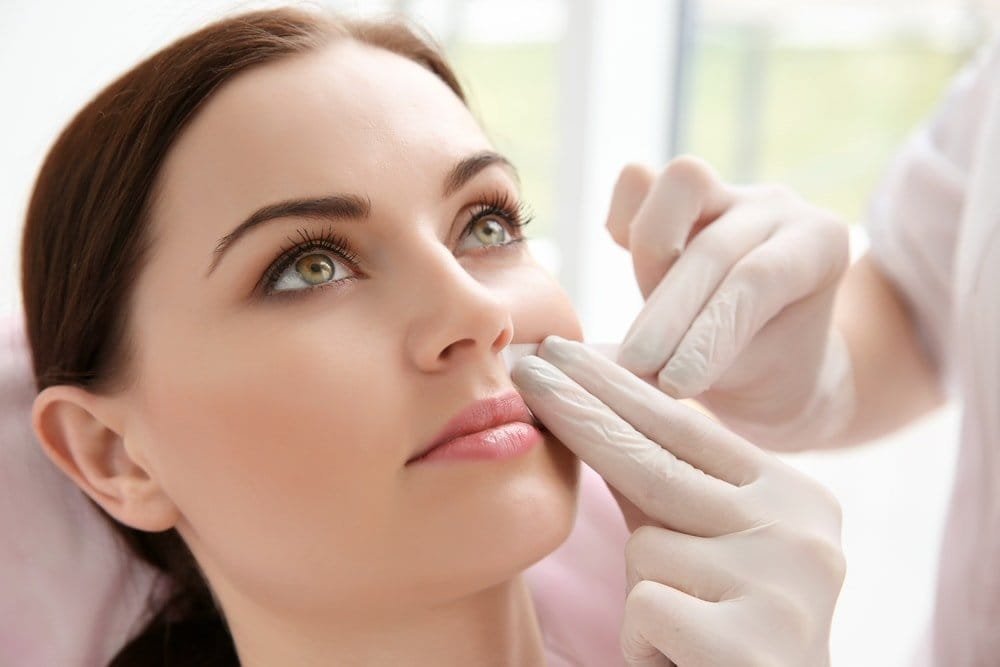
Waxing hair refers to the semi-permanent hair removal method that involves the use of warm or hot wax to remove unwanted hair from the root. The pop
Waxing hair refers to the semi-permanent hair removal method that involves the use of warm or hot wax to remove unwanted hair from the root. The popularity of waxing as a hair removal method has grown in recent years due to its effectiveness in removing hair for longer periods of time compared to other methods such as shaving. In this article, you can expect to learn about the various types of waxing, the benefits and drawbacks, and tips for getting the best results from a waxing session. Additionally, the article will cover important safety considerations and after-care instructions for maintaining smoothness and avoiding irritation or infection after the waxing process.
Reviewed by the BeautynFacts editorial team. Last updated: May 2026.

What is waxing?
Waxing is a method of semi-permanent hair removal that has been used for centuries. The history of waxing can be traced back to ancient civilizations such as the Egyptians and Greeks who used a variety of natural waxes, such as honey and sugar, to remove unwanted hair.
Waxing is done by applying melted or heated wax to the skin, followed by the application of a strip of cloth or paper. The wax hardens and adheres to the hair and cloth, which is then quickly pulled off, removing the hair from the root. There are two main types of wax: warm wax and hot wax. Warm wax is heated to a temperature that is warm to the touch and is usually applied with a spatula. Hot wax is heated to a higher temperature and is applied directly to the skin.
Waxing is a popular hair removal method because it removes hair from the root, causing it to grow back slower and finer than with other methods such as shaving. It also provides a smooth finish that lasts for several weeks. Waxing can be performed on a variety of body parts, including legs, arms, underarms, the bikini area, and the face.
It is important to note that waxing can cause discomfort and pain, especially for individuals with sensitive skin or those undergoing waxing for the first time. Before getting a waxing session, it is recommended to exfoliate the skin to remove dead skin cells and to ensure a smoother, less painful process. It is also important to seek a professional and to use high-quality waxing products to minimize the risk of skin irritation or infection.

Benefits of waxing
Waxing provides a number of benefits over other hair removal methods, such as:
Long-lasting results: Waxing removes hair from the root, causing it to grow back slower and finer. This means that the results can last for several weeks, making waxing a more convenient and cost-effective option compared to other hair removal methods that require frequent maintenance.
Smoother skin: Waxing removes hair and dead skin cells, leaving the skin feeling smooth and silky. This effect can last for several weeks and can also improve the appearance of ingrown hairs.
Cost-effective: While waxing can be more expensive than other hair removal methods in the short term, its long-lasting results make it a more cost-effective option in the long run.
Versatile: Waxing can be performed on a variety of body parts, including legs, arms, underarms, the bikini area, and the face.
Minimizes hair growth: Regular waxing can reduce hair growth over time, making it an ideal option for individuals looking for a permanent solution to unwanted hair.
Can be performed at home or in a salon: Waxing can be performed at home with over-the-counter waxing products or in a professional salon with the help of a trained esthetician.
exfoliating effect: In addition to removing hair, waxing also removes dead skin cells, providing an exfoliating effect that can improve the overall appearance and health of the skin.
These benefits make waxing a popular and effective option for individuals looking for a semi-permanent solution to unwanted hair. However, it is important to seek a professional and to follow after-care instructions to minimize the risk of skin irritation or infection.

How to Apply Waxing
Here is a step-by-step guide on how to apply waxing:
Preparation: Before waxing, it is important to clean and exfoliate the skin to remove any dead skin cells. This will help to minimize the risk of skin irritation and ensure a smoother, less painful process. It is also important to let the hair grow to the appropriate length for waxing, usually about ¼ inch, to ensure effective hair removal.
Choose the right wax: There are two main types of wax: warm wax and hot wax. Warm wax is heated to a temperature that is warm to the touch and is usually applied with a spatula. Hot wax is heated to a higher temperature and is applied directly to the skin. Choose the right wax for your skin type and sensitivity.
Heat the wax: Follow the manufacturer’s instructions to heat the wax to the appropriate temperature. If using hot wax, test the temperature on the inside of your wrist to ensure it is not too hot.
Apply the wax: Using a spatula, apply a thin layer of warm wax in the direction of hair growth. If using hot wax, apply the wax directly to the skin in the same direction as hair growth.
Apply the cloth or paper strip: Quickly place a strip of cloth or paper over the wax, pressing down firmly. Rub the strip in the direction of hair growth to ensure that the wax adheres to the hair.
Pull off the strip: Hold the skin taut with one hand and quickly pull the strip off in the opposite direction of hair growth. Repeat the process for each area until all the desired hair has been removed.
Clean the skin: After waxing, clean the skin with a gentle cleanser to remove any residual wax and to soothe any irritation.
Moisturize: Apply a moisturizer to the skin to hydrate and soothe the skin.
It is important to note that waxing can cause discomfort and pain, especially for individuals with sensitive skin or those undergoing waxing for the first time. To minimize the risk of skin irritation, it is recommended to use high-quality waxing products and to seek a professional for your first waxing session.
Maintenance and Care of Waxing
Here are some tips for maintaining and caring for your waxed skin:
Avoid hot water: After waxing, avoid hot showers, baths, and saunas for at least 24 hours to minimize the risk of skin irritation.
Avoid tight clothing: Wear loose, comfortable clothing to avoid rubbing or irritating the waxed skin.
Exfoliate regularly: Exfoliate the waxed skin regularly to prevent ingrown hairs and to keep the skin smooth.
Moisturize: Moisturize the waxed skin daily to prevent dryness and to soothe any irritation.
Wait between waxing sessions: Wait at least 24 hours before engaging in physical activity and at least 3-4 days before exposing the waxed skin to direct sunlight.
Avoid certain products: Avoid using products that contain fragrances, alcohol, or other harsh chemicals on waxed skin, as these can cause irritation.
Wait for hair growth: Wait for hair to grow to the appropriate length, usually about ¼ inch, before your next waxing session to ensure effective hair removal.
Seek a professional: If you are new to waxing or if you have sensitive skin, it is recommended to seek a professional for your first few waxing sessions to minimize the risk of skin irritation.
By following these tips, you can maintain and care for your waxed skin to ensure optimal results and to minimize the risk of skin irritation. However, if you experience any adverse reactions or skin irritation after waxing, seek medical attention immediately.
In conclusion, waxing is a popular method of hair removal that involves the use of warm or hot wax to remove hair from the roots. It provides several benefits over other hair removal methods, including longer-lasting results and smoother, less irritated skin. To achieve optimal results, it is important to choose the right wax for your skin type and sensitivity, to follow a proper waxing routine, and to maintain and care for your waxed skin.
In this article, we covered the basics of waxing, including its history, benefits, and proper application and maintenance. We have also provided tips and tricks to make the waxing process easier and more effective.
For those who are interested in trying waxing, it is important to seek a professional for your first few sessions, especially if you have sensitive skin. Additionally, it is important to follow all of the recommended care and maintenance tips to ensure optimal results and to minimize the risk of skin irritation.
In conclusion, waxing is an effective and long-lasting method of hair removal that provides many benefits over other methods. With proper application and maintenance, waxing can provide smooth, hair-free skin for weeks or even months.
Frequently Asked Questions About Waxing
Is waxing actually better than shaving or other hair removal?
Waxing removes hair from the root, producing smoother skin for two to four weeks compared to shaving’s one to three days. Over time, regular waxing can lead to finer, less dense regrowth. Shaving is faster and cheaper but produces stubble within forty-eight hours and can cause razor burn and ingrown hairs. Laser hair removal offers longer-lasting reduction but requires multiple expensive sessions. Waxing strikes a balance for many people, though it requires regrowth before each session and produces more discomfort than shaving.
How long does waxing last compared to shaving?
Waxing keeps skin smooth for two to four weeks for most people, depending on hair growth rate, body area, and consistency of treatment. Shaving results last one to three days before stubble appears. Body areas with thicker hair like underarms regrow faster than fine areas like arms. Regular waxing over many months can extend the smooth window because hair grows back finer and more sparsely. First-time waxing produces the shortest results because all hairs were at different growth stages.
Does waxing reduce hair growth over time?
Yes, with consistent waxing every four to six weeks over many months, most people experience finer, lighter, and less dense hair regrowth. Repeatedly removing hair from the follicle can weaken the follicle over years, leading to permanent reduction in some cases. However, the timeline varies by person, body area, and hair colour. Coarser darker hair on areas like the bikini line and underarms often shows the most reduction. Less dense fine hair on arms or legs may not change much. Patience and consistency matter.
What is the best way to prepare for a wax appointment?
Let hair grow to at least one quarter to half an inch (around 6 to 12 millimetres) before the appointment so the wax can grip properly. Avoid sun exposure and tanning for forty-eight hours beforehand. Gently exfoliate the area two days before. Skip retinoids on the area for at least a week prior. Wear loose clothing to the appointment to avoid friction afterward. Avoid caffeine before the session, since it can increase sensitivity. Take an over-the-counter pain reliever thirty minutes prior if you are highly sensitive.
Can you wax at home or should you go to a professional?
Both work depending on the body area and your skill. Larger flat areas like legs and arms are forgiving for home waxing kits, while smaller and sensitive areas like the bikini line, face, and underarms tend to need a professional for best results. Quality at-home kits with proper instructions can produce salon-quality results with practice. The downside of DIY waxing is technique mistakes that can cause bruising, broken hair, or skin damage. Professional waxing is faster, less painful when done correctly, and more reliable.
Does waxing hurt and how can you minimise the pain?
Yes, waxing is more painful than shaving, especially in sensitive areas like the bikini line, underarms, and face. Pain decreases significantly with repeated sessions as hair becomes finer and the body adjusts. Schedule appointments mid-cycle rather than during your period for less sensitivity. Take a mild pain reliever thirty minutes beforehand. Avoid caffeine, alcohol, and stimulants on the day. Communicate with your waxer about pain levels; they can adjust technique. Quality waxes and skilled technicians make a significant difference in comfort.
RELATED ARTICLES:
Honey to Remove Blemishes: Benefits, Methods and DIY Face Recipes
How to Make Your Own Reusable Makeup Remover Pads: Sew & No-Sew Methods in 20 Minutes
The Biggest Makeup Trends to Watch Out For in 2026
THE SOFT WHIMSICAL MAKEUP TREND TAKING OVER PINTEREST IN 2026
Cloud Skin vs Glass Skin in Indian Humidity: Beauty Tips to Choose the Finish That Actually Lasts
About The Author

COMMENTS