










Quick answer: Niacinamide is a water-soluble form of vitamin B3 that strengthens the skin barrier, fades hyperpigmentation, reduces excess oil and t
Quick answer: Niacinamide is a water-soluble form of vitamin B3 that strengthens the skin barrier, fades hyperpigmentation, reduces excess oil and the look of pores, and calms redness. It suits every skin type, works best at 5 percent (the range is 2 to 10 percent), and layers safely with most other actives, including vitamin C, retinol, and hyaluronic acid. Most people see visible results in 8 to 12 weeks of consistent daily use.
Few skincare ingredients have earned the kind of universal praise that niacinamide commands among dermatologists, cosmetic chemists, and aestheticians. This quiet overachiever sits in serums, moisturisers, toners, and sunscreens across every price bracket, and for good reason. It refines pores, fades dark spots, calms redness, strengthens the moisture barrier, and pairs politely with nearly every other active on the shelf. If you have spent hours scrolling through skincare forums, you have probably seen it mentioned in glowing terms by people with oily skin, dry skin, sensitive skin, and aging skin alike. That kind of consensus is rare in beauty.
This guide walks you through the science, the results, and the smart way to use niacinamide without wasting money on formulas that underperform. You will learn how it works at a cellular level, what concentration to look for, how to stack it with other actives like retinol and vitamin C, and which textures suit your skin type. You will also find answers to the questions people ask most often, including the one about whether niacinamide really cancels vitamin C (spoiler: the old warning was a myth). Let us begin.
What Niacinamide Actually Is
Niacinamide, also called nicotinamide, is a water-soluble form of vitamin B3. The body cannot produce it, so you meet your daily requirement through food or supplements. In skincare, the molecule is prized for a simple reason. It is small, stable, and comfortable on the skin, which means it penetrates the outer layers easily and plays well with most complexions.
Published · Updated
How It Differs From Niacin
Niacin and niacinamide are both forms of vitamin B3, but they behave differently. Niacin, also known as nicotinic acid, can cause a flushing reaction when applied to the skin or taken in high oral doses. Niacinamide does not. The body can convert between the two, yet for topical use, brands choose niacinamide because it delivers benefits without the redness or tingling. When a label lists vitamin B3, it almost always means niacinamide.
Where You Find It Naturally
Niacinamide appears in fish, poultry, eggs, whole grains, legumes, nuts, and leafy greens. A balanced diet keeps internal stores healthy, which supports skin from the inside. That said, eating salmon will not deliver a targeted dose to the stubborn dark spot on your cheek. Topical application is the way to reach specific skin concerns at a useful concentration, usually between two and ten percent.
The Full Range of Benefits for Skin
Niacinamide is often described as a multi-tasker, and that is not marketing fluff. Clinical studies back up its reputation across several distinct skin concerns. Here is what the research supports, explained without the jargon.
Strengthens the Skin Barrier
Your skin barrier is the outermost layer of cells held together by lipids, a bit like bricks and mortar. When the barrier weakens, water escapes, irritants slip in, and the skin reacts with redness, flaking, or stinging. Niacinamide increases the production of ceramides, which are the key lipids in that mortar. Studies show that, over weeks of consistent use, transepidermal water loss decreases measurably. In simple terms, your skin retains moisture more effectively and is less reactive. People who break out in rashes from fragrance, cold weather, or even showering in hot water often see the biggest gains here.
Fades Hyperpigmentation and Evens Tone
Dark spots form when melanin, the pigment that gives skin its colour, clusters in specific areas after inflammation, hormonal shifts, or sun exposure. Niacinamide interrupts the transfer of melanosomes, the tiny packets that deliver melanin to surface cells. It does not bleach the skin or damage melanocytes. It simply slows the delivery line. Research on five percent niacinamide shows visible lightening of age spots and post-inflammatory marks within eight to twelve weeks. The effect is gentle and gradual, which suits people who react to stronger brighteners like hydroquinone.
Reduces Oil Production and Pore Appearance
Oily skin types often chase a matte finish with stripping cleansers, which backfire by signalling the sebaceous glands to produce even more oil. Niacinamide takes a smarter approach. It regulates sebum output at the source, which keeps skin shine-free without dehydration. Smaller pores are a downstream benefit. Pores stretch when they fill with oil and debris, so reducing oil volume lets them relax and appear tighter. Expect subtle refinement rather than a dramatic change, since pore size is largely genetic.
Calms Redness and Inflammation
Rosacea, eczema, and acne all share one underlying trigger, which is inflammation. Niacinamide quiets inflammatory pathways by blocking cytokines, the chemical messengers that tell skin to flare up. For people managing sensitive conditions, its safety makes it one of the few actives that can be used daily without provoking a reaction. Dermatologists often recommend it alongside prescription treatments to offset irritation.
Supports Collagen and Firmness
Collagen production declines about one percent per year starting in your mid-twenties. Niacinamide stimulates fibroblasts, the cells that weave new collagen fibres. It also protects existing collagen from glycation, a process where sugar molecules attach to proteins and stiffen them. The result is skin that holds its bounce and resists the slackening that shows up first on the cheeks and jawline.
Defends Against Environmental Damage
Free radicals from pollution, ultraviolet rays, and blue light oxidise skin cells, accelerating ageing and dulling the complexion. Niacinamide neutralises some of these radicals directly and boosts the skin’s own antioxidant defences. Oral nicotinamide tablets have been studied for lowering the risk of non-melanoma skin cancers in high-risk patients, but those results do not apply to skincare serums. Sunscreen remains essential, and a niacinamide serum is not a substitute for it.
Who Should Use Niacinamide
One of the most appealing features of niacinamide is its near-universal compatibility. It suits almost every skin type, but the reasons you might choose it depend on what your face is telling you.
Oily and Acne-Prone Skin
If your T-zone turns shiny by noon or you break out around the chin and jaw, niacinamide addresses three factors at once. It reins in sebum, calms the inflammation that swells blemishes, and fades the marks left behind after a pimple heals. Look for serums in the four to ten percent range and pair them with a gentle salicylic acid cleanser or a retinoid. Unlike benzoyl peroxide, niacinamide will not bleach your pillowcase or dry out the rest of your face.
Dry and Dehydrated Skin
Dry skin lacks oil. Dehydrated skin lacks water. Niacinamide helps both by boosting ceramide production and supporting the barrier that traps moisture. Combining it with humectants like hyaluronic acid and glycerin amplifies the effect. Within a month, people report less tightness after cleansing, fewer flaky patches, and a plumper appearance.
Sensitive and Reactive Skin
For anyone whose face stings when a new product goes on, niacinamide is a rare example of an active that usually soothes rather than inflames. It dials down redness, strengthens a compromised barrier, and offsets the irritation caused by stronger ingredients you may use on rotation. Start with a lower concentration around two to four percent, patch test on the jawline, and build up tolerance gradually.
Mature and Aging Skin
As skin ages, barrier function dips, pigmentation clusters, and fine lines deepen. Niacinamide addresses all three simultaneously, which makes it a pillar of anti-ageing routines. It complements retinoids beautifully. Where retinol accelerates cell turnover and can leave skin raw, niacinamide repairs the barrier and reduces the dryness that tends to follow.
How to Use Niacinamide in Your Routine
Consistency matters more than complexity. A well-built routine with niacinamide in the right spot will outperform a crowded regimen where the ingredient gets buried under incompatible layers.
Morning Placement
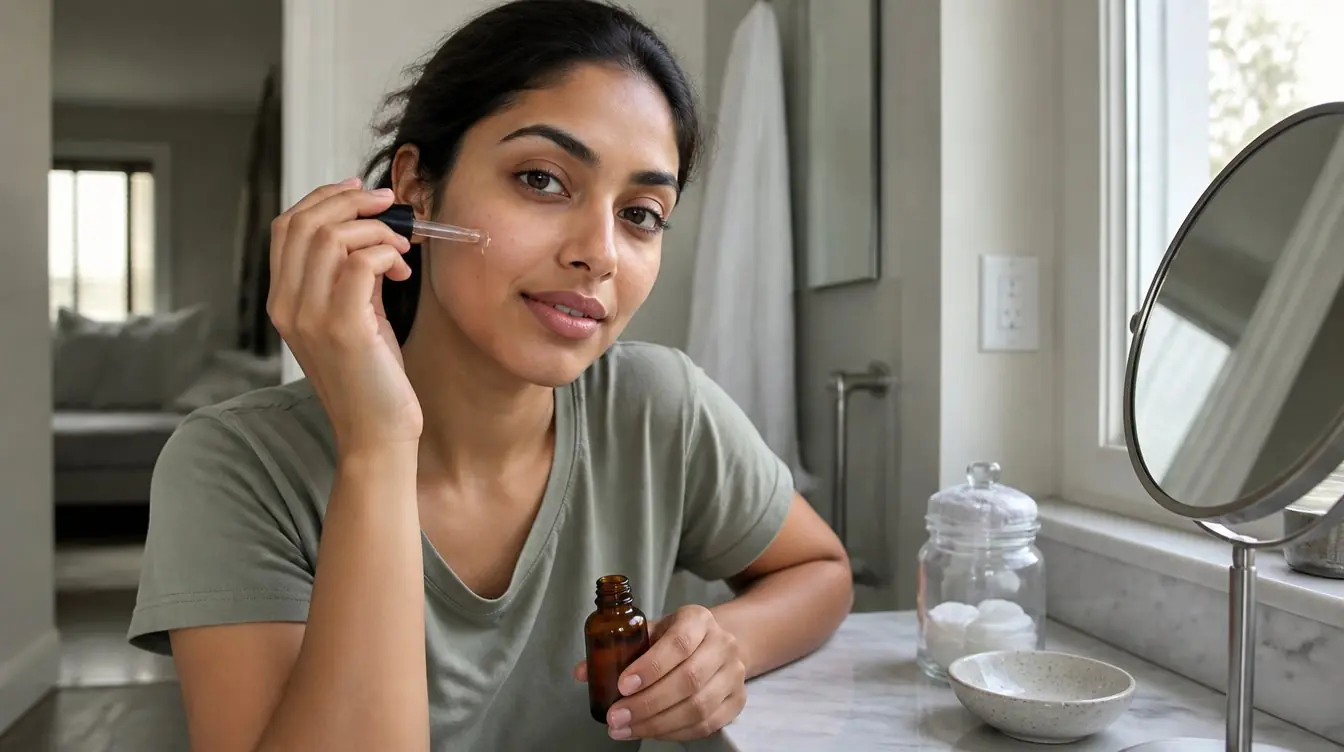
In the morning, apply niacinamide after cleansing and any water-based toner but before your moisturiser and sunscreen. Serums absorb best on slightly damp skin. Give each layer thirty to sixty seconds to settle before applying the next. A typical morning sequence looks like this: a gentle cleanser, niacinamide serum, moisturiser, and broad-spectrum sunscreen with at least SPF 30. If you use a vitamin C serum, apply it first, wait a minute, then follow with niacinamide. The two get along despite old rumours to the contrary.
Evening Placement
At night, niacinamide slots in after cleansing and any exfoliating acids you use. Wait a few minutes after applying an AHA or BHA before layering niacinamide, since the acid needs time to do its work at the correct pH. If retinol is part of your routine, you can apply niacinamide either before or after. Using it first creates a buffer that reduces retinol irritation. Using it afterwards helps rebuild the barrier, as retinol accelerates turnover. Both approaches work.
Frequency and Patience
Niacinamide is gentle enough for twice-daily use. Most people see noticeable results after four to eight weeks, with more dramatic improvements in pigmentation and texture around the three-month mark. Photograph your skin in the same light every two weeks to track changes, since daily mirror checks rarely capture gradual progress.
Choosing the Right Concentration and Formula
Not every niacinamide product delivers equal results. Concentration, pH, supporting ingredients, and formulation quality all shape what you actually see in the mirror.
Finding Your Ideal Percentage
Two to five percent niacinamide suits beginners and sensitive skin, and it still delivers clear benefits for barrier support and mild pigmentation. Five to ten percent suits people targeting active concerns like oily skin, post-acne marks, or stubborn dullness. Percentages above ten percent offer diminishing returns and increase the risk of a temporary flushing reaction in some people. A ten percent formula is the ceiling most dermatologists recommend for daily use.
Reading the Ingredient List
The INCI name is niacinamide. Verify that it appears within the first five to seven ingredients, which usually signals a meaningful concentration. Look for companion ingredients that extend results. Zinc pairs well with oil control. Hyaluronic acid boosts hydration. Peptides support firmness. Panthenol, also called vitamin B5, multiplies the soothing effect. Avoid formulas loaded with drying alcohols or heavy fragrances if your skin is sensitive.
Texture Matters
Serums deliver the highest concentration with the lightest feel, which makes them the most popular format. Lightweight lotions and gels suit oily and combination skin. Cream moisturisers with niacinamide work beautifully on dry or mature skin. Toners and essences provide a gentler introduction and layer well under other products. Sunscreens with niacinamide bundle two steps into one, though the percentage in these products tends to be lower.
The Best Niacinamide Formulas to Buy
Shopping for niacinamide is not about chasing the flashiest packaging. It is about matching a proven formula to your skin type and budget. Below is a guide to the categories and standout products that deliver consistently strong results.
Budget Picks Under Thirty Dollars
The Ordinary Niacinamide 10% + Zinc 1% remains a cult favourite for good reason. At under ten dollars, it offers a clinically meaningful dose of niacinamide with zinc for oil regulation. Texture is slightly viscous, which some people love and others find tacky under makeup. Good Molecules Niacinamide Serum has a very thin consistency and is suitable for layering under other active ingredients. CeraVe Resurfacing Retinol Serum combines niacinamide with a low-dose encapsulated retinol, providing beginner-friendly anti-ageing without needing a dermatologist. Naturium Niacinamide Serum 12% Plus Zinc 2% pushes the concentration higher for people who have built tolerance and want to tackle visible pore congestion.
Mid-Range Options Between Thirty and Seventy Dollars
Paula’s Choice 10% Niacinamide Booster is a customisable treatment that mixes into any serum or moisturiser, giving you control over strength without having to buy multiple products. Glossier Super Pure blends five percent niacinamide with zinc for a calm, clear finish that feels almost weightless. La Roche-Posay Pure Niacinamide 10 Serum targets dark spots and uneven tone with a formula that is well-studied and suitable for reactive skin. Kiehl’s Clearly Corrective Dark Spot Solution combines niacinamide with white birch and peony extract for a brightening blend backed by years of user reviews.
Premium Formulas: Seventy Dollars and Up
SkinCeuticals Metacell Renewal B3 combines niacinamide, glycerin, and a concentrated peptide complex to target early signs of photoaging. Drunk Elephant’s B-Hydra Intensive Hydration Serum layers niacinamide with pineapple ceramide and provitamin B5 for a lush, hydrating result. Dr Barbara Sturm Super Anti-Ageing Serum bundles niacinamide with skin-identical peptides at a luxurious price point. These formulas justify the spend through elegant textures and polished ingredient pairings, though the niacinamide itself performs similarly to less expensive options.
How Niacinamide Pairs With Other Actives
One of niacinamide’s superpowers is its friendliness with almost every other ingredient in your lineup. Still, a few combinations deserve attention, either because they work especially well together or because timing matters.
Niacinamide and Vitamin C
For years, people warned against combining niacinamide and vitamin C, claiming the two cancel each other out or cause flushing. That warning was based on outdated research from the 1960s involving raw niacin at high temperatures, conditions that do not apply to modern cosmetic formulations. Current evidence confirms that stable niacinamide and vitamin C work together without issue. Apply vitamin C first on clean skin, wait about a minute, then follow with niacinamide. Together they brighten, protect against free radicals, and support an even tone more effectively than either alone.
Niacinamide and Retinol
Retinol accelerates cell turnover and stimulates collagen, but it often irritates the skin barrier in the process. Niacinamide counteracts that irritation by restoring ceramides and calming inflammation. Layering them together reduces redness, flaking, and the dreaded retinol uglies that scare people away from the ingredient. Apply niacinamide either before or after retinol at night. Some people sandwich retinol between two thin layers of a niacinamide-based product for maximum comfort.
Niacinamide and Hyaluronic Acid
Hyaluronic acid pulls water into the skin. Niacinamide strengthens the barrier that keeps that water from escaping. The pairing is a hydration dream team, especially for dehydrated skin types that look dull, feel tight, or show fine lines that disappear once moisture is restored. Apply hyaluronic acid on damp skin first, then follow with niacinamide, then seal with moisturiser.
Niacinamide and Exfoliating Acids
AHAs like glycollic acid and BHAs like salicylic acid work at an acidic pH. Niacinamide is most comfortable at a neutral pH. When applied back to back, each ingredient can shift the other’s performance slightly. The practical fix is simple. Apply your acid, wait five to ten minutes, then apply niacinamide. Alternatively, you can use them at opposite times of the day: apply acid in the evening and niacinamide in the morning.
Niacinamide and Peptides
Peptides are short chains of amino acids that signal skin to produce more collagen and elastin. They pair seamlessly with niacinamide, and many premium formulas combine the two for broader anti-ageing results. No special layering instructions apply. Use them in the order dictated by texture, thinnest first.
Niacinamide in 2026: Nano-Delivery, the Concentration Debate, and the Niacinamide-Free Backlash
The science behind vitamin B3 has not changed, but the conversation around it has. Three threads dominate skincare forums and dermatology feeds this year, and each is worth understanding before you buy your next bottle.
Nano Delivery and Deeper Penetration
The newest formulation trend wraps the molecule in microscopic lipid carriers so it travels further into the upper skin layers before releasing. Brands claim this method delivers the same benefit at a lower, gentler percentage, which would mean less risk of irritation. The early evidence is promising but thin, and a well-made 5 percent serum still beats a poorly built nano product. Treat nano delivery as a nice-to-have, not a reason to pay double.
The 5 Percent Versus 10 Percent Debate
One of the most repeated questions on skincare forums is whether a higher percentage works better. Past a point, it does not. Research shows the barrier, oil-control, and brightening benefits plateau around 5 percent, and pushing to 10 percent mainly raises the chance of tingling, flushing, or congestion for sensitive users. If your skin is calm and you want maximum effect, 5 percent is the sweet spot most dermatologists point to. Reserve 10 percent for resilient skin with stubborn oiliness or pigmentation, and only after you have built tolerance.
The Niacinamide-Free Movement
A vocal minority has started going vitamin-B3-free, reporting that very high concentrations, or pairing the ingredient with too many other actives, left their skin congested or flushed. This is not proof that the ingredient is bad. It is proof that more is not better and that skin tolerance is individual. If you suspect it does not agree with you, drop to a lower percentage and a simpler routine before writing it off. True intolerance is rare; over-use is common.
Common Mistakes to Avoid
Niacinamide is forgiving, but a few missteps can stall your results or cause temporary side effects. Knowing what to watch for keeps your routine on track.
Chasing Too High a Concentration
The idea that more is better has ruined plenty of skincare routines. Ten percent niacinamide is the practical ceiling for daily use. Beyond that, some people experience flushing, stinging, or tiny bumps that look like congestion. Start with two to five percent if you are new, and only move up if your skin tolerates it and you feel the higher strength is warranted.
Expecting Overnight Miracles
Niacinamide works gradually. Two weeks in, you might notice skin feels calmer and looks less shiny. Pigmentation changes need eight to twelve weeks of daily use, sometimes longer for deeper marks. People who quit after a week and declare the ingredient useless are simply not giving it the time it needs.
Stacking Too Many Actives
A routine with niacinamide, vitamin C, retinol, two different acids, peptides, and a brightening mask might sound thorough, but your skin cannot process everything at once. Overloading leads to a compromised barrier, which ironically undoes the work niacinamide is trying to accomplish. Choose two or three actives, use them consistently, and add more only when your skin has clearly adapted.
Skipping Sunscreen
Niacinamide improves tone and reduces pigmentation, but new dark spots form every time unprotected skin meets ultraviolet light. Daily broad-spectrum SPF 30 or higher is non-negotiable if you want to see and keep results. Sun exposure also breaks down collagen faster than almost anything else, so sunscreen compounds every other benefit niacinamide provides.
Using Products Past Their Prime
Niacinamide itself is stable, but the other ingredients in your serum or moisturiser may oxidise, separate, or lose their potency over time. Check the period-after-opening symbol on packaging, usually a small jar icon with a number like 12M. Replace formulas once they change colour, smell off, or separate.
Niacinamide Myths Worth Debunking
Skincare is full of half-truths that spread faster than real research. Here are a few that need to be reconsidered, since believing them can steer you away from results.
The Vitamin C Cancellation Myth
As mentioned earlier, this one keeps resurfacing on social media, usually in videos that cite decades-old lab studies. Modern formulations are stable and compatible. The two work together, not against each other.
The Flushing Myth
Niacin, the other form of vitamin B3, causes flushing when taken at high oral doses. Niacinamide, the form used in skincare, does not have the same effects. If you notice redness after applying a niacinamide product, another ingredient in the formula is likely responsible, often fragrance or a high percentage of alcohol.
The Oily Skin Only Myth
Some people still believe niacinamide suits only oily or acne-prone skin because of its oil-regulating properties. In truth, it benefits every skin type. Dry skin gains stronger barrier function. Mature skin gains collagen support. Sensitive skin gains calm. The people with oily skin were the loudest on the internet at first.
The Instant Pore-Shrinking Myth
Pore size is largely determined by genetics and cannot be permanently reduced by any topical product. Niacinamide refines the appearance of pores by reducing oil and smoothing surrounding texture, but it does not close them or make them disappear. Anyone claiming otherwise is selling hype.
Frequently Asked Questions
Can I use niacinamide every day?
Yes, niacinamide is safe for daily use, both morning and night. Its gentle profile means most skin types tolerate it well without needing rest days. For best results, apply it consistently for at least eight weeks before judging outcomes. If you are brand new to skincare actives, start once daily for two weeks, then increase to twice daily once your skin shows no signs of irritation. The only situation where you might scale back is if you are using multiple strong actives and your barrier feels compromised. In that case, simplify the routine until skin recovers, then reintroduce niacinamide, which will often accelerate the recovery process.
How long does it typically take to see results from niacinamide?
Results unfold in stages. Within two to four weeks, most people notice calmer skin, less shine, and fewer new breakouts. Barrier improvements become evident around the same time, with less tightness and fewer reactive days. Hyperpigmentation, post-acne marks, and age spots take longer, usually eight to twelve weeks of daily use. Fine lines and firmness improvements show up over three to six months. Taking photos in consistent lighting every two weeks is the best way to track progress, since daily changes are too subtle to detect in the mirror.
Is niacinamide safe during pregnancy and breastfeeding?
Niacinamide is considered one of the safest active ingredients during pregnancy and breastfeeding. It is not linked to any known risks, and many obstetricians and dermatologists recommend it as a replacement for retinoids, which should be avoided during these periods. It addresses several common pregnancy skin concerns, including melasma, increased oiliness, and sensitivity. As with any product, read the full ingredient list to make sure nothing else in the formula is contraindicated, and consult your healthcare provider if you have specific concerns.
What is the best concentration of niacinamide for beginners?
Start with two to five percent niacinamide if your skin is sensitive or new to active ingredients. This range delivers meaningful barrier support, light brightening, and calming benefits without overwhelming the skin. Move up to five to ten percent after a few weeks if your skin tolerates the lower dose well and you want to target specific concerns like post-acne marks or excess oil. Concentrations above ten percent offer limited extra benefit and occasionally cause flushing or bumps, so there is rarely a reason to exceed that threshold.
Does niacinamide cause purging or breakouts?
It does not cause true purging, because it does not speed up cell turnover the way retinoids and acids do. If you break out after starting it, the usual causes are a concentration that is too high for your skin, a heavy or pore-clogging base formula, or stacking too many products at once. Drop to a 5 percent serum in a lightweight base, patch test, and simplify the rest of your routine. Genuine breakouts from this ingredient are uncommon and almost always formula-related rather than caused by the active itself.
Is 10 percent niacinamide better than 5 per cent?
Not for most people. The barrier-strengthening, oil-balancing, and brightening benefits level off around 5 percent in published research. Moving to 10 percent rarely adds visible benefit and raises the odds of tingling or flushing, especially on sensitive skin. Choose 5 percent as your default, and only consider 10 percent if your skin is resilient and you are targeting stubborn oiliness or pigmentation after building tolerance.
What is nano-niacinamide, and is it worth it?
Nano niacinamide is the standard vitamin B3 molecule packaged in microscopic lipid carriers designed to penetrate the upper skin layers more efficiently, with the promise of better results at lower, gentler concentrations. The evidence is still early, so it is a reasonable upgrade when the rest of the formula is strong, but it is not worth a large premium over a well-made conventional serum.
Can you use niacinamide and vitamin C together?
Yes. The old warning that the two cancel each other out came from 1960s lab work using unstable raw forms under high heat, not from modern stabilised serums. Today they layer safely and even complement each other: one calms and strengthens while the other brightens and protects. Apply vitamin C first, then the B3 serum, or use a single formula that combines both.
Bringing It All Together
Niacinamide earns its spot on nearly every dermatologist’s must-have list because it delivers on multiple fronts without demanding much from the user. It strengthens the barrier, fades pigmentation, calms inflammation, refines pores, and supports collagen, all while playing nicely with vitamin C, retinol, peptides, and acids. Few ingredients can claim that kind of versatility.
The key takeaways are straightforward. Choose a concentration between two and ten percent based on your skin type and goals. Apply it morning and night after cleansing and before your moisturiser. Pair it with daily sunscreen, since protection multiplies every benefit niacinamide provides. Be patient enough to judge results at eight to twelve weeks rather than eight to twelve days. And resist the urge to stack too many actives, since a crowded routine sabotages the barrier that niacinamide is working to rebuild.
Your next steps depend on where you are starting. If you are new to active skincare, pick up a gentle serum in the four to five percent range and add it to your morning routine for the first month. If you already use vitamin C or retinol and want to level up, add a ten percent niacinamide serum and note how it tempers any irritation from the stronger actives. If pigmentation is your main concern, commit to twelve weeks of consistent daily use alongside rigorous sun protection and photograph your progress every two weeks. Whatever your starting point, niacinamide rewards consistency more than complexity, and its quiet, cumulative results are precisely what makes it one of the most beloved ingredients in modern skincare.
Sources
- Nicotinamide, DermNet
- The effect of niacinamide on reducing cutaneous pigmentation and suppression of melanosome transfer, British Journal of Dermatology (peer-reviewed, via PubMed)
- Do facial masks work, and should I add one to my skin care routine?, American Academy of Dermatology
RELATED ARTICLES:
Skincare-infused makeup: Why your 2026 foundation should double as a serum
Skin Tints That Work For a Natural Base
Dolphin Skin Makeup
2026 Skin Streaming Routine
5 Skincare Trends to Watch Out for in 2026, According to a Top Skin Expert
About The Author

COMMENTS