
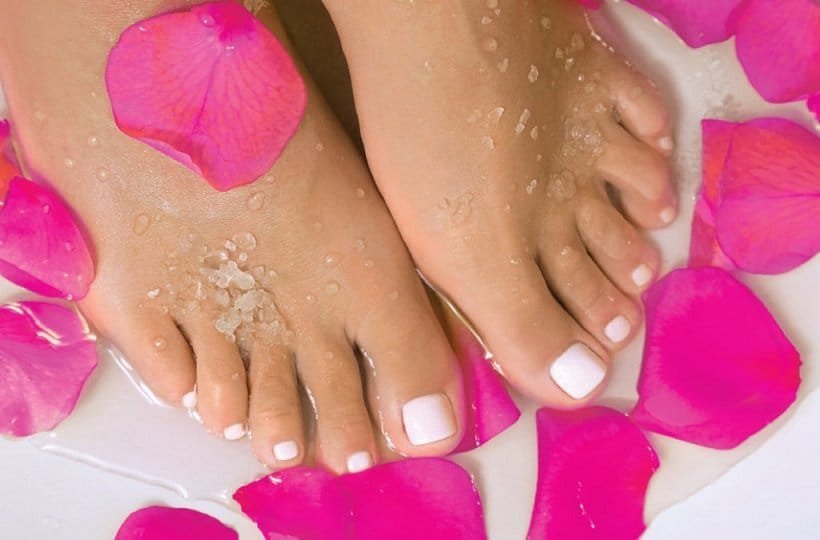
A salt pedicure is a type of pedicure that uses salt as the main exfoliating ingredient. Unlike traditional pedicures, which use sugar or salt scrub
A salt pedicure is a type of pedicure that uses salt as the main exfoliating ingredient. Unlike traditional pedicures, which use sugar or salt scrubs, salt pedicures use larger salt crystals to exfoliate and massage the feet. Salt pedicures are gaining popularity due to their various benefits, including increased circulation, improved skin texture, and reduced stress. In this article, we’ll take a closer look at salt pedicures and how they can help improve the health and appearance of your feet.
Reviewed by the BeautynFacts editorial team. Last updated: May 2026.
What is a Salt Pedicure?
A salt pedicure is a type of pedicure that uses salt to exfoliate the feet. Salt is a natural exfoliant that is gentle yet effective at removing dead skin cells, revealing smoother, softer skin. During a salt pedicure, a salt scrub is applied to the feet, which is then massaged into the skin. The salt scrub is usually made from a blend of sea salt and essential oils, which nourish and hydrate the skin.
Benefits of a Salt Pedicure
- Improved Circulation
One of the primary benefits of a salt pedicure is improved circulation. The massage and exfoliation during a salt pedicure help to stimulate blood flow, which can improve circulation and help reduce swelling in the feet. Improved circulation also helps to oxygenate the skin and support the natural renewal process, leading to smoother, healthier-looking skin.
- Exfoliation
Salt pedicures are an effective way to exfoliate the feet. The salt crystals are larger than those found in traditional sugar or salt scrubs, making them more effective at removing dead skin cells and revealing smoother skin. Exfoliating the feet regularly can also help to prevent calluses and other foot conditions, such as athletes foot and fungal infections.
- Relaxation
In addition to the physical benefits of a salt pedicure, they can also be a great way to relax and unwind. The massage during a salt pedicure can help to relieve stress and tension, promoting a sense of calm and relaxation.
- Hydration
Salt pedicures are also beneficial for hydration. The essential oils used in the salt scrub help to hydrate and nourish the skin, leaving it soft and supple. Regular hydration is important for maintaining healthy skin, and a salt pedicure can help to keep the skin on your feet looking and feeling its best.
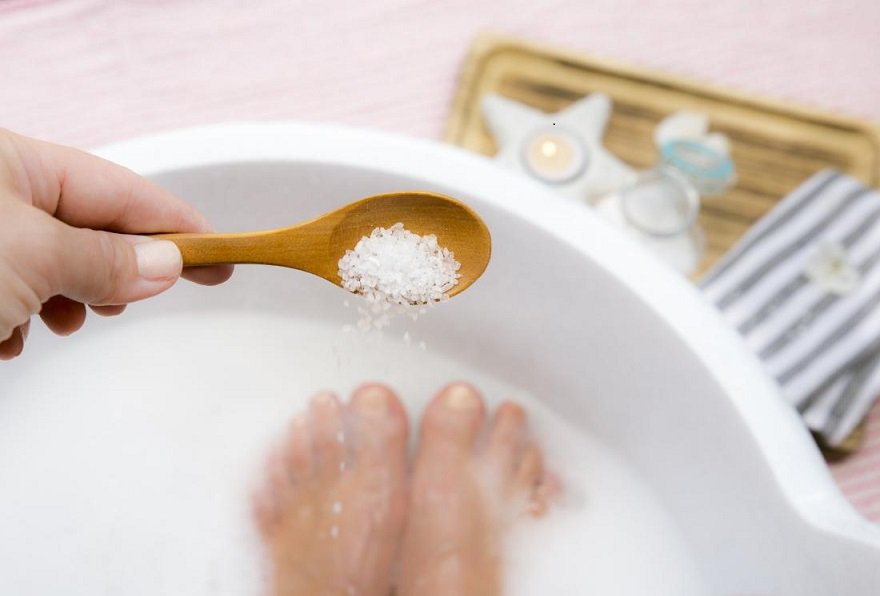
How to Prepare for a Salt Pedicure
- Soak Your Feet
Before beginning a salt pedicure, it is important to soak your feet. Soaking helps to soften the skin and prepare it for exfoliation. You can use warm water and Epsom salt or a foot soak made specifically for pedicures. Soak your feet for 10-15 minutes to get the full benefits.
- Trim and Shape Your Nails
Once your feet are soaked, trim and shape your nails. This will help to prevent any snagging or irritation during the pedicure.
- Exfoliate
Next, exfoliate your feet using a salt scrub. Apply the scrub to your feet and massage it in using circular motions. This will help to remove any dead skin cells and prepare your feet for the massage.
- Massage
After exfoliating, rinse your feet and dry them. Apply lotion or oil to your feet, then use your hands or a foot massager to massage your feet. This will help to improve circulation, relieve tension, and hydrate your skin.
- Final Steps
After massaging, rinse your feet again and dry them thoroughly. Apply a moisturizer or lotion to your feet to hydrate and protect your skin. Finally, apply a nourishing cuticle oil to your toenails to keep them healthy and hydrated.
Tips for a Successful Salt Pedicure
- Choose the Right Salt
When choosing a salt for your pedicure, it is important to choose the right type of salt. Sea salt is the most common type of salt used in salt pedicures, but you can also use Himalayan salt or Epsom salt. Each type of salt has its own unique benefits, so consider which type is best for your skin type and needs.
- Choose the Right Essential Oils
In addition to choosing the right type of salt, it is also important to choose the right essential oils for your pedicure. Essential oils can be used to hydrate and nourish the skin, so consider which oils are best for your skin type and needs. Some popular essential oils for pedicures include lavender, peppermint, and eucalyptus.
- Avoid Over-Exfoliating
While salt pedicures are great for exfoliating, it is important to avoid over-exfoliating. Over-exfoliating can strip the skin of its natural oils and cause irritation, so it is important to exfoliate only as often as needed.
A salt pedicure is a type of pedicure that uses salt as the main exfoliating ingredient. Salt pedicures offer various benefits, including improved circulation, exfoliation, relaxation, and hydration. To prepare for a salt pedicure, soak your feet, trim and shape your nails, exfoliate, massage, and moisturize your feet. By following these tips, you can enjoy the benefits of a salt pedicure and keep your feet looking and feeling their best.
Frequently Asked Questions About Salt Pedicure
What is a salt pedicure and how is it different from a regular pedicure?
A salt pedicure uses coarse mineral salts like Himalayan, Dead Sea, or Epsom as the main exfoliating agent rather than sugar scrubs or pumice alone. The larger crystals exfoliate harder and deliver magnesium and trace minerals that soothe muscle tension. A regular pedicure focuses on grooming and polish, while a salt pedicure leans heavily into the soak, exfoliation, and circulation benefits. Many spas combine both, but a true salt pedicure prioritises the therapeutic side over the cosmetic finish.
How often should you do a salt pedicure?
A salt pedicure works well every two weeks for most people. If you stand all day, run regularly, or struggle with calluses, a weekly pedicure is fine as long as you skip aggressive scraping. Less active feet do well with a monthly salt pedicure. Doing one daily over-exfoliates and can leave the skin raw or trigger calluses to form back thicker. Listen to the skin: if it feels tender after, push the next session out further.
What kind of salt works best for a salt pedicure?
Epsom salt is the most common because it is affordable and delivers magnesium that soothes aching muscles. Dead Sea salt has the highest mineral content and works best for stubborn dryness and inflammation. Himalayan pink salt is gentler and suits sensitive skin. Avoid plain table salt because it is too fine to exfoliate properly and contains anti-caking agents. Use about half a cup of salt per litre of warm water for a foot soak, and finer salt mixed with oil for the scrub portion.
Can a salt pedicure help cracked heels?
Yes. A weekly salt pedicure softens the thickened skin around cracked heels and makes the surface easier to file down safely. Pair the soak with a urea or lactic acid foot cream applied immediately after and overnight under cotton socks. Deep cracks that bleed or refuse to heal need a podiatrist rather than a salt pedicure alone because the underlying issue may be a fungal infection or a structural problem the bathwater cannot fix.
How do you do a salt pedicure at home step by step?
Soak feet in warm water with half a cup of Epsom salt for ten to fifteen minutes. Scrub each foot with a mix of fine salt and a teaspoon of olive or coconut oil, paying attention to the heels and ball of the foot. File rough areas with a glass file rather than a metal grater. Rinse, dry, push back the cuticles, and finish with a rich foot cream and cotton socks. The salt pedicure ritual takes about thirty minutes total.
Are salt pedicures safe for diabetes or sensitive feet?
Salt pedicures are not recommended for people with diabetes, peripheral neuropathy, open wounds on the feet, fungal infections, or compromised circulation. The high mineral content and abrasive exfoliation can trigger skin breaks that heal slowly in these conditions. Anyone with sensitive feet should patch test the salt scrub on the inner ankle first and keep soak times under ten minutes. If in doubt, consult a podiatrist before starting any home pedicure routine.
RELATED ARTICLES:
Achieve a Salon-Quality Manicure at Home with Gel Nail Polish
Athletic or Sports Pedicure: A Comprehensive Guide for Athletes and Sports Enthusiasts
Transform Your Tired Feet with a Decadent Chocolate Pedicure
Waterless Pedicure: A Revolutionary Approach to Foot Care
Nibbling Your Way to Smooth Feet: An In-Depth Look at Fish Pedicures
About The Author
