









Glycolic Acid for Skin: A Complete Exfoliant and Brightener1. Introduction: Why Glycolic Acid is a Game-Changer for Your Skin Glycolic acid for sk
Glycolic Acid for Skin: A Complete Exfoliant and Brightener
Published · Updated
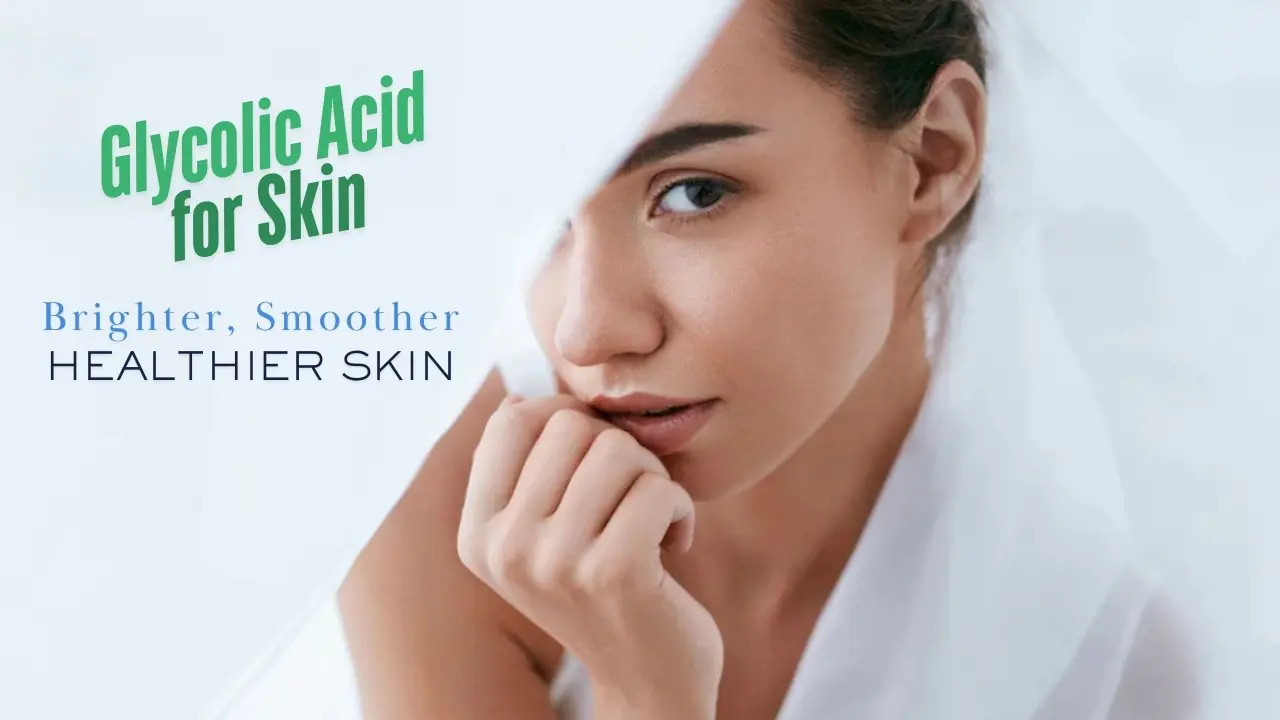
Glycolic acid has gained significant popularity in the skincare industry, and with good reason! This powerhouse ingredient is a chemical exfoliant that works wonders in revealing smoother, brighter, and healthier-looking skin. Whether you’re battling dullness, hyperpigmentation, or fine lines, glycolic acid can be your go-to solution.
So, what makes glycolic acid so special? It belongs to the alpha-hydroxy acid (AHA) family, a group of naturally occurring acids derived from fruits, sugarcane, and milk. Among all AHAs, glycolic acid has the smallest molecular size, allowing it to penetrate deeply into the skin and work more effectively than other exfoliants.
By breaking down the bonds between dead skin cells, glycolic acid gently sloughs off the outer layer of dull, damaged skin, revealing a fresh, youthful glow. It’s not just about exfoliation glycolic acid also stimulates collagen production, improves skin texture, and enhances overall skin health.
Why Is Glycolic Acid a Must-Have in Skincare?
With so many exfoliants available, you might wonder why glycolic acid stands out. The answer lies in its multifunctionality. Unlike physical scrubs that can cause microtears, glycolic acid provides non-abrasive exfoliation, making it suitable for various skin types when used correctly.
Here’s what glycolic acid can do for your skin:
✅ Brightens dull complexion by promoting faster cell turnover.
✅ Reduces hyperpigmentation and dark spots for an even skin tone.
✅ Minimizes fine lines and wrinkles by boosting collagen.
✅ Unclogs pores and prevents breakouts, making it great for acne-prone skin.
✅ Improves skin texture, leaving it soft, smooth, and radiant.
How Glycolic Acid Works on Your Skin
Glycolic acid functions as a chemical exfoliant by dissolving the glue-like substance that holds dead skin cells together. Unlike physical scrubs, which can be harsh, glycolic acid loosens dead skin gently, allowing it to shed naturally. This process reveals fresher skin and enhances the absorption of other skincare products like serums and moisturizers.
What is another key benefit of glycolic acid? Glycolic acid increases collagen production, helping to maintain skin elasticity and firmness over time. Collagen is the protein responsible for keeping skin plump and youthful, so regular use of glycolic acid can help prevent premature aging.
Glycolic acid is a transformative addition to your skincare routine if you’re seeking a radiant glow and an even skin tone. However, as with any active ingredient, it’s crucial to use it correctly to prevent irritation or sensitivity. Are you prepared to delve deeper into the advantages, uses, and optimal methods of using glycolic acid? Let’s explore everything you need to know!
What is Glycolic Acid? Understanding AHA Exfoliation
Glycolic acid is one of the most well-known and widely used alpha hydroxy acids (AHAs) in skincare. Found naturally in sugarcane, glycolic acid is celebrated for its powerful exfoliating properties, making it a staple ingredient in everything from cleansers and toners to serums and peels.
Could you please explain what makes glycolic acid so special? The secret lies in its small molecular size. Compared to other AHAs like lactic acid and mandelic acid, glycolic acid has the smallest molecular structure, allowing it to penetrate deeply into the skin. This deep penetration enhances its ability to exfoliate, stimulate cell renewal, and improve overall skin texture.
How Do AHAs Work in Exfoliating and Renewing the Skin?
Alpha hydroxy acids (AHAs) are a group of water-soluble acids derived from natural sources like fruits, milk, and sugarcane. They work by loosening the bonds between dead skin cells, allowing them to shed naturally and reveal fresh, radiant skin underneath.
Unlike physical exfoliants, which rely on scrubbing particles to remove dead skin, AHAs work on a chemical level, making them more effective and less abrasive. This process enhances skin brightness and improves hydration, texture, and overall skin health.
Here’s what AHAs, including glycolic acid, do for your skin:
✅ Increase cell turnover to promote fresh, youthful skin.
✅ Reduce hyperpigmentation and dark spots.
✅ Help unclog pores and prevent breakouts.
✅ Improve skin hydration by attracting moisture to the skin.
✅ Stimulate collagen production, reducing fine lines and wrinkles.
Why is Glycolic Acid One of the Most Effective AHAs?
Among all the AHAs, glycolic acid stands out as the most potent and effective exfoliant. Thanks to its tiny molecular size, it penetrates the deepest layers of the skin, working faster and more efficiently than other acids.
Here’s why glycolic acid is the top choice for AHA exfoliation:
✔ Superior Exfoliation Glycolic acid dissolves the “glue” holding dead skin cells together, providing deep and even exfoliation.
✔ Boosts Collagen Production It helps stimulate collagen synthesis, keeping the skin plump and firm.
✔ Effective for All Skin Types While stronger than other AHAs, it can be used at different concentrations to suit different skin needs.
✔ Enhances Product Absorption By removing the outer layer of dead skin, it allows serums and moisturizers to penetrate more effectively.
Benefits of Glycolic Acid for the Skin
Glycolic acid is a skincare powerhouse that delivers a range of benefits, from exfoliation to anti-aging effects. As one of the most effective alpha hydroxy acids (AHAs), it works on multiple levels to improve skin texture, brightness, and overall health. Here’s a closer look at why glycolic acid deserves a spot in your skincare routine.
1. Gentle Yet Effective Exfoliation
One of the biggest advantages of glycolic acid is its ability to exfoliate without being overly harsh. Unlike physical scrubs, which can cause microtears and irritation, glycolic acid dissolves the bonds holding dead skin cells together, allowing them to shed naturally.
- Removes built-up dead skin, preventing clogged pores and dullness.
- • It helps smooth uneven skin textures, making them feel softer and look more refined.
- • It encourages faster cell turnover, which leads to fresh, youthful-looking skin.
Because it penetrates deeply, glycolic acid is more effective than many other exfoliants at keeping skin clear, smooth, and healthy.
2. Brightens Dull Complexion
Dullness, dark spots, and uneven skin tone can make skin look tired and aged. Glycolic acid is highly effective in reducing pigmentation and boosting radiance by encouraging new skin cells to surface.
- Fades hyperpigmentation, sunspots, and acne scars over time.
- Evens out skin tone, giving a naturally brighter and more youthful glow.
- Stimulates faster renewal of skin cells, reducing the appearance of discoloration.
Regular use of glycolic acid helps restore the skin’s natural luminosity, making it look vibrant and refreshed.
3. Smooths fine lines and wrinkles.
Aging leads to the breakdown of collagen and elastin, the proteins that keep skin firm and plump. Glycolic acid not only exfoliates but also stimulates collagen production, making it an excellent anti-aging ingredient.
- Reduces fine lines and wrinkles, especially around the eyes and mouth.
- Strengthens skin elasticity, preventing sagging and loss of firmness.
- Encourages cellular renewal, keeping skin looking youthful and smooth.
Over time, consistent use of glycolic acid can help reduce visible signs of aging, leaving the skin firmer, plumper, and more youthful.
This product helps with acne and breakouts.
Glycolic acid can significantly improve the condition of acne-prone skin. Its ability to deeply penetrate pores and remove debris makes it highly effective in preventing and treating breakouts.
- Unclogs pores, reducing blackheads and whiteheads.
- Dissolves excess oil and dead skin, preventing acne formation.
- • It has mild antibacterial properties that help fight acne-causing bacteria.
By keeping pores clean and clear, glycolic acid reduces breakouts and minimizes post-acne marks, making it ideal for acne sufferers.
5. Enhances Product Absorption
One lesser-known but highly valuable benefit of glycolic acid is its ability to enhance the absorption of other skincare products. By removing the outermost layer of dead skin, it creates a clear pathway for serums, moisturizers, and treatments to penetrate more effectively.
- It enhances the efficacy of hydrating ingredients, such as hyaluronic acid.
- It allows active ingredients (like vitamin C and retinol) to work more efficiently.
- It ensures better hydration, leading to plumper, healthier skin.
By using glycolic acid regularly, your skincare routine becomes more effective, maximizing the benefits of other ingredients.
How to Use Glycolic Acid in Your Skincare Routine
Glycolic acid is a powerful exfoliant, but using it correctly is key to reaping its benefits without causing irritation. Whether you’re a beginner or a seasoned skincare enthusiast, understanding how to incorporate glycolic acid into your routine will ensure you get maximum results with minimal side effects. Here’s a complete guide on how to use glycolic acid effectively.
1. Choosing the right glycolic acid product
Glycolic acid comes in various formulations, including cleansers, toners, serums, and peels. The best option for you depends on your skin type, concerns, and experience with acids.
- Cleansers: Ideal for beginners or those with sensitive skin. As they wash off, they provide a gentle exfoliation.
- Toners: Great for daily use if you have oily or acne-prone skin. They help control excess oil and unclog pores.
- Serums: More potent than toners and perfect for targeting fine lines, dark spots, and dullness.
- Peels: These contain the highest concentration of glycolic acid (20% or more) and are best for experienced users seeking intense exfoliation.
💡 If you’re new to glycolic acid, start with a low-concentration product (5-10%) and gradually increase as your skin builds tolerance.
2. How Often Should You Use It?
The frequency of glycolic acid application depends on your skin type and the strength of the product you’re using.
- Oily & Acne-Prone Skin: Can tolerate glycolic acid 3-5 times per week to keep pores clear and prevent breakouts.
- Dry & Sensitive Skin: Should start with once a week, then increase gradually if no irritation occurs.
- Normal & Combination Skin: Typically benefits from using glycolic acid 2-3 times per week for overall skin maintenance.
Using glycolic acid too often can strip the skin’s natural barrier, leading to redness, dryness, and irritation. Always monitor your skin’s response and adjust usage accordingly.
3. Day or Night? The best time to apply glycolic acid
Glycolic acid is best used at night because it increases skin sensitivity to the sun. Here’s why:
- Exfoliating with glycolic acid removes dead skin cells, leaving new skin exposed, which is more vulnerable to UV damage.
- Applying it at night allows the skin to recover and renew while you sleep.
- If used during the day, it’s essential to follow up with sunscreen (SPF 30 or higher) to prevent sunburn and hyperpigmentation.
💡 If you use glycolic acid at night, apply a hydrating moisturizer afterward to replenish lost moisture and keep your skin barrier strong.
4. Layer it correctly.
Glycolic acid pairs well with some ingredients but can clash with others. Proper layering ensures you get the most out of your routine while avoiding irritation.
✅ The best ingredients to pair with glycolic acid:
✔ Hyaluronic Acid Provides hydration and prevents dryness.
✔ Niacinamide Calms inflammation and strengthens the skin barrier.
✔ Ceramides Help repair the skin barrier and prevent sensitivity.
❌ Ingredients to Avoid Mixing with Glycolic Acid:
🚫 Retinol Both are strong exfoliants, and using them together can cause excessive irritation.
🚫 Vitamin C Can increase sensitivity and make skin more prone to redness.
🚫 Benzoyl Peroxide Can over-dry the skin when used with glycolic acid.
💡 If you want to use retinol or vitamin C, apply them on alternate nights instead of layering them with glycolic acid.
Who Should (and Shouldn’t) Use Glycolic Acid?
Glycolic acid is a powerful exfoliant that delivers incredible benefits, but it’s not suitable for everyone. While it works wonders for some skin types, others need to use it with caution or avoid it altogether. Understanding whether glycolic acid is right for you can help you achieve the best results without unwanted side effects.
✅ Best For:
Glycolic acid is highly effective for certain skin types and concerns, making it a great choice for:
- Normal Skin: If your skin is generally balanced (neither too oily nor too dry), glycolic acid helps maintain smoothness, brightness, and an even tone.
- Oily Skin: Since glycolic acid removes excess oil and unclogs pores, it’s ideal for oily skin that’s prone to breakouts and congestion.
- Acne-Prone Skin: Glycolic acid exfoliates deep within pores, reducing blackheads, whiteheads, and acne. It also helps fade post-acne scars and hyperpigmentation.
- Aging Skin: As a collagen-boosting ingredient, glycolic acid is excellent for reducing fine lines, wrinkles, and age spots, making it a popular anti-aging treatment.
💡 If you’re new to glycolic acid, start with a low concentration (5-10%) and increase gradually to avoid irritation.
⚠️ Use with
Certain skin types and conditions need to be careful when using glycolic acid, as it may trigger irritation or sensitivity.
- Sensitive Skin: Glycolic acid can be too strong for sensitive skin, leading to redness, burning, or peeling. If you still want to try it, start with a gentle formulation (like a mild cleanser) and use it only once a week.
- Rosacea-Prone Skin: Since glycolic acid increases circulation and exfoliation, it can worsen rosacea symptoms like redness and irritation. People with rosacea should consult a dermatologist before using it.
- Those Using Retinoids (or Strong Actives): If you’re using retinol, tretinoin, benzoyl peroxide, or other strong actives, combining them with glycolic acid can cause severe irritation and dryness. It’s best to alternate their use instead of layering them.
💡 If you have sensitive or reactive skin, consider lactic acid instead it’s a gentler AHA with similar benefits but less likelihood of irritation.
Common Mistakes to Avoid with Glycolic Acid
Glycolic acid is a powerful exfoliant, but using it incorrectly can lead to irritation, dryness, and even long-term skin damage. To get the best results while keeping your skin healthy, it’s essential to avoid these common mistakes.
1. Using Too High of a Concentration Too Quickly
One of the biggest mistakes people make with glycolic acid is starting with a high concentration before their skin has built tolerance.
- High concentrations (20% or more) are too strong for beginners and can lead to redness, peeling, and irritation.
- If you’re new to glycolic acid, start with 5-10% formulations and gradually work your way up.
- Overusing strong glycolic acid peels can compromise your skin barrier, making it more prone to sensitivity and breakouts.
💡 Start with a low percentage once or twice a week and slowly increase frequency as your skin adjusts.
2. I skipped moisturizer and hydration after exfoliation.
Glycolic acid removes dead skin cells, but it can also strip away some of your skin’s natural moisture. If you don’t follow up with a hydrating moisturizer, your skin may become dry, flaky, and irritated.
- Always apply a moisturizer rich in ceramides, hyaluronic acid, or glycerin after using glycolic acid.
- If your skin feels dry or tight, consider using a hydrating toner or serum before your moisturizer.
- Hydrated skin recovers faster from exfoliation and maintains a healthy glow.
💡 Look for moisturizers with calming ingredients like aloe vera, centella asiatica, or niacinamide to soothe the skin.
3. Not Wearing Sunscreen Glycolic Acid Makes Skin More Sun-Sensitive
Glycolic acid removes the outer layer of dead skin, exposing fresh, new skin underneath. This process makes your skin more vulnerable to UV damage, increasing the risk of sunburn, hyperpigmentation, and premature aging.
- Always wear sunscreen (SPF 30 or higher) every morning when using glycolic acid in your routine.
- Even if you use glycolic acid only at night, your skin is still more sensitive during the day.
- Without sunscreen, glycolic acid can cause more harm than good, leading to dark spots and irritation instead of a bright, even complexion.
💡 Use a broad-spectrum sunscreen with hydrating ingredients to protect and nourish your skin at the same time.
4. Mixing It with Harsh Actives Like Retinol or Benzoyl Peroxide
Glycolic acid is already a strong exfoliant, so combining it with other powerful actives like retinol, benzoyl peroxide, or vitamin C can cause severe irritation, redness, and peeling.
- Retinol + Glycolic Acid = Too Harsh Both increase cell turnover, leading to excessive dryness and sensitivity.
- Benzoyl Peroxide + Glycolic Acid = Over-Drying This combo can strip the skin barrier, causing inflammation and breakouts.
- Vitamin C + Glycolic Acid = Increased Sensitivity Since both are acidic, layering them can cause burning and redness.
💡 If you want to use these ingredients, alternate them on different nights rather than layering them together.
Conclusion: Should You Add Glycolic Acid to Your Routine?
Glycolic acid is a transformative ingredient that provides a multitude of advantages, ranging from exfoliation and brightening to anti-aging and acne-fighting capabilities. Whether you’re dealing with dullness, fine lines, hyperpigmentation, or breakouts, glycolic acid can help you achieve smoother, healthier, and more radiant skin but only if used correctly.
A recap of benefits and proper usage
✔ Exfoliates Gently Yet Effectively Removes dead skin cells, unclogs pores, and improves texture.
✔ Brightens Skin Tone Reduces dark spots, hyperpigmentation, and post-acne marks.
✔ Fights Signs of Aging Boosts collagen, reducing fine lines and wrinkles.
✔ Clears Acne & Breakouts Prevents clogged pores and reduces acne-causing bacteria.
✔ Enhances Product Absorption Prepares skin to absorb serums and moisturizers more effectively.
To get the best results without irritation:
- Start with a low concentration (5-10%) and gradually increase.
- Use it at night to avoid sun sensitivity.
- Always apply sunscreen (SPF 30 or higher) the next day.
- Keep skin hydrated by using a moisturizer after application.
- Avoid mixing with harsh actives like retinol, benzoyl peroxide, or vitamin C on the same day.
Final Thoughts: A Skincare Must-Have (If Used Correctly!)
When used properly, glycolic acid can transform your skin, making it smoother, clearer, and more youthful. However, overuse or improper application can lead to irritation, so it’s essential to listen to your skin and adjust usage accordingly. If you’re a beginner, start slow and patch-test before fully incorporating it into your routine.
If you’re looking for a powerful yet effective way to elevate your skincare routine, glycolic acid is definitely worth adding just make sure to use it wisely!
FAQ
1. Can I use glycolic acid every day?
It depends on your skin type and the product’s concentration. Oily or acne-prone skin may tolerate daily use, but dry or sensitive skin should stick to 1 3 times a week to avoid irritation.
2. Should I apply glycolic acid before or after moisturizer?
Apply glycolic acid after cleansing but before moisturizing to ensure proper absorption. Always follow up with a hydrating moisturizer to keep your skin barrier strong.
3. How long does it take to see results from glycolic acid?
Most people notice smoother and brighter skin within a few weeks. However, improvements in hyperpigmentation and fine lines may require 4 8 weeks of consistent use.
4. Can I use glycolic acid with retinol?
No, it‘s best to avoid using them together, as both are potent actives. If you want to use both, apply glycolic acid on one night and retinol on another to prevent irritation.
5. What should I do if glycolic acid irritates my skin?
If you experience redness, burning, or excessive dryness, reduce usage frequency or switch to a lower concentration. Pair it with hydrating and soothing ingredients like hyaluronic acid and niacinamide to balance its effects.
Frequently Asked Questions About Glycolic Acid
How often should you use glycolic acid on your face?
Beginners should start with glycolic acid two evenings a week and build up to every other night over four to six weeks. Daily use is only sensible at lower concentrations under five percent in well-formulated leave-on essences, and even then only if the barrier is happy. Stronger weekly peels at seven to ten percent are an alternative to nightly low-dose use. Mixing both formats on the same day stacks irritation. Stop completely if you see persistent redness, stinging that lasts beyond a minute, or unexpected flaking, and rebuild the barrier first.
Can you use glycolic acid with retinol in the same routine?
Yes, but not at the same time of day. Use glycolic acid on alternate evenings and retinol on the other evenings, since stacking both in one routine reliably triggers irritation, peeling, and barrier compromise even on resilient skin. A safer cadence is glycolic acid Monday and Thursday, retinol Tuesday and Friday, hydrating-only routine on the remaining nights. Once the skin tolerates this pattern for six weeks, some people layer a low-dose retinol over a glycolic essence with a buffer of moisturiser between, but that is an advanced move.
Does glycolic acid help with acne or just dullness?
Glycolic acid helps both. It exfoliates the surface to clear the dead-cell mortar that lets acne bacteria flourish in the pore, which reduces blackheads and small whiteheads over four to eight weeks. It also brightens dull skin by accelerating cell turnover so fresh, even-toned skin reaches the surface faster. For active inflammatory acne, salicylic acid is more targeted because it dissolves in oil and gets deeper into the pore, but glycolic remains useful as a supporting exfoliant and pigment-fader for the marks left behind.
Will glycolic acid make my skin more sensitive to the sun?
Yes, glycolic acid temporarily thins the outermost dead-cell layer and increases UV sensitivity for the first one to four weeks of regular use. Daily broad-spectrum SPF 30 or higher is non-negotiable throughout, not just during the first month. Glycolic itself is photo-stable, so it does not break down in sunlight the way some actives do, but the fresh skin underneath sunburns more easily and pigments faster. Use the acid at night, sunscreen every morning, and a hat outdoors at peak hours during the introduction phase.
What strength of glycolic acid should beginners start with?
Beginners should start with a five to seven percent glycolic acid in a leave-on toner or essence, applied two evenings a week. Cleansers labelled glycolic at around three percent rinse off too quickly to cause much trouble and are a softer entry point. Skip the ten percent and higher products until you have several weeks of consistent low-dose use behind you. The pH of the formula matters as much as the percentage; a five percent glycolic at pH 3.5 is more active than a seven percent at pH 4.5.
Is glycolic acid safe for sensitive or rosacea-prone skin?
Glycolic acid is generally too aggressive for active rosacea and easily reactive skin because it can trigger the flushing cascade and disrupt an already fragile barrier. Lactic acid or mandelic acid at low percentages are gentler alternatives that still deliver exfoliation. If you have well-controlled sensitive skin and your derm clears you to try glycolic, start with five percent once a week, monitor for two cycles, and pair it with a ceramide moisturiser. Stop at the first sign of persistent redness or warmth.
RELATED ARTICLES:
2025 Skincare Revolution:Morning & Evening Routine to Achieve Flawless Skin
Saffron Skincare Secrets: Brighten, Hydrate & Flawless Skin Naturally!
Skincare-infused makeup: Why your 2026 foundation should double as a serum
5 Skincare Trends to Watch Out for in 2026, According to a Top Skin Expert
About The Author

COMMENTS