

Facial care beauty tips work best when you stop treating them as a long checklist and focus on seven small daily gestures done in the right order. In
Facial care beauty tips work best when you stop treating them as a long checklist and focus on seven small daily gestures done in the right order. In under ten minutes a day, the correct sequence, a few smart product swaps, and consistent habits turn ordinary skin into its radiant version. Results compound only when those small steps are stacked correctly, so a modest routine can quietly outperform an expensive one.
Reviewed by the BeautynFacts editorial team. Last updated: May 2026.
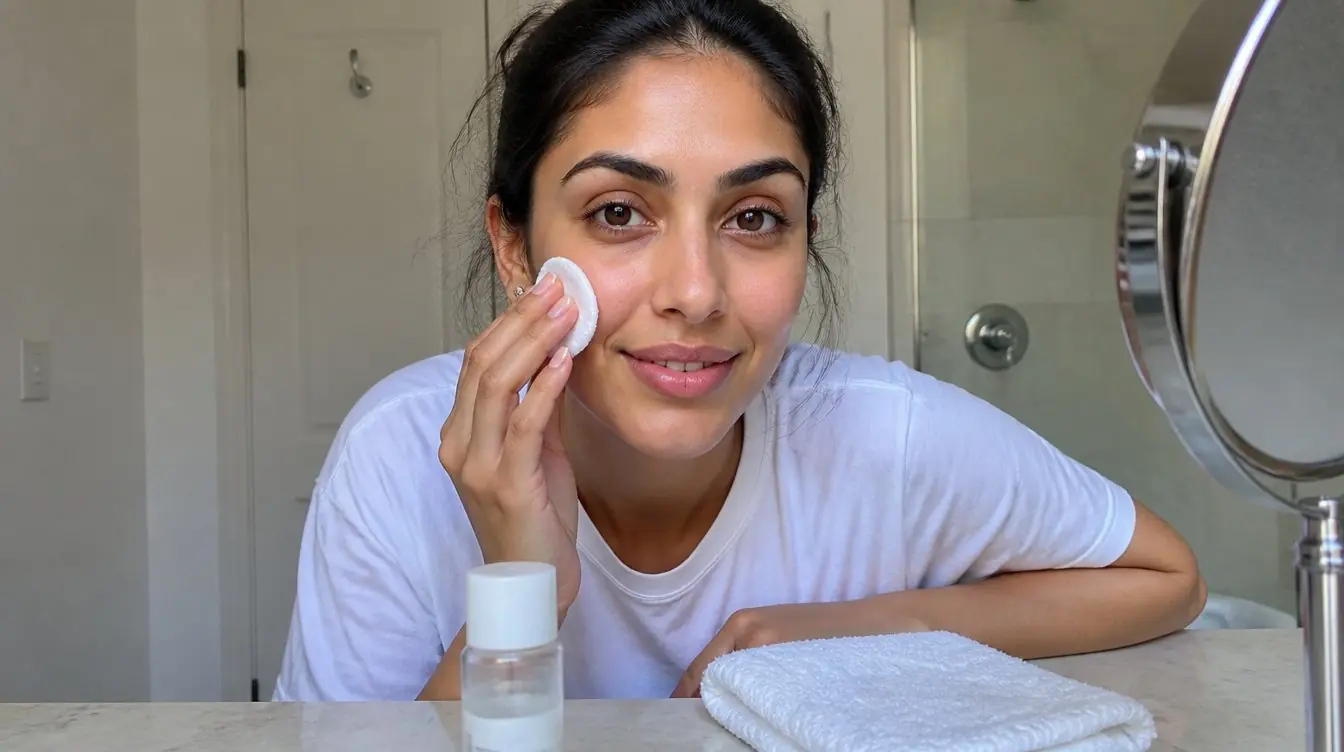
So, what exactly makes a skincare routine effective? It’s not just about using expensive products; rather, it’s about understanding your skin type and catering to its specific needs. The key is consistency. Small habits, when followed diligently, can have a significant impact on your skin’s health over time.
The Importance of a Daily Skincare Routine
The detail most guides skip on facial care beauty tips is that results compound only when the small habits are stacked correctly. A few thoughtful choices add up faster than a long list of half-followed ones, and facial care beauty tips work best when you give the routine four to six weeks before you judge it.
A daily skincare routine acts as a shield against environmental aggressors like pollution, UV rays, and dirt. Without proper care, these factors can lead to dullness, breakouts, premature wrinkles, and uneven skin tone. Here’s why a structured skincare regimen is essential:
1. Protects Against Environmental Damage
- Pollution and UV exposure contribute to oxidative stress, causing skin to age faster.
- Antioxidants like vitamin C and sunscreen form a protective barrier, preventing damage.
- Daily cleansing removes dirt and impurities that clog pores and cause inflammation.
2. Maintains Hydration and Elasticity
- Skin loses moisture throughout the day due to weather changes, air conditioning, and daily activities.
- A well-hydrated skin barrier prevents dryness, flakiness, and irritation.
- Using a good moisturiser locks in hydration and keeps the skin plump and youthful.
3. Prevents Skin Issues Before They Start
- Skipping skincare leads to clogged pores, breakouts, and dull skin.
- Regular exfoliation removes dead cells, promoting fresh, glowing skin.
- A tailored routine helps balance oil production, preventing both acne and excessive dryness.
4. Boosts Confidence and Well-being
- Healthy skin improves self-esteem and reduces the need for heavy makeup.
- Taking time for skincare is a form of self-care, reducing stress and promoting relaxation.
- The right routine ensures long-term benefits, slowing down signs of aging.
How Small, Consistent Habits Improve Skin Health and Appearance
It’s worth pausing on facial care beauty tips: the products matter less than the order and timing. The same shelf of products can deliver visible results for facial care beauty tips or completely flat ones, depending on the order in which you layer them and the time you leave between steps.
The best skincare results come from small, daily habits rather than occasional treatments. Simple yet effective steps can transform your skin over time. Here’s how consistency plays a role:
1. Cleansing Twice Daily
- Washing your face morning and night removes dirt, oil, and makeup residue.
- A gentle cleanser prevents stripping the skin of natural oils while keeping it fresh.
2. Applying Sunscreen Every Morning
- Sunscreen is the most important anti-ageing product, preventing wrinkles and sunspots.
- Even on cloudy days, UV rays can cause long-term skin damage.
3. Moisturizing Regularly
- A good moisturiser helps retain hydration and keeps the skin barrier healthy.
- Even oily skin needs moisture to prevent overproduction of sebum.
4. Using Targeted Treatments
- Serums with ingredients like hyaluronic acid, niacinamide, or retinol address specific skin concerns.
- Applying these treatments consistently leads to visible improvements in skin texture and tone.
5. Drinking Enough Water and Eating a Balanced Diet
- Hydration from within keeps skin plump and radiant.
- A diet rich in antioxidants, healthy fats, and vitamins promotes clear, healthy skin.
Understanding Different Skin Types and Their Unique Needs
Not all skin is the same, and using the wrong products can do more harm than benefit. Identifying your skin type is crucial for selecting the right skincare products and routine.
1. Normal Skin
- Balanced skin with minimal dryness or oiliness.
- Needs gentle hydration and basic sun protection.
2. Oily Skin
- Produces excess sebum, leading to shine and acne.
- Requires lightweight, non-comedogenic products and regular exfoliation.
3. Dry Skin
- Lacks moisture, leading to flakiness and tightness.
- Needs intense hydration with rich creams and hydrating serums.
4. Combination Skin
- Oily in some areas (typically T-zone) and dry in others.
- Benefits from a mix of lightweight and hydrating products.
5. Sensitive Skin
- Prone to irritation, redness, and breakouts.
- Requires soothing ingredients like aloe vera, chamomile, and fragrance-free products.
Step 1: Cleansing – The Foundation of Healthy Skin
Cleansing is the most fundamental step in any skincare routine. It sets the stage for the rest of your products to work effectively by removing dirt, excess oil, and impurities that accumulate on your skin throughout the day. Without proper cleansing, skincare products won’t penetrate properly, and issues like clogged pores, acne, and dullness can arise.
Why Cleansing Is Essential for Removing Dirt, Oil, and Impurities
Throughout the day, your skin is exposed to pollutants, bacteria, sweat, and excess oil. These build up on the skin’s surface, leading to breakouts, irritation, and a dull complexion. Here’s why cleansing is crucial:
- Prevents Clogged Pores: Dirt and oil accumulate in pores, leading to blackheads, whiteheads, and acne. Cleansing removes these impurities, keeping your skin clear.
- Removes Makeup and Sunscreen Residue: Leftover makeup and sunscreen can clog pores and prevent your skin from breathing. A thorough cleanse ensures these products are fully removed.
- Balances Oil Production: For oily skin, skipping cleansing can lead to excessive sebum buildup. For dry skin, the right cleanser prevents stripping away natural oils.
- Prepares Skin for Other Products: A clean face allows serums, moisturisers, and treatments to penetrate effectively, maximising their benefits.
Morning vs. Evening Cleansing: How They Differ
Cleansing in the morning and evening serves different purposes. Here’s how they differ:
Morning Cleansing:
- Removes sweat and oil that build up overnight.
- Prepares the skin for daytime skincare and makeup.
- Ensures a fresh start, allowing sunscreen to absorb properly.
- A gentle cleanser is usually enough, as skin isn’t exposed to much during sleep.
Evening Cleansing:
- Removes dirt, oil, makeup, and environmental pollutants.
- Prepares the skin for nighttime repair and hydration.
- Double cleansing (oil-based cleanser followed by water-based cleanser) is recommended for those who wear makeup or sunscreen.
- Helps prevent breakouts and premature aging by removing impurities before sleep.
Choosing the Right Cleanser for Your Skin Type
Using the wrong cleanser can do more harm than benefit. It’s important to choose a product tailored to your skin type:
1. Oily Skin:
- Look for gel-based or foaming cleansers that remove excess oil without stripping moisture.
- Ingredients like salicylic acid, tea tree oil, or niacinamide help control sebum production.
- Avoid harsh cleansers that over-dry the skin, as they can trigger even more oil production.
2. Dry Skin:
- Use cream-based or hydrating cleansers that nourish the skin while cleansing.
- Ingredients like hyaluronic acid, ceramides, and glycerin help retain moisture.
- Avoid sulphates and alcohol-based cleansers, as they can cause irritation.
3. Combination Skin:
- Opt for a gentle, balancing cleanser that addresses both oily and dry areas.
- Ingredients like green tea, aloe vera, and chamomile provide soothing hydration while controlling excess oil.
- Foaming cleansers work well for combination skin if they are not overly drying.
4. Sensitive Skin:
- Choose fragrance-free, hypoallergenic cleansers to avoid irritation.
- Look for soothing ingredients like aloe vera, chamomile, or oat extract.
- Avoid harsh exfoliating cleansers, sulphates, and alcohol, which can aggravate sensitivity.
Step 2: Toning Restoring Balance and Prepping the Skin
Toning is a crucial yet often overlooked step in skincare. After cleansing, you may disrupt the skin’s natural pH balance, which can lead to dryness, irritation, or excess oil production. A good toner helps restore this balance and prepares the skin to absorb serums and moisturisers more effectively.
The Role of a Toner in Maintaining pH Balance
The skin’s natural pH level is slightly acidic, typically around 4.5 to 5.5. Cleansing, especially with harsh or alkaline cleansers, can temporarily disrupt this balance, making skin more vulnerable to bacteria, irritation, and dryness. Toners help by:
- Restoring pH Levels: Bringing the skin back to its ideal acidity prevents excessive oiliness or dryness.
- Removing Residual Impurities: Even after cleansing, some traces of dirt, oil, or makeup may remain. Toners act as a second step to ensure the skin is completely clean.
- Prepping Skin for Better Absorption: By hydrating and softening the skin, toners help serums and moisturisers penetrate more effectively.
- Providing Additional Benefits: Depending on the ingredients, toners can hydrate, soothe, or control oil production.
Best Toners for Hydration, Soothing, and Oil Control
Choosing the right toner depends on your skin type and concerns. Here are the best options for different needs:
1. Hydrating Toners (For Dry or Dehydrated Skin)
- Look for ingredients like hyaluronic acid, glycerin, aloe vera, or rose water.
- These toners add a layer of moisture, preventing tightness and flakiness.
- Best for dry, sensitive, or aging skin to maintain suppleness.
2. Soothing Toners (For Sensitive or Irritated Skin)
- Contain calming ingredients like chamomile, centella asiatica (cica), green tea, or oat extract.
- Help reduce redness, inflammation, and irritation.
- This product is free from alcohol and artificial fragrances to avoid further sensitivity.
3. Oil-Control and Exfoliating Toners (For Oily or Acne-Prone Skin)
- Include ingredients like salicylic acid (BHA), glycollic acid (AHA), witch hazel, or niacinamide.
- They help regulate sebum production, minimise pores, and prevent breakouts.
- Some toners also offer mild exfoliation to unclog pores and remove dead skin cells.
How to Apply Toner Properly for Maximum Benefit
To get the most out of your toner, application technique matters. Here’s the best way to apply it:
- After Cleansing: Apply toner immediately after washing your face while your skin is still slightly damp to lock in moisture.
- Using a cotton pad or your hands:
- For clarifying toners (oil-control or exfoliating): Use a cotton pad to wipe the face gently, ensuring deep cleansing.
- For hydrating or soothing toners: Pour a few drops onto clean hands and pat directly into the skin for better absorption.
- Avoid Rubbing: Gently press or pat the toner into the skin instead of rubbing, as this enhances absorption and prevents irritation.
- Follow with Serums and Moisturiser: Wait a few seconds for the toner to absorb, then proceed with your next skincare steps.
Step 3: Hydration – Keeping the Skin Moisturized
Hydration is essential for maintaining a healthy and youthful complexion. Many people confuse hydration with moisturising, but they serve different functions. Ensuring the skin stays properly hydrated prevents dryness, fine lines, and irritation while supporting overall skin health.
The Importance of Hydrating vs. Moisturizing
Though often used interchangeably, hydration and moisturising are two different processes:
- Hydration refers to increasing the skin’s water content. Hydrating products (like serums or lightweight gels) draw water into the skin, making it plump and radiant.
- Moisturising involves sealing in hydration and strengthening the skin barrier with occlusive ingredients (like creams and oils) that prevent water loss.
Both are critical to maintaining soft, healthy skin. Dehydrated skin lacks water, while dry skin lacks oil. Even oily skin can be dehydrated, making hydration an important step in all skincare routines.
Best Ingredients for Hydration
When choosing hydrating products, look for ingredients that attract and retain water in the skin:
- Hyaluronic Acid: a powerful humectant that draws moisture from the environment into the skin, keeping it plump and smooth.
- Glycerin: A deeply hydrating ingredient that helps maintain skin softness and prevents moisture loss.
- Aloe vera is known for its soothing and hydrating properties; aloe vera calms irritation while providing a lightweight moisture boost.
- Panthenol (Vitamin B5) helps retain hydration, repair the skin barrier, and reduce redness.
- Sodium PCA: A natural moisturising factor (NMF) that attracts and holds moisture in the skin.
How to Layer Skincare Products for Better Absorption
Proper layering ensures that each product works effectively and penetrates the skin correctly. Follow these steps for the best results:
- Start with a Clean Base Always cleanse and apply toner before hydrating products.
- Apply Hydrating Serums First Use water-based serums with hyaluronic acid or glycerin while the skin is still damp to lock in moisture.
- Follow with a Moisturiser: A cream or gel moisturiser seals in hydration and prevents water loss.
- Use Facial Oils Last (If Needed) Oils provide an extra barrier for very dry skin but should always be applied last.
- Finish with Sunscreen (Morning Routine Only) Always apply SPF during the day to protect hydrated skin from UV damage.
Step 4: Targeted Treatments Serums and Actives for Skin Concerns
Serums and active ingredients play a major role in addressing specific skin concerns. Unlike moisturisers, which mainly hydrate and protect the skin barrier, serums contain concentrated ingredients that penetrate deeper to treat problems like ageing, acne, dullness, and dehydration.
How to Use Serums for Anti-Aging, Acne, Brightening, and Hydration
Serums are formulated to deliver potent ingredients directly into the skin. Depending on your skin concern, different serums can be used:
Anti-Ageing:
- Serums with retinol, peptides, and growth factors help stimulate collagen production and reduce fine lines.
- Retinol should be used at night and followed by a moisturiser to minimise irritation.
Acne and Blemish Control:
- Ingredients like salicylic acid (BHA), niacinamide, and zinc help unclog pores and reduce inflammation.
- Lightweight, oil-free serums work best for acne-prone skin.
Brightening and Hyperpigmentation:
- Vitamin C, alpha-arbutin, and liquorice extract help fade dark spots and even out skin tone.
- Vitamin C should be applied in the morning before sunscreen for maximum benefits.
Hydration and Barrier Repair:
- Hyaluronic acid, ceramides, and panthenol strengthen the skin barrier and improve moisture retention.
- Best used immediately after toning on slightly damp skin.
Best Active Ingredients for Targeted Skin Concerns
- Vitamin C is a powerful antioxidant that brightens skin, reduces pigmentation, and protects against environmental damage.
- Retinol (Vitamin A) promotes cell turnover, reduces wrinkles, and improves skin texture.
- Niacinamide (Vitamin B3) balances oil production, strengthens the skin barrier, and reduces redness.
- Peptides support collagen production for firmer, more youthful skin.
- Salicylic acid (BHA) penetrates pores to clear acne and prevent breakouts.
- Glycollic acid (AHA) gently exfoliates the skin’s surface to reveal a smoother, more even complexion.
The Importance of Layering Products in the Correct Order
Using serums and actives in the right sequence ensures their maximum effectiveness:
- Cleanse and Tone First Always start with a clean base.
- Apply Water-Based Serums First Lightweight serums (like hyaluronic acid or niacinamide) should go on first.
- Use Oil-Based or Thicker Serums Next: Ingredients like peptides or retinol should be applied after lightweight serums.
- Finish with Moisturizer and SPF (morning routine) Moisturiser seals in actives, while sunscreen protects the skin.
Step 5: Sun Protection – The Most Important Skincare Habit
Sun protection is the most crucial step in any skincare routine. Regardless of the weather or season, exposure to ultraviolet (UV) rays can cause premature ageing, dark spots, and even skin cancer. Applying sunscreen daily is the best defence against these harmful effects.
Why Sunscreen Is a Must Every Day
Many people think sunscreen is only necessary on sunny days, but UV rays penetrate clouds and even windows, causing long-term skin damage. Here’s why sunscreen is essential:
- Prevents Premature Ageing: UV rays break down collagen and elastin, leading to wrinkles, fine lines, and sagging skin.
- Reduces Hyperpigmentation: Sun exposure triggers melanin production, causing dark spots, freckles, and uneven skin tone.
- Lowers Skin Cancer Risk: Prolonged sun exposure increases the chances of developing melanoma and other skin cancers.
- Protects Against Sunburn: UVB rays cause sunburn, which damages skin cells and increases the risk of long-term damage.
Choosing Between Chemical and Mineral Sunscreens
Sunscreens come in two main types, chemical and mineral, each with different benefits:
1. Chemical Sunscreens
- Absorb UV radiation and convert it into heat, which is then released from the skin.
- They are typically lightweight and non-whitening, which makes them ideal for daily use under makeup.
- Key ingredients: Avobenzone, octinoxate, oxybenzone, and octisalate.
- Best for: Normal to oily skin and those who prefer a lightweight texture.
2. Mineral (Physical) Sunscreens
- Sit on the skin’s surface and reflect UV rays away.
- Less likely to cause irritation, making them ideal for sensitive skin.
- Key ingredients: zinc oxide and titanium dioxide.
- Best for: Sensitive, acne-prone, or reactive skin.
How to Properly Apply SPF and Reapply Throughout the Day
For sunscreen to be effective, it must be applied correctly and consistently:
- Apply Sunscreen as the Last Step of Your Morning Skincare Routine. It should be applied after moisturiser but before makeup.
- Use Enough Product. The recommended amount is two fingers’ length of sunscreen for the face and neck or a nickel-sized dollop.
- Apply 15-30 Minutes Before Sun Exposure. This allows chemical sunscreens to be fully absorbed into the skin.
- Reapply Every 2 Hours. Sunscreen wears off with sweat, water, and daily activities.
- Use SPF 30 or higher. SPF 30 blocks about 97% of UVB rays, while SPF 50 blocks about 98%.
- Don’t Forget Your Lips, Ears, and Hands. These areas are often overlooked but are also prone to sun damage.
By making sunscreen a daily habit, you can protect your skin from damage and maintain a youthful, even-toned complexion for years to come.
Step 6: Nighttime Skincare Repair and Regeneration
At night, the skin goes into repair mode, regenerating and recovering from environmental damage. A nighttime skincare routine is essential for hydration, renewal, and preventing premature aging.
Importance of Night Creams and Overnight Masks
While daytime skincare focuses on protection (especially SPF), nighttime skincare is all about repairing and replenishing. Night creams and overnight masks help with the following:
- Deep Hydration: Skin loses more moisture at night, so rich creams and masks lock in hydration.
- Enhanced Absorption: Ingredients like retinol, peptides, and ceramides work best overnight when the skin is at rest.
- Skin Barrier Repair: The skin produces new cells and heals damage, making nighttime the perfect time for restorative treatments.
- Preventing Wrinkles and Fine Lines: Anti-ageing ingredients work effectively when the skin is in a relaxed, undisturbed state.
How Sleep Impacts Skin Renewal and Hydration
Getting 7-9 hours of sleep is just as important as having a good skincare routine. Here’s how sleep affects the skin:
- Boosts Collagen Production: The body produces more collagen at night, reducing wrinkles and keeping skin firm.
- Increases Blood Flow: Oxygen and nutrients are delivered more efficiently, leading to a glowing complexion.
- Reduces Puffiness and Dark Circles: A lack of sleep leads to fluid retention and poor circulation, causing puffiness and under-eye shadows.
- Balances Hydration: Skin loses moisture while we sleep, so a good nighttime moisturiser is essential for waking up with plump, hydrated skin.
Best Nighttime Rituals for Healthy Skin
- Double Cleanse: Remove makeup, sunscreen, and impurities using an oil-based cleanser, followed by a gentle water-based cleanser.
- Apply a Hydrating Toner: Helps restore moisture levels and preps the skin for serums.
- Use Targeted Serums: Night is the best time for active ingredients like retinol (anti-ageing), hyaluronic acid (hydration), and niacinamide (brightening).
- Moisturise with a night cream: a richer formula than daytime moisturisers, designed to lock in hydration.
- Apply an Overnight Mask (Once or Twice a Week): These provide intense hydration and help repair the skin barrier.
- Sleep on a silk pillowcase: Reduces friction and prevents creases on the skin.
- Drink Water Before Bed: Helps maintain hydration levels and flush out toxins overnight.
Additional Daily Skincare Gestures for a Healthy Glow
Beyond a basic skincare routine, small daily habits can make a big difference in achieving and maintaining healthy, glowing skin. From staying hydrated to using the right fabrics for sleep, these extra steps can enhance your complexion and improve overall skin health.
Drinking Enough Water for Skin Hydration
Hydrated skin starts from within. While applying moisturisers and serums helps retain moisture, drinking plenty of water provides deep, long-lasting hydration. Here’s why water is essential for glowing skin:
- Flushes Out Toxins: Water helps remove impurities, reducing the likelihood of breakouts and dull skin.
- Prevents Dryness and Flakiness: When your body is dehydrated, your skin appears dry, rough, and more prone to fine lines.
- Boosts Elasticity: Well-hydrated skin is plumper, making it appear youthful and supple.
- Supports Natural Repair Processes: Water plays a key role in collagen production, which helps prevent premature aging.
💧 Aim for 8 to 10 glasses of water daily and eat water-rich foods such as cucumbers, watermelon, and oranges for additional hydration..
Using a Silk Pillowcase to Reduce Friction and Wrinkles
The fabric of your pillowcase may seem insignificant, but it can affect your skin’s health overnight. Cotton pillowcases absorb moisture from your skin and create friction, leading to:
- Increased Wrinkles: Constant rubbing against cotton can cause fine lines over time.
- Hair and Skin Irritation: Rough fabrics can trigger irritation and even acne breakouts.
- Loss of Hydration: Cotton pulls moisture from your skin, making it drier by morning.
🌙 Solution: Switch to a silk or satin pillowcase to
✔ Minimise friction and prevent premature wrinkles.
✔ Reduce hair frizz and breakage.
✔ Help retain moisture in your skin and hair.
Facial Massage Techniques to Boost Circulation
Facial massages aren’t just relaxing; they improve blood circulation, help with lymphatic drainage, and enhance skin firmness. Incorporating a simple massage into your routine can:
- Boost Collagen Production: Stimulates fibroblasts that help with skin elasticity.
- Reduce Puffiness: Encourages lymphatic drainage, reducing swelling and fluid retention.
- Improve Product Absorption: Massaging helps serums and creams penetrate deeper into the skin.
💆♀️ How to Do a Simple Facial Massage:
- Apply a few drops of facial oil or serum for smooth movement.
- Use your fingertips to gently massage in upward circular motions.
- Focus on areas prone to wrinkles (forehead, around the eyes, and jawline).
- Use a gua sha or jade roller for extra relaxation and sculpting.
- Perform for 3–5 minutes daily to maintain firm, glowing skin.
Avoiding Common Skincare Mistakes
Even the best skincare routine can be ineffective if you make certain mistakes. Here are some common errors that can harm your skin:
❌ Over-Exfoliating
- Exfoliation removes dead skin cells, but too much strips away the skin barrier.
- Signs of over-exfoliation include redness, sensitivity, dryness, and breakouts.
- Limit physical scrubs to 1–2 times a week and chemical exfoliants (AHAs/BHAs) to 2–3 times a week, depending on your skin type.
❌ Skipping SPF
- Sunscreen is essential every day, even when indoors or in winter.
- UV rays cause premature ageing, hyperpigmentation, and skin cancer.
- Use broad-spectrum SPF 30+ and reapply every 2 hours when exposed to sunlight.
❌ Using Harsh Products
- Alcohol-based toners, strong detergents, and sulphates can strip natural oils, making the skin more prone to irritation.
- Choose gentle, hydrating products suited to your skin type.
- If a product causes burning, excessive dryness, or breakouts, stop using it immediately.
Customizing Your Routine Based on Skin Type
Skincare is not one-size-fits-all; every skin type has unique needs that require specific products and techniques. Choosing the right ingredients and adjusting your routine ensures better results and a healthier complexion. Below is a breakdown of how to customise your routine for different skin types.
Oily Skin: Lightweight Hydration + Oil Control
Oily skin produces excess sebum, leading to a greasy appearance, enlarged pores, and a higher likelihood of acne and breakouts. The key is to balance oil production while keeping the skin hydrated.
✔ Cleansing: Use a gel-based or foaming cleanser with ingredients like salicylic acid or tea tree oil to remove excess oil and prevent clogged pores.
✔ Toning: Choose an oil-controlling toner with niacinamide or witch hazel to regulate sebum production.
✔ Hydration: Use a lightweight, water-based moisturiser with hyaluronic acid to provide hydration without clogging pores.
✔ SPF: Opt for a matte-finish, non-comedogenic sunscreen to prevent shine.
✔ Extra Care: Exfoliate 2 to 3 times per week with BHA (salicylic acid) to prevent blackheads and breakouts.
🚫 Avoid: Heavy, greasy creams, alcohol-based toners, and over-washing (which can trigger even more oil production).
Dry Skin: Deep Moisturisation + Barrier Repair
Dry skin lacks natural oils, making it prone to flakiness, irritation, and tightness. The focus should be on locking in moisture and strengthening the skin barrier.
✔ Cleansing: Use a cream or milk-based cleanser that cleanses without stripping moisture.
✔ Toning: Choose a hydrating toner with hyaluronic acid or rose water to add an extra layer of moisture.
✔ Hydration: Apply a rich, nourishing moisturiser with ceramides, glycerin, and shea butter to restore hydration.
✔ SPF: Use a moisturising sunscreen with added hydrating ingredients like squalane or aloe vera.
✔ Extra Care: Apply an overnight hydrating mask once or twice a week for deep nourishment.
🚫 Avoid: Foaming cleansers, alcohol-based toners, and over-exfoliating, which can worsen dryness.
Sensitive Skin: Gentle, Fragrance-Free Products
Sensitive skin is easily irritated by harsh ingredients, fragrances, and environmental changes. A gentle, soothing approach is best to prevent redness and inflammation.
✔ Cleansing: Use a fragrance-free, hypoallergenic cleanser with oat extract or chamomile to cleanse without irritation.
✔ Toning: Opt for a soothing toner with centella asiatica (cica), green tea, or aloe vera to calm the skin.
✔ Hydration: A lightweight, non-irritating moisturiser with ceramides and panthenol helps protect the skin barrier.
✔ SPF: Choose a mineral sunscreen with zinc oxide or titanium dioxide to avoid irritation.
✔ Extra Care: Avoid excessive product layering and introduce new products one at a time to monitor reactions.
🚫 Avoid: Alcohol, strong acids, artificial fragrances, and harsh exfoliants like scrubs.
Combination Skin: Balancing Hydration + Sebum Control
Combination skin has both oily and dry areas, usually with an oily T-zone (forehead, nose, chin) and drier cheeks. The goal is to balance hydration without making the skin too greasy or too dry.
✔ Cleansing: Use a gentle foaming cleanser that removes excess oil without stripping moisture.
✔ Toning: Apply a balancing toner with niacinamide or rose water to regulate oil and hydrate dry areas.
✔ Hydration: Use a light gel moisturiser in the T-zone and a slightly richer cream on dry areas.
✔ SPF: Choose a lightweight, oil-free sunscreen that won’t clog pores.
✔ Extra Care: Multi-mask by using a clay mask on oily areas and a hydrating mask on dry areas once a week.
🚫 Avoid: Heavy creams all over the face and harsh products that can disrupt the skin’s natural balance.
Conclusion
Achieving radiant, healthy skin isn’t about expensive products or instant results; it’s about consistency, patience, and the right daily habits.
How Small Daily Gestures Lead to Long-Term Skin Health
Simple actions like cleansing properly, applying sunscreen daily, staying hydrated, and using the right products can have a major impact over time. These small but consistent efforts strengthen the skin barrier, prevent premature ageing, and keep the skin balanced and clear.
Encouraging Readers to Be Consistent and Patient
Skincare isn’t a quick fix. It takes weeks, even months, to see noticeable improvements, but sticking to a routine ensures long-lasting benefits. Whether you’re dealing with acne, dryness, or sensitivity, patience is key. Trust the process and give your skin time to heal and improve.
Call to Action: Try These Habits and Share Your Skincare Experience!
Now it’s your turn! Start implementing these skincare habits today, and observe the changes in your skin over time. Do you have a favourite product or tip that works for you? Share your experience in the comments, and let’s help each other achieve glowing, healthy skin!
Frequently Asked Questions About Daily Facial Care
What is the ideal daily facial care routine?
A daily facial care routine consists of three core steps: cleanser, moisturiser, and sunscreen in the morning, with cleanser, treatment serum, and moisturiser at night. The cleanser should be gentle and pH-balanced. Morning moisturiser is lightweight, while evening moisturiser can be richer. Sunscreen of SPF 30 or higher is non-negotiable for daytime. Add one or two targeted treatment serums like vitamin C in the morning or retinol at night based on your specific concerns. Consistency matters more than complexity.
How many products should be in a daily facial routine?
Most experts agree that four to six products cover the essentials for daily facial care. Cleanser, moisturiser, sunscreen, and one or two targeted treatments are usually enough. Adding ten products does not improve results and often causes barrier damage from over-treatment. The minimalist approach also makes the routine actually sustainable; people stick with three to five steps for years, while ten-step routines get abandoned within months. Quality and consistency beat quantity every time.
Should you cleanse your face in the morning?
It depends on your skin type. Oily and combination skin usually benefits from a gentle morning cleanse to remove sebum buildup from overnight. Dry, sensitive, or mature skin often does better with a simple water rinse in the morning, since overnight buildup is minimal and over-cleansing damages the barrier. People who use heavy night creams may want morning cleansing to remove residue. Listen to how your skin feels in the morning; a tight or stripped feeling means you may be over-cleansing.
When should you apply your moisturiser?
Apply moisturiser after cleansing and any treatment serums, while your skin is still slightly damp. Damp skin holds water that the moisturiser seals in, doubling the hydration effect compared to applying it to completely dry skin. Wait one to two minutes after applying serums before applying moisturiser to let them absorb. Apply the moisturiser to your face, neck, and chest. Reapply in dry weather or as the day progresses if your skin feels tight. The right moisturiser texture depends on your skin type and the season.
Do you really need different daily products for morning and night?
Yes, ideally. Morning skincare focuses on protection: a gentle cleanser, an antioxidant serum like vitamin C, a moisturiser, and sunscreen. Night skincare focuses on repair: a cleanser, treatment serums like retinol or peptides, and a richer moisturiser. Splitting actives between morning and evening prevents stacking irritation and lets each treatment work optimally. Sensitive skin can keep both routines simpler and just adjust the moisturiser weight according to the season. The principle of protection in the morning and repair at night is foundational.
How long does it take to see results from a daily facial routine?
Surface improvements like better hydration and a smoother texture show in one to two weeks. Tone evenness, reduced breakouts, and barrier strength typically settle in four to eight weeks. Fine lines and pigmentation take twelve weeks or longer because cell turnover is slow. Stick with a routine for at least eight weeks before judging it. Switching products frequently is the most common reason people never see real results, even from products that would have suited their skin. Patience and consistency drive visible change.
RELATED ARTICLES:
How Does Acupuncture Affect Your Facial Appearance?
Benefits of Walnuts for Achieving Smoother and Brighter Skin
How to Make and Use Lemon Scrub for a Brighter, Clearer Complexion
2025’s Best Natural Wrinkle Remedy: Garlic Skincare Hacks for Ageless Beauty!
The Ultimate Body Care Routine for Your Softest, Most Supple Skin Yet
The honest bottom line on facial care beauty tips: consistency beats complexity. Build a few of these habits into your weekly rhythm; give your skin and hair a real window to respond, and facial care beauty tips stop feeling like a chore and become something you do without thinking.
About The Author

COMMENTS