
Retinal vs retinol is the most common question in modern skincare, and the answer matters more than the marketing suggests. Retinal sits one conversio
Retinal vs retinol is the most common question in modern skincare, and the answer matters more than the marketing suggests. Retinal sits one conversion step closer to the active form your skin uses, which means retinal vs retinol typically delivers faster visible results at a lower percentage, with less downtime. This guide walks through retinal vs retinol with the conversion math, the products that use each, and the texture, tone, and aging goals that fit one better than the other.
Reviewed by the BeautynFacts editorial team. Last updated: May 2026.
2025 Snapshot: What’s New (and Why It Matters)
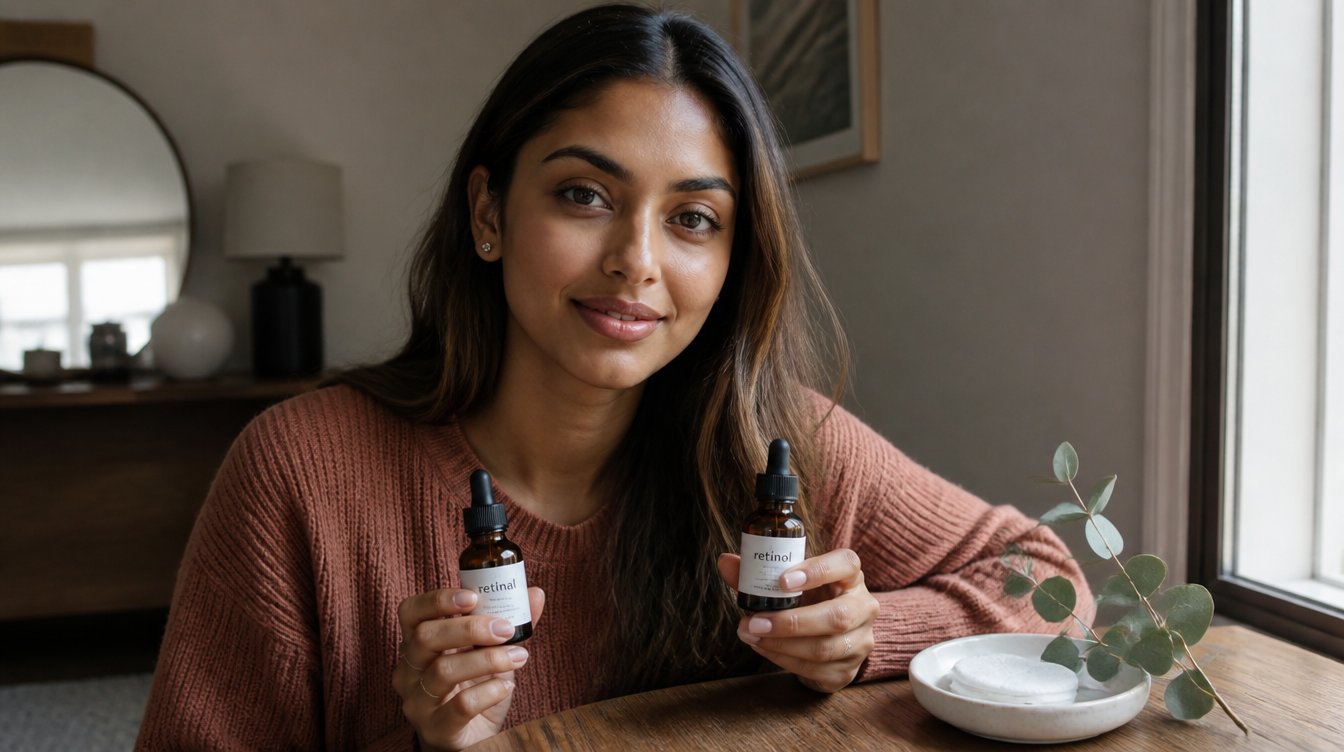
The vitamin A conversation has sharpened in 2025. Shoppers want speed, comfort, and clarity on labels. Brands respond with clearer strength callouts, encapsulated delivery, and more guidance on how to mix products without stressing the skin.
One talking point this year is that public conversations about limits for certain vitamin A forms have nudged more interest toward options that promise quick results with friendly textures. You will see more retinol formulas on shelves, often paired with barrier helpers such as ceramides and glycerin. You will also notice routine advice that places daily sunscreen at the centre of any retinoid plan. This shift matters because it pushes the focus away from chasing the highest number and toward choosing a plan that you can actually follow every night.
What this means for you in practical terms:
-
Labels are easier to read. Concentrations and form names are more prominent.
-
Retinal products are easier to find. Many are positioned as fast-acting.
-
Support ingredients get more attention. Hydrators and soothing agents are placed alongside the active ingredients.
-
Daytime discipline is nonnegotiable. Sunscreen is the partner that keeps progress safe.
Retinal vs Retinol: The Core Differences
Both are in the retinoid family. Both aim for the same outcome. The pathway is what differs.
Conversion pathway
-
Retinol converts to retinal, then to retinoic acid.
-
Retinal converts to retinoic acid in one step.
This is why people call it ‘retinal efficient’. Fewer steps mean a closer path to the active state on the skin. It does not make retinol “bad”. Retinol is a classic, steady worker that many beginners tolerate well in a skin care routine.
Potency and speed in practice
-
Retinol is often described as being faster to show a change in texture and tone.
-
Retinol can be easier for some beginners because low strengths are common and buffers are built into many formulas.
Irritation reality
Irritation is not only about the molecule. It also involves strength, how often you use it, the base formula, the delivery system, and what you mix it with. Encapsulation and barrier-friendly textures help a lot. A smart schedule helps even more.
Where both can help
-
Anti-aging goals like fine lines and rough texture
-
Breakout-prone skin and post-blemish marks
-
Uneven tone and dullness
Where caution is wise
-
Very sensitive skin or skin with a damaged barrier
-
Periods of strong exfoliation
-
Sun-heavy routines without reliable sunscreen use
Choose Your Vitamin A
If you are a beginner or sensitive
Start slowly and gradually. A gentle retinol two or three nights per week is a friendly entry. Use a pea-sized amount for the full face. Apply over dry skin. Follow with a plain moisturiser. Give your skin two to four weeks to adjust. Watch for tightness and stinging that lasts more than a minute. If your skin stays calm and you crave quicker results, you can move to retinol later.
Practical tips that help beginners:
-
Keep the rest of the routine simple. Think cleanser, retinoids, and moisturiser.
-
Add niacinamide or hyaluronic acid on non-retinoid nights to support the skin barrier.
-
Make sure to apply sunscreen every morning.
If you want visible changes sooner
Reach for retinol in a well-stabilised formula. You still start slow. Two to three nights per week for two weeks is a smart ramp. Then move to every other night if your skin stays pleased. Support with ceramides, glycerin, and a soft cleanser. You can expect a smoother feel and a more even look as weeks pass.
If acne is a main goal
Retinal and retinol can both help with congestion and texture. The right choice depends on your tolerance and your plan. Some people like to start with retinol to build comfort. Others go straight to retail because they want momentum. Keep benzoyl peroxide and strong acids on separate nights at first. If you see dryness, pull back on frequency. Always bring sunscreen into your daily routine because many acne routines include active ingredients that raise sun sensitivity.
If pregnant or breastfeeding
Skip retinoids. Place your focus on gentle brighteners, steady hydrators, and daily sunscreen. Vitamin C, niacinamide, and hyaluronic acid are common picks in this window. Always follow your clinician’s advice.
Build a 2025 Routine (Strategy Steps)
Step 1: Prep and patch
Wash with a mild cleanser. Pat dry. Patch test behind the ear or along the jaw the first time you try a new formula. Wait 24 hours. If no strong reaction shows, proceed. At full use, start two to three nights per week.
Step 2: Apply a pea-sized amount at night
Dot a pea-sized amount across the forehead, cheeks, and chin. Smooth it out with light pressure. Avoid the corners of the nose, the corners of the mouth, and the eye contours during your first week. Follow with a simple moisturiser. If you feel stinging or tightness, try the sandwich method. Apply a moisturiser first, followed by a retinoid, and then repeat the process.
Step 3: Pair wisely
Morning is for vitamin C, niacinamide, and sunscreen. Night is for your retinoids plus hydrators. Keep strong acids and benzoyl peroxide on alternate nights at the start. This spacing reduces the chance of dryness and helps you track what causes a reaction.
Step 4: Progress intelligently
Move from two or three nights per week to every other night after two weeks if your skin feels fine. Thereafter, you can aim for nightly use if comfort holds. If you began with retinol and want more speed, switch to retinal after eight to twelve weeks on a calm routine. Make one change at a time so you can spot what your skin likes.
Results Timeline and Expectations
It takes time to see the full benefit of any retinoid. Small wins come first. Your skin can feel a bit smoother within weeks. Tone can look more even over months. Fine lines can look softer with steady use and favourable sun habits. Retinal is often marketed as quicker because the conversion pathway is shorter. Due to its wide range of low strengths, retinol is frequently marketed as being gentler. Your routine and your patience are what turn either one into results.
How to set expectations that keep you motivated:
-
Think in seasons, not days. Track progress with photos every four weeks in the same light.
-
Respect the skin barrier. Add ceramides, glycerin, and squalane if you feel dry.
-
Treat sunscreen as part of the active plan. It protects your progress from daily UV exposure.
-
Avoid product hopping. Keep changes slow and deliberate.
Ingredient Playbook: What to Mix, What to Avoid
Smart partners
-
Niacinamide for calm and clarity
-
Hyaluronic acid for bounce and hydration
-
Ceramides for barrier support
-
Peptides for a soft, cushioned feel
-
Squalane for lightweight comfort
These are easy to fit around retinal and retinol. Use them on non-retinoid nights or layer them after the retinoid if your skin prefers more comfort.
Use with caution or separately.
-
Using AHAs and BHAs on the same night during the initial weeks can lead to excessive irritation. Alternate days at first.
-
Benzoyl peroxide can be drying. Place it on a different night when you start.
-
Strong vitamin C serums can tingle on top of a retinoid. Many people like vitamin C in the morning and the retinoid at night.
When in doubt, keep a log. Note what you used, how your skin felt, and what the next morning looked like. Simple tracking prevents guesswork.
Simple Side-by-Side Table for Clarity
Caption: A short table that translates the pathway difference into real-world choices.
| Criteria | Retinol | Retinal | What it means |
|---|---|---|---|
| Conversion path | Two steps to active | One step to active | Retinal is positioned as efficient |
| Typical feel | Often gentler at low strengths | Often faster in visible change | Match to your tolerance and goals |
| Best for | Beginners, very cautious starts | People who want momentum | Either works with smart pacing |
| Routine tip | Buffer with moisturizer | Start slow and hydrate well | Sunscreen daily protects progress |
FAQs
Is retinal stronger than retinol
Retinal sits one step closer to retinoic acid, so it is often described as ‘faster’. Many people see change sooner with a well-formulated retinal product. That said, “stronger” is not always better if your skin gets tight or flaky. Match the choice with your tolerance.
Can beginners jump straight to retinol?
Yes, beginners can start using retinol if they gradually increase the dosage and ensure their skin barrier is protected. Start two to three nights per week for two weeks. Add a plain moisturiser and watch for signs of dryness. If you feel fine, build up from there.
Which is better for acne, retinal or retinol
Both can help with texture and congestion when used steadily. The better pick is the one you can stick with. Separate strong exfoliants and benzoyl peroxide from your retinoid nights when you start. If breakouts are intense or persistent, talk to a clinician about prescription options.
Can I use vitamin C with retinal or retinol
Yes. A common skincare routine involves using vitamin C in the morning and applying your retinoid at night. This split keeps things simple and friendly for reactive skin.
Are retinoids safe in pregnancy
Avoid retinoids during pregnancy and breastfeeding. Choose gentle hydrators and brighteners instead, and follow your clinician’s guidance.
Why is retinal trending in 2025
Interest has grown because shoppers want results with fewer steps in the conversion pathway. Clearer labels and a push toward barrier-friendly textures also make retinol appealing to many routines this year.
Frequently Asked Questions About Retinal vs Retinol
Is retinal stronger than retinol?
Retinal is more potent at the same percentage because it sits one conversion step closer to retinoic acid, the form your skin actually uses. A 0.05 percent retinal product behaves closer to a 0.3 to 0.5 percent retinol on most skin types, with results showing up in weeks rather than months. The retinal vs retinol gap closes a little if you use a well-formulated high-strength retinol for six months, but for speed at a lower dose, retinal almost always wins.
Can beginners start with retinal or should they use retinol first?
Beginners can start with retinal as long as the percentage is appropriate, usually 0.03 to 0.05 percent two to three nights a week. The misconception that retinol is automatically gentler comes from comparing strong retinals to mild retinols, which is not a fair test. If your skin is reactive, rosacea-prone, or very dry, start at the lowest concentration of either and buffer with moisturiser. In the retinal vs retinol decision, formulation and frequency matter more than the molecule itself.
How long does it take to see results from retinal compared to retinol?
Retinal often shows visible smoothing in two to four weeks, with tone changes settling in by six to eight weeks. Retinol generally needs eight to twelve weeks for the same visible payoff at a comparable strength. The retinal vs retinol speed difference exists because retinal converts to retinoic acid in one step, while retinol needs two. Either way, consistency outperforms percentage, so a low-strength product used four nights a week beats a high-strength one used erratically.
Can you use retinal and retinol in the same routine?
There is no benefit to stacking retinal and retinol on the same night because they hit the same receptor and the irritation risk just stacks too. If you own both, alternate them: retinal on the nights you want a stronger push, retinol on quieter recovery nights. A simpler approach for most people is to commit to one of the two for the full skin cycle of about eight weeks, judge the results, then decide whether to upgrade or stay.
Is retinal or retinol safe during pregnancy?
Neither retinal nor retinol is recommended during pregnancy or breastfeeding. Both convert to retinoic acid in the skin, and topical retinoids carry a precautionary avoid label because high-dose oral vitamin A is teratogenic. The cosmetic exposure from a serum is far lower than oral, but no responsible dermatologist will green-light a retinal vs retinol choice in pregnancy. Swap to bakuchiol, azelaic acid, vitamin C, peptides, or niacinamide until after weaning.
Which is better for acne, retinal or retinol?
Retinal has a slight edge for acne because it shows mild antibacterial activity against Cutibacterium acnes alongside the cell-turnover effect both retinoids deliver. Retinol still works for acne, particularly comedonal acne and post-acne marks, but typically needs a higher strength to match what a moderate retinal does. In the retinal vs retinol acne debate, retinal usually wins on speed of clearance and post-mark fade, while retinol stays a reliable long-game maintenance option.
RELATED ARTICLES:
Quick and Tangy ‘Retinol Salad’ Will Boost Collagen and Reverse Skin Aging
2025 Skincare Revolution: Morning & Evening Routine to Achieve Flawless Skin
Skincare: 5 Proven Ways to Protect, Nourish & Rejuvenate Your Skin in 2025
2025’s Best Natural Wrinkle Remedy: Garlic Skincare Hacks for Ageless Beauty!
Ubtan Face Mask Benefits & How to Make Ubtan Face Mask for Instant Glow 2025
About The Author

COMMENTS