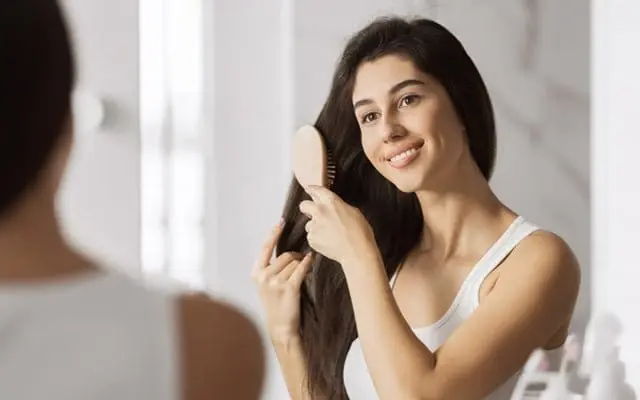
Argan oil for hair has earned its reputation as liquid gold, a lightweight Moroccan treatment that revives dry, brittle, and heat-damaged strands with
Argan oil for hair has earned its reputation as liquid gold, a lightweight Moroccan treatment that revives dry, brittle, and heat-damaged strands without a single harsh chemical. Pressed from the kernels of the argan tree, it restores softness, strength, and shine naturally.
We all know that too much heat styling and chemical treatments can cause damage to our hair, leaving it dry and brittle. But what if there was a natural solution for restoring and strengthening your hair without harsh chemicals? Well, there is argan oil. This lightweight oil is extracted from the kernels of the argan tree, native to Morocco. With its unique antioxidant properties and essential fatty acids, argan oil provides nourishment to both your scalp and hair follicles. In this article, we’ll discuss how argan oil can help damaged hair as well as how it can benefit overall scalp health. Keep reading to learn more!
Reviewed by the BeautynFacts editorial team. Last updated: May 2026.
What is Argan oil?
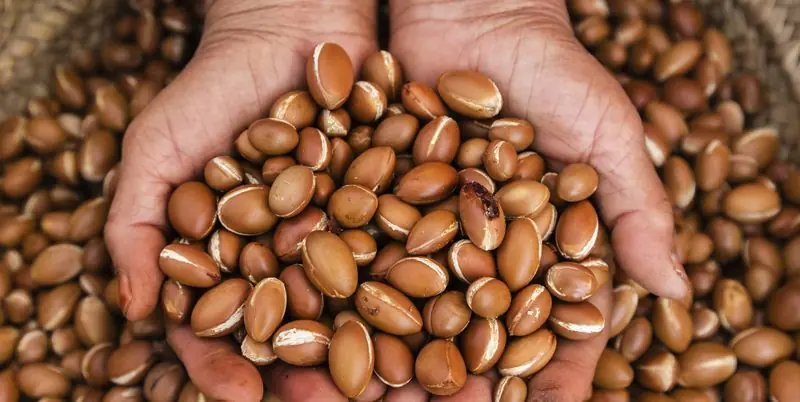
Argan oil is a natural oil that is extracted from the kernels of the argan tree. It has been used for centuries in Morocco for its many benefits. Argan oil is rich in vitamin E and essential fatty acids, which makes it an excellent choice for nourishing and protecting damaged hair. The natural antioxidants in Argan oil can help to repair damage caused by free radicals, while the fatty acids work to lock in moisture and keep your hair healthy and hydrated.
How can argan oil help damaged hair?
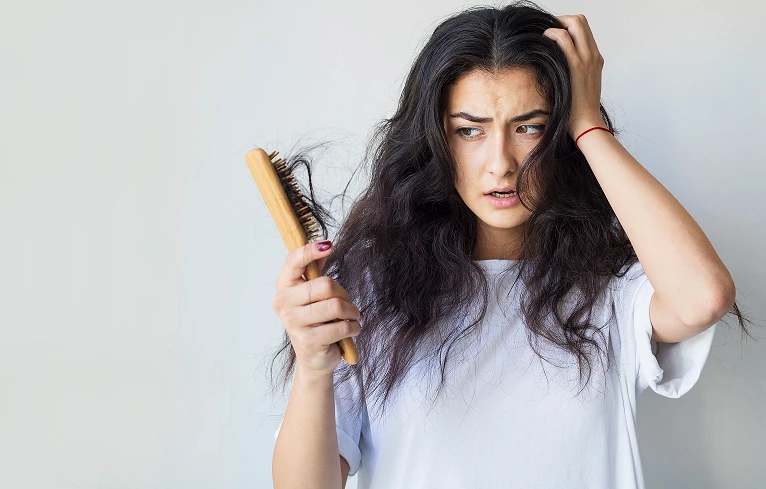
As we age, our hair follicles naturally produce less oil, which can result in dry, brittle, and damaged hair. Argan oil is rich in vitamin E and essential fatty acids, which can help to nourish and revitalise dry, damaged hair. Argan oil can also help to toprotectair from further damage caused by environmental factors such as sun exposure and pollution.
How to use argan oil on hair:
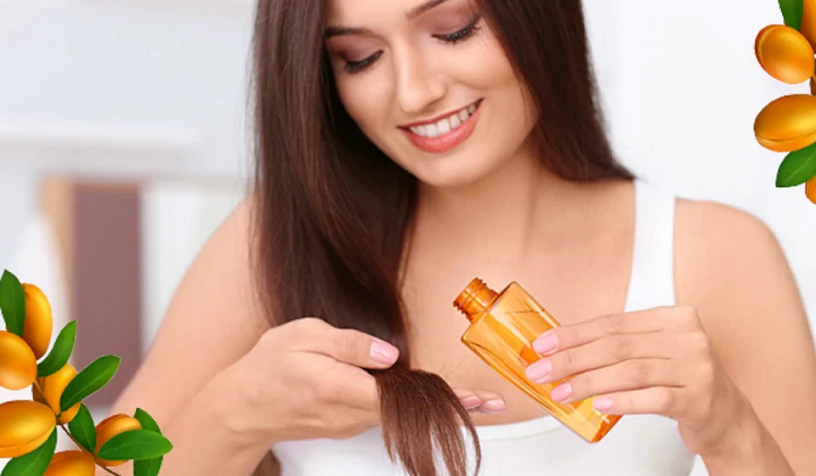
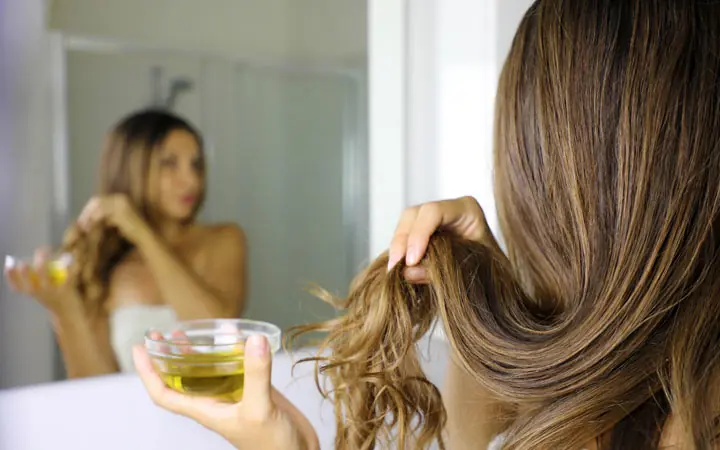
Argan oil is a natural and effective treatment for damaged hair. To use argan oil on hair, first shampoo and condition your hair as usual. Then, apply a small amount of argan oil to your hands and massage it into your hair, focusing on the ends. Leave the oil in your hair for at least 30 minutes, then rinse it out with warm water. You can use this treatment once or twice a week to help repair damage and restore shine to your hair.
The benefits of Argan Oil for hair
Argan oil is an incredibly nourishing and beneficial oil for your hair. It is rich in vitamins, antioxidants, and essential fatty acids, which all work together to help repair and protect damaged hair. Argan oil can help to restore shine and elasticity to dull, dry hair. It can also help to repair split ends and tame frizzy hair. In addition, Argan oil is a remarkable heat protector, so it can help to prevent further damage from heat styling tools.
Argan Oil Recipes
Argan oil is an excellent choice for damaged hair. There are several ways to use it, depending on your hair type and the level of damage. Here are some recipes to get you started:
For dry, damaged hair: Argan oil can be used as a leave-in conditioner or mask. Apply it to damp or dry hair, concentrating on the ends. Leave it in for at least 30 minutes before washing it out.
For brittle, breaking hair, argan oil can help fortify and strengthen it. Use it as a pre-shampoo treatment by massaging it into your scalp and hair before shampooing.
For frizzy, unruly hair: Argan oil can help to tame frizz and flyaways. Apply a small amount to damp or dry hair, focusing on the areas that tend to be frizzy.
Moisturizes and conditions Argan Oil hair
Argan oil is great for moisturising and conditioning your hair. It can help repair damage from heat styling, colour treatments, and environmental stressors. Argan oil is also a great detangler and can help keep your hair looking healthy and shiny.
Improves scalp health
Argan oil is jam-packed with nutrients that can help to improve the health of your scalp. These nutrients include omega-3 fatty acids, vitamin E, and antioxidants. All of these nutrients are essential for keeping your scalp healthy and free from damage. Omega-3 fatty acids help to keep your scalp moisturised and prevent dryness. Vitamin E helps to protect your scalp from free radical damage and keeps it looking young and healthy. Antioxidants help to fight harmful bacteria and keep your scalp clean.
May prevent sun damage
Argan oil is known for its ability to nourish and protect hair from damage. The oil is rich in antioxidants, which can help prevent sun damage. Argan oil can also help repair damaged hair and restore it to its natural strength and shine.
As a result
In conclusion, Argan oil is an effective and natural remedy for damaged hair. It helps to restore the natural vitality of your hair by moisturising it and repairing any damage caused by heat styling, environmental damage or chemical treatments. Its anti-inflammatory properties also help soothe an irritated scalp, which can help restore healthy growth. Whether you have dry, brittle hair or split ends that need fixing, give argan oil a try; you won’t regret it!
Argan Oil for Hair: The Fatty-Acid Science
What sets argan oil for hair apart from coconut, jojoba, and olive oil is its specific fatty acid profile. Argan is roughly 43 percent oleic acid and 36 percent linoleic acid, the exact ratio that penetrates the hair cortex without overcoating the cuticle. This is why a small amount of argan oil for hair delivers shine without making strands greasy or weighed down.
A peer-reviewed paper on argan oil in cosmetics documents significant improvements in cuticle smoothness and tensile strength after consistent topical use. The same paper confirms that argan oil for hair is among the few natural oils with measurable, repeatable repair results in controlled trials.
For best results with argan oil for hair, apply 2-3 drops to the mid-lengths and ends of damp hair after washing. The Healthline argan oil for hair guide recommends a weekly deep treatment where you warm the oil slightly, work it from root to tip, and leave it in for 30 minutes before shampooing. When done consistently, this routine repairs heat damage in 6-8 weeks.
Frequently Asked Questions About Argan Oil for Hair
What does argan oil actually do for hair?
Argan oil moisturises, smooths the cuticle, reduces frizz, adds shine, and protects against heat and environmental damage. It is rich in vitamin E, essential fatty acids, and antioxidants that nourish the hair shaft. The oil works best on dry, damaged, or chemically treated hair, but suits most hair types when applied correctly. Apply two to four drops to the lengths and ends of damp or dry hair, avoiding the scalp on oily hair types. Daily use is fine for very dry hair, while finer hair benefits from two to three times weekly application.
How long does it take argan oil to show hair results?
Surface improvements like softness, shine, and reduced frizz show within one to two weeks of regular use. Deeper benefits like reduced breakage, improved cuticle health, and stronger ends build over four to eight weeks. Significant change in overall hair quality takes three months. Consistency matters more than dose; daily small applications outperform occasional large ones. Pair argan oil with gentle washing, heat protection, and regular trims for the strongest long-term results. Patience produces clearer payoff than constant product switching.
Can argan oil cause buildup on hair?
Yes, especially when applied to the scalp or used in large amounts on fine hair. Argan oil is lighter than coconut oil but can still build up over time, weighing hair down and reducing volume. Apply only to the lengths and ends, use clarifying shampoo once a week if you notice buildup, and reduce the amount on fine hair. Fine hair often does best with two to four drops applied only to the very ends. Heavy daily use on thin hair often produces the buildup people complain about.
Should you use argan oil on wet or dry hair?
Both work, but the result differs. On damp hair after washing, argan oil locks in moisture and reduces frizz as the hair dries. On dry hair, it adds shine, tames flyaways, and refreshes ends. Many people use it both ways: a small amount on damp hair after towel-drying, and a touch on dry hair as a daily finisher. Apply less than you think you need. Two to four drops cover most hair lengths; more leads to greasy results, especially on fine or oily hair.
Can argan oil really repair damaged hair?
Argan oil supports damaged hair by smoothing the cuticle, sealing in moisture, and protecting against further damage. It cannot rebuild the internal protein structure of severely damaged hair on its own. For real repair of chemical damage, heat damage, or bleached hair, combine argan oil with bond-building treatments like Olaplex or K18 and reduce future damage sources. Argan oil works best as preventive and maintenance care. Severely damaged hair often needs significant trims and time alongside any topical treatments.
Is pure argan oil better than argan oil hair products?
Pure argan oil offers higher concentration and no additives, ideal for serious hydration and repair needs. Argan oil hair products like shampoos, conditioners, and masks contain lower concentrations of the oil mixed with other ingredients optimised for specific functions like cleansing or detangling. Both have value. Use pure argan oil as a finishing treatment for maximum impact, and argan-based products as part of your regular routine for ongoing support. The best results come from layering different forms.
RELATED ARTICLES:
How effective are natural remedies for hair loss and damaged hair?
Glass Hair in 2026: The Products and Techniques for a Frizz-Free, Mirror-Like Finish That Lasts
No Chemicals, Just Glow: The Timeless Ritual for Naturally Radiant Skin
Acai Berries for Skin: The Ultimate Antioxidant Boost for Glowing, Healthy Skin
MOB WIFE HAIR: HOW TO GET THE VOLUMINOUS, LIVED-IN LOOK EVERYONE’S OBSESSING OVER
About The Author

COMMENTS