
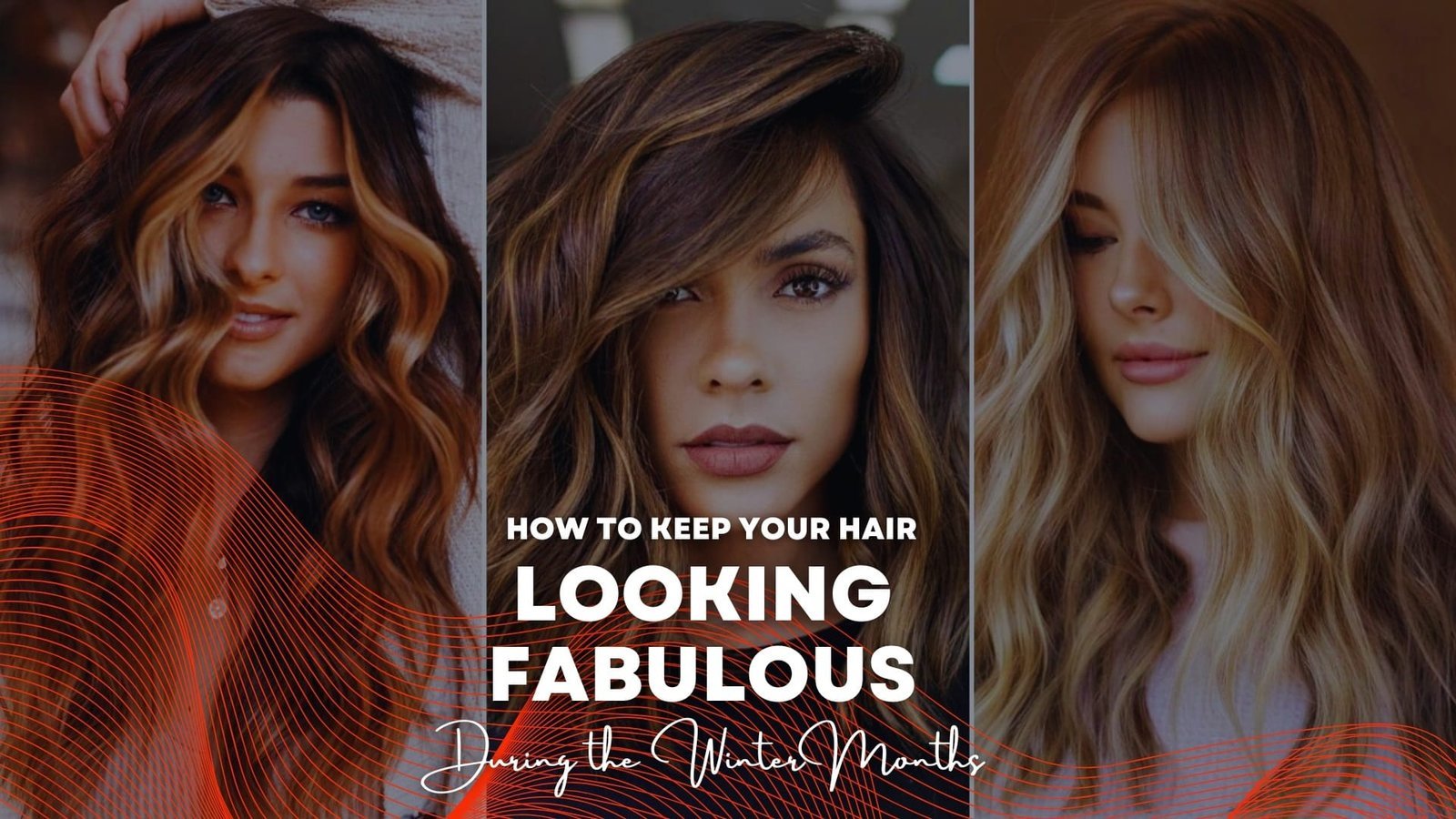
Winter hair care has to do battle with two forces at once: cold dry air outside and overheated indoor air inside, both of which strip moisture from
Winter hair care has to do battle with two forces at once: cold dry air outside and overheated indoor air inside, both of which strip moisture from the cuticle and trigger static, flyaways, and breakage. The summer routine that worked in August stops working in November, and the changes are smaller than most people think. This guide walks through winter hair care in 9 practical habits, from wash frequency to silk pillowcases to the leave-in conditioners that genuinely hold up through the cold months.
Reviewed by the BeautynFacts editorial team. Last updated: May 2026.

-
The Effects of Winter on Hair
The cold temperatures and dry air during winter can lead to a range of hair issues, including:
- Dryness: The lack of moisture in the air causes your hair to become dry, brittle, and prone to breakage.
- Frizz: The dryness and static electricity can make your hair frizzy and unmanageable.
- Dullness: The lack of sunlight and moisture can make your hair look lifeless and dull.
- Split ends: The dry conditions can cause your hair to develop split ends more quickly than usual.
Understanding these challenges is the first step towards developing a hair care routine that will keep your locks looking fantastic throughout the winter months.
-
How to Hydrate and Nourish Your Hair
To counteract the effects of winter, it’s essential to focus on keeping your hair well-hydrated and nourished. Here are some ways to do this:
2.1. Use Moisturizing Shampoos and Conditioners
Switch to a shampoo and conditioner specifically designed for dry, damaged hair. Look for products containing ingredients like glycerin, shea butter, and natural oils, which help to lock in moisture and nourish your hair.
2.2. Deep Conditioning Treatments
Incorporate a deep conditioning treatment into your routine at least once a week. These treatments help to replenish lost moisture and strengthen your hair, reducing the risk of breakage and split ends. Choose a product with hydrating ingredients like argan oil, avocado oil, or keratin.
2.3. Hair Oils and Serums
Applying a hair oil or serum can help to seal in moisture and protect your hair from environmental damage. Look for products containing natural oils like argan, coconut, or jojoba oil, which are lightweight and non-greasy. Apply a small amount to the mid-lengths and ends of your hair, concentrating on any areas that feel particularly dry.
-
How to Maintain Your Hair
Proper maintenance is crucial to keeping your hair looking fabulous during the winter months. Here are some tips to follow:
3.1. Regular Trims
Book regular trims with your hairstylist to keep your hair in its best possible condition. Aim to get a trim every 6-8 weeks to remove split ends and promote healthy hair growth.
3.2. Avoid Over-Washing
Over-washing your hair can strip it of its natural oils, which are essential for maintaining moisture levels. Try to limit your hair washing to two or three times a week, and consider using a dry shampoo in between washes to help absorb excess oil and refresh your hair.
3.3. Limit Heat Styling
Excessive heat styling can cause further damage to your hair, making it more prone to dryness and breakage. Minimize the use of heat tools like hair dryers, flat irons, and curling wands, and always use a heat protectant spray when styling your hair with heat.
-
How to Style Your Hair
To keep your hair looking great during the winter months, consider the following styling tips:
4.1. Braids and Updos
Opt for protective hairstyles like braids, buns, and updos, which help to minimize exposure to the elements and reduce the risk of damage. These styles also help to keep your hair under control, preventing tangles and breakage.
4.2. Heatless Styling Methods
Try heatless styling methods like braiding your hair overnight, using hair rollers, or wrapping your hair around a headband to create waves and curls without the need for heat. This will help to reduce damage and maintain your hair’s health throughout the winter months.
4.3. Accessories
Embrace hair accessories like scarves, hats, and headbands to add some flair to your winter hairstyles. Not only do these accessories look stylish, but they can also provide additional protection against cold temperatures and harsh winds.

Conclusion
Keeping your hair looking fabulous during the winter months doesn’t have to be a challenge. By focusing on hydration, maintenance, and gentle styling techniques, you can maintain your hair’s health and beauty throughout the season. Remember to use moisturizing shampoos and conditioners, incorporate deep conditioning treatments, and limit heat styling to protect your hair from the harsh winter elements. With the right care and attention, you’ll be able to enjoy stunning, healthy hair all winter long.
Frequently Asked Questions About Winter Hair Care
Why does hair get so dry in winter?
Cold outdoor air holds less moisture, and indoor heating creates extremely low humidity, so your hair loses water from both directions. Static increases too because dry air conducts less electricity. Frequent hot showers strip natural oils from the scalp, and wool hats and scarves create friction that lifts the cuticle. The combination of low humidity, hot water, and friction is what makes winter hair care so different from summer routines. The fix is preserving moisture and protecting against friction, not adding more shampoo.
How often should you wash your hair in winter?
Less often than in summer. Most hair types do well with two to three washes a week during winter months. Daily washing strips the oils your scalp needs to compensate for dry air. If your roots get oily, use a light dry shampoo between washes and rinse with cool water rather than hot. Co-washing with conditioner only on non-shampoo days keeps the scalp clean without stripping. People with very oily scalps may still need to wash every other day, but most can stretch their schedule comfortably.
Are hats really damaging hair in winter?
Wool and acrylic hats create friction that lifts the cuticle and breaks individual hairs, especially at the temples and crown. The fix is not skipping hats. Line your hat with silk or satin, or wear a silk scarf underneath. Make sure your hat is loose enough that you can move two fingers between it and your hairline. Take it off briefly indoors to let scalp moisture release. Hat hair flattens roots, so a small dry shampoo or texture spray at the roots brings volume back.
Should you use a heavier conditioner in winter?
Yes, switch to a richer formula or add a leave-in conditioner for the cold months. Look for ingredients like shea butter, argan oil, and ceramides that seal moisture into the hair shaft. A weekly deep conditioning mask becomes more important in winter than the rest of the year. Apply mid-length to ends and leave on for fifteen to twenty minutes under a shower cap. Avoid heavy butters on fine hair, which can weigh it down. Fine-hair winter masks should focus on lightweight oils and humectants instead.
How do you stop hair static in winter?
Add moisture and reduce friction. Use a leave-in conditioner or light hair oil through the lengths, which weighs the hair down enough to neutralise charge. Switch to a wooden or boar bristle brush instead of plastic, which generates more static. Run a sheet of fabric softener over your hairbrush, or carry one in your bag for static emergencies. A silk pillowcase prevents overnight static buildup. Indoor humidifiers raise ambient humidity, which is the single most effective fix for winter hair static.
Does cold weather slow hair growth?
No, hair grows at the same rate year-round regardless of temperature. What can change in winter is breakage. Brittle, dry hair snaps off faster than it grows, which gives the false impression of slow growth. Tight hats, scarves, and wool clothing add friction breakage. Hot showers and over-washing strip the scalp. Treat winter as a season for protecting the hair you have rather than chasing length. By spring you will see more retained length than if you had chased growth and ignored breakage.
RELATED ARTICLES:
MOB WIFE HAIR: HOW TO GET THE VOLUMINOUS, LIVED-IN LOOK EVERYONE’S OBSESSING OVER
How to Care for Your Nails in Winter: Tips for Healthy, Beautiful Nails During the Cold Months
Glass Hair in 2026: The Products and Techniques for a Frizz-Free, Mirror-Like Finish That Lasts
5 Hair Mistakes While Sleeping
Trim Split Ends Regularly for Healthier, Stronger Hair: The Exact Schedule That Works
About The Author

COMMENTS