





Glazed doughnut nails have become shorthand for that pearlescent, lit-from-within manicure everyone screenshots, and the look stays popular because it
Glazed doughnut nails have become shorthand for that pearlescent, lit-from-within manicure everyone screenshots, and the look stays popular because it flatters every nail length and skin tone. Getting it right at home, though, takes a little more precision than it appears.
Glazed doughnut nails are the pearlescent, almost-iridescent manicure that Hailey Bieber turned into a search-engine phenomenon, and the look has stayed in heavy rotation through three trend cycles for one good reason: it works on every nail length, every skin tone, and every occasion. The technique behind glazed doughnut nails is more specific than the photos suggest, and the wrong base or topcoat will leave you with a flat finish. This guide walks through glazed doughnut nails layer by layer with the exact products and techniques that deliver the shimmer.
Published · Updated
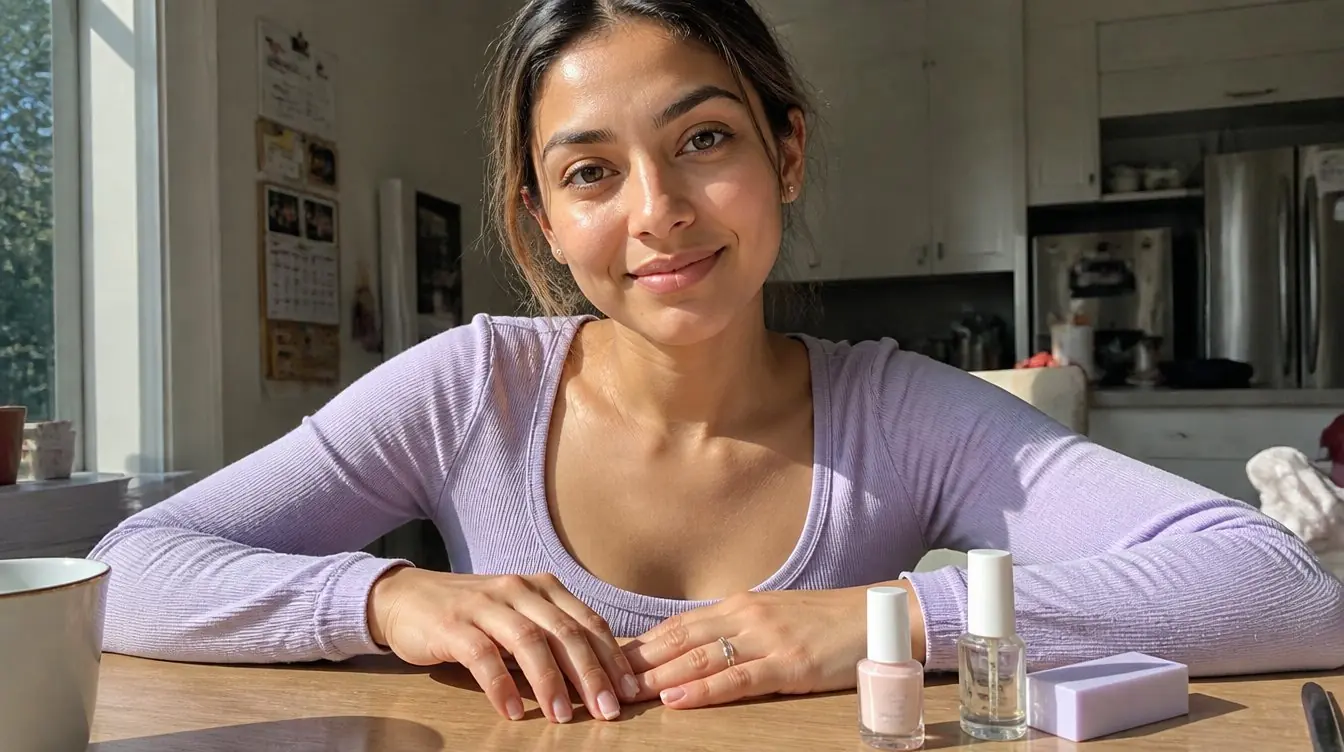
Glazed Donut Nails: How to Get the Perfect Sheer Pearlescent Look
Some nail trends fade within a season. Others become a permanent fixture in the beauty world. Glazed doughnut nails belong firmly in the second category. Hailey Bieber debuted the look in 2022, pairing a sheer milky base with chrome powder and a thick glass-like topcoat. The result was luminous, soft, and immediately iconic. Within weeks, nail salons worldwide were fielding requests for the look, and TikTok tutorials racked up hundreds of millions of views.
What makes this trend so enduring is its versatility. It flatters every skin tone. It works on short nails and long nails alike. It suits casual everyday wear and formal occasions equally well. The aesthetic is understated luxury, and that quality makes it feel timeless rather than fleeting.
This guide covers everything required to achieve the look from scratch. You will learn how chrome powder works at a surface level, how to choose between gel, regular polish, and dip powder formulas, and how to execute the application correctly every time. You will also find guidance on safe removal, nail health, and the hydration habits that build the strongest possible base before you begin. The pearlescent finish you have been seeing everywhere is more achievable than you think.
What Are Glazed Doughnut Nails?
The detail most guides skip on glazed doughnut nails: results compound only when small habits stack. Two careful choices today are worth more than ten half-followed ones, and glazed doughnut nails rewards consistency over weeks, not chasing a single perfect product.
The Origin and Rise of the Trend
The glazed doughnut nail aesthetic traces back to a single Instagram post from Hailey Bieber in early 2022. Her nails appeared on screen for just a few seconds, but the reaction was immediate. Viewers flooded comment sections of nail salons, beauty forums, and Pinterest boards with one question: How do I get that look?
Bieber described the nails themselves as looking like a glazed doughnut. The reference is to the shiny, smooth coating on a freshly made doughnut, that wet, reflective surface that catches light from every angle. Translated onto nails, it becomes a luminous finish that appears almost three-dimensional.
The timing of the trend mattered. Beauty was shifting away from heavily decorated, maximalist nails toward quieter, more refined aesthetics. This look arrived at exactly the right moment, offering an elevated style with minimal colour commitment. By late 2022, major nail brands had launched entire collections inspired by it. Chrome powder kits became best-sellers on beauty retail sites. Three years on, it remains one of the most requested manicure styles in the world.
The Three Defining Elements
This manicure is not simply shiny polish. Three specific components work together to create the signature effect, and understanding each one helps you replicate the look accurately.
The first element is the base colour. The correct base is sheer and milky rather than opaque. Shades like soft white, pale pink, nude blush, or light ivory allow the natural nail to show faintly through the polish. This translucency is essential. A fully opaque base changes the finish entirely, producing a bold metallic look that is attractive but distinctly different from the glazed aesthetic.
The second element is the chrome or pearl powder. This component creates the pearlescent glow. Chrome powder is a finely milled metallic pigment that, when buffed onto a tacky or slightly soft surface, physically adheres to the nail and creates a mirror-like sheen. Unlike glitter, which sparkles through suspended particles, chrome powder produces a smooth, seamless metallic finish.
The third element is the topcoat. A standard topcoat will not achieve the glazed effect. You need either a gel topcoat cured under UV light or a thick, high-gloss air-dry topcoat formulated to create a glass-like surface. The topcoat seals the chrome powder and delivers the signature wet, dimensional appearance that defines the look.
Who the Look Works For
One of the strongest arguments for this manicure style is its universal flattery. The sheer milky base reads differently on different skin tones, but it enhances rather than clashes with every complexion. On deeper skin tones, a pearl or gold-toned chrome over a warm nude base creates a rich, warm glow. On medium skin tones, rose gold or silver chrome over a blush base appears soft and elegant. On fair skin tones, silver chrome over white or cream provides a clean, icy finish.
Nail length is equally flexible. Short, well-maintained nails look sophisticated with this finish. Long nails gain a dramatic, luxurious quality. Almond, oval, coffin, and square shapes all carry the glazed effect beautifully. Even short or recovering nails benefit because the reflective finish draws the eye to the shine rather than to the nail shape or size.
The Science Behind the Chrome Powder Glow
How Chrome Powder Works on the Nail Surface
Chrome powder creates its effect through a combination of physical adhesion and specular reflection. The powder consists of extremely fine metallic particles, often made from aluminium, mica, or a blend of both. When these particles are buffed onto a slightly tacky or semi-soft surface, they flatten and align in a continuous layer across the nail plate. This uniform alignment produces the mirror finish.
When light hits a surface where particles are aligned flat and densely packed, it reflects at a consistent angle. This is specular reflection, the same physics principle that makes mirrors work. A rough or irregular surface scatters light in multiple directions, producing a matte or diffused appearance. Chrome powder on a nail does the opposite: it creates a smooth, continuous reflective plane.
This explains why the application surface matters so much. If the base is fully dry or completely cured before you apply chrome powder, the particles have nothing to grip. They sit loosely on top and brush away. The powder needs a slightly tacky surface to bond properly, which is why technique differs depending on whether you are working with gel or regular polish.
Chrome vs. Pearl Pigment vs. Holographic: Key Differences
These three finishes are frequently confused, and using the wrong product produces a very different result from the glazed doughnut aesthetic.
Chrome powder gives a smooth, seamless metallic sheen that resembles a mirror or polished metal. There is no sparkle, no rainbow shift, and no textured appearance. Chrome is the correct product for this look.
Pearl pigment powder looks similar to chrome but produces a softer, more diffused shimmer. It does not create the sharp mirror finish that chrome delivers. Pearl powder produces a beautiful satin-metallic finish, but it lacks the high-contrast reflectivity of true chrome. Using pearl pigment creates a shimmer manicure rather than the full glazed effect.
Holographic powder contains particles that diffract light into a rainbow spectrum. Rather than reflecting a single colour cleanly, holographic powder scatters light into prismatic flashes. The result is sparkly and eye-catching, but it is entirely unrelated to the glazed doughnut aesthetic. When purchasing products, always check for the word “chrome” and such phrases as “mirror finish” or “metallic gloss”. Avoid anything labelled “holographic”, “duo-chrome”, or “multichrome” unless you want a different effect.
Choosing the Right Chrome Shade for Your Skin Tone
Chrome powders come in silver, gold, rose gold, champagne, copper, platinum, and pale lavender, among others. Choosing the right shade amplifies the look rather than simply completing it.
Silver and platinum chrome flatter cool and neutral skin tones most strongly. The cool metallic reflects the pink and blue undertones in fair to medium complexions. Rose gold chrome is the most universally flattering option. Its warm pink-gold tone complements warm, neutral, and cool skin tones because it sits at the intersection of multiple undertones. This makes it the most popular choice and the shade most closely associated with the original look.
Gold and champagne chrome complement warm and deep skin tones particularly well, creating a rich, luminous finish that enhances golden and olive undertones. Copper chrome adds warmth and depth, looking especially striking on medium-deep to deep complexions. Choosing intentionally rather than defaulting to silver produces a finish that genuinely flatters your specific tone.
Getting Glazed Donut Nails at a Professional Salon
Worth pausing on with glazed doughnut nails: the products matter less than the order and timing. The same shelf can deliver visible glazed doughnut nail results or flat ones depending on the layering.
The Gel Chrome Application Process
Professional salons typically use gel polish as the base for this look because gel provides the ideal tacky surface for chrome powder adhesion. The process follows a precise sequence that determines the quality of the result.
The technician begins with nail preparation: cleaning, filing, lightly buffing the surface, and pushing back the cuticle. A gel base coat is applied and cured under UV or LED light, followed by one or two coats of the chosen sheer milky gel colour, cured after each coat. The final colour coat is cured but has its natural tacky inhibition layer left intact. This tacky layer is what the chrome powder bonds to.
The technician then uses a small silicone sponge or felt-tip applicator to buff the chrome powder across each nail in small circular motions. Even, consistent pressure creates a uniform finish. Uneven pressure leaves patches where the chrome is thin or absent. Once the chrome is applied across all nails, a gel topcoat is applied and cured fully. Some technicians apply two coats of topcoat for extra depth and durability.
Acrylic and Dip Powder as the Base
Gel polish is not the only foundation option for this look. Acrylic and dip powder are both effective bases, each with distinct advantages.
Acrylic nails provide a hard, durable foundation that holds chrome powder exceptionally well. An acrylic set in a sheer or light pink shade, finished with chrome powder and gel topcoat, produces a long-lasting glazed finish that resists chipping for two to three weeks. Acrylic does require skilled application. Poorly mixed or incorrectly applied acrylic can yellow, lift, or cause damage to the natural nail if removed without proper technique.
Dip powder offers an alternative that many find easier to maintain. The powder is applied in thin layers over a base coat, then sealed with activator and topcoat. For the glazed look, a sheer or nude dip shade provides the foundation. Chrome powder is applied before the final topcoat layer. Dip nails tend to be stronger than gel alone and can last up to four weeks with proper care. Regular polish as a salon base is the most temporary option, producing about one week of wear before chipping begins.
What to Ask Your Nail Technician
Walking into a salon and asking for this look by name is usually enough for experienced technicians. However, specifying your preferences clearly produces better results.
State the chrome shade you want. Silver and rose gold are the most common options available. If you want gold, copper, or platinum, call ahead to confirm the salon stocks it. Specify the base colour using the words “sheer”, “translucent”, or “milky” to prevent the technician from applying a fully opaque shade by default. Confirm you want chrome powder specifically, not holographic or glitter, and describe the finish you are after as smooth and mirror-like. Ask for a gel topcoat rather than a regular polish topcoat for the strongest, glossiest seal.
How to Do Glazed Donut Nails at Home
Products You Need
Achieving convincing results at home requires a specific set of products. Substituting or skipping any of these items reduces the quality of the result significantly.
You need a base coat. Any clear nail base coat works. It protects the natural nail, prevents staining, and helps the colour layer adhere evenly. You need a sheer or translucent nail polish in a milky shade. Look for polish names that include words like “milk”, “glazen”, “pearl”, “sheer”, or “cloud”. The formula should let your natural nail show faintly through two coats. If the polish is opaque after one coat, it is too thick for this look.
You need a chrome powder formulated for use over regular polish. These are designed to adhere to a slightly tacky topcoat surface rather than requiring a gel inhibition layer. Silver and rose gold are the most widely available. Purchase a kit that includes an applicator sponge or silicone tool if you do not already own one.
You need a gel-effect high-gloss topcoat. This is not optional. A standard topcoat will not produce the thick, dimensional gloss that defines this finish. Look for topcoats described as “gel effect”, “mega shine”, or “glass finish”. These formulas contain more film-forming agents and produce a thicker, shinier layer than standard options. A nail dehydrator wiped across each nail before the base coat is a small but effective addition that meaningfully extends wear time.
Step-by-Step Application Guide
Follow these steps in order for the best result.
- Prepare your nails. File to your desired shape. Push back your cuticles gently with a cuticle pusher. Buff the surface lightly to remove shine. Wipe each nail with a lint-free pad dampened with nail prep solution or isopropyl alcohol to remove oils and residue.
- Apply base coat. Paint one thin coat over every nail. Let it dry completely before moving on. A dry base coat prevents the colour layer from lifting later.
- Apply two thin coats of your sheer milky polish. Use thin coats rather than thick ones. Thick coats take longer to dry and are more prone to smudging during the chrome step. Allow each coat to dry until it feels barely tacky, not fully hardened.
- Apply your gel-effect topcoat. Apply one even coat across all nails. Do not let it dry completely. You want the surface to remain slightly soft and tacky. This tackiness is what the chrome powder bonds to. About 60 to 90 seconds after application is typically the right window, but test it on one nail first.
- Apply chrome powder. Dip your silicone sponge or applicator into the powder. Tap off any excess. Buff the powder across the nail in small, firm circular motions, working from the base of the nail to the tip. The mirror finish appears immediately. Continue buffing until the entire nail surface is covered evenly.
- Remove loose powder. Use a clean, dry brush to sweep away any loose powder from around the nail edges and cuticles.
- Seal with a final topcoat. Apply one or two coats of your gel-effect topcoat over the chrome. This seals the powder, prevents it from rubbing off, and delivers the final glossy depth. Allow each coat to dry fully before applying the next.
Common Mistakes and How to Avoid Them
The most common mistake is applying chrome powder to a completely dry topcoat. When the surface has hardened fully, the powder has nothing to grip and simply brushes away. The solution is timing: apply the powder while the topcoat is still slightly soft. If your topcoat dries too quickly, work on one or two nails at a time rather than all ten at once.
The second common mistake is applying too much powder in a single pass. Heavy application creates a patchy, uneven finish. Use light pressure and build coverage gradually. Multiple light passes produce a smoother mirror surface than one heavy application.
The third mistake is skipping nail prep. Oils on the nail surface prevent the base coat from adhering properly, causing lifting and shortening wear time dramatically. Always clean each nail before starting. The fourth mistake is sealing with a matt or satin topcoat, which dulls the chrome finish completely. Always use a high-gloss topcoat for the final layer.
Adapting the Look Across Different Polish Types
Gel Polish: The Most Durable Option
Gel polish is the gold standard base for this look. It requires a UV or LED lamp but delivers significantly better results than any air-dry alternative in terms of longevity and finish quality.
When working with gel at home, apply chrome powder to the uncured, tacky inhibition layer of the gel topcoat. After curing your colour coats, apply a gel top coat, but do not cure it. Immediately apply chrome powder to this uncured layer. The powder adheres perfectly and evenly. Once coverage is complete across all nails, cure the topcoat fully under your lamp. Apply a second coat of gel topcoat, cure again, and wipe away the inhibition layer with gel cleanser if desired.
Properly applied gel chrome nails last two to three weeks without chipping, and the finish retains its reflectivity throughout. Gel polish does require careful removal to avoid nail damage. Peeling or picking gel polish causes real structural harm to the nail plate and must be avoided entirely.
Regular Polish: An Accessible Alternative
Regular nail polish produces a convincing glazed effect without requiring a UV lamp or special equipment. Wear time is shorter, typically five to seven days before chipping becomes noticeable, but the application is simpler and the removal process is gentler on the nail.
The technique differs from the gel method. With regular polish, you apply chrome powder to a slightly tacky topcoat rather than an uncured gel layer. The challenge is timing, as regular polish topcoats vary widely in how quickly they set. To find the right window for your specific topcoat, test on one nail. Apply the topcoat, wait 60 seconds, and try applying chrome powder. If the powder adheres smoothly, the timing is correct. If it smears or slides, wait another 30 seconds and test again.
A gel-effect topcoat used for both the chrome bonding step and the final seal produces the best results. Its thicker formula creates a better bonding surface for the powder and a superior gloss finish once fully dried.
Dip Powder and Acrylic Finishes
Both dip powder and acrylic serve as strong foundations for this finish, with advantages in durability and structural support.
With dip powder nails, apply chrome powder before the final activator and topcoat layers. After completing your dip-colour coats and applying the activator, buff the surface lightly to smooth it out. Apply a thin layer of dip base coat, and while it is still tacky, apply the chrome powder using the standard buffing technique. Once coverage is even, apply activator and topcoat to seal completely.
Acrylic nails require a gel or regular polish topcoat layer before chrome can be applied, as chrome powder cannot adhere directly to cured acrylic. Apply a sheer gel or polish coat over the finished acrylic, proceed through the chrome application steps, and seal with a gel topcoat for maximum longevity. Both dip and acrylic foundations extend the life of the chrome finish considerably compared to regular polish alone, and both allow nail extensions for those who want added length.
Making Your Glazed Donut Manicure Last Longer
Prep Work That Extends Wear Time
Longevity starts before you open a single product. Begin by removing all traces of old polish and washing your hands thoroughly. Wipe each nail with isopropyl alcohol or nail dehydrator to remove natural oils. Oils are the primary cause of lifting, and removing them before application meaningfully extends how long the manicure lasts.
File to your chosen shape, then lightly buff the surface to remove shine without over-thinning the nail plate. Push back your cuticles rather than cutting them. Overgrown cuticles cause polish to lift from the nail base, which is where most manicures begin to fail. Finally, apply a thin bead of base coat or gel base along the free edge of each nail. This technique, called capping the edge, seals the tip and prevents the polish from peeling inward from the tip, where most chips originate.
Daily Maintenance Habits
Protecting the manicure during daily activities preserves both the chrome finish and the underlying polish or gel. Wear gloves for household cleaning tasks. Cleaning products containing bleach, acetone, or strong detergents degrade polish and gel faster than almost anything else. Even one cleaning session without gloves can visibly dull the chrome finish.
Apply cuticle oil daily. Well-hydrated cuticles resist cracking and lifting, and the oil keeps the skin around the nail margin supple, which reduces mechanical stress on the polish edge where lifting begins. Reapply a thin coat of high-gloss topcoat every three to four days. This freshens the finish and reinforces the seal over the chrome powder, adding noticeable longevity with very little effort.
Touch-Up Techniques for Chrome Nails
Small chips at the tip are the most common wear issue with chrome nails. For regular polished chrome nails, apply a thin layer of your sheer base polish to the chipped area, let it become slightly tacky, buff a small amount of chrome powder over the spot, and seal with a topcoat. The repair blends almost invisibly with the existing finish.
For gel chrome nails, apply a small amount of gel colour to the chipped area, cure briefly, apply chrome powder to the uncured topcoat layer, and cure to seal it. If the chrome finish develops dull patches from daily wear, a single coat of gel-effect topcoat over the entire nail refreshes the shine without requiring a full redo. This works particularly well on regular polished chrome nails toward the end of their wear life, buying several additional days of presentability.
Safe Removal of Chrome Nail Products
Removing Gel Chrome Nails at Home
Gel polish must be removed by soaking rather than peeling. Peeling gel polish pulls layers of the nail plate away with it, causing thinning, weakness, and sensitivity that can take weeks or months to fully recover from. This applies to chrome gel nails exactly as it does to standard gel polish.
Start by lightly buffing the top surface of the gel with a 180-grit file. This breaks through the seal coat and allows acetone to penetrate the gel layers. Do not file down to the natural nail. Soak small pieces of cotton wool in pure acetone and place one over each nail. Wrap each nail tightly in a small square of aluminium foil to hold the cotton in contact with the gel. Wait ten to fifteen minutes.
After soaking, gently press and twist the foil off. The gel should crumble or flake away with minimal pressure. Use a wooden cuticle stick to push away any remaining gel gently. If gel remains, resoak for another five minutes rather than scraping forcefully. Rinse and wash hands thoroughly after removal, apply cuticle oil or a nail treatment, and allow nails to rest for at least 24 hours before applying a new set.
Removing Regular Polished Chrome-Nails
Regular polish, including the chrome finish applied over it, removes easily with standard nail polish remover. Use an acetone-based remover rather than an acetone-free formula for chrome layers. Chrome powder is oil-soluble and may require more dissolution time than standard polish. Acetone-free removers are gentler but significantly less effective on chrome pigments.
Apply the remover with a cotton pad, press firmly against the nail for a few seconds, then wipe downward from the nail base to the tip. Avoid scrubbing in circular motions, which spreads pigment across the cuticle area and can temporarily stain the surrounding skin. If any chrome pigment does stain the skin, it fades within 24 hours naturally. Applying a thin layer of petroleum jelly around the nail before removal prevents staining entirely. After all polish is removed, wash your hands thoroughly and apply cuticle oil or moisturiser. Acetone dehydrates the nail plate and surrounding skin, and immediate hydration after removal minimises dryness and brittleness.
Nail Recovery After a Chrome Set
Even with careful technique, nails can appear thin, dry, or slightly brittle after prolonged gel or acrylic wear. Recovery is straightforward with consistent effort. Apply a nail strengthening treatment every other day for two to three weeks after removal. Look for formulas containing keratin, biotin, calcium, or hardening resins. These reinforce the nail plate as it grows out and rebuilds its structure from the base.
Keep nails trimmed short during recovery. Short nails are less prone to breaking, and breakage during the recovery period undoes the progress made by strengthening treatments. Massage cuticle oil into the nail and surrounding skin twice daily. Jojoba oil, vitamin E oil, and almond oil are all excellent choices, and the massage action also stimulates blood flow to the nail matrix, supporting healthy new growth.
Nail Health and Hydration for the Best Glazed Finish
Why Nail Health Directly Affects the Chrome Finish
A chrome powder finish is unforgiving of an uneven or damaged nail surface. When the nail plate carries ridges, peeling, or pitting, chrome powder reflects light inconsistently. Instead of a smooth mirror surface, you obtain a patchy, textured finish that highlights imperfections rather than concealing them.
Vertical ridges running from the cuticle to the tip are among the most common nail concerns affecting the glazed finish. They become more prominent with age and dehydration. Chrome powder adheres thickly in the grooves and thinly on the raised ridge lines, creating visible stripes in the finish. Lightly buffing the nail surface before application smooths minor ridges. A ridge-filling base coat adds an additional smoothing layer. For deeper ridges, consistent hydration over several weeks gradually improves the surface as new, healthier nails grow in from the matrix. Peeling nails, where layers of the nail plate separate and flake, create an extremely uneven application surface that chrome powder cannot bridge. These require a period of strengthening treatment before a clean glazed finish is achievable.
Strengthening Brittle Nails Before Application
Brittle nails break before they grow long enough to carry a manicure attractively. Addressing brittleness before beginning a chrome nail set gives you a stronger foundation and extends wear time significantly.
Biotin supplementation supports nail strength from within. Multiple clinical studies have demonstrated that biotin increases nail plate thickness and reduces splitting and breakage over several months of consistent use. A daily dose of 2.5 mg is most commonly used in the research literature. Results are gradual: expect noticeable improvement after six to eight weeks. Protein intake also matters. Nails are made of keratin, a fibrous structural protein. Diets consistently low in protein produce nails that are thin and prone to breakage. Ensuring adequate daily protein from whole food sources supports the keratin production that keeps nails dense and resilient.
Topical strengthening treatments applied between manicures reinforce the existing nail plate while new growth comes in from the base. Apply over bare, clean nails as a base coat before any polish. Some formulas harden immediately; others work cumulatively over weeks. Both types are effective when used consistently and without long gaps.
Hydration Habits for Healthier Nails
Dehydration is the most common and most underestimated cause of nail problems. Nails need moisture to remain flexible and resistant to splitting. Dry nails crack, peel, and break at a much higher rate than well-hydrated ones, and they produce a rougher surface for chrome powder application.
Cuticle oil is your most important daily nail product. Apply it to the base of every nail and massage it into the cuticle and surrounding skin at least once daily. An evening application after washing your face is the easiest habit to establish. Jojoba oil, sweet almond oil, and vitamin E oil all absorb well and condition both the nail plate and the cuticle skin effectively.
Hot water is one of the primary causes of nail dehydration. Frequent hot showers, dishwashing without gloves, and extended hand soaking all draw moisture out of the nail plate. Wearing rubber gloves for wet tasks is one of the most protective habits you can build for nail health. Results are visible within two to three weeks: nails become noticeably less prone to splitting, and the surface appears smoother and more even, creating a better foundation for any nail finish, chrome included.
Frequently Asked Questions About Glazed Donut Nails
Can you do glazed doughnut nails without a UV lamp?
Yes, and the method is straightforward. A UV or LED lamp is only required if you are using gel polish as your base. For a version using regular nail polish, no lamp is needed at any stage. Apply your sheer milky regular polish in two thin coats, follow with a gel-effect glossy topcoat, and apply chrome powder to the slightly tacky topcoat surface before it dries fully. The result is not quite as durable as gel chrome, but it produces a convincing pearlescent finish that lasts five to seven days with normal care. The most important detail is choosing a chrome powder specifically formulated for use over regular polish. These products are designed to adhere without the tackiness of uncured gel, and they perform significantly better than chrome powders intended only for gel systems.
How long do glazed doughnut nails last?
Wear time depends entirely on the product formula used. Gel chrome nails, applied and cured correctly, last two to three weeks before lifting or chipping becomes noticeable. Dip powder with a chrome finish can last up to four weeks. Under normal conditions, acrylic with chrome has a similar lifespan. Regular polished chrome nails last five to seven days with careful maintenance, extendable to about ten days with daily topcoat reapplication and consistent nail care habits. The chrome finish itself, once properly sealed under a topcoat, does not fade or rub off during normal wear. What causes the look to change over time is chipping or lifting of the polish base and gradual dulling of the topcoat surface, not loss of the chrome pigment itself.
Will chrome powder damage my nails?
Chrome powder itself does not damage the nail. It is a surface pigment that sits on top of the polish or topcoat and involves no chemical penetration of the nail plate. The application process consists of gentle buffing, which causes no abrasion at all to the nail itself. Nail damage associated with chrome manicures comes from the base product or the removal process, not from the chrome powder. Gel polish that is peeled rather than soaked off removes nail plate layers regardless of whether chrome was applied over it. Acrylic removal done incorrectly thins the nail regardless of the finish used. Applying and removing chrome nails correctly, with proper preparation and the soak-off method for gel, carries minimal risk to nail health over time.
What is the difference between glazed doughnut nails and chrome nails?
Both looks use chrome powder, but the base colour creates a fundamental difference in the final aesthetic. Traditional chrome nails use an opaque or bold base colour, often black, deep red, or a saturated tone, topped with chrome powder to create a high-contrast metallic statement. The effect reads as clearly ‘metallic’ and ‘bold’. The glazed doughnut look uses a sheer or translucent milky base, which means the chrome reflects through a soft, diffused veil of pale colour rather than over a solid background. The result is pearlescent and ethereal rather than hard and metallic. The key distinction is mood: glazed doughnut nails prioritise a dreamy, barely-there glow, while traditional chrome nails prioritise a dramatic statement finish. Choosing between them is a matter of how much contrast and visual intensity you want from your manicure.
Can I do glazed doughnut nails on short nails?
Absolutely. Short nails carry this finish beautifully. The pearlescent glow is not dependent on nail length, and it suits shorter nails particularly well because the finish draws the eye to the luminous surface rather than to the nail shape or length. Oval and squoval shapes on short nails pair especially well with this finish because their smooth, rounded edges complement the seamless chrome surface. The application technique is identical regardless of nail length. Shorter nails require slightly less chrome powder per nail, but the process and product choices are exactly the same. Many people with short, natural nails prefer this look precisely because it delivers an elevated, polished appearance without the need for extensions or added length.
what to remember and Next Steps
Glazed doughnut nails achieve their signature look through three elements working together: a sheer milky base, a chrome powder finish, and a high-gloss topcoat. Each element is essential. Changing any one of them produces a distinctly different effect.
Chrome powder creates the pearlescent glow through physical adhesion to a tacky surface. Timing the application correctly, whether you work with gel or regular polish, is the single most important factor in achieving a smooth, even, mirror-like finish.
The look is fully achievable at home with regular polish and a gel-effect topcoat. No professional equipment is required. The process rewards patience during the chrome application step more than any other skill or tool.
Nail health directly affects the quality of the finished result. Ridges, peeling, and brittleness all reduce the reflectivity and smoothness of the chrome surface. Consistent cuticle oil use, strengthening treatments between sets, and protective habits during daily tasks build the healthy, even nail plate that chrome powder reflects most beautifully.
Safe removal protects that foundation. Soaking off gel rather than peeling it, using acetone correctly for regular polish, and hydrating immediately after removal keeps the nail plate strong enough to support repeated manicures without accumulated damage.
Start by gathering your three core products: a sheer milky polish, a chrome powder in your preferred shade, and a gel-effect high-gloss topcoat. Follow the application steps in this guide, and you will achieve a convincing salon-quality result from your first attempt.
RELATED ARTICLES:
Get the perfect manicure with dip powder nails.
Trendy Wedding Nails 2026: The Ultimate Guide to Fashionable Bridal Manicures
The Influence of Celebrity Nail Trends: Uncovering the Power of A-List Manicures
How to Care for Your Nails in Winter: Tips for Healthy, Beautiful Nails During the Cold Months
Colors to wear on your nails this fall
The honest bottom line on glazed doughnut nails: consistency beats complexity. Build a few habits into your weekly rhythm, give your skin and hair a real window to respond, and glazed doughnut nails become second nature.
About The Author

COMMENTS