
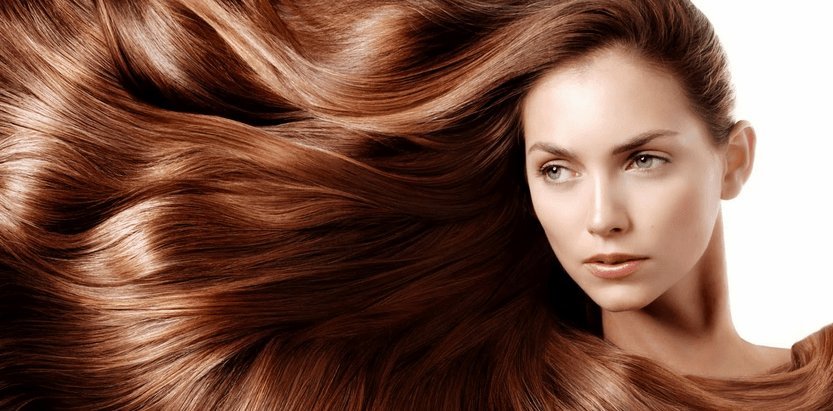
Prevent frizzy hair and you can finally enjoy smooth, silky strands no matter the weather. Frizz happens when the hair cuticle lifts and absorbs moi
Prevent frizzy hair and you can finally enjoy smooth, silky strands no matter the weather. Frizz happens when the hair cuticle lifts and absorbs moisture from humid air, and it is worsened by heat styling, harsh chemical treatments, and dryness. The good news is that a few consistent habits make a real difference. This guide covers the causes and the practical fixes that keep your hair sleek.
Reviewed by the BeautynFacts editorial team. Last updated: May 2026.
What Causes Frizzy Hair? Frizzy hair occurs when the hair shaft swells, causing the cuticles to lift and creating a rough, frizzy texture. There are several factors that can cause frizz, including:
- Humidity: Humidity can cause the hair shaft to absorb moisture from the air, leading to frizz.
- Heat damage: Heat styling tools such as blow dryers, flat irons, and curling irons can cause heat damage, which can lead to frizz.
- Chemical damage: Chemical treatments such as coloring, perming, and relaxing can cause damage to the hair cuticles, leading to frizz.
- Lack of moisture: Dry hair is more prone to frizz, so it’s important to keep your hair well-moisturized to prevent frizz.
- Rough handling: Brushing or combing your hair too roughly can cause damage to the hair cuticles, leading to frizz.
Ways To Prevent Frizzy Hair There are several things you can do to prevent frizzy hair and keep it looking smooth and silky. Here are some tips and tricks that you can try:
- Use a Moisturizing Shampoo and Conditioner Using a moisturizing shampoo and conditioner can help prevent frizz by adding moisture to the hair. Look for products that are specifically formulated for frizzy hair and contain ingredients such as argan oil, coconut oil, or shea butter.
- Avoid Heat Styling Tools Heat styling tools such as blow dryers, flat irons, and curling irons can cause heat damage to the hair, leading to frizz. If you must use heat styling tools, be sure to use a heat protectant spray to help prevent damage.
- Use a Silk or Satin Pillowcase Sleeping on a silk or satin pillowcase can help prevent frizz by reducing friction between your hair and the pillow. This can help keep the hair smooth and silky, even when you wake up in the morning.
- Avoid Rough Handling Brushing or combing your hair too roughly can cause damage to the hair cuticles, leading to frizz. To prevent this, be gentle when brushing or combing your hair and avoid using a brush or comb with rough, stiff bristles.
- Trim Your Hair Regularly Trimming your hair regularly can help prevent split ends, which can lead to frizz. Aim to trim your hair every 6 to 8 weeks to keep it looking healthy and smooth.
- Protect Your Hair from Humidity Humidity can cause the hair shaft to absorb moisture from the air, leading to frizz. To prevent this, you can use a humidifying hair spray or a hair serum that contains silicone to help create a barrier between your hair and the humidity.
- Use a Wide-Tooth Comb or a Denman Brush Using a wide-tooth comb or a Denman brush can help detangle your hair without causing damage. These tools are gentle on the hair and can help prevent frizz.
- Air Dry Your Hair Instead of blow drying your hair, try to air dry it whenever possible. If you must blow dry your hair, use a diffuser attachment and keep the heat on a low setting to prevent heat damage. Additionally, it’s best to avoid rubbing your hair with a towel as this can cause friction and lead to frizz. Instead, gently blot your hair with a towel to remove excess moisture.
- Sleep with Your Hair in a Protective Style Sleeping with your hair in a protective style such as a braid or a bun can help prevent frizz and damage. This will also prevent tangles, which can cause frizz when you comb or brush your hair in the morning.
- Limit Chemical Treatments Chemical treatments such as coloring, perming, and relaxing can cause damage to the hair cuticles, leading to frizz. If you must get these treatments, make sure to use a deep conditioning treatment afterwards to help nourish and protect your hair.
- Use a leave-in conditioner A leave-in conditioner can help add moisture to your hair and prevent frizz. Look for a leave-in conditioner that contains natural oils such as argan oil, coconut oil, or shea butter.

Conclusion Frizzy hair can be a persistent problem, but with the right techniques and products, you can keep it under control. By following these tips and tricks, you can prevent frizz and keep your hair looking smooth and silky. Whether you have curly or straight hair, the key to preventing frizz is to keep your hair well-moisturized and to avoid heat damage and rough handling. Remember to be gentle with your hair and to treat it with care, and you will soon be able to enjoy smooth and silky hair that is free from frizz.
Frequently Asked Questions About Frizzy Hair
What actually causes frizzy hair?
Frizzy hair happens when the cuticle layer lifts and lets moisture from the air swell the hair shaft unevenly. The main drivers are damage from heat styling, colour processing, and rough handling, plus humidity in the air that reactivates raised cuticles. Genetics also play a role, since curly and wavy hair types have naturally more open cuticles. Dehydration in the hair shaft pulls moisture from the air, which is what creates the puff. Fixing frizz means sealing the cuticle and keeping moisture inside the strand.
Does humidity always cause frizzy hair?
For most hair types yes, but the effect can be managed. Humidity slips into the hair shaft and swells the cortex, lifting the cuticle from the inside. Anti-humidity products contain silicones and film-formers that create a moisture-resistant barrier on the cuticle surface. Apply leave-in conditioner, hair oil, and an anti-humidity hairspray as a layered shield before going outside in humid weather. Damp hair fights humidity worst, since it adds the maximum surface area for moisture absorption. Always dry hair fully before going out.
Is silk pillowcase enough to stop frizzy hair?
Helpful but not enough on its own. Silk pillowcases reduce friction during sleep, which prevents the cuticle from lifting overnight. They also keep moisture in your hair rather than absorbing it like cotton does. The benefit is real but modest, usually a twenty to thirty percent reduction in morning frizz. Combine with a leave-in conditioner applied to damp hair before bed, a loose silk scrunchie pulling hair into a high pineapple, and a sealing oil for best results. Silk is one tool, not the whole solution.
How do you prevent frizz during the day?
Apply hair oil to lengths and ends in the morning before going out. Spray a flexible hold hairspray lightly from twelve inches away to seal the cuticle. Avoid touching your hair through the day, since hand oils and friction reactivate frizz. Use a boar bristle or wide tooth comb to smooth without lifting the cuticle. Refresh midday with a small amount of leave-in spray rather than touching up with water, which sometimes makes frizz worse. Consistency in your morning routine prevents most of the daily frizz.
Are anti-frizz products with silicones bad for hair?
No, despite the reputation. Silicones work as a smoothing top layer that locks the cuticle flat. The downside is buildup over weeks, which can leave hair feeling heavy. The fix is using a clarifying shampoo once a month to remove accumulated product, not avoiding silicones entirely. Water-soluble silicones like dimethicone copolyol rinse out easily and are good for daily use. Heavier silicones like cyclomethicone need stronger cleansing but offer longer-lasting smoothness. Choose based on hair type and washing frequency.
Can you reverse frizzy hair permanently?
Permanently no, since hair texture is partly genetic. But you can dramatically reduce frizz by repairing damage and changing daily habits. A six-month routine of bond builders, weekly deep conditioning, no heat styling, regular trims, and silk-friendly sleep transforms most frizzy hair into manageable smooth hair. Chemical smoothing treatments like keratin treatments or hair botox give faster results that last three to six months. The most lasting fix is rebuilding the hair you have rather than chemically restructuring it forever.
RELATED ARTICLES:
Overnight Hair Masks – How to Wake Up with Silky, Smooth Hair
Effortless Hair Detangling: Secrets to Smooth, Knot-Free Hair
How to Prevent Hair Loss The Ultimate Guide
The Science Behind Split Ends and How to Prevent Them
Use a Heat-Protectant Spray Before Blow-Drying Your Hair to Prevent Damage
About The Author

COMMENTS