
Ozempic face skincare is the search everyone reaches for after they notice their cheeks look flatter and their jawline softer during rapid weight loss
Ozempic face skincare is the search everyone reaches for after they notice their cheeks look flatter and their jawline softer during rapid weight loss on a GLP-1 medication. The look has a name because it is common, and the cause is simpler than the panic online suggests. When you lose fat quickly, you lose it from your face too, and the skin that used to sit over that fat now has less to fill it out. The drug is not attacking your skin. Your face is just reflecting the speed of the change. The same speed can push more hairs into a shedding phase, which is why hair thinning shows up alongside it. This guide covers what Ozempic face and GLP-1 hair shedding actually are, why they happen, who tends to notice them, and the skincare, nutrition, and realistic expectations that help you support firmness and hair through the process.
Reviewed by the BeautynFacts editorial team. Last updated: July 2026.
What Ozempic Face Actually Is
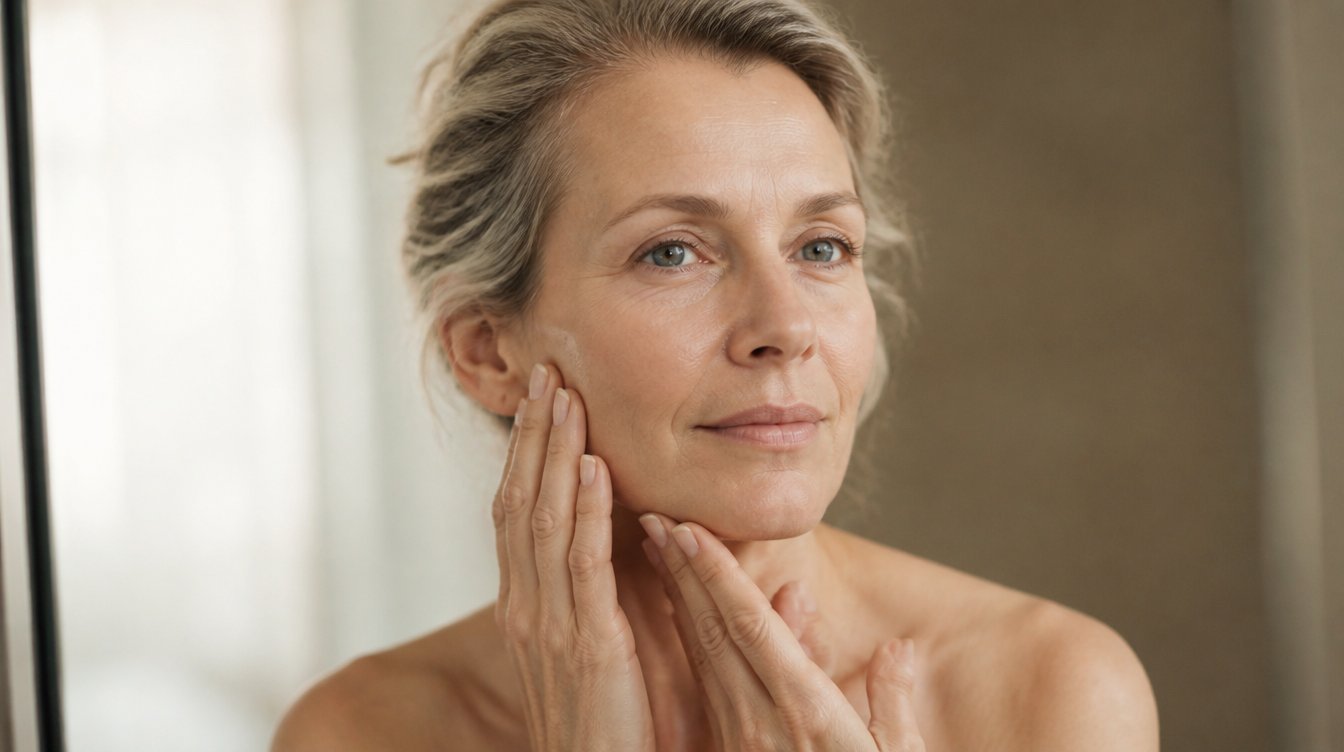
‘Ozempic face’ is a nickname, not a medical diagnosis. It describes the loose, hollow, or aged look some people notice in the face after rapid weight loss on a GLP-1 medication. The term stuck because the change is most noticeable in the face, which is where the world sees it first.
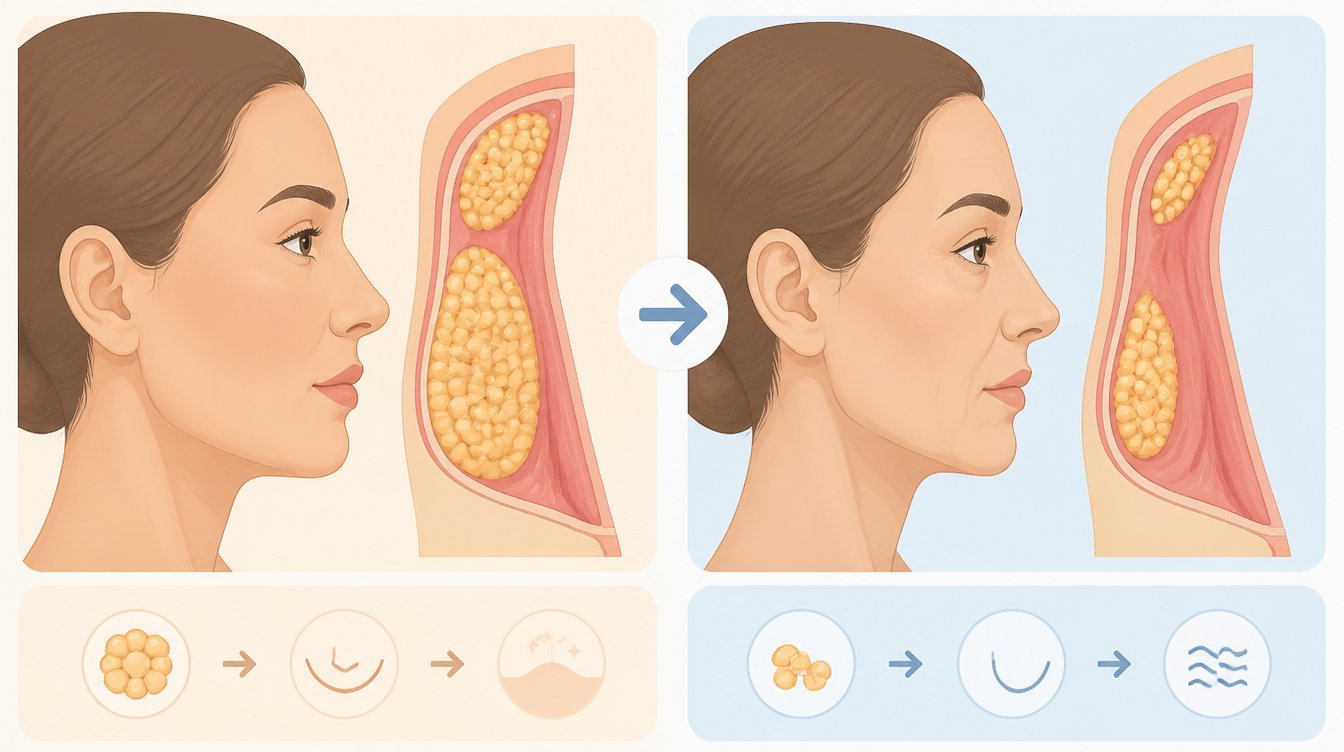
The face carries small, distinct fat pads under the skin. They cushion the cheeks, temples, and the area around the mouth. When those pads shrink, the skin above them has less structure to drape over, so it can look flatter, more hollow, and slightly loose.
This phenomenon is not unique to any one drug. Anyone who loses a large amount of weight quickly, through any method, can see the same thing. The medication simply makes fast loss easier to achieve, so more people are running into the cosmetic side effect at once.
Why Rapid Fat Loss Changes the Face
The key word is rapid. Skin is elastic, but it retracts on its own schedule, and that schedule is slower than a few months of quick weight loss.
Volume goes first
Facial fat pads deflate as body fat drops. Less volume under the cheeks and temples reads instantly as hollowing. This change is the single biggest driver of the Ozempic face look, and it has nothing to do with the drug touching skin cells.
Skin needs time to catch up
Skin can tighten to a new shape, but slowly. When fat disappears faster than the skin can retract, the extra surface area shows up as looseness. Younger skin with more collagen and elastin snaps back better. Skin that has lost some of that scaffolding over the years takes longer or does not fully catch up.
Collagen and age set the baseline
From the mid-twenties onwards, the body produces less collagen each year. By the time many people start a weight-loss medication, the skin already has less bounce in reserve. That is why the same amount of weight loss can look completely unique on two people of different ages.
Who Tends to Notice It Most
Not everyone who loses weight on a GLP-1 sees a dramatic facial change. A few patterns make it more likely, and knowing them helps set expectations before you start.
- Older skin with less collagen and slower retraction
- A large total amount of weight lost, not just a few pounds
- A fast rate of loss over a short number of months
- Naturally lean faces where fat pads were already modest
- A history of significant sun exposure, which weakens skin structure over time
None of these are reasons to fear the medication. They are simply the factors that determine how visible the cosmetic change will be, and most respond well to steady skin support.
What GLP-1 Hair Shedding Is
The second thing people notice is hair. More strands are in the brush, more in the shower drain, and a ponytail that feels thinner. This phenomenon is real, and like the face, it usually traces back to the speed of the change rather than the drug attacking the follicle.
The name for this pattern is telogen effluvium. It is a temporary, diffuse shedding where a larger than normal share of hairs shift into their resting phase at once and fall out a few months later. It is the same shedding people report after childbirth, illness, surgery, or a crash diet.
Two things drive it here. Rapid weight loss is a physical stress the body registers, and eating far less can leave the diet short on the protein, iron, and other nutrients hair needs to grow. Hair is a low priority for the body, so it is one of the first systems to conserve resources.
Why the Hair Shedding Happens Later Than You Expect
The timing confuses people. The shedding often starts two to three months after the weight loss ramps up, not immediately, which makes it particularly tempting to blame the wrong thing.
The three-month delay
When stress pushes hairs into the resting phase, those hairs do not fall out that day. They hold on for roughly three months, then release together. So the shedding you see now usually reflects a change that happened a season ago.
It is a shift, not a stop
Telogen effluvium moves a larger share of hairs into rest at once. It does not switch off your follicles. The follicles are still alive and still capable of growing new hair, which is the reason this kind of shedding is almost always temporary.
Skincare That Supports Firmness
No cream can restore lost fat volume, and any product that claims to do so is overselling. What effective skincare can do is support the skin’s own structure so it looks as firm and healthy as possible while it adjusts. That is a realistic and worthwhile goal.
Retinoids for collagen support
Retinoids are the most studied ingredient for encouraging skin to build collagen over time. Used consistently at night, they can improve firmness and texture across months, not days. Start low and slow to avoid irritation, and always pair them with daytime sunscreen.
Peptides and barrier care
Peptides are small messengers that signal skin to support its repair processes. They are gentle, layer well, and suit people who cannot tolerate strong actives. A healthy barrier, kept intact with ceramides and gentle cleansing, also makes skin look plumper and more resilient.
Hydration and daily sunscreen
Well-hydrated skin looks fuller and reflects light better, which softens the appearance of hollowing. Humectants like hyaluronic acid and glycerin help here. Sunscreen every morning is the single most important firming habit, because ultraviolet exposure breaks down the collagen and elastin you are trying to protect.
In-Clinic Options People Discuss
Once volume loss is significant, some people look at professional treatments. These come up constantly in online conversation, so it helps to understand the categories in plain terms. This is general information, not a recommendation, and you should discuss any of these with a qualified professional who examines your skin.
Energy-based treatments, such as devices that use radiofrequency or ultrasound, aim to stimulate the skin’s own tightening and collagen response. They are talked about for mild looseness. Injectable volume treatments are discussed for replacing lost structure in specific areas. Both are cosmetic procedures with cost, downtime, and individual suitability that only a professional can assess in person.
The honest takeaway is that these are options people explore, not fixes anyone needs. Plenty of people are happy supporting their skin at home and letting time do the rest. The choice is personal, and there is no single right answer.
Nutrition and Protein for Skin and Hair
This is where you have the most direct control, and it is relevant for both the face and the hair. When you eat much less, it is easy to fall short on the building blocks skin and hair depend on.
Protein is the priority
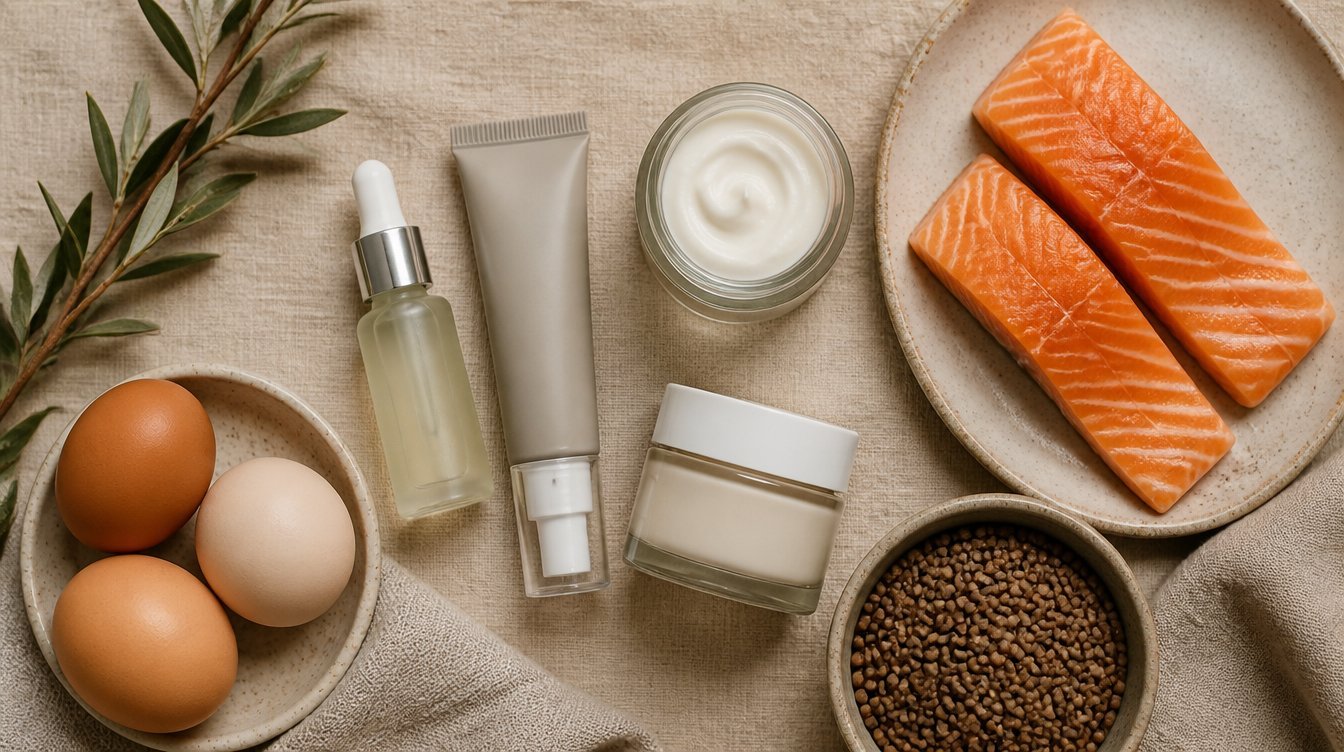
Skin and hair are largely built from protein. Collagen production and hair growth both stall when protein runs low. On a reduced appetite, protein is the nutrient most likely to slip, so making it the anchor of every meal is the highest-value change you can make. Think eggs, fish, poultry, dairy, beans, and lentils.
Nutrients hair depends on
Hair is sensitive to iron, zinc, and overall calorie adequacy. Eating too little for too long is a common trigger for shedding on its own. A varied plate with lean protein, colourful vegetables, whole grains, and healthy fats covers most of these bases without needing any exotic supplements.
Water and steady habits
Hydration supports skin appearance, and steady eating patterns beat crash restriction for both skin and hair. If you are worried about a specific deficiency, a doctor can check with a simple blood test rather than guessing with pills.
Comparing Skin-Support Approaches
People want to know what really works and what is just hype. Here is an honest comparison of the main approaches to supporting facial firmness during weight loss, based on what each one can and cannot do.
| Approach | What it can do | Timeline | Best for |
|---|---|---|---|
| Sunscreen daily | Protects existing collagen and elastin | Lifelong habit | Everyone, non-negotiable |
| Retinoids | Supports new collagen over time | Months | Firmness and texture |
| Peptides and barrier care | Supports repair, keeps skin plump | Weeks to months | Sensitive skin, daily use |
| Protein and nutrition | Feeds collagen and hair growth | Ongoing | Both skin and hair |
| In-clinic treatments | Address volume or looseness directly | Immediate to weeks | Those who choose them, with a pro |
The pattern is clear. The free and low-cost habits at the top do the quiet, reliable work, while the clinic services directly meet the needs of those who want them. None of it requires changing your medication.
The Hair-Shedding Timeline and How to Support It
Understanding the shedding timeline is key, as it helps you avoid panicking at the peak and quitting your support routine too early.
What the timeline looks like
Shedding often begins a couple of months after rapid loss starts, builds over several weeks, and then eases. In most cases, the visible shedding lasts about six months after weight and nutrition stabilise. New growth follows behind it, though regaining full density takes longer than the shedding took to appear.
How to support hair through it
Eat enough protein, keep calories from dropping too low, and be gentle with the hair you have. Avoid tight styles that pull, harsh heat, and aggressive brushing. A mild routine and patience do more than any single miracle product.
- Anchor every meal with a protein source to feed new growth.
- Avoid crash-level calorie restriction, which prolongs shedding.
- Handle wet hair gently and skip tight ponytails and buns.
- Limit high heat styling while the hair is fragile.
- Give it time, since regrowth lags months behind the shedding.
What Skincare Cannot Do
Setting honest limits protects your money and your expectations. A serum cannot rebuild the fat pads that have shrunk, and no topical firms deep facial structure the way volume loss removes it.
Skincare works on the surface and the upper layers. It supports collagen, keeps the barrier healthy, and improves how light hits the skin. That is genuinely useful, and it makes a visible difference to tone, texture, and firmness. It just operates on a different level than the volume change underneath, so pairing realistic skincare with realistic expectations is what keeps people satisfied rather than disappointed.
Prevention and Slower, Steadier Change
You cannot control every factor, but the rate of change is often partly adjustable in conversation with the person managing your care. Slower, steadier loss gives skin more time to retract and gives hair less of a shock to react to.
Alongside pace, the habits that help most are the boring, reliable ones. Enough protein, consistent sunscreen, a simple barrier-friendly routine, and gentle hair handling all stack up. Starting them early, before problems appear, works better than scrambling once shedding is at its peak. This is beauty support, not a medical instruction, so decisions about the medication itself belong with your prescriber.
When to Talk to a Doctor
Most Ozempic face and GLP-1 shedding is a temporary cosmetic reflection of fast weight loss, but a few situations deserve a professional eye rather than a skincare shelf.
See a doctor if the hair shedding is severe, if it keeps going well past six months, if you see bald patches rather than diffuse thinning, or if the scalp is itchy, painful, or inflamed. Those can point to a different cause that a skincare routine will not address. Anyone with questions about the medication itself, their nutrition, or a possible deficiency should raise it with their clinician, who can run simple tests and give advice tailored to them.
Realistic Expectations
The reassuring reality is that most of this settles. Hair shedding from a one-time stress is typically temporary, and it tends to recover once weight and nutrition stabilise. Facial volume change is more lasting because the fat pads genuinely shrank, but skin support and, for some, professional options can soften the look.
The goal is not to reverse healthy weight loss or to chase a face that never changes. It is designed to support your skin and hair sensibly during a period of rapid change, protect what you have, nourish the systems that rebuild, and allow time to do its slow work. Steady habits are more effective than panic buys, and most people come through this period looking and feeling well.
Frequently Asked Questions About Ozempic Face and Hair
What causes Ozempic face?
‘Ozempic face’ is caused by rapid fat loss, not by the medication attacking your skin. The face holds small fat pads under the cheeks, temples, and around the mouth. When body fat drops quickly, those pads shrink, and the skin above them has less structure to fill out, so the face can look flatter, hollow, or slightly loose. Anyone who loses a large amount of weight fast, by any method, can see the same change. Age and existing collagen levels decide how visible it becomes.
Is Ozempic face permanent?
The volume change is more lasting than temporary because the facial fat pads genuinely shrank, but it is not necessarily fixed forever. Younger skin with more collagen and elastin can retract and adjust over time, softening the look on its own. Consistent skincare that supports collagen, along with effective hydration and sun protection, helps the skin look as firm as possible. Some people also explore professional treatments for volume. Slower, steadier weight loss gives skin more time to catch up in the first place.
Does hair loss from GLP-1 medications grow back?
In most cases, yes. The shedding is usually telogen effluvium, a temporary pattern where more hairs than normal enter the resting phase at once and fall out together. The follicles are not damaged or switched off, so they can grow new hair once the body settles. Recovery typically follows once weight and nutrition stabilise, though regaining full density takes longer than the shedding took to appear. Eating enough protein and calories supports that regrowth significantly.
How can I support skin firmness during weight loss?
Focus on the reliable basics. Wear sunscreen every morning, since ultraviolet exposure breaks down the collagen and elastin you are trying to keep. Use a retinoid at night to support collagen over months, and add peptides and barrier care for gentler daily support. Keep skin well hydrated so it looks plumper. Just as important, eat enough protein, because collagen is built from it. No cream rebuilds lost fat volume, but these habits genuinely improve tone, texture, and firmness.
Why is my hair shedding months after starting to lose weight?
This delay is normal and expected with telogen effluvium. When rapid weight loss stresses the body, it pushes a share of hairs into their resting phase, but those hairs do not fall out immediately. They hold on for roughly three months, then release together. So the shedding you notice now usually reflects a change from a season ago rather than something happening this week. The timing makes it particularly tempting to blame the wrong cause, but the pattern is well understood and generally temporary.
Should I stop my medication because of these skin and hair changes?
That decision belongs entirely with your prescriber, not a skincare article. This is beauty and grooming information about the cosmetic side of weight loss, not medical advice, and stopping or changing a prescription is a medical choice. You can support your skin and hair with sunscreen, protein, gentle care, and patience. If the changes worry you, or if hair shedding is severe or lasts beyond six months, talk with your doctor, who can assess your situation properly.
RELATED ARTICLES:
- Collagen Supplements and Skincare: What Actually Supports Firmness
- Cortisol Face: What Facial Puffiness Really Tells You
- Best Foods for Skin Health: Eating for a Stronger Complexion
About The Author

COMMENTS