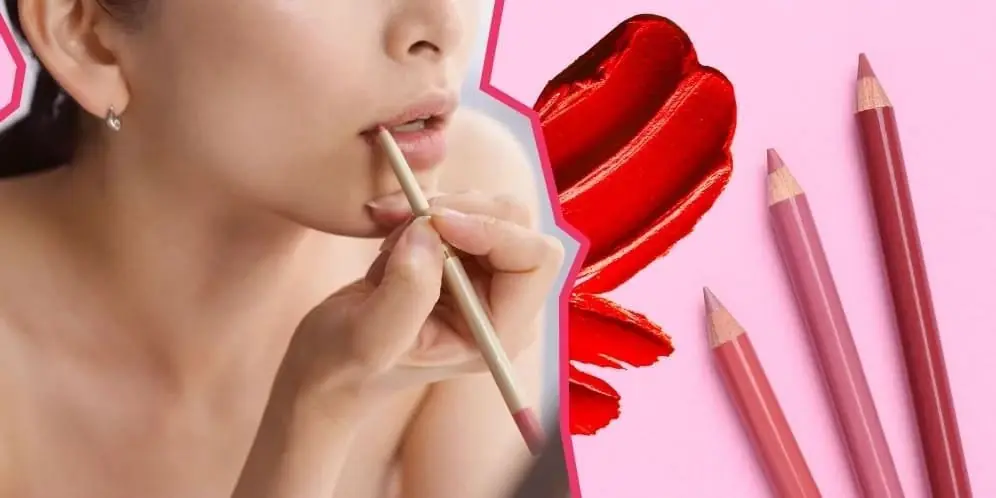
Fuller lips with makeup are within reach for anyone, whether you were born with a naturally thin pout or have lost volume over time. The right mix of
Fuller lips with makeup are within reach for anyone, whether you were born with a naturally thin pout or have lost volume over time. The right mix of preparation, technique, and product can transform your mouth with no cosmetic procedure at all, and the effect is fully reversible and adjustable. Drawing on professional artist methods and color theory, this guide shows you how to prep, overline with precision, choose flattering shades, and lock the look in for lasting wear.
Understanding Lip Volume: Why Some Lips Look Thinner Than Others
Reviewed by the BeautynFacts editorial team. Last updated: May 2026.
The Role of the Vermilion Border and the Cupid’s Bow
The shape of the lips is defined by two primary structures. The first is the vermilion border, the visible edge where the pink lip tissue meets the surrounding skin. The second is the cupid’s bow, the double-curved peak at the top of the upper lip. When these borders are sharp, well-defined, and sit outward, lips naturally appear fuller and more prominent. When the vermilion border is flat, faded, or lacks pigmentation contrast with the surrounding skin, lips look thinner and less structured than they actually are.
Genetics determine most of this architecture. The amount of subcutaneous fat, collagen fibres, and hyaluronic acid naturally present in the lip tissue all determine how much volume appears on the surface. People with lighter skin tones often experience less contrast at the lip border, which causes lips to look flatter in natural light. Understanding this biological foundation gives you a clear picture of what makeup can realistically address and amplify, and why the techniques in this guide are designed to recreate the visual signals of naturally full lips.
How Ageing Reduces Lip Volume
Collagen and hyaluronic acid production begin to slow significantly after the mid-twenties. Both molecules are responsible for the plumpness and structural bounce in soft tissue throughout the body, and the lips are among the first areas where this depletion becomes visible. As reserves decline, lips gradually flatten and lose their defined outer edge. The philtrum, the vertical groove between the base of the nose and the top lip, elongates with age. This causes the upper lip to turn inward slightly, reducing the visible surface area and making the overall mouth appear less prominent.
Fine lines also appear around the lip border over time. These vertical lines allow pigmented lip products to bleed outward, blurring the shape and making lips look less defined. Sun exposure accelerates collagen breakdown at a faster rate, which is why daily SPF application around the perioral area matters beyond aesthetic concerns. Even significant age-related volume loss responds beautifully to the right makeup approach, and the techniques covered in this guide are specifically effective for mature lips.
The Perceptual Science Behind Fuller Lips
Research in facial perception consistently shows that lips with pronounced volume are associated with youth, vitality, and attractiveness across diverse cultures. This is partly because full lips signal higher oestrogen levels and peak collagen density, both of which are associated with early adulthood and good health. When lips appear full and symmetrical, the entire face looks more balanced and energised. Makeup exploits these perceptual cues with precision, using light, shadow, colour contrast, and strategic line placement to reproduce the visual signals that the brain associates with naturally voluminous lips. Every technique in this guide is designed to speak directly to these perception pathways.
Preparing Your Lips: Building the Perfect Base
Exfoliation: Clearing the Path for Precise Application
No lip product performs well on dry, flaky skin. Dead skin cells create an uneven, textured surface that makes lipstick look patchy, causes lip liner to drag and skip, and prevents precise overlined edges from looking clean. Exfoliating your lips two to three times per week clears this barrier and creates a smooth canvas for every product that follows.
You have two reliable options. A dedicated lip scrub, typically formulated with fine sugar granules and a nourishing oil base, is applied in small circular movements for thirty seconds before being rinsed away. A soft toothbrush dampened with warm water works equally well. Use it to brush the lips gently in circular movements with very light pressure. The mechanical action removes dead surface cells and stimulates blood circulation simultaneously, giving lips a natural, healthy flush that enhances the effect of any lip colour applied afterward.
Do not exfoliate if your lips are actively cracked, peeling severely, or show signs of irritation. Allow them to recover fully with a restorative balm before reintroducing physical exfoliation. For best results, exfoliate in the evening so lips have overnight recovery time before your makeup application the next morning.
Hydration: The Biological Plumper You Already Have Access To
Consistently hydrated lips appear measurably plumper than dehydrated ones. When lip skin cells are adequately moisturised, they expand and fill out the surface, smoothing fine lines and giving the lip tissue a naturally elastic, bouncy quality. This alone provides a modest but real increase in visible volume before any makeup product is involved.
Apply a fragrance-free, petroleum-based or shea butter-based lip balm immediately after exfoliation. Give it a full five to ten minutes to absorb before beginning your makeup application. This timing is critical. Applying lip liner or lipstick over a freshly applied, greasy balm causes both products to glide unevenly and significantly reduces their staying power throughout the day. The balm needs time to sink into the tissue and leave behind a hydrated surface rather than a slippery film. For people who deal with chronic dryness, applying a thick barrier-repair balm each night as part of a bedtime routine produces noticeably more responsive lip skin within one week.
Lip Primer: The Overlooked Step That Changes Everything
A lip primer is a thin, often clear or nude-toned product applied directly to the lips before any colour product. Its function is threefold. First, it creates a slightly tacky surface that helps lip liner and lipstick bond securely to the skin rather than sitting loosely on top of it. Second, it neutralises the natural pigmentation of the lips, which allows any lip colour applied over it to read true to its actual shade. Third, it fills in the fine lines around the lip border, which dramatically reduces the tendency of pigmented products to feather or migrate over the course of the day.
Apply primer with a clean fingertip or a small lip brush, spreading it in an even layer across the entire lip surface and slightly beyond the natural border. Allow thirty seconds for it to become slightly tacky before picking up your lip liner. If you do not own a dedicated lip primer, a thin layer of matte concealer that matches your skin tone applied to the lips and blended outward accomplishes the same neutralising effect. This substitution is particularly effective for people who want to wear very light or very cool nude shades that tend to disappear against unprimed lips.
Mastering the Overlining Technique
What Overlining Actually Does and Why It Works
Overlining is the practice of drawing a lip line just beyond your natural vermilion border, then filling in the space between that extended line and your natural edge to create the appearance of a larger lip area. The technique has been a staple of professional makeup artistry for decades. It became widely visible in mainstream beauty culture as consumers began to observe the dramatically full lips in editorial, stage, and celebrity makeup and asked how the effect was achieved without cosmetic procedures.
The principle is straightforward. Because the brain reads the lip line as the boundary of the mouth, moving that boundary outward by even one millimetre convinces the eye that the lips themselves are larger. When executed correctly, there is no visible seam or drawn-on quality. The result looks entirely natural because the colour fills the entire extended area uniformly. The single most important word associated with this technique is subtle. Extending beyond one to two millimetres becomes detectable in conversation and natural light, undermining the intended effect.
Step-by-Step Overlining for a Natural Result
Begin with a perfectly sharpened lip liner in a shade that matches your intended lip colour or sits one tone deeper. A sharp pencil gives you the fine, controllable line the technique requires. A blunt tip delivers uneven, imprecise results regardless of skill level.
Start at the two peaks of the cupid’s bow on the upper lip. Place the pencil tip just outside the natural border at each peak and draw very short, feathery strokes outward toward the corners rather than one continuous drawn line. This feathering approach blends far more naturally into the surrounding skin than a hard, uninterrupted stroke. Work from each peak outward to the mouth corners, staying consistently one millimetre beyond the natural border. For the lower lip, start at the very centre of the natural bow and work outward toward each corner with the same feathery technique.
Once the full outline is drawn, use a small lip brush or the flat edge of the pencil to blend only the inner edge of the overdrawn line toward the centre of the lip. This blending step is what makes the illusion convincing. The outer edge of your line should remain clean and precise. Only the area where the liner meets the lip tissue should be softened. Finally, fill the entire lip including the overdrawn extension with your lipstick, pressing gently into the defined border so no unfilled gap remains between the liner and the colour.
Customising the Technique for Different Lip Shapes
Not every lip shape requires the same approach. If you have a significantly thinner upper lip with a naturally fuller lower lip, concentrate the overline on the upper lip, particularly at the cupid’s bow peaks and the central arch. Applying the same extension to the already fuller lower lip creates imbalance. Overline it conservatively or leave it at its natural border.
If both lips are equally thin, overline both with equal care and consistent symmetry. Pay close attention to the mouth corners. Drawing the overlined corners very slightly upward rather than following a straight horizontal path adds a subtle lifted quality to the overall shape, which also contributes to the impression of fullness. For lips that are uneven, where one side appears noticeably larger than the other, restrict the overlining to the smaller side and match the extended shape to the fuller side. This brings symmetry to the overall shape before any colour intensifies the imbalance.
Choosing the Right Lip Products for Maximum Volume
Lip Liner: The Structural Foundation of a Fuller Pout
Lip liner is the single most impactful product in a fuller-lip makeup routine. It defines the border, extends the shape, prevents colour from bleeding, and provides a precise structured edge for lipstick to sit against. Without it, even a beautifully chosen lipstick shade cannot achieve the same level of definition or visual fullness.
Look for a formula that is firm enough to draw a precise line but not so hard that it drags against the lip skin. Creamy retractable pencils with a fine-pointed tip offer excellent control for beginners and experienced users alike. Very waxy formulas tend to sit on top of the skin rather than bonding to it, which reduces longevity and precision. The liner shade should match your lipstick as closely as possible or sit one tone deeper. A significantly mismatched liner creates the unflattering ring-around-the-lips effect as the lipstick wears from the centre while the contrasting liner remains visible at the border.
Lipstick Formulas That Add Visual Volume
The finish of your lipstick determines a significant portion of how full your lips appear, independent of the colour choice. Flat matte and liquid matte formulas absorb light rather than reflecting it. This eliminates the three-dimensional quality of the lip surface and makes lips look flatter and less prominent. While these formulas offer exceptional pigmentation and longevity, they require companion products to restore optical dimension.
Satin and cream formulas are the most naturally flattering for fuller-looking lips. They carry enough sheen to reflect light from the centre of the lips, creating the impression of a rounded, protruding surface. Glossy formulas produce the most dramatic plumping effect through light reflection and are particularly effective layered over a matte base. A thin press of clear or lightly tinted gloss applied only to the centre of the lower lip can add noticeable visual volume in seconds, even over a matte lipstick, without making the overall look feel overly glossy.
Plumping Glosses and Their Active Ingredients
A category of products called plumping lip glosses uses cosmetically active ingredients to create a temporary increase in lip volume through mild vascular stimulation. The most common active ingredients include capsaicin derived from chilli extract, peppermint oil, cinnamon bark extract, and niacin. These compounds cause a light tingling or mild warmth on the lips, which reflects increased circulation in the superficial blood vessels of the lip tissue. The result is a small but measurable temporary swelling that adds between one and three millimetres of visible fullness for approximately thirty minutes to two hours.
These products work most effectively as a complement to other techniques rather than as standalone solutions. The temporary effect is real but modest. If you experience persistent burning or significant redness rather than gentle tingling, the formula is likely too concentrated for your skin sensitivity. Hyaluronic acid-based plumping formulas offer a gentler alternative, binding moisture to the lip surface and increasing softness and smoothness without any vascular stimulation at all.
Colour Theory and Shade Selection for Visual Fullness
How Light and Dark Shades Affect Perceived Lip Size
Colour theory provides a clear framework for understanding how shade selection affects lip volume perception. Lighter shades visually advance toward the viewer and make surfaces look larger and more prominent. Darker shades recede and make surfaces appear smaller and more contained. This principle applies directly to lip colour. A light to medium nude or pink shade makes lips appear larger. A very deep plum, burgundy, or black shade makes the same lips appear smaller.
This does not mean dark shades are incompatible with fuller-lip goals. It means that when wearing deep shades, additional compensation through strong highlight placement, deliberate overlining, and a high-shine finish becomes necessary to offset the optical shrinking effect of the colour itself. Medium-toned warm nudes, peachy corals, rosy pinks, and soft berry shades occupy the most effective visual territory for naturally maximising lip size without sacrificing versatility.
The Effect of Colour Temperature on Volume Perception
Warm-toned lip shades with peach, coral, terracotta, or golden undertones consistently make lips appear larger than cool-toned shades with blue, grey, or purple undertones. Warm tones mimic the natural flush of healthy, plump lip tissue, and the brain perceives this as a signal of fullness and vitality. Cool-toned shades, particularly very pale lavender-pink or blue-red formulas, can look beautiful but tend to make lips appear more contained.
Nude shade selection is especially important for this reason. Choosing a nude that leans warm rather than cool prevents the lips from visually disappearing against the face. On medium and deeper skin tones in particular, a very cool-toned nude can match the surrounding skin so closely that the lips seem to vanish, which produces the opposite of the desired effect. A nude with a peach, honey, or golden undertone instead creates contrast and draws the eye naturally toward the mouth.
Ombre Lip Technique for Dimensional Fullness
The ombre lip technique uses two shades applied in a gradient to create the impression of a naturally rounded, prominent lip. Apply a slightly deeper shade as your base, covering the full lip including the overlined border. Then press a lighter or more luminous shade directly to the very centre of both the upper and lower lip using a fingertip or a flat brush. Blend the edges of this central application inward so that the gradient is smooth and seamless.
The lighter central area catches the light in the same way that the most prominent part of a naturally full lip does, creating a three-dimensional quality that a single shade cannot achieve. This technique works on every lip shape and skin tone, and the contrast between the two shades can be as subtle or as dramatic as you choose. Even a two-shade difference within the same colour family produces a visibly fuller result compared to a single flat application.
Highlighting and Contouring the Lips for Depth and Dimension
Strategic Highlight Placement for a Plumping Effect
Highlight on the lips follows the same principle as highlight on any part of the face. Light draws the eye forward and creates the impression of surface volume. Precise placement of a small amount of shimmery or pearlescent product adds substantial visual fullness when applied in exactly the right location.
The most effective placement is the centre of the lower lip. After your lipstick and gloss are fully applied, press a small amount of highlighter in a soft oval or teardrop shape to this area using a fingertip. Blend the edges of the highlight into the surrounding lipstick so the product transitions smoothly while remaining luminous at the centre. This creates the impression that the central portion of the lower lip is projecting forward, which is precisely what occurs on a naturally full lower lip. A secondary highlight application at the two peaks of the cupid’s bow sharpens the definition of the upper lip arch and draws additional attention to the mouth. Avoid placing highlight at the mouth corners, as this widens the mouth horizontally rather than adding vertical fullness.
Creating Shadow Beneath the Lower Lip for Contrast
Professional makeup artists frequently apply a small amount of matte contour or shadow just beneath the lower lip in the natural hollow above the chin. This creates a subtle shadow that makes the lower lip appear to project forward by contrast. Use a matte bronzer, a neutral taupe eyeshadow, or a cool-toned contour powder that sits approximately two shades deeper than your natural skin tone. Apply it with a small, fluffy blending brush in a gentle half-moon arc that follows the curve of the lower lip’s base. Blend thoroughly outward so no visible edge remains.
This technique is especially effective in photographs and well-lit environments where facial dimension is flattened by direct light. In natural daylight it produces a quiet but convincing depth beneath the lips that reinforces the perception of a fuller lower lip. The technique combines most powerfully with a light-reflective gloss on the lip above it, maximising the contrast between the receding shadow and the advancing highlight.
Philtrum Highlighting for Upper Lip Prominence
The philtrum is the vertical groove running from the base of the nose to the top of the cupid’s bow. Applying a thin strip of highlight along this groove, tracing from the base of the septum down to the cupid’s bow peaks, draws the eye directly to the upper lip and creates the impression that it sits more prominently on the face. This technique is particularly helpful for people whose upper lip turns slightly inward with age or appears less defined compared to the lower lip.
Choose a matte or fine satin highlighter rather than a chunky glitter formula. A highlighter pencil with a fine tip, or a small flat brush loaded with a champagne-toned pressed highlighter, delivers the precise application this narrow area requires. The entire step takes under thirty seconds and creates a measurable visual difference in how defined and forward-projecting the upper lip appears in relation to the rest of the face.
Setting Your Lip Makeup for All-Day Fullness
The Tissue Blot and Powder Method
Extending the longevity of your lip look is essential for maintaining the volume effect throughout the day. The tissue blot and powder technique is the most reliable method professionals use for this purpose. After applying your lip liner and lipstick, hold a single-ply tissue against your lips and press gently. This removes the outer layer of product, which contains the oils and waxes that cause migration and fading. With the tissue still in place, lightly dust a small amount of translucent powder through the tissue paper onto the lips. The powder binds to the pigment layer remaining on the lips and creates a long-wearing base.
Remove the tissue, apply a second full layer of lipstick, and blot once more. This two-layer application method significantly extends the life of your lip colour and helps maintain the precision of your overlined shape for hours. It also sets the defined border more firmly against feathering, which is particularly important for anyone whose lip colour tends to migrate into fine lines by midday.
Clear Lip Liner as an Anti-Feathering Barrier
A clear or translucent lip liner applied along the outer edge of the lip border before any colour products creates an invisible barrier that stops pigment from travelling into the perioral area. This technique is especially valuable for people over thirty-five, anyone with deep expression lines around the mouth, or those who use high-pigment formulas that tend to bleed regardless of formula weight.
Clear lip liner is also an excellent learning tool for people practising overlining for the first time. Because the product is colourless, small imprecisions in its placement are invisible, which removes the pressure of perfect execution while you are building the muscle memory for the technique. Apply it just outside the natural lip border in the same pattern you would use for a standard overline, then apply all coloured products within and on top of it as normal.
Touch-Up Strategies for Lasting Definition
Eating, drinking, and normal daily conversation all wear away lip products gradually throughout the day. The most efficient midday touch-up method begins with blotting any oil or excess product from the lips using a clean tissue. Reapply the lip liner to the border before layering back the lip colour. Skipping the liner reapplication and going directly to the lipstick is the most common touch-up mistake. Without re-establishing the border, the lipstick settles softly across the lip area without definition, and the entire volume-enhancing effect of the original application disappears. A small lip liner pencil and a gloss or mini lipstick in your bag gives you everything needed for a complete and precise refresh in under two minutes.
Common Mistakes That Make Lips Look Thinner
Skipping Liner and Relying on Lipstick Alone
Applying lipstick without any liner is the single most common mistake made by people pursuing a fuller pout. Lipstick applied directly tends to roll slightly inward from the natural border as the product softens against warm skin. This actually reduces the apparent size of the lips rather than maintaining it. Lip liner applied first locks the intended shape in place, and the lipstick fills within it rather than defining the boundary itself. Without that structural edge, the colour wears to a soft, blurred shape that eliminates any impression of volume or precision.
If the texture of traditional pencil liners feels uncomfortable, liquid lip liners with a fine brush tip or very creamy pencil formulas with a small diameter tip are excellent alternatives. The formula matters less than the function. Any product that allows you to draw a controlled, precise line outside your natural border achieves the same structural result.
Wearing Completely Flat Matte Products Without Compensation
Flat matte lip products, particularly high-pigment liquid mattes, absorb all incoming light from every direction. This total absence of reflection removes every dimensional quality from the lips, making them look painted on a flat surface rather than resting on a curved, three-dimensional structure. The effect is particularly pronounced on thin or age-thinned lips. While matte formulas are beloved for their pigmentation, longevity, and the clean modernity of their finish, they need a companion step to restore the visual depth they eliminate.
A single, small press of clear gloss at the centre of the lower lip resolves this issue immediately. The gloss stays contained within the matte base and does not compromise the overall aesthetic significantly. The result is a lip that reads as matte at the edges, which look structured and deliberate, with a luminous central highlight that reinstates the impression of rounded, forward-projecting volume.
Over-Blending the Overlined Border Into Non-Existence
Blending is fundamental to making overlining look natural, but over-blending is one of the most common reasons the technique fails to deliver visible results. When the overdrawn line is blended so aggressively that no defined outer edge remains, the lip simply reverts to its natural shape with no extension visible. The purpose of blending is to soften only the inner edge of the overdrawn line where it meets the lip colour, not to erase the line from the outside. The outermost edge of the overline must remain clean and placed at the extended position.
Practise blending with very short, inward-directed strokes using a lip brush or the tip of a clean finger. After blending, step back from the mirror and assess the shape at arm’s length. If the lips appear slightly and naturally fuller than your baseline without any visible drawn line, the blend level is correct. If no difference is visible compared to your natural shape, the blending has gone too far.
Frequently Asked Questions
Can overlining make a significant difference on very thin lips?
Yes, overlining produces genuine and visible results on very thin lips, but it requires patience and a willingness to practise before the technique becomes intuitive. On very thin lips, begin conservatively and build the overline in small increments across several sessions to find the maximum extension that still reads as natural. The most impactful placement for very thin lips is the cupid’s bow peaks on the upper lip, where even a half-millimetre to one-millimetre extension changes the apparent lip volume substantially. Pairing overlining with a satin or glossy formula, a central highlight on the lower lip, and philtrum highlighting multiplies the effect considerably and produces a result that is clearly fuller without appearing drawn on.
What lip liner shade works best for a natural fuller-lip effect?
The most convincing result comes from choosing a liner that matches your intended lip colour as closely as possible or sits one tone deeper. Matching liner prevents the visible ring-around-the-lips effect that occurs when lipstick wears from the centre while a contrasting liner remains boldly visible at the border. For people using a nude lipstick, choose a liner that matches the nude shade rather than the natural lip colour, as the two often differ significantly. A technique many professional artists use is filling the entire lip with liner and skipping a separate lipstick altogether. This produces exceptional longevity, a naturally full shape, and excellent resistance to migration throughout the day.
How do I prevent lip liner from looking obviously drawn on?
The drawn-on appearance comes almost entirely from applying the liner with too much pressure in a single continuous stroke. Use a sharp, well-pointed pencil and apply it with light, feathery strokes rather than firm, unbroken lines. Immediately after drawing the outline, blend the inner edge of the liner toward the lip centre using a lip brush, a cotton swab, or your fingertip. Then fill the lips with lipstick pressed gently into the lined border so the colour and liner merge seamlessly. When the lip colour fills every millimetre of the lined area and the liner’s inner edge is softened, only the shape remains visible, not the line itself.
Are plumping lip glosses safe for daily use?
Most plumping lip glosses are safe for daily use, particularly those formulated with peppermint oil, hyaluronic acid, or niacin as the primary active ingredient. These are gentle compounds that cause minimal irritation for the majority of skin types. Formulas relying on high concentrations of capsaicin or cinnamon extract for their plumping action are more intense and may cause cumulative irritation with very frequent application on sensitive or reactive lips. If you notice persistent redness, peeling, or discomfort that outlasts the normal tingling window, reduce the frequency to alternate days or switch to a hyaluronic acid-based formula. These plump through surface moisture retention rather than vascular stimulation and are well tolerated by almost every skin type.
Do these techniques work equally well on all skin tones?
Every technique in this guide applies effectively across all skin tones, with a few minor adjustments in shade selection and product choice. On deeper skin tones, the natural contrast at the vermilion border is often stronger, which means overlining blends especially convincingly because the drawn line disappears easily against the existing definition. Shade selection matters most on deeper skin tones because very cool-toned or ashy nude shades can visually recede against the skin rather than advancing forward. Warm caramels, terracotta shades, deep corals, and rich berries consistently produce a fuller appearance on medium and deep skin tones. For highlight selection, gold and bronze tones flatter warm undertones, while champagne and rose-gold tones suit neutral and cool undertones most effectively.
Conclusion
Creating fuller-looking lips with makeup is a repeatable, learnable skill built on a clear set of principles. Prepare the surface properly, define and extend the shape precisely, choose products and colours that add optical volume, apply light and shadow in the right locations, and lock everything in place for lasting wear. Each of these elements compounds the effect of the others, and the most impactful approach is always to use them together rather than depending on any single product or trick.
The most important takeaways are these. Exfoliate and hydrate before every application session. Neutralise your lip colour with a primer or concealer base. Overline with feathery, light strokes and blend only the inner edge of the line. Choose satin, cream, or gloss formulas over flat matte finishes. Press highlight to the centre of the lower lip and trace a thin strip along the philtrum. Use a concealer border around the overlined shape to sharpen its edge. Set with the tissue blot and powder method and carry liner for midday touch-ups.
The best place to start is with one technique applied consistently. Overlining delivers the highest visible impact for most people and builds confidence quickly. Once that step feels natural and precise, layer in the central highlight, then the contour beneath the lower lip. Within a few weeks, the complete routine becomes fast, intuitive, and genuinely transformative. A fuller, more defined pout is within reach for every person willing to spend a few extra minutes at the mirror, and your makeup bag already holds everything required to make it happen.
RELATED ARTICLES:
Milk Tea Lips & Blurred Edges 2025: The Work-Ready Lip Care Look That Lasts Through Coffee
How to Keep Your Lips Looking Young: Anti-Aging Lip Care Tips
The Power of Aloe Vera for Lips: Hydration Secrets Revealed
Lazy Girl’s Secrets to Perfect Lips: Easy Tips for Soft, Smooth, and Healthy Lips
How to Prevent and Treat Lip Wrinkles: Expert Advice for Beautiful, Youthful Lips
Glossy Lipsticks: The Perfect Choice for a Shiny and Hydrated Look
Glossy Lipsticks: The Ultimate Guide to a Shiny, Hydrated, and Perfectly Polished Pout
In the ever-evolving world of beauty, trends come and go, but the allure of a perfectly polished pout remains timeless. Among the myriad of lip products available, **glossy lipsticks** have consistently held their ground, offering a unique combination of shine, hydration, and captivating color. They are more than just a makeup item; they are a statement of confidence, a touch of glamour, and an instant mood booster. Whether you’re aiming for a subtle, everyday radiance or a show-stopping, high-impact look, the versatility of glossy lipsticks makes them an indispensable tool in any makeup kit. This comprehensive guide delves deep into why glossy lipsticks are the perfect choice for achieving that coveted shiny and hydrated look, exploring their myriad benefits, the science behind their formulation, and providing expert insights to help you navigate the vast landscape of options. We’ll uncover the secrets to selecting the ideal shade, understanding different finishes, and mastering application techniques to ensure your lips look and feel their absolute best.
The Enduring Appeal of Glossy Lipsticks: More Than Just Shine
Glossy lipsticks have captivated beauty enthusiasts for decades, and their enduring popularity is no accident. They offer a unique set of advantages that set them apart from their matte or satin counterparts. The primary draw is undeniably their ability to impart a luminous, light-reflecting finish. This shine not only makes lips appear fuller and more voluptuous but also adds a touch of sophistication and polish to any makeup look. Beyond the aesthetic, however, lies a wealth of functional benefits that contribute to their status as a go-to lip product for many.
The Science of Shine: How Glossy Lipsticks Work Their Magic
The signature shine of a glossy lipstick is not merely a superficial coating. It’s the result of carefully selected ingredients and formulation techniques designed to create a smooth, light-reflecting surface on the lips. At its core, the shine comes from emollients and oils that create a reflective film. These ingredients spread evenly across the lip surface, filling in any fine lines and creating a smooth canvas. When light hits this smooth surface, it reflects uniformly, resulting in that characteristic glossy sheen.
The formulation often includes polymers and waxes that help to bind these emollients and pigments together, ensuring the color stays put while maintaining its glossiness. Unlike some matte formulas that can absorb light, glossy lipsticks are designed to capture and amplify it. This light-reflecting property is crucial for making lips appear plumper and more defined, a sought-after effect for many.
Hydration is Key: Nourishing Your Lips with Every Application
One of the most significant advantages of many glossy lipsticks is their inherent moisturizing properties. Unlike some traditional lipsticks that can be drying, glossy formulas are often packed with nourishing ingredients. These can include:
* **Oils:** Such as jojoba oil, castor oil, coconut oil, and shea butter, which provide deep hydration and a smooth feel.
* **Waxes:** Like beeswax or carnauba wax, which help to lock in moisture and provide a protective barrier.
* **Vitamins and Antioxidants:** Such as Vitamin E, which can help to protect lips from environmental damage and promote healing.
* **Hyaluronic Acid:** Increasingly found in modern formulas, this humectant draws moisture to the lips, plumping them and keeping them hydrated for longer periods.
This focus on hydration makes glossy lipsticks an excellent choice for individuals who struggle with dry, chapped, or flaky lips. They offer a comfortable wear experience, preventing the tightness and discomfort often associated with other lipstick types. The emollient nature of these formulas also helps to smooth the lip surface, making any dryness less noticeable.
The Illusion of Fuller Lips: A Natural Plumping Effect
The reflective quality of glossy lipsticks creates a visual illusion that makes lips appear fuller and more voluminous. The light bouncing off the surface draws attention to the lips, making them appear more prominent. This effect is further enhanced by the smooth, hydrated texture, which plumps the lips naturally without the need for harsh ingredients or invasive procedures. This makes glossy lipsticks a fantastic option for those seeking a subtle enhancement to their natural lip shape.
Comfortable Wear: A Feather-Light Feel on Your Lips
One of the most frequently cited benefits of glossy lipsticks is their superior comfort. The emollient-rich formulas glide on effortlessly, providing a smooth, non-drying sensation. Many are designed to be non-sticky, a common complaint with older gloss formulas. Modern formulations often feature advanced polymers that create a flexible, comfortable film on the lips, allowing for natural movement without feeling heavy or tacky. This comfort is crucial for long-wearing lip color, as it encourages you to keep the product on, rather than constantly needing to reapply or remove it due to discomfort.
Choosing Your Perfect Glossy Lipstick: A Spectrum of Shades and Finishes
The world of glossy lipsticks is vast and varied, offering a delightful array of colors and finishes to suit every taste, occasion, and skin tone. Moving beyond the basic “glossy” descriptor, brands offer nuanced textures and shades that can transform your look. Understanding these variations is key to making an informed choice.
Understanding Different Glossy Finishes: From Sheer to High-Shine
While “glossy” is the overarching term, there are subtle differences in the way these lipsticks deliver their shine and color:
* **Sheer Gloss:** These offer a wash of translucent color with a subtle shine. They are perfect for a natural, “your lips but better” look and are ideal for everyday wear or when you want a hint of color without being overpowering. They often feel very lightweight and hydrating.
* **Satin-Gloss:** These have a bit more pigment than sheer glosses and a noticeable sheen, but without the intense, mirror-like finish of a high-shine gloss. They offer a beautiful balance of color, shine, and comfort, often feeling creamy and moisturizing.
* **High-Shine Gloss / Lacquer Finish:** These are designed for maximum impact, providing an intense, mirror-like shine and often a richer pigment payoff. They create a dramatic, polished look and can make lips appear exceptionally full and defined. These can sometimes be slightly stickier, but modern formulas have greatly improved in this regard.
* **Shimmer or Glitter Gloss:** Some glossy lipsticks incorporate fine shimmer particles or subtle glitter for added dimension and sparkle. These can range from a delicate, sophisticated gleam to a more playful, festive sparkle.
Navigating the Color Palette: Finding Your Ideal Shade
The color of your glossy lipstick can dramatically alter your overall appearance. The key is to select shades that complement your natural undertones and the specific look you’re aiming for.
* **Nudes and Neutrals:** These are the workhorses of any makeup collection. For fair to light skin tones, opt for peachy nudes, pale pinks, or beige shades. For medium to tan skin, warmer nudes with hints of caramel or rose are often flattering. Deeper skin tones can pull off rich caramels, deep beiges, and mauves beautifully. The beauty of sheer nudes is their forgiving nature, often suiting a wider range of complexions.
* **Pinks:** From soft baby pinks to vibrant fuchsias, pinks are universally flattering. Lighter, cooler pinks can brighten fair skin, while warmer, rose-toned pinks suit medium to tan complexions. Deeper, berry-toned pinks or hot pinks can be stunning on darker skin tones.
* **Reds:** A classic for a reason, red glossy lipsticks can range from bright, playful cherry reds to deep, sophisticated burgundy. Blue-toned reds tend to be universally flattering as they brighten the smile. Orange-toned reds are beautiful on warmer skin tones.
* **Berries and Plums:** These rich, deep shades offer a touch of drama and sophistication. They can be particularly striking on medium to deep skin tones but can also be adapted for lighter complexions with sheerer formulas.
* **Corals and Peaches:** These warm-toned shades are perfect for adding a touch of sun-kissed radiance. They are particularly flattering on warmer skin tones and can instantly brighten the face.
Considering Your Undertones: The Secret to Flattering Color
Understanding your skin’s undertones,cool, warm, or neutral,is crucial for selecting lip colors that truly enhance your complexion.
* **Cool Undertones:** If your veins appear blue or purple in natural light, and you tend to burn easily in the sun, you likely have cool undertones. Shades with blue or pink bases, such as berry reds, cool-toned pinks, and true reds, will be most flattering.
* **Warm Undertones:** If your veins appear green or olive, and you tan easily, you likely have warm undertones. Shades with yellow or orange bases, like coral reds, peachy nudes, and warm browns, will complement your skin beautifully.
* **Neutral Undertones:** If you have a mix of blue and green veins, or your skin tone doesn’t lean strongly towards pink or yellow, you have neutral undertones. This is the most versatile, meaning you can pull off a wide range of shades from both cool and warm families.
Formulation Matters: Ingredients to Look For (and Avoid)
When selecting a glossy lipstick, pay attention to the ingredient list. As mentioned earlier, look for nourishing oils, butters, and humectants like hyaluronic acid for maximum hydration. Avoid formulas that rely heavily on drying alcohols or ingredients known to cause irritation if you have sensitive lips. Many brands now clearly list key beneficial ingredients, making it easier to identify hydrating options.
Mastering the Application: Tips for a Perfect Glossy Pout
Achieving a flawless glossy lipstick look is an art, but with a few simple techniques, anyone can master it. The goal is to create a smooth, even application that maximizes shine and longevity.
Prep Your Canvas: The Foundation of a Flawless Finish
Just like with any makeup application, proper lip preparation is essential for a beautiful glossy lipstick look.
* **Exfoliation:** Gently exfoliate your lips to remove any dry, flaky skin. You can use a dedicated lip scrub, a soft toothbrush, or a mixture of sugar and honey. This creates a smooth surface for the lipstick to adhere to, preventing patchiness and ensuring a more even color payoff. Do this a few times a week, or just before application if your lips are particularly dry.
* **Hydration:** Apply a nourishing lip balm and let it sink in for a few minutes before applying your lipstick. Blot away any excess balm with a tissue to prevent the lipstick from sliding. This step is crucial, especially if you’re prone to dryness, as it ensures your lips remain hydrated throughout the day, preventing the glossy lipstick from looking patchy or emphasizing dryness.
* **Lip Liner (Optional but Recommended):** For added definition and to prevent feathering, consider using a lip liner that matches your chosen lipstick shade or your natural lip color. Apply it carefully along your lip line, and you can even fill in the entire lip for a more opaque base. This creates a barrier that helps the glossy lipstick stay within the lip borders.
Application Techniques for Maximum Impact
There are several ways to apply glossy lipstick, each yielding slightly different results.
* **Direct Application:** For sheerer formulas or a quick touch-up, you can apply the lipstick directly from the bullet. Start from the center of your lips and glide outwards towards the corners.
* **Using a Brush:** For more precise application, especially with highly pigmented or bolder shades, use a lip brush. Dip the brush into the lipstick and carefully apply it to your lips, starting from the cupid’s bow and working your way outwards. This allows for greater control and a cleaner finish.
* **The Blot and Reapply Method:** For a more intense color payoff that still maintains a glossy finish, apply one layer of lipstick, blot gently with a tissue, and then apply a second layer. This technique helps to build color intensity and can improve longevity.
* **Adding a Clear Gloss:** If you want to amp up the shine on any lipstick, apply your chosen color first, then top it with a clear, non-sticky lip gloss. This is a great way to transform a satin or cream lipstick into a glossy one.
Dealing with Stickiness: Modern Formulations and Solutions
Older gloss formulas were notorious for their sticky texture, which could be uncomfortable and attract hair. Thankfully, modern formulations have significantly improved. However, if you do encounter a slightly sticky formula:
* **Choose Lightweight Formulas:** Opt for glosses marketed as “non-sticky” or “lightweight.”
* **Apply Sparingly:** Don’t over-apply. A thin, even layer is often more comfortable and less sticky than a thick one.
* **Use a Clear Gloss Over Lipstick:** Sometimes, applying a clear gloss over a traditional lipstick can create a stickier effect than a dedicated glossy lipstick. Look for glosses specifically designed to be non-sticky.
* **The Tissue Blot:** After application, gently press your lips together and then lightly blot with a tissue. This removes excess product and can reduce tackiness.
Ensuring Longevity: Tips for Keeping Your Gloss in Place
Glossy lipsticks, by their nature, are not as long-wearing as matte formulas. However, you can extend their wear time with a few tricks:
* **Use a Lip Liner:** As mentioned, lining and filling your lips with a liner creates a base that helps the color adhere better and prevents it from migrating.
* **Avoid Oily Foods:** Glossy finishes can be disrupted by oily foods. If you’re eating a meal, you may need to reapply afterward.
* **Blotting:** Gently blot your lips after eating or drinking to remove excess product and refresh the color.
* **Layering:** The blot-and-reapply method can also help with longevity.
Glossy Lipsticks for Every Occasion: From Casual Day to Glamorous Night
The versatility of glossy lipsticks means they can seamlessly transition from your everyday look to your most glamorous evening affairs. The key lies in choosing the right shade, finish, and application technique for the context.
Everyday Elegance: Subtle Shine for Daily Wear
For daily wear, the focus is on comfort, subtle enhancement, and effortless style.
* **Sheer Nudes and Pinks:** These are your go-to shades. They add a touch of color and shine without being distracting. Think “my lips but better” with a healthy glow.
* **Hydrating Formulas:** Prioritize formulas rich in emollients and oils that keep your lips comfortable throughout the day, especially if you work in an air-conditioned environment or are prone to dryness.
* **Minimal Application:** A quick swipe directly from the bullet is usually all that’s needed. No need for complex prep or brushes.
* **Pairing:** These subtle shades pair well with any makeup look, from a bare-faced aesthetic to a full face of makeup. They add a polished finish without demanding attention.
Making a Statement: Bold Gloss for Special Events
When you want to turn heads, bold glossy lipsticks are your secret weapon.
* **Vibrant Reds, Berries, and Pinks:** These colors command attention. A high-shine finish amplifies their impact, making your lips the focal point of your look.
* **Precise Application:** Use a lip liner and a lip brush for a sharp, defined edge. This is crucial for bold colors to avoid looking messy.
* **High-Impact Formulas:** Opt for formulas with good pigment payoff and a truly high-shine finish.
* **Balancing Your Makeup:** When wearing a bold lip, keep the rest of your makeup relatively simple. Focus on clean skin, perhaps a defined eye, but let your lips do the talking.
* **Consider the Occasion:** A bright red gloss is perfect for a party or date night, while a deep berry gloss can be incredibly chic for a formal event or a sophisticated evening out.
The “No-Makeup” Makeup Look: Enhancing Natural Beauty
Glossy lipsticks are a cornerstone of the “no-makeup” makeup trend. They provide that coveted healthy, hydrated sheen that mimics naturally plump, dewy lips.
* **Tinted Glosses:** Choose sheer, tinted glosses in shades close to your natural lip color, or slightly deeper berries and roses.
* **Hydration Focus:** Formulas that offer significant moisture are key, as they plump the lips and give them a naturally full appearance.
* **Application:** Apply directly from the tube for a quick, natural finish. The goal is a subtle enhancement, not a dramatic color change.
* **Pairing:** Wear with minimal base makeup, groomed brows, and a touch of mascara for an effortlessly polished look.
Expert Insights and Product Recommendations
To provide a truly comprehensive guide, we’ve gathered insights and highlighted some standout products that exemplify the best of glossy lipsticks. These selections are based on formulation quality, shade range, wearability, and overall customer satisfaction.
Dior Addict Lip Glow: The Iconic Hydrating Balm-Gloss
The Dior Addict Lip Glow is a cult favorite for a reason. While technically a “color reviver balm,” its finish is undeniably glossy and hydrating, making it a perfect entry point into the world of glossy lips.
* **What makes it special:** It reacts to the unique chemistry of each person’s lips to create a subtle, custom flush of color. The formula is infused with mango butter and luffa extract, providing excellent hydration and comfort.
* **The finish:** A beautiful, natural-looking sheen that enhances the lips without being sticky or overly shiny.
* **Shades:** Available in a range of shades from sheer pinks and corals to deeper berries and even a holographic finish. The original “001 Pink” is universally flattering.
* **Who it’s for:** Anyone seeking a comfortable, hydrating, and subtly enhancing lip product for everyday wear. It’s perfect for those who prefer a “your lips but better” aesthetic.
Yves Saint Laurent Volupté Plump-In-Color: Bold Color Meets Plumping Power
This innovative lipstick offers a unique dual-core design for a sophisticated glossy finish with a subtle plumping effect.
* **What makes it special:** The outer shell provides color and shine, while the black-heart center is infused with cooling agents like menthol and cinnamon oil for a gentle plumping sensation and a minty fresh scent. It’s highly moisturizing.
* **The finish:** A rich, glossy color payoff with a noticeable shine. The plumping effect provides a subtle fullness.
* **Shades:** Features a range of bold shades, including vibrant reds, luscious pinks, and deep berries.
* **Who it’s for:** Those who want a more intense color experience combined with a glossy finish and a hint of plumping. It’s ideal for making a statement.
Lancôme Juicy Shaker: The Pigment-Infused Bi-Phase Lip Oil
The Juicy Shaker is more of a lip oil gloss, offering a unique application experience and a comfortable, hydrating finish.
* **What makes it special:** It’s a bi-phase formula containing pigment and nourishing oils (like cranberry, rose, and apricot). You shake it before use to blend the two phases. The cushion applicator allows for a soft, diffused application.
* **The finish:** A lightweight, comfortable shine with a sheer to medium color payoff, depending on the shade. It feels incredibly nourishing.
* **Shades:** Available in a variety of playful and sophisticated shades, often with subtle shimmer.
* **Who it’s for:** Individuals who love the feel of lip oils and want a comfortable, hydrating, and subtly tinted glossy lip. It’s perfect for those who dislike heavy lipsticks.
Fenty Beauty Gloss Bomb Universal Lip Luminizer: The Ultimate High-Shine Gloss
Rihanna’s Gloss Bomb is renowned for its incredible shine, flattering shades, and comfortable, non-sticky feel.
* **What makes it special:** Formulated with shea butter and a blend of pepper plant extracts for a subtle plumping effect. The large doe-foot applicator makes application easy and ensures an even coat.
* **The finish:** Intense, mirror-like shine with a flattering shimmer that catches the light beautifully. It feels surprisingly non-sticky for such a high-shine product.
* **Shades:** Offers a range of universally flattering shades, often with subtle shimmer, designed to look good on everyone. “Fenty Glow” is the iconic original shade.
* **Who it’s for:** Anyone seeking maximum shine and a comfortable, non-sticky formula. It’s perfect for making a statement or adding a touch of glamour to any look.
Pat McGrath Labs Lust: Gloss
Known for its luxurious formulations and intense color payoff, Pat McGrath’s glosses are a high-end option for those who appreciate quality.
* **What makes it special:** These glosses are formulated with conditioning ingredients to provide hydration and a smooth feel. They offer intense pigment and a high-shine finish.
* **The finish:** A rich, vinyl-like shine that makes lips look incredibly full and plush. Pigment payoff is excellent.
* **Shades:** Available in a wide spectrum of colors, from nudes and pinks to bold reds and deep purples, often with unique shimmer effects.
* **Who it’s for:** Makeup aficionados looking for luxurious, intensely pigmented, and high-shine glosses with a comfortable wear experience.
Addressing Common Concerns: Glossy Lipsticks and Their Nuances
While glossy lipsticks offer numerous benefits, potential users might have a few lingering questions or concerns. Addressing these can help solidify their place in your makeup routine.
Are Glossy Lipsticks Suitable for Mature Skin?
Absolutely. In fact, glossy lipsticks can be particularly flattering for mature skin. As we age, lips can naturally lose some volume and definition, and fine lines around the mouth may become more pronounced. The light-reflecting properties of glossy lipsticks help to:
* **Create the illusion of fuller lips:** The shine draws attention and makes lips appear more voluminous.
* **Soften the appearance of fine lines:** The smooth, emollient formula glides over lip lines, making them less noticeable than a drying matte lipstick might.
* **Add a youthful radiance:** The luminous finish can brighten the face and give a more vibrant appearance.
The key is to choose hydrating formulas and avoid overly sticky textures, which can sometimes settle into lines. Sheer to medium coverage glosses in flattering shades are often ideal.
Can Glossy Lipsticks Be Worn in the Office?
Yes, with the right shade and finish. For a professional setting, opt for:
* **Subtle Shades:** Nudes, soft pinks, rosy tones, or sheer berry shades are appropriate.
* **Sheer to Satin Finishes:** Avoid extremely high-shine or glittery formulas that might be perceived as too flashy.
* **Comfortable Formulas:** Choose non-sticky, hydrating options that feel good throughout the day.
A well-applied sheer tinted gloss or a satin-finish glossy lipstick can add a polished touch to your work attire without being distracting.
How Do Glossy Lipsticks Differ from Lip Tints and Lip Oils?
While there can be overlap, these categories generally differ in their primary function and finish:
* **Glossy Lipsticks:** These are traditional lipsticks with added emollients and polymers to create a shiny finish. They offer color payoff ranging from sheer to opaque and a noticeable glossy sheen.
* **Lip Tints:** These are designed to stain the lips, providing long-lasting, often sheer color. They typically have a matte or natural finish and are known for their longevity. Some modern tints may have a glossy finish, blurring the lines.
* **Lip Oils:** These are primarily focused on hydration and nourishment, often containing a blend of beneficial oils. They usually provide a sheer wash of color or a clear, glossy shine and feel very lightweight and comfortable. Some lip oils can have a slightly stickier texture than glosses.
Glossy lipsticks aim to provide both color and shine, often with a creamy texture, whereas tints focus on color longevity and oils prioritize hydration and a lighter feel.
Conclusion: Embrace the Shine and Hydration of Glossy Lipsticks
Glossy lipsticks are a testament to the power of simple elegance. They offer a unique blend of aesthetic appeal and functional benefits, making them an indispensable part of any makeup collection. From their ability to impart a radiant shine and the illusion of fuller lips to their deeply hydrating properties and comfortable wear, it’s clear why they remain a beloved choice.
Whether you prefer a subtle, everyday sheen or a high-impact, lacquered finish, there is a glossy lipstick perfectly suited to your needs and style. By understanding the science behind their formulation, exploring the vast spectrum of shades and finishes, and mastering application techniques, you can unlock the full potential of this versatile product. Embrace the shine, cherish the hydration, and let your glossy lips do the talking. They are, indeed, the perfect choice for a look that is both captivatingly shiny and wonderfully hydrated.
Frequently Asked Questions About Glossy Lipsticks
What is the main benefit of using glossy lipsticks compared to matte lipsticks?
The primary benefit of glossy lipsticks over matte lipsticks is their ability to provide a shiny, light-reflecting finish that makes lips appear fuller and more hydrated. Matte lipsticks, by contrast, absorb light and can sometimes emphasize dryness or fine lines. Glossy formulas are also typically more moisturizing and comfortable to wear, making them ideal for those with dry lips or who prefer a non-drying sensation.
Are glossy lipsticks suitable for all lip types, including dry or chapped lips?
Yes, glossy lipsticks are generally very suitable for dry or chapped lips. Their formulations are often rich in emollients, oils, and hydrating ingredients like shea butter or hyaluronic acid, which help to moisturize and soothe the lips. The smooth, glossy surface also helps to camouflage any existing dryness or flakiness, providing a more comfortable and aesthetically pleasing look compared to matte formulas that can cling to dry patches.
How long does a typical glossy lipstick last on the lips?
Glossy lipsticks are generally not as long-wearing as matte lipsticks due to their emollient nature, which can transfer more easily. Typically, you can expect a glossy lipstick to last anywhere from 2 to 4 hours, depending on the specific formula, application, and whether you are eating or drinking. For extended wear, reapplication throughout the day is usually necessary.
Can I achieve a “plumper” lip look using glossy lipsticks?
Absolutely. The light-reflecting properties of glossy lipsticks naturally create an illusion of fuller, more voluminous lips. The shine draws attention and makes the lips appear more prominent. Many modern glossy formulas also contain ingredients like mild plumping agents (e.g., cinnamon or menthol derivatives) or moisturizing agents that temporarily swell the lips, further enhancing this effect. Applying a lighter shade or using a lip liner to slightly overdraw the natural lip line can also contribute to a plumper appearance.
What is the difference between a lip gloss and a glossy lipstick?
While both provide a shiny finish, there are distinctions. Lip glosses are typically more fluid and sheer, primarily focused on adding shine and a hint of color. They often have a lighter texture. Glossy lipsticks are formulated as lipsticks but incorporate ingredients to achieve a shiny, often creamier finish. They generally offer more pigment payoff than a standard lip gloss and can have a thicker, more substantial feel on the lips. Some products blur the lines, being marketed as gloss-lipstick hybrids.
How can I prevent my glossy lipstick from feeling sticky?
To minimize stickiness, opt for formulas specifically advertised as “non-sticky” or “lightweight.” Apply a thin, even layer rather than multiple thick coats. You can also gently blot your lips with a tissue after application to remove any excess product. Ensure your lips are well-exfoliated and moisturized beforehand, as dryness can sometimes exacerbate stickiness. Sometimes, applying a clear gloss over a traditional lipstick can create more tackiness than a dedicated glossy lipstick formula.
RELATED ARTICLES:
Matte Lipsticks: The Perfect Choice for a Bold and Vibrant Look
Perfect lipsticks for Valentine’s Day
The Art of the Perfect Lip Blot: Tips and Tricks
Lazy Girl’s Secrets to Perfect Lips: Easy Tips for Soft, Smooth, and Healthy Lips
The Perfect Pout: How to Choose the Best Lip Products for You
Lip Slugging: Everything Your Dry, Chapped Lips Need Right Now
Discover lip slugging, the latest beauty trend that promises to deliver soft, hydrated lips. Learn what it is, how to do it, and the best products to use for lip slugging.
Dry, chapped lips are a common problem that many people face, especially during the colder months. Constant exposure to harsh weather conditions, combined with the use of heating systems indoors, can leave your lips feeling dry, flaky, and uncomfortable. Fortunately, there’s a new beauty trend called “lip slugging” that’s taking the skincare world by storm. This technique promises to provide the ultimate hydration to your lips, leaving them soft, smooth, and supple. In this comprehensive article, we’ll explain what lip slugging is, how to do it, and the best products to use for this trendy lip treatment.
What Is Lip Slugging?
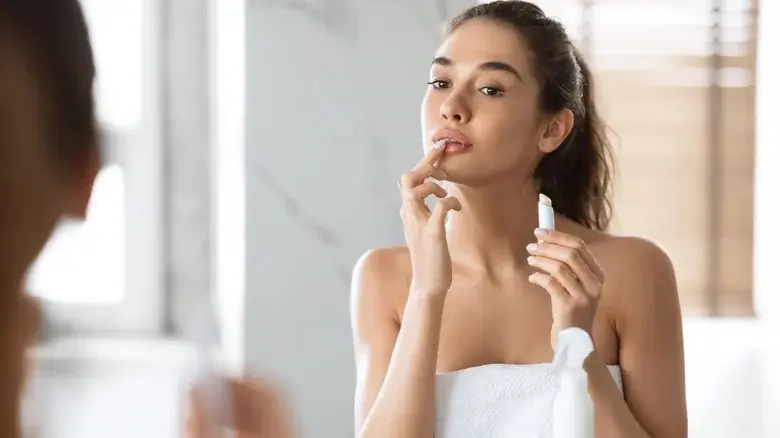
Lip slugging, inspired by the Korean beauty trend of “skin slugging,” is a technique that involves applying a thick layer of occlusive, petroleum-based product, like Vaseline, to your lips before going to bed. This creates a protective barrier, sealing in moisture and preventing water loss while you sleep. When you wake up, your lips will be soft, hydrated, and ready to take on the day.
The Science Behind Lip Slugging
The key to lip slugging lies in the use of occlusive products, which are known for their ability to lock in moisture. These products work by forming a physical barrier on the skin’s surface, preventing water from evaporating. This helps to maintain the skin’s natural moisture levels, making it an effective solution for dry, chapped lips.
The most commonly used occlusive agent in lip slugging is petrolatum, also known as petroleum jelly. Petrolatum has been a skincare staple for decades due to its excellent moisturizing properties. It is non-comedogenic, meaning it won’t clog your pores, and is hypoallergenic, making it suitable for even the most sensitive skin types.
Step-by-Step Guide to Lip Slugging
Here’s a simple, step-by-step guide to lip slugging:
Step 1: Cleanse Your Lips
Gently remove any lip products or makeup from your lips using a gentle cleanser or makeup remover.
Step 2: Exfoliate (Optional)
If your lips are particularly dry or flaky, consider using a gentle lip scrub or a soft toothbrush to exfoliate your lips. This will remove dead skin cells and allow the occlusive agent to penetrate more effectively.
Step 3: Apply a Hydrating Lip Treatment (Optional)
Before applying the occlusive agent, you can choose to apply a hydrating lip treatment, like a lip serum or balm, to provide additional moisture and nourishment to your lips.
Step 4: Apply the Occlusive Agent
Using clean fingers or a lip brush, apply a generous layer of a petroleum-based product, like Vaseline or Aquaphor, to your lips. Ensure that your lips are completely covered, but avoid applying too much, as this may cause the product to smear onto your pillowcase during sleep.
Step 5: Sleep and Remove in the Morning
Allow the occlusive agent to work its magic overnight. In the morning, gently remove any remaining product using a tissue or a cotton pad.
Best Products for Lip Slugging
While Vaseline (petroleum jelly) is the most popular choice for lip slugging, there are other occlusive products available that can also provide excellent results. Here are some top recommendations for lip slugging products:
a. Vaseline Original Petroleum Jelly: The classic choice, Vaseline’s 100% pure petroleum jelly is fragrance-free, hypoallergenic, and non-comedogenic.
b. Aquaphor Healing Ointment: This multi-purpose skin protectant contains petrolatum, glycerin, and panthenol to soothe and moisturize dry, chapped lips.
c. CeraVe Healing Ointment: Formulated with ceramides and hyaluronic acid, this healing ointment helps to restore and maintain the skin’s natural barrier while providing deep hydration.
d. La Roche-Posay Cicaplast Baume B5: This soothing balm is enriched with panthenol and shea butter to help repair and protect the skin’s barrier.
Benefits of Lip Slugging
Lip slugging offers several benefits for those struggling with dry, chapped lips:
a. Intense Hydration: The occlusive agent locks in moisture, providing deep hydration to your lips overnight.
b. Improved Lip Texture: Regular lip slugging can help to smooth and soften your lips, making them more comfortable and improving their appearance.
c. Enhanced Lip Product Performance: Well-hydrated lips can help lip products, like lipsticks and glosses, apply more smoothly and last longer.
d. Cost-Effective: Most lip slugging products, like Vaseline, are affordable and readily available, making this a budget-friendly solution for dry lips.
Potential Side Effects and Precautions
While lip slugging is generally safe for most people, there are a few potential side effects and precautions to consider:
a. Allergic Reactions: Some individuals may be allergic to the ingredients in the occlusive products. If you experience itching, redness, or swelling after using a lip slugging product, discontinue use and consult a dermatologist.
b. Over-Exfoliation: Avoid over-exfoliating your lips, as this can cause irritation and further dryness. Limit exfoliation to once or twice a week, and use a gentle lip scrub or soft toothbrush to do so.
c. Pillowcase Protection: To prevent the occlusive agent from transferring onto your pillowcase, consider using a towel or an old pillowcase while lip slugging.
Frequently Asked Questions
Q: Can I use lip slugging during the day?
A: While lip slugging is typically done overnight, you can also use it during the day if you’re experiencing extreme dryness. However, be mindful of using a thick layer of occlusive product, as it may interfere with the appearance and wear of lip products.
Q: How often should I do lip slugging?
A: The frequency of lip slugging depends on your individual needs. If you have very dry, chapped lips, you can lip slug nightly. For those with less severe dryness, a few times a week may suffice.
Q: Can I use lip slugging if I have sensitive skin?
A: Yes, lip slugging is generally suitable for those with sensitive skin, as petroleum jelly is hypoallergenic and non-comedogenic. However, if you have any concerns or experience an adverse reaction, consult a dermatologist.
lip slugging is a game-changing technique for those struggling with dry, chapped lips. By incorporating this simple yet effective method into your skincare routine, you can lock in moisture, promote healing, and achieve a supple, well-hydrated pout. As we’ve explored, the key to lip slugging is using a generous layer of occlusive agents, such as petroleum jelly, lanolin, or other suitable alternatives, to create a protective barrier that seals in hydration and prevents moisture loss. While lip slugging may not be suitable for everyone, particularly those with skin sensitivities, it has proven to be a powerful solution for many in combating chapped lips. So, if you’re searching for that perfect remedy to achieve soft, smooth, and healthy lips, give lip slugging a try and experience the transformation for yourself.
RELATED ARTICLES:
What Lip Color Suits You Best According to the Tone of Your Hair? Find Out!
Lip Oils vs Lip Gloss: Which One is Best for You?
How to Keep Your Lips Looking Young: Anti-Aging Lip Care Tips
The 10 Most Common Lip Care Mistakes: How to Fix Them
The Power of Aloe Vera for Lips: Hydration Secrets Revealed
About The Author

COMMENTS