
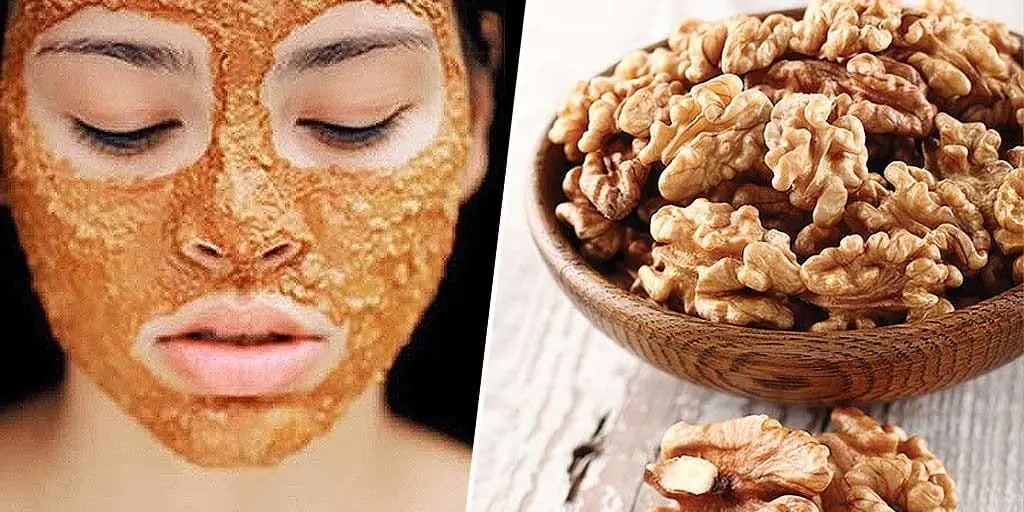
Benefits of walnuts for your skin go well beyond their reputation as a brain-boosting snack. Packed with omega-3 fatty acids, antioxidants, vitamins
Benefits of walnuts for your skin go well beyond their reputation as a brain-boosting snack. Packed with omega-3 fatty acids, antioxidants, vitamins, and minerals, walnuts help reduce inflammation, support collagen, and leave your complexion looking smoother and brighter. In this guide we explore exactly how the nutrients in walnuts benefit your skin, and share simple ways to add them to both your diet and your skincare routine for a natural, healthy glow.
Reviewed by the BeautynFacts editorial team. Last updated: May 2026.
Walnuts are a nutrient-dense food that is often associated with brain health and heart health. However, walnuts also have numerous benefits for your skin, making them an excellent addition to your diet and skincare routine. Walnuts are rich in vitamins, minerals, and antioxidants, all of which can help improve the appearance of your skin.
Nutritional Profile Of Walnuts
In this section, we’ll explore the nutritional profile of walnuts and explain how each nutrient can benefit your skin.
Walnuts are a rich source of omega-3 fatty acids, which are essential for maintaining healthy skin. Omega-3s help reduce inflammation and prevent collagen breakdown, which can lead to wrinkles and sagging skin. Walnuts also contain vitamin E, which is a potent antioxidant that can help protect your skin from sun damage and premature aging.
Walnuts are also an excellent source of zinc, which is essential for wound healing and maintaining healthy skin. Zinc is involved in collagen synthesis, which is necessary for maintaining skin elasticity. Additionally, walnuts contain selenium, which is a mineral that helps prevent cell damage and inflammation.
Benefits Of Walnuts For Skin Health
In this section, we’ll dive into the benefits of walnuts for skin health and explain how they can help improve the appearance of your skin.
- Reduces Inflammation
Inflammation is a common cause of skin irritation and redness. Walnuts contain omega-3 fatty acids, which can help reduce inflammation and soothe irritated skin. Additionally, walnuts contain antioxidants that can help neutralize free radicals, which can cause inflammation and damage to your skin cells.
- Promotes Collagen Production
Collagen is a protein that gives your skin its structure and elasticity. As you age, your body produces less collagen, which can lead to wrinkles and sagging skin. Walnuts are rich in omega-3 fatty acids and vitamin E, both of which can help promote collagen production and maintain skin elasticity.
- Protects Against Sun Damage
Sun damage is a significant cause of premature aging and skin damage. Walnuts contain vitamin E, which is a potent antioxidant that can help protect your skin from UV damage. Additionally, the omega-3 fatty acids in walnuts can help reduce inflammation caused by sun exposure.
- Improves Skin Moisture
Walnuts are a rich source of fatty acids, which can help improve skin moisture and prevent dryness. Additionally, walnuts contain vitamin E, which can help improve skin hydration and prevent water loss from the skin.
How To Incorporate Walnuts Into Your Diet And Skincare Routine
In this section, we’ll provide tips on how to incorporate walnuts into your diet and skincare routine.
- Add Walnuts To Your Diet
One of the easiest ways to incorporate walnuts into your diet is to add them to your meals and snacks. You can sprinkle chopped walnuts on top of oatmeal or yogurt, or add them to salads for extra crunch. You can also use walnuts as a substitute for breadcrumbs in meatballs or veggie burgers. Another way to enjoy walnuts is to make your own walnut butter or add them to smoothies for an extra boost of nutrients.
- Use Walnuts In DIY Skincare Recipes
You can also incorporate walnuts into your skincare routine by using them in DIY skincare recipes. For example, you can make a walnut scrub by blending walnuts into a fine powder and mixing it with honey and coconut oil. This gentle scrub can help exfoliate dead skin cells and promote smoother, brighter skin.
Another way to use walnuts in skincare is to make a face mask. You can blend walnuts with yogurt and honey to create a nourishing and hydrating mask that can help improve skin texture and reduce inflammation.
- Look For Skincare Products That Contain Walnuts
If you prefer to use store-bought skincare products, look for products that contain walnuts as an ingredient. Many skincare products use walnut oil or walnut extract because of its nourishing properties. Look for products like moisturizers, serums, and face masks that contain walnuts to enjoy the benefits of this nutrient-rich ingredient.

In conclusion, walnuts are an excellent addition to your diet and skincare routine if you want to improve the appearance of your skin. They’re packed with nutrients and antioxidants that can help reduce inflammation, promote collagen production, protect against sun damage, and improve skin moisture. Whether you add them to your meals, use them in DIY skincare recipes, or look for products that contain walnuts, incorporating this nutrient-rich food into your routine can help you achieve smoother and brighter skin. So why not give it a try and see the benefits for yourself!
Frequently Asked Questions About Walnuts for Skin
How do walnuts help skin look smoother and brighter?
Walnuts are dense in omega-3 ALA, vitamin E, zinc, copper, and polyphenols, which together support the skin barrier, reduce oxidative stress, and slow inflammatory markers tied to dullness. A daily handful of walnuts provides enough fat-soluble nutrients to feed the lipid layer that keeps moisture in. Over weeks the result is a smoother surface and less reactive tone. Walnuts also support gut health, which links indirectly to clearer, brighter skin through the gut-skin axis.
How many walnuts should you eat for skin benefits?
Five to seven walnut halves a day, roughly one ounce, deliver the omega-3 and antioxidant load that skin research generally points to. More than two ounces a day pushes calories up without adding skin benefit and can upset the omega-6 to omega-3 balance for people who already eat a lot of seeds and oils. Spread the intake across morning oats, an afternoon snack, and an evening salad rather than eating the full portion in one sitting.
Can you put walnut oil or walnut powder on your skin?
Yes. Cold-pressed walnut oil works as a light night oil for normal to dry skin, particularly in winter, and is rich enough in linoleic acid to support the barrier without feeling heavy. Walnut powder, finely ground, acts as a gentle physical exfoliant when mixed with yoghurt or honey, but use sparingly because coarser walnut shell scrubs have a track record of microtears. Patch test for nut allergy on the inner wrist before applying anything walnut-based.
Are walnuts safe for acne-prone skin?
Walnuts are generally fine for acne-prone skin and the omega-3 content can actively reduce inflammatory acne over weeks of regular intake. The catch is that some people react to high-histamine nuts with flare-ups, and rancid walnuts that have sat too long in a warm pantry can trigger oxidative stress that worsens breakouts. Buy walnuts in small batches, store them in the fridge, and stop eating any that taste bitter or off.
Do walnuts help with anti-ageing and wrinkles?
Walnuts contribute to anti-ageing through three mechanisms: omega-3 reduces low-grade inflammation that accelerates collagen breakdown, vitamin E neutralises free radicals from UV and pollution, and the polyphenols support skin elasticity. The effect is gradual and only meaningful when walnuts sit inside a broader anti-ageing routine of sunscreen, sleep, and resistance training. Treat walnuts as a steady contributor over years rather than a wrinkle eraser, which no single food can deliver.
Can walnut allergy cause skin reactions?
Yes. Tree nut allergy to walnuts can cause hives, itching, swelling, and in serious cases anaphylaxis. Even people without a confirmed allergy sometimes show oral allergy syndrome where the lips and tongue tingle after eating walnuts. If you have any history of nut reaction, skip walnuts in both diet and topical use and get tested before reintroducing them. The skin benefits walnuts offer can be reproduced through other omega-3 sources like flax, chia, or oily fish.
RELATED ARTICLES:
How to Remove Forehead Wrinkles Naturally and Effectively : Proven Tips and Treatments for Smoother Skin
2025’s Best Natural Wrinkle Remedy: Garlic Skincare Hacks for Ageless Beauty!
How to Care for Decolletage and Chest Wrinkles
The Ultimate Body Care Routine for Your Softest, Most Supple Skin Yet
Silicone Chest Pads: The Science Behind Why They Work & More
About The Author

COMMENTS