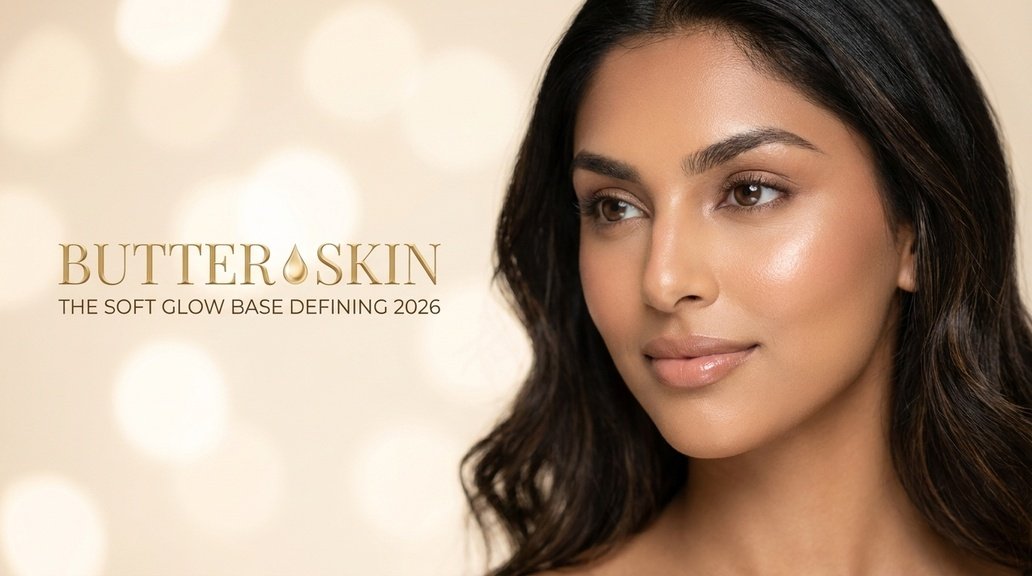
Butter-skin makeup is the base look defining 2026, a soft, hydrated, luminous finish that reads like healthy skin rather than a full face of product.
Butter-skin makeup is the base look defining 2026, a soft, hydrated, luminous finish that reads like healthy skin rather than a full face of product. The name captures the feel: smooth, plush, and lit from within, the way butter catches light without ever looking wet or slick. It sits a step back from the high-shine glass skin trend that dominated the last two years, trading mirror-like reflection for a gentler, more diffused glow that flatters real texture instead of fighting it. This look leans on skin prep, sheer buildable formulas, and cream over powder. It works across ages and skin types once you know the rules. This guide covers what butter skin actually is, how it differs from glass, dolphin, and matte finishes, the prep that makes or breaks it, the product textures that create it, a step-by-step routine, adjustments for dry, oily, and mature skin, the mistakes that flatten the effect, and how to make it hold all day.
Reviewed by the BeautynFacts editorial team. Last updated: July 2026.
What Butter Skin Makeup Actually Is
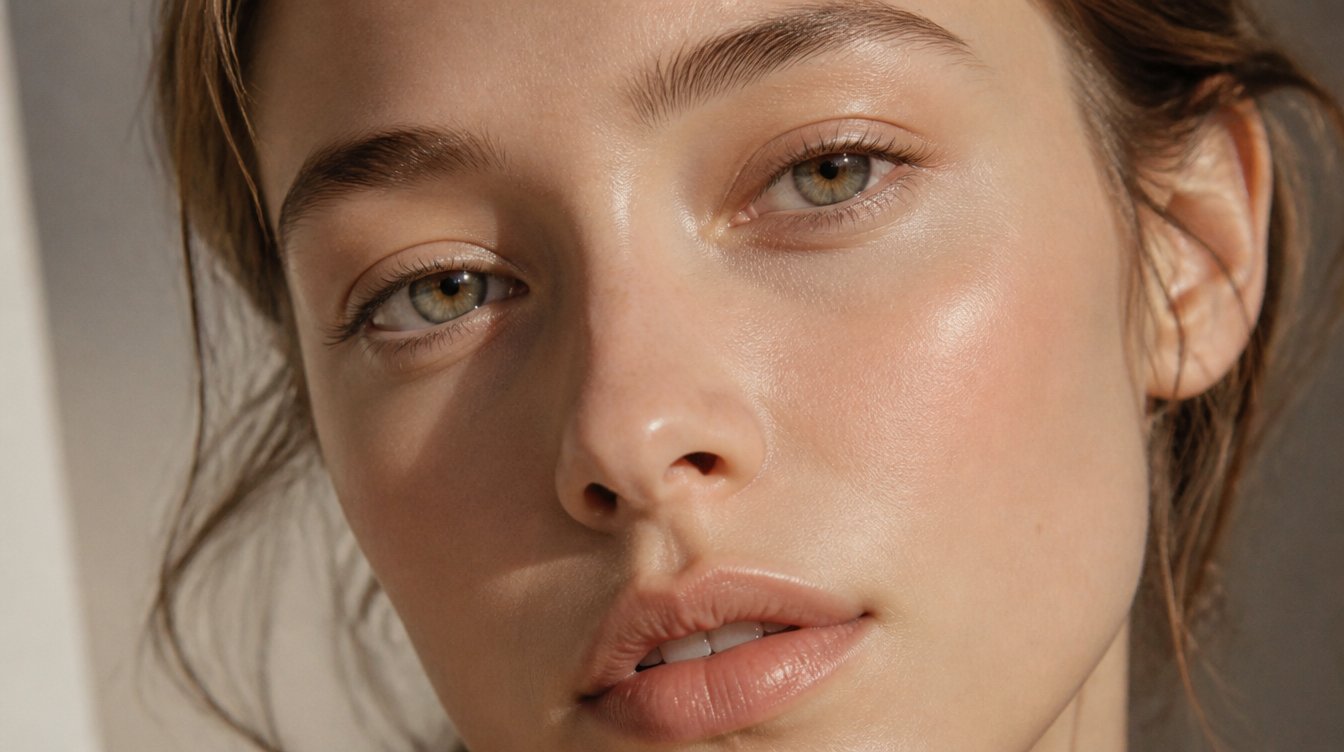
Butter skin is a soft-focus glow. The skin looks hydrated and smooth, with a light that seems to come from underneath rather than sit on the surface. It is radiant but never greasy, dewy but never wet. The finish is diffused, which means light scatters gently across the face instead of bouncing back in sharp highlights.
The reference point is the texture of soft butter, not a glazed doughnut. Where glass skin aims for a reflective sheen, butter skin aims for a plush, cushiony softness. It reads as skin that has been well cared for, not skin that has been coated.
The feel, the look is chasing
Think of the difference between a satin ribbon and a mirror. A mirror throws back a hard, bright reflection. Satin has a soft, even glow that moves with the light. Butter-skin is satin. That is why the finish looks expensive and quiet rather than loud and shiny.
Why it took over in 2026
Glass skin pushed dewiness to its limit, and a lot of people found the wet look hard to wear past a photo. It slid, it emphasised pores, and it needed constant blotting. Butter skin is the correction: the same lit-from-within idea, dialled back to something you can actually wear to work, to dinner, and through a long day without touch-ups every hour.
Butter Skin Versus Glass, Dolphin, and Matte
These finishes get grouped together because they all start from healthy skin, but they land in very different places. Knowing the differences helps you ask for the right thing and buy the right formulas.
Glass skin is the shiniest of the group, aiming for a translucent, reflective surface. Dolphin skin sits between glass and butter, bouncy and bright with a slightly cooler, wetter sheen. Butter skin is softer and warmer than both. Matte sits at the opposite end, with no shine at all.
| Finish | Light quality | Best for |
|---|---|---|
| Butter skin | Soft, diffused, warm glow | Everyday wear, most skin types |
| Glass skin | High shine, mirror reflection | Photos, events, oil-free skin |
| Dolphin skin | Bright, bouncy, wet sheen | Youthful, well-hydrated skin |
| Matte | No shine, flat and even | Very oily skin, humid climates |
If you have struggled to wear glass or dolphin skin because it slides or looks too wet, butter skin is almost always the more forgiving choice. It gives you the glow without the slip.
The one-line difference
Glass skin reflects light. Butter skin holds it. That single distinction is the whole trend in a sentence, and it explains why the products and technique differ so much.
Why Skincare Prep Matters More Than Makeup
Butter skin is sheer by design. The formulas are light and buildable, which means your actual skin shows through. That is the point, and it is also why prep does most of the work. No skin tint can fake a smooth, hydrated base on skin that is flaky or tight.
The goal of prep is simple: soft, plump, evenly hydrated skin that gives the makeup something smooth to sit on. Get that right and you can wear almost nothing on top and still look polished.
Hydration is the foundation
Layer your hydration in thin steps rather than one heavy cream. A hydrating toner or essence, then a humectant serum with hyaluronic acid or glycerin, then a moisturiser suited to your skin type. Apply each onto slightly damp skin so the layers lock water in instead of sitting on a dry surface.
Smooth the surface first
Gentle exfoliation once or twice a week keeps flaky patches from catching the light and breaking the soft finish. Do not overdo it. An over-exfoliated barrier gets tight and reactive, which is the opposite of what butter skin needs. A well-hydrated barrier is what makes the glow look like skin.
The Product Textures That Create Butter Skin
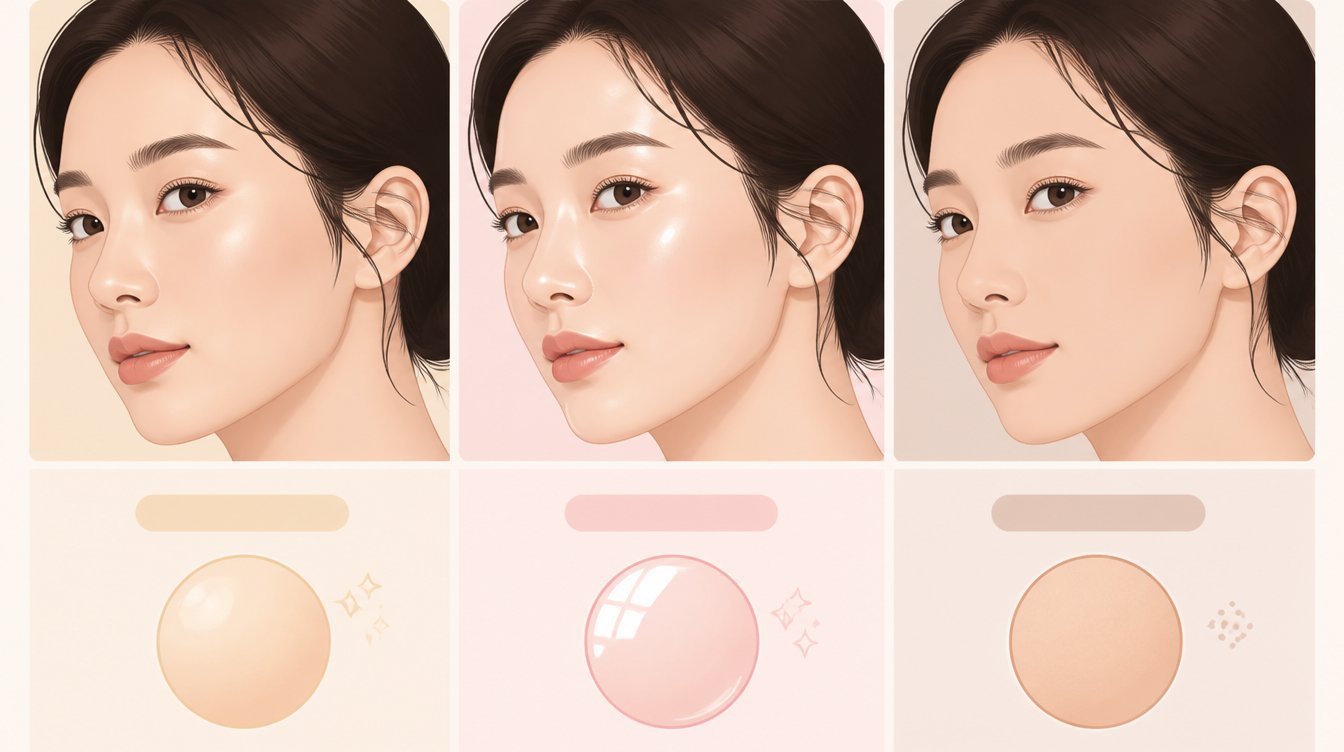
The rule for butterskin is cream over powder and sheer over full. Every product should melt into the skin rather than sit on top of it. If a formula looks heavy in the pan, it will look heavy on the face.
Skin tints and sheer bases
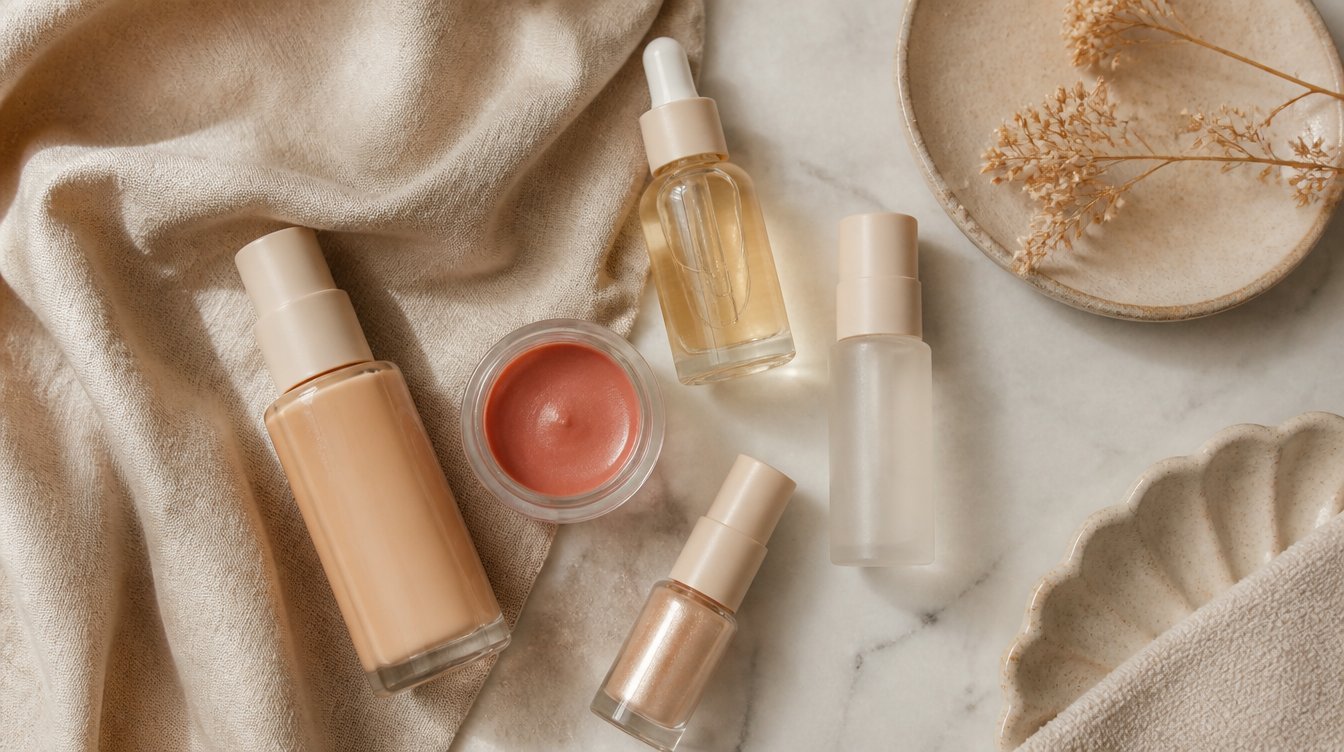
Skip full-coverage foundation. Reach for a skin tint, a tinted moisturiser, or a serum foundation with a natural to radiant finish. These even out tone while letting real skin show through, which is exactly what keeps the look soft rather than masked.
Cream everything
Use cream blush, cream bronzer, and a cream or liquid highlighter. Cream formulas blend into the skin and share its finish, so the whole face reads as one soft surface. Powder blush and powder bronzer sit on top and flatten the glow, which is why they fight the look.
Soft glow, not hard shine
Choose a highlighter that is diffused and satiny rather than sparkly or metallic. A liquid or balm highlighter pressed into the high points gives a lit-from-within effect. A chunky glitter highlighter reads as glass or festival makeup, not butter.
Step-by-Step Butter Skin Application
The routine is short because the base does the work. The order matters more than the number of products.
- Prep with your hydrating layers and let them absorb for a minute so the skin is plump but not slippery.
- Press a hydrating or radiant primer over areas that need extra smoothing, focusing on the cheeks and forehead.
- Apply a sheer skin tint with fingers or a damp sponge, pressing rather than dragging to keep coverage thin and even.
- Spot conceal only where you need it, tapping a creamy concealer over blemishes or shadows and blending the edges out.
- Add cream blush to the cheeks and cream bronzer where the sun would naturally warm the face.
- Press liquid or balm highlighter onto the tops of the cheekbones, the brow bone, and the bridge of the nose.
- Set only the areas that move or get oily, usually the centre of the face, with the lightest dusting of finishing powder.
The single most important habit is pressing product into the skin instead of buffing it across the surface. Pressing preserves the glow. Buffing wipes it away.
Tools that help
Clean fingers are the best tool for cream products because the warmth helps them melt in. A slightly damp makeup sponge is ideal for sheer bases. Keep dense buffing brushes for powder days, not butterskin days.
Adapting Butter Skin for Dry Skin
Dry skin is the easiest match for butterskin because the finish leans towards hydrated. The main risk is patchiness where dry areas grab more product.
Build the moisture base
Layer a richer moisturiser or a facial oil under your base, and let it sink in fully before applying anything with colour. A hydrating primer under the skin tint smooths the surface so the tint does not cling to flaky spots.
Skip powder almost entirely
Dry skin rarely needs setting powder for this look. If you must set it, use a tiny amount only where the product tends to slide, and press it in with a puff rather than sweeping it with a brush. A hydrating setting mist locks everything in without dulling the glow.
Adapting Butter Skin for Oily Skin
Oily skin can absolutely wear butterskin. The trick is separating your glow from your grease so the finish looks intentional rather than shiny by accident.
Control the base, keep the glow deliberate
Start with a mattifying or pore-blurring primer only in the oily zones, usually the T-zone. Use a skin tint with a natural finish rather than a radiant one, then add your glow back exactly where you want it with a placed liquid highlighter. This way the shine reads as highlighter, not oil.
Set smart, not everywhere
Set the T-zone and any area that breaks down first with a light finishing powder, and leave the cheeks alone so they keep their soft glow. A long-wear cream blush holds better than a dewy one on oily skin. Blotting papers throughout the day preserve the look without adding more powder.
Adapting Butter Skin for Mature Skin
Butter skin is genuinely flattering on mature skin because soft, diffused light blurs fine lines in a way that flat matte finishes cannot. The key is keeping every layer thin so nothing settles into texture.
Thin layers, no powder buildup
Heavy foundation and lots of powder are what make makeup look aged. A sheer skin tint pressed on lightly does the opposite. Concentrate coverage only where you want it and let the rest of the skin show through.
Hydrate and place light carefully
A hydrating primer and a well-moisturised base stop products from clinging to lines. Place highlighter on the tops of the cheekbones rather than dragging it across the whole cheek, which keeps light off areas where it would emphasise texture instead of softening it.
Common Butter Skin Mistakes
Most butter skin fails come from tipping the balance too far in one direction. The finish lives in a narrow band between too flat and too wet, and a few habits push it out of that band.
- Going too dewy, so the glow reads as oil and the base slides by midday
- Setting with too much powder, which turns soft skin cakey and flat
- Using powder blush and bronzer, which sit on top and break the cream finish
- Skipping skin prep, so the sheer base clings to dry patches
- Choosing a full-coverage foundation, which masks the skin the look depends on
The fix for almost all of these is the same: use less product, keep it creamy, and set only what actually needs setting.
The too-dewy trap
If your face looks wet rather than lit, you have layered too many radiant products. Pull back to one glow source. A radiant primer plus a dewy tint plus a liquid highlighter plus a glow mist is three products too many stacked together.
The cakey-powder trap
Over-powdering is the other extreme. It kills the glow and settles into texture. Set only the centre of the face and the areas that get oily, and reach for a hydrating mist to melt any powder edges back into the skin.
How to Make Butter Skin Last All Day
Because the look is glow-forward, longevity comes from smart layering, not from piling on product. The aim is to lock the finish in place while keeping it soft.
Lock without dulling
Finish with a hydrating setting spray rather than a heavy powder. The mist fuses your layers together and knocks back any excess shine without flattening the glow. Let it dry undisturbed rather than pressing at it.
Touch up the right way
Carry blotting papers and a small cream blush. Blot oil away rather than adding powder, then press a little cream blush back onto the cheeks to revive the glow. This keeps the finish looking fresh instead of building up into layers as the day goes on.
Building a Butter Skin Kit on Any Budget
You do not need a drawer of new products. Butter skin rewards a small, well-chosen kit of textures over a big collection.
- A hydrating serum and a moisturizer matched to your skin type
- A sheer skin tint or tinted moisturizer with a natural to radiant finish
- A creamy concealer for spot coverage only
- One cream blush and one cream bronzer
- A liquid or balm highlighter and a hydrating setting mist
That short list covers the whole look. Everything else is optional, and adding more usually pushes the finish away from soft and toward heavy.
Butter Skin for Different Skin Tones
The technique is the same across skin tones, but shade choices change the payoff. The soft glow flatters every depth of skin when the warmth is matched correctly.
On deeper skin tones, a golden or bronze cream highlighter reads far more natural than a pearly white one, which can look ashy. On fair skin, a champagne or soft rose glow keeps the finish from looking grey. Cream bronzer should always lean warm and be built up slowly, since the whole point is a lit, sun-warmed softness rather than a stripe of contour.
How Long the Butter Skin Trend Will Last
Base trends with strong wearability tend to outlast the flashier ones, and butterscotch has that in its favour. It is easier to wear than glass skin, more forgiving than a full matte face, and it flatters real texture instead of hiding it.
Expect butter skin to stay the default base finish through 2026 and into 2027, evolving into softer and softer variations rather than disappearing. The underlying idea, that makeup should look like well-cared-for skin, is not going anywhere, which is what makes this a foundation worth learning rather than a fad worth skipping.
Frequently Asked Questions About Butter Skin Makeup
What is the difference between butter skin and glass skin?
Glass skin aims for a high-shine, reflective surface that bounces light back like a mirror, which looks wet and can slide on oily skin. Butter skin is softer and warmer, with a diffused glow that seems to come from underneath the skin rather than sit on top. Glass skin reflects light, butter skin holds it. Butter skin is the more wearable of the two because it gives you the same lit-from-within look without the slip, the constant blotting, or the emphasised pores that glass skin often brings.
Can oily skin wear Butterskin makeup?
Yes, with a small adjustment. The trick is separating your glow from your grease so shine looks deliberate. Use a mattifying primer only in the T-zone, choose a skin tint with a natural rather than radiant finish, then add glow back with a placed liquid highlighter on the high points. Set only the areas that get oily and leave the cheeks alone. A long-wear cream blush and blotting papers throughout the day keep the finish looking like an intentional glow rather than accidental oil.
What products do I need for butterskin makeup?
The core kit is small: a hydrating serum and moisturiser, a sheer skin tint or tinted moisturiser with a natural to radiant finish, a creamy concealer for spot coverage, one cream blush, one cream bronzer, a liquid or balm highlighter, and a hydrating setting mist. The rule is cream over powder and sheer over full. Every product should melt into the skin rather than sit on top. You do not need full-coverage foundation or powder blush, both of which fight the soft finish the look depends on.
How do I prep my skin for butterskin makeup?
Prep does most of the work because the base is sheer and your real skin shows through. Layer hydration in thin steps: a hydrating toner or essence, a humectant serum with hyaluronic acid or glycerin, and then a moisturiser for your skin type, each applied onto slightly damp skin. Gentle exfoliation once or twice a week keeps flaky patches from breaking the glow, but do not overdo it. A well-hydrated, smooth barrier is what makes the finish look like skin rather than product.
Is butter-skin makeup good for mature skin?
Yes, it is genuinely flattering on mature skin. Soft, diffused light blurs fine lines in a way flat matte finishes cannot, and skipping heavy foundation stops makeup from settling into texture. Keep every layer thin, use a sheer skin tint pressed on lightly, and concentrate coverage only where you want it. A hydrating primer stops product clinging to lines. Place the highlighter on the tops of the cheekbones rather than dragging it across the whole cheek, so light softens texture instead of emphasising it.
How do I stop butter-skin makeup from looking too dewy?
Too dewy usually means you have layered too many radiant products at once. Pull back to a single glow source rather than stacking a radiant primer, a dewy tint, a liquid highlighter, and a glow mist together. Choose a skin tint with a natural finish and add shine back only where you place highlighter. Set the centre of the face lightly, and if the glow still reads as wet, blot with paper rather than adding powder. The goal is lit, not slick.
RELATED ARTICLES:
- Dolphin Skin Makeup: The Bouncy, Bright Base Everyone Wants
- Skincare-Infused Makeup: The Hybrid Products Doing Double Duty
- Latte Makeup: The Warm Neutral Look Defining 2026
About The Author

COMMENTS