
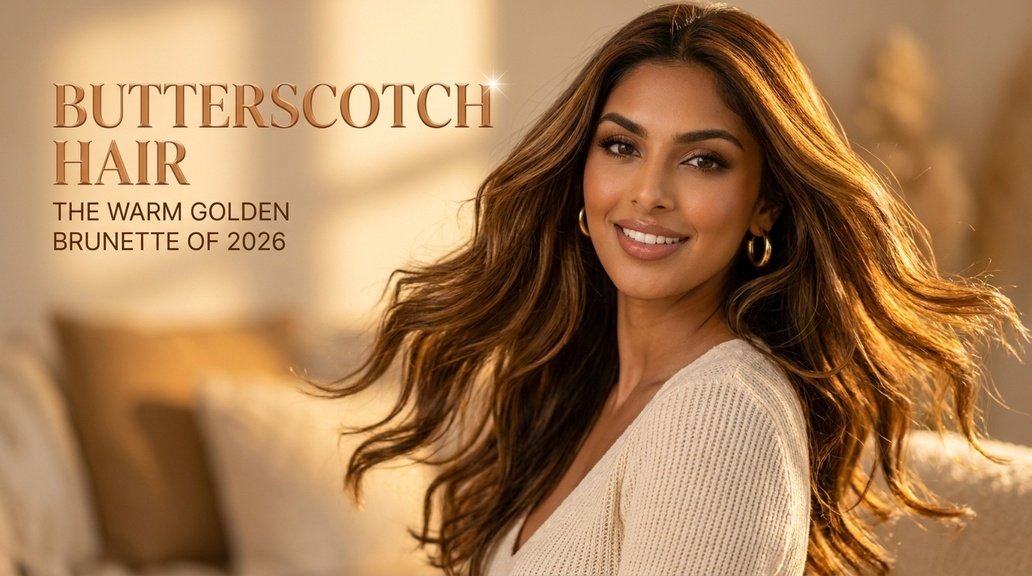
Butterscotch hair colour is the warm golden brunette dominating salon requests for 2026, a buttery honey-caramel shade that reads richer than bronde a
Butterscotch hair colour is the warm golden brunette dominating salon requests for 2026, a buttery honey-caramel shade that reads richer than bronde and softer than a full caramel. Picture a brunette base lit from within by golden, sunlit tones, the colour of butterscotch candy melted over espresso. It flatters warm and neutral skin most easily, but the right depth makes it work on fair and deep complexions too. The pull is obvious: it keeps the low-maintenance ease of a natural brunette while adding the glow people used to chase with high-lift blonde. This guide covers what butterscotch hair actually is, the undertone that defines it, who it suits, the main variations, how to ask for it at the salon, and how to keep the warmth rich without sliding into brass.
Reviewed by the BeautynFacts editorial team. Last updated: July 2026.

What Is Butterscotch Hair Colour?
Butterscotch hair is a warm brunette shade built on a golden-caramel base with buttery honey highlights running through it. The depth sits in the medium-brown range, roughly a level five to seven on the standard hair-colour scale, so it never goes pale or platinum. What separates it from a plain brown is the light: golden and honey tones woven through the mid-lengths and ends give the colour a soft, melted glow in the sun.
Think of the name literally. Butterscotch candy is brown with a warm amber shine, not flat and not brassy. The hair version copies that exactly. In shade, the base reads as a rich brunette. Under direct light, the gold lifts and the whole head looks warmer and brighter, like honey held up to a window.
Why it is trending for 2026
The swing away from cool, ashy brunettes drove this. For several seasons, ash and mushroom browns owned the colour chart. Warmth is back, and butterscotch is the softest, most wearable version of it. It gives the sunlit look of expensive balayage without the commitment of going blonde, and it grows out gently because the base stays close to natural brown. That combination of glow and low upkeep is exactly what warm-brunette searches are asking for right now.
The Undertone That Defines Butterscotch
The undertone is the whole story with this colour. Butterscotch is warm gold, full stop. There is no ash, no smoke, no cool violet base. The shade leans into yellow-gold and light amber, which is what gives it the buttery, candy-like quality the name promises.
This matters because it sets butterscotch apart from every cool brunette on the shelf. Ashy browns use blue and violet pigments to cancel warmth. Butterscotch does the opposite. It celebrates warmth and adds gold on purpose. If you have spent years fighting warmth out of your colour, butterscotch asks you to embrace it instead.
Warm gold versus ashy brown
The easiest way to see the difference is side by side. An ashy brown looks cool and slightly grey, almost matte. Butterscotch looks lit, golden, and glossy. Ash flattens the tone to read expensive and muted. Butterscotch brightens it to read as sunlit and rich. Neither is better in the abstract. They simply suit different skin tones and different moods, and butterscotch is firmly in the warm, glowing camp.
Who Butterscotch Hair Flatters
Warm and neutral skin tones get the most effortless result. When your skin carries golden, peach, or olive warmth, butterscotch hair echoes it, and the colour and the complexion light each other up. The gold in the hair picks up the gold in the skin, and the whole face looks warmer and more awake. If your veins read greenish and gold jewellery suits you best, this shade was practically made for you.
Neutral skin is the safe default. With a balanced undertone, butterscotch reads as a rich, flattering brunette without any clashing. It is one of the lowest-risk warm colours a neutral complexion can wear.
How fair skin can wear it
Fair skin can absolutely carry butterscotch, but placement matters. On very fair or cool-fair skin, a full head of golden warmth can overwhelm the face. The fix is a softer, balayage version: keep the roots and the frame around the face a touch deeper, and let the butterscotch build through the mid-lengths and ends. That keeps contrast against pale skin so the colour looks intentional instead of washing you out.
How deeper skin can wear it
Deeper skin tones look striking in butterscotch, with one adjustment. Go richer and warmer rather than light. A deep butterscotch with caramel and honey woven through medium-to-dark brown glows against deeper complexions in a way pale gold never could. The warmth sits close to the skin and reads as luxurious. Keeping the base dark and the golden tones concentrated through the lengths gives the best result.
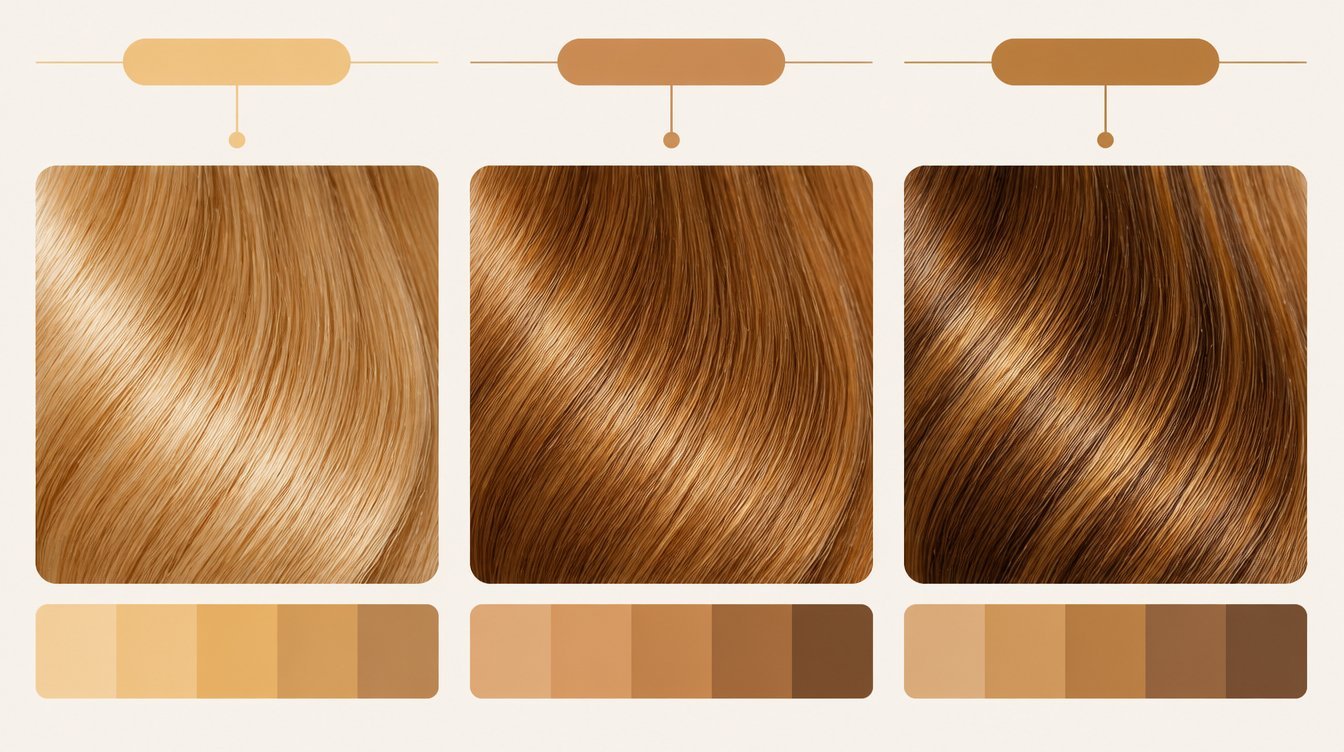
Butterscotch Hair Variations
The shade is not one fixed formula. Colourists build it three main ways depending on how much lift and warmth you want, and each version wears differently day to day.
Butterscotch balayage
This is the most requested version and the easiest to maintain. The colourist hand-paints golden butterscotch through the mid-lengths and ends over a deeper brown base, so the warmth concentrates where light hits and the roots stay natural. It grows out softly with no harsh regrowth line, which is why it suits people who cannot get to the salon every month. The face-framing pieces catch the most gold.
Butterscotch bronde
Bronde sits between brown and blonde, and the butterscotch version leans golden rather than ashy. It is the lightest take on the trend: more overall lift and a brighter head of warm honey-gold but still grounded by a brunette root. This one flatters warm-medium skin especially and reads as the sunniest option of the three. It needs a little more toning upkeep than a balayage because there is more lifted hair to keep from going brassy.
Full butterscotch
A full, all-over butterscotch is the richest and most saturated version. The whole head is coloured to the same warm golden-brown, root to tip, for a bold, uniform glow rather than a painted, sun-kissed effect. It makes the biggest statement and photographs beautifully, but the solid application means regrowth shows sooner, so plan on a root touch-up every four to six weeks.
How to Ask for Butterscotch at the Salon
The word ‘butterscotch’ means different things to different stylists, so bring specifics. Describe the depth you want, the amount of warmth, and where the colour should sit. Photos help more than the name alone.
A useful script sounds like this: a warm golden-caramel brunette, medium depth, with buttery honey tones through the mid-lengths and ends, gold undertone rather than ash, kept rich and not brassy. Say clearly that you do not want an ashy or cool result, because a colourist used to cancelling warmth may pull the gold out by habit.
Bring the right reference photos
Save two or three photos that show the exact warmth you want, ideally on hair a similar depth to yours. Include one shot in direct sun and one indoors, since butterscotch shifts noticeably between the two. Point out the specific tone you love in each image so your stylist matches the gold level and not just the general idea.
Ask about your starting point
Your natural or current colour decides the process. Dark hair needs lift to reach golden butterscotch and may take longer or need a second session. Previously coloured or highlighted hair may need a colour correction or a gloss to unify the tone. A good colourist will tell you honestly how many visits it takes to get there safely.

Maintaining Butterscotch Hair
A warm golden colour has one enemy: brass. As the tone fades, gold can tip over into orange or an unflattering yellow-brass, especially on lifted or previously blonde hair. The goal of maintenance is to keep the gold rich and clean rather than let it turn cheap and muddy.
Glossing keeps the warmth rich
A glossing or toning treatment every four to six weeks is the single most effective way to hold butterscotch. A gloss refreshes the golden tone, adds shine, and corrects any drift toward brass before it takes over. Many people book a gloss between full-colour appointments to stretch the look and keep the shade looking freshly done for weeks longer.
Avoiding brassiness the smart way
Do not reach straight for a purple shampoo. Purple pigment cancels yellow, which can dull the exact golden warmth you paid for and leave butterscotch looking flat or grey. Use it sparingly, if at all, and only when the tone has tipped clearly into harsh brass. A gold or warm-toned depositing conditioner is the better tool for topping up butterscotch since it refreshes warmth instead of stripping it.
At-Home Care to Keep the Color Vibrant
What you do between salon visits decides how long butterscotch stays beautiful. Warm tones fade faster than you expect when the routine is wrong, so a few habits protect the investment.
- Wash less often and always with a sulphate-free, colour-safe shampoo that will not strip the golden tone.
- Use cooler water, since hot water opens the cuticle and lets colour rinse away faster.
- Add a warm-toned or gold-depositing conditioner once a week to top up the honey tones.
- Apply a bond-building or moisture mask weekly, because a lifted warm colour needs the extra conditioning.
- Protect from the sun and chlorine, both of which fade and dull golden brunette shades quickly.
Heat styling also matters. Always use a heat protectant before hot tools, since scorched cuticles both fade the colour and kill the glossy shine that makes butterscotch look expensive in the first place.
Products that help warmth last
Build the routine around colour-safe basics. A sulphate-free shampoo, a rich colour-safe conditioner, a weekly gold-depositing mask, and a leave-in with heat and UV protection cover almost everyone. If you lifted a lot of hair for a bronde or full butterscotch, add a bond-repair treatment to keep the strands strong enough to hold tone.
Butterscotch vs Caramel vs Honey vs Cherry Cola
These warm shades get mixed up constantly, but they sit at different points on the warmth and depth scale. Butterscotch is the golden middle ground: warmer and more golden than caramel, deeper and richer than honey, and free of the red that defines cherry cola. This table lines them up on the points that decide which one you actually want.
| Shade | Undertone | Depth | Best suited to |
|---|---|---|---|
| Butterscotch | Warm gold, buttery honey | Medium brunette | Warm and neutral skin |
| Caramel | Warm golden-brown, slightly deeper | Medium to deep | Warm and olive skin |
| Honey | Golden, lighter and brighter | Light to medium | Fair to warm-medium skin |
| Cherry cola | Red-brown, cool-warm mix | Deep, dark | Cool and deep skin |
The quick read: choose butterscotch for a golden, sunlit brunette, caramel for a slightly deeper toffee warmth, honey for a lighter and brighter golden look, and cherry cola for a dark red-brown with none of the gold. Butterscotch is the pick when you want warmth and glow without going either light or red.
Common Butterscotch Hair Mistakes
Most butterscotch disappointments trace back to a handful of avoidable errors, and every one of them is fixable if you know it in advance.
- Asking for the wrong depth, so the colour comes out too light and washed out or too dark to show the gold.
- Letting a colourist pull the warmth toward ash out of habit, which erases the golden glow that defines the shade.
- Over-using purple shampoo and dulling the very gold you wanted, leaving the colour flat and lifeless.
- Skipping the gloss appointments, then wondering why the tone slid into brass after a month.
- Choosing a saturation that fights your skin tone instead of tailoring the depth to your complexion.
The single biggest mistake is treating butterscotch as one fixed shade. It is a family of warm golden browns, and the version that looks incredible on someone else may need to be deeper, lighter, or softer to suit you.
How Long Butterscotch Hair Lasts
Longevity depends on the variation and your starting colour. A balayage on a natural brown base can look good for three to four months before it needs more than a gloss, because the roots are meant to grow out softly. A full, all-over butterscotch shows regrowth in four to six weeks and needs a root touch-up sooner. Across all versions, the golden tone itself fades faster than the depth, which is why glossing every four to six weeks is the move that keeps it looking fresh.
Butterscotch is a durable trend, not a flash. Warm, wearable, low-contrast colours that grow out gracefully tend to hold for several seasons, and this one carries the additional appeal of low upkeep in its balayage form. Expect it to stay a leading warm-brunette request through 2026 and into 2027.
Frequently Asked Questions About Butterscotch Hair
What is butterscotch hair colour?
Butterscotch hair is a warm brunette shade built on a golden-caramel base with buttery honey tones running through the mid-lengths and ends. The depth sits in the medium-brown range, so it never goes pale or platinum, but golden light woven through the colour gives it a soft, melted glow in the sun. It looks like a rich brunette indoors and warms up noticeably in direct light. The defining feature is the warm gold undertone, which is what separates it from cool, ashy browns and gives it the buttery, candy-like quality behind the name.
Who does butterscotch hair suit best?
Warm and neutral skin tones get the most effortless result because the gold in the hair echoes the warmth in the skin, and the two light each other up. Neutral skin wears it as a safe, flattering default. Fair skin can carry it too, best in a softer balayage that keeps depth around the face for contrast. Deeper skin looks striking in a richer, warmer version kept close to a medium-dark base. The shade adapts to almost everyone once the depth and placement are tailored to the complexion.
Is butterscotch hair high maintenance?
It depends on the version. A butterscotch balayage is fairly low maintenance because the roots grow out softly with no harsh line, so it can look good for months with only occasional glossing. A full, all-over butterscotch shows regrowth in four to six weeks and needs regular root touch-ups. The one constant across all versions is toning: the golden warmth fades faster than the depth, so a gloss every four to six weeks keeps the colour rich and stops it from drifting into brass.
How do I keep butterscotch hair from turning brassy?
The best defence is a glossing or toning treatment every four to six weeks, which refreshes the golden tone before it tips into orange or harsh yellow brass. Between appointments, wash less often with a sulphate-free colour-safe shampoo, use cooler water, and add a gold or warm-toned depositing conditioner to top up the honey tones. Avoid reaching straight for purple shampoo, since it cancels the very gold you want and can leave butterscotch looking flat and dull. Use it sparingly, only for clear brass.
What is the difference between butterscotch and caramel hair?
Both are warm golden browns, but they sit at slightly different points on the scale. Butterscotch is the golden middle ground, a buttery honey-caramel with a lit-from-within glow and a medium brunette depth. Caramel runs a touch deeper and reads as a slightly richer toffee warmth, often with less of the bright honey lift. In practice, butterscotch looks more sunlit and golden, while caramel looks warmer and deeper. Choose butterscotch for glow and brightness and caramel for a deeper, cosier warm brown.
Can I get butterscotch hair from dark hair?
Yes, but it usually takes a lift and sometimes more than one session. Dark hair has to be lightened to reach the golden butterscotch tone, and jumping too far too fast risks damage or an uneven, brassy result. A good colourist often builds it gradually, lifting the mid-lengths and ends into a balayage first and deepening the warmth over a couple of visits. Previously coloured dark hair may also need a correction or a gloss to unify the tone. Ask your stylist how many appointments it safely takes.
RELATED ARTICLES:
- Cherry Cola Hair: The Dark Red-Brown Shade Trending for 2026
- How to Choose the Right Hair Color for Your Skin Tone
- Mob Wife Hair: The Bold Glamorous Look Everyone Wants
About The Author

COMMENTS