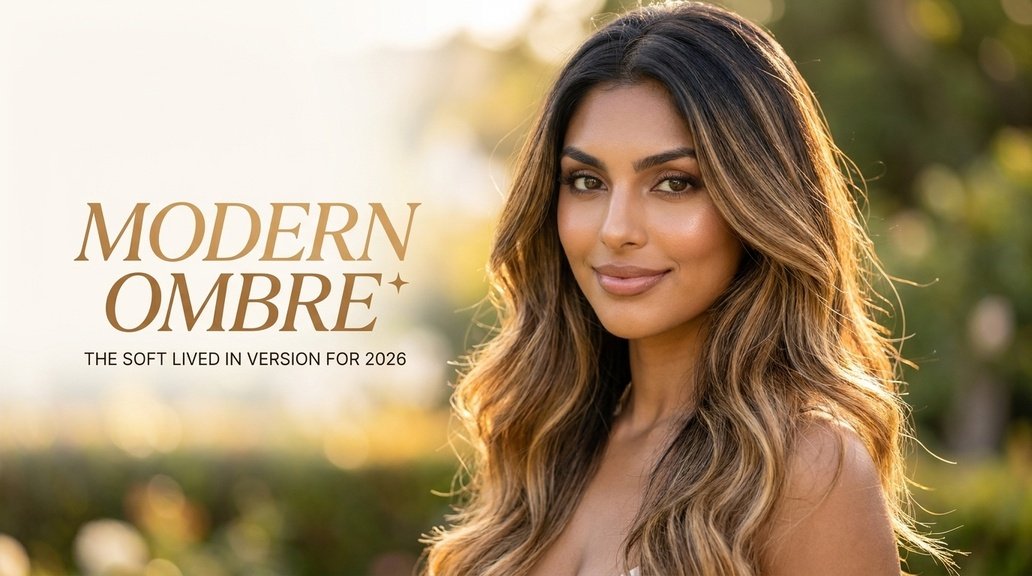
Modern ombré hair is the trend salons are quietly rebooking all through 2026, and it looks almost nothing like the version that flooded feeds a decade
Modern ombré hair is the trend salons are quietly rebooking all through 2026, and it looks almost nothing like the version that flooded feeds a decade ago. The old ombré was a hard line: dark roots, a sudden jump to bright ends, and a stripe of demarcation you could see from across a room. The new one erases that line entirely. Colourists are blending the transition over several inches, keeping the ends only two or three shades lighter than the root, and letting the whole thing grow out without a hard regrowth mark. The result reads soft, lived-in, and expensive rather than showy. It suits people who want dimension without a standing salon appointment, and it works on brunettes who never touched the harsh dip-dye at all. This guide covers what modern ombre is, how it differs from old-school ombre and from balayage, the versions worth asking for, who it flatters, and how to keep it from going brassy.
Reviewed by the BeautynFacts editorial team. Last updated: July 2026.
What Modern Ombre Hair Actually Is
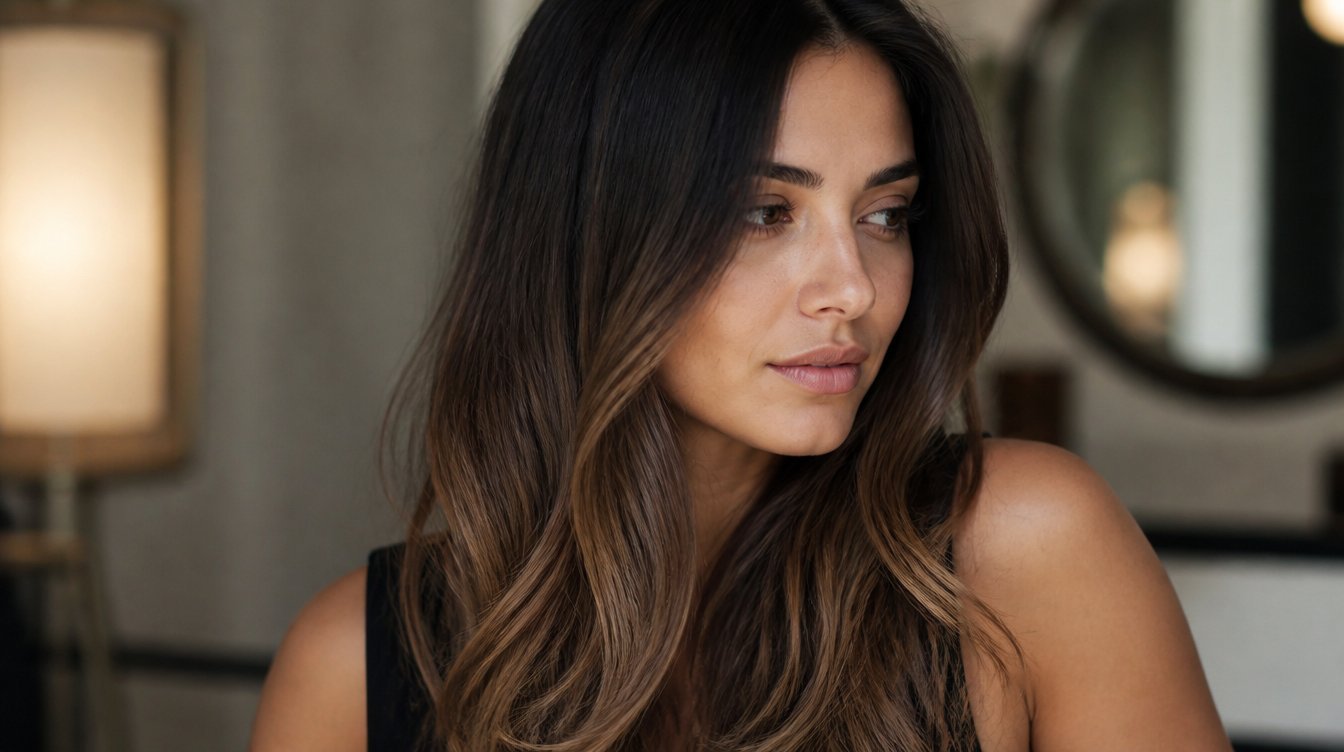
‘Ombre’ means ‘shaded’, a gradient that moves from darker to lighter down the length of the hair. That basic idea has not changed. What changed is the execution. Modern ombre keeps the root its natural depth, then eases into a lighter tone toward the mid-lengths and ends, with a long, soft blend in between.
The defining feature is low contrast. Where the 2014 version might jump four or five shades from root to tip, the 2026 version moves two or three at most. The lightness sits only at the very ends, and the transition is stretched over a wide zone so your eye never lands on a single dividing line.
Think of it as sun-lightened rather than dyed. Hair that spends a summer outdoors goes paler at the ends first, gradually, with no sharp edge. Modern ombre copies that pattern on purpose.
Why the Old Ombre Fell Out of Favor
The original ombré had a short shelf life for a reason. The look depended on contrast, and contrast is unforgiving. A stark line of demarcation showed every flaw, drew attention to uneven application, and grew out badly.
The harsh line problem
A hard transition looks intentional for about a week. After that, the natural root pushing down blurs the top of the line while the bottom stays crisp, and the whole thing starts to read as grown-out rather than styled. People were booking touch-ups just to keep the line looking deliberate.
The damage that came with it
Getting ends four or five shades lighter than the root usually meant heavy lifting with bleach on the lower lengths. That left the ends dry, porous, and prone to snapping, which are exactly the parts of the hair that were already the oldest and most fragile. The look often aged into straw within a couple of months.
How Modern Ombré Differs From the 2014 Version
The two share a name and a basic direction, but the details that matter are all different. The comparison below lays out where the new version pulls away from the old.
- Contrast dropped from four or five shades to two or three.
- The transition stretched from a tight band into a long, feathered blend.
- The lift moved higher up the head so the colour does not start abruptly at the ears.
- The finish shifted from bright and cool to soft and warm-neutral.
- Maintenance dropped because there is no hard line to keep sharp.
The short version: same gradient idea, gentler in every dimension. It is built to grow out gracefully instead of demanding upkeep.
Modern Ombre Versus Balayage
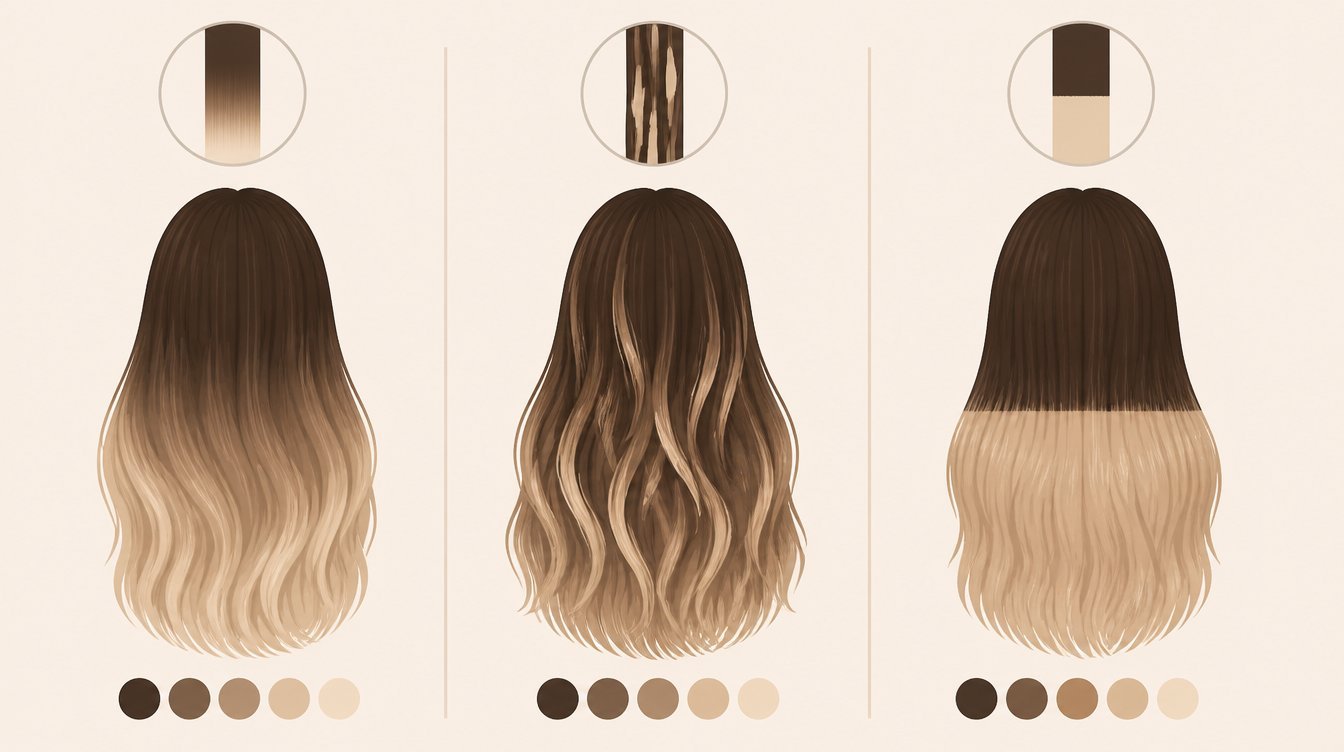
This is the question every colourist fields now, because the two have moved close together. They are related, but they are not the same technique, and knowing the difference helps you ask for the right one.
Ombré is about placement from top to bottom. It is a vertical gradient: darker up top, lighter at the ends, blended in between. The lightness follows the length of the hair.
Balayage is about technique. It is a freehand painting method where colour is swept onto surface pieces to mimic natural highlights, scattered through the hair rather than concentrated at the ends. Balayage can be placed anywhere and does not have to follow a strict root-to-tip gradient.
Where they overlap
Modern ombre is often applied using balayage-style painting, which is why the line between them has blurred. A colourist may hand-paint the gradient rather than sweep a straight horizontal band. So a soft modern ombre can be created with the balayage technique, which is exactly why the two get confused.
The practical difference
Ombré keeps the lightness low and focused on the ends, giving a clear gradient. Balayage spreads brightness through the mid-lengths and can sit higher, giving an all-over sun-kissed effect. If you want a defined light-to-dark fade, ask for ombre. If you want scattered natural-looking highlights throughout, ask for balayage.
The Comparison at a Glance
Here is how the three approaches stack up on the points people actually care about at the consultation chair.
| Feature | Old Dip-Dye Ombré | Modern Ombré | Balayage |
|---|---|---|---|
| Contrast | High, 4 to 5 shades | Low, 2 to 3 shades | Low to medium, scattered |
| Transition | Hard line | Long soft blend | No line, painted pieces |
| Placement | Ends only, abrupt | Gradient toward ends | Throughout, freehand |
| Maintenance | High | Low | Low |
| Grow-out | Obvious | Seamless | Seamless |
Modern ombre and balayage both grow out well. The choice comes down to whether you want the light concentrated at the ends or spread through the hair.
The Modern Ombre Versions Worth Knowing
The trend is not one single look. It splits into a handful of versions, each tuned to a different base colour and mood. These are the ones colourists are booking most.
Soft brunette ombre
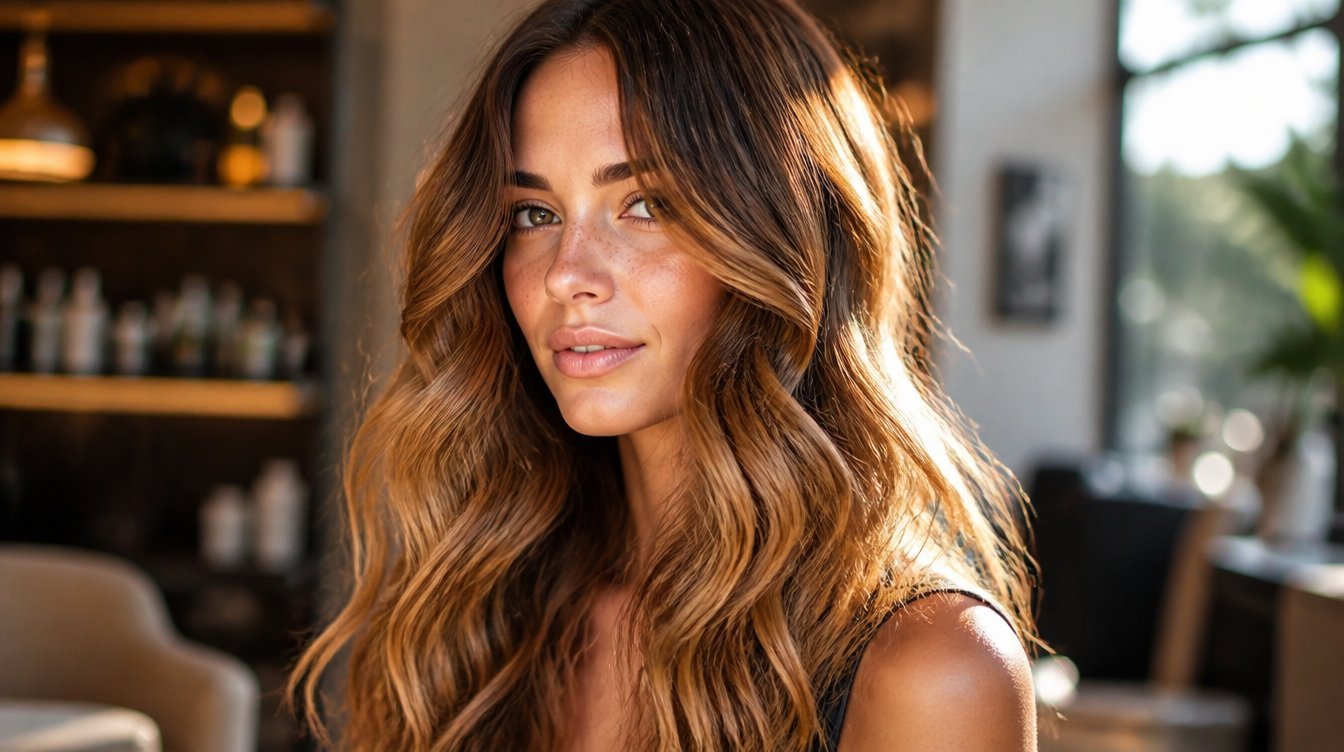
The signature version. A medium to dark brown root eases into a warmer, lighter brown at the ends, two shades up at most. It adds depth and movement to brown hair without ever reading as highlighted. This is the low-key option that suits people who have never coloured their hair before.
Caramel ombre
A step warmer. The ends carry a caramel or golden-brown tone that catches light and reads rich against a darker root. It flatters warm and olive skin especially well, and it gives brown hair a lit-from-within glow without going blonde.
Rooted ombré
The lowest-maintenance version of all. The root is deliberately kept deep and natural, sometimes even shadowed a touch darker, so regrowth is invisible. The lightness at the ends can go a little further because the strong root anchors it. This is the version for people who want to stretch six months between appointments.
Who Modern Ombre Suits
The low-contrast approach is far more universal than the old version ever was, but a few pointers help you land the right depth and tone.
Brunettes benefit most because the gradient adds dimension that solid brown lacks while keeping the look natural. Dark hair that felt flat gets movement without a dramatic commitment.
People with warm or olive skin should lean toward caramel and golden ends, which echo the warmth in the skin. Cooler complexions do better with soft, ashy or neutral-brown ends that avoid going brassy against pink undertones.
If you have fine hair
Modern ombre is a gift for fine hair because the gradient creates the illusion of depth and thickness. Keeping the root darker and the ends lighter tricks the eye into reading more dimension, which makes thin hair look fuller.
If you are going gray
A rooted ombre blends greys beautifully as they come in because the natural or shadowed root disguises new growth. Many people use it as a bridge toward growing out colour entirely.
How to Ask For Modern Ombre at the Salon
The language matters, because ‘ombre’ still carries the old harsh association for some stylists. Be specific about the version you want.
Say you want a soft, low-contrast ombre, the ends only two or three shades lighter than the roots, with a long blended transition and no hard line. Mention that you want it to grow out seamlessly. Ask for a shadow root or rooted finish if you want the lowest maintenance possible.
Bring reference photos
Words like ‘soft’ and ‘subtle’ mean different things to different people. Bring two or three photos of the exact contrast level you want. Point out where the lightness should start on the length, because that single detail controls the whole look.
Ask about the toner
The finished tone is set by the gloss or toner applied at the end, not just the lift. Tell your colourist whether you want warm caramel ends or a cooler neutral so they mix the right toner. This is what stops the ends from landing brassy.
Maintenance, Gloss, and Toning
The whole appeal of modern ombre is that it asks for very little. The lack of a hard line means there is no regrowth mark to chase, so you can stretch appointments far longer than with all-over colour.
What does need attention is tone. Lightened ends drift warmer over time as the underlying pigment shows through, which is where a gloss comes in. A gloss or toner refresh every eight to twelve weeks resets the tone, adds shine, and keeps the ends from creeping toward brass.
How often to book
A full ombré appointment can last four to six months on a rooted version, since regrowth is invisible. In between, a quick gloss appointment keeps the colour looking fresh without touching the lift at all. That gloss visit is faster and cheaper than a full-colour session.
At-Home Care That Protects the Blend
The ends are the lightest and most processed part of the hair, so home care focuses on protecting them and holding the tone.
- Use a sulphate-free shampoo to keep the colour from fading fast and the ends from drying out.
- Add a purple or blue toning shampoo once a week if the ends drift brassy, using it sparingly so it does not overcorrect.
- Deep condition the mid-lengths and ends weekly since that zone took the lift and needs the most moisture.
- Apply a heat protectant before any hot tool, because lightened ends scorch faster than virgin hair.
- Rinse with cooler water to keep the cuticle smooth and the tone true.
None of this is demanding, but the tone-holding steps are what keep the colour looking expensive between salon visits.
Mistakes That Ruin Modern Ombré
The look is forgiving, but a few missteps drag it back toward the dated version or leave it looking cheap. These are the ones to avoid.
Too much contrast
The single biggest mistake is going too light at the ends. Push past three shades and you are back in dip-dye territory, hard line and all. The soft, expensive red of modern ombré lives entirely in the low contrast. When in doubt, go lighter next time rather than overshooting now.
Brassiness
Brass ends are the fastest way to make the look cheap. They come from lifted hair oxidising and warming up without a gloss to control it. The fix is a toning gloss and a toning shampoo at home, plus not skipping the toner step at the salon in the first place.
Starting the lightness too high
If the colour starts lifting near the ears, it stops reading as a soft gradient and starts reading as an old-school ombre or a grow-out. The lightness should build gradually and concentrate toward the ends, with the root and upper lengths kept deep.
How Long Modern Ombré Lasts
This is where the trend earns its comeback. Because there is no hard line and the root stays natural, the look does not develop an obvious regrowth stage. It simply softens as it grows.
The lift itself is permanent, so the lightened ends stay light until they are cut off. What shifts is the tone, drifting warmer over the weeks, which a gloss corrects. On a rooted version, many people go four to six months between full appointments and just refresh the gloss in between.
Compared with all-over colour that shows a line within two to three weeks, modern ombré is one of the lowest-commitment ways to add dimension to hair. That low upkeep, more than anything, is why it is back.
Is Modern Ombre Right For You
If you want dimension without a standing appointment, modern ombré delivers. If you have brown hair that feels flat, it adds movement without a dramatic change. If you are growing out greys or an old colour, a rooted version bridges the gap.
The people who should think twice are those chasing a bold, high-contrast statement, since this trend is deliberately understated. For that, a brighter balayage or a full colour better fits the brief. But for a soft, lived-in, low-maintenance result, modern ombre is the look of the year for good reason.
Frequently Asked Questions About Modern Ombre Hair
What is the difference between modern ombre and balayage?
Ombré is a vertical gradient, darker at the root and lighter toward the ends, with the lightness concentrated low. Balayage is a freehand painting technique that scatters highlights through the hair to mimic natural sun-lightening, and it can sit anywhere. The two overlap because modern ombre is often applied using balayage-style painting. In short, ombre describes the placement of light-to-dark, while balayage describes the method of applying it. You can have one, the other, or a blend of both.
How much lighter should modern ombre ends be?
Two to three shades lighter than the root, no more. That low contrast is the entire point of the modern version and what separates it from the harsh 2014 dip-dye. Going four or five shades lighter brings back the hard line of demarcation and the dated look. If you are unsure, err on the side of less lift now, since you can always go a touch lighter at the next appointment without committing to a stark contrast up front.
Does modern ombre damage your hair?
Far less than the old version. Because the ends only lift two or three shades instead of four or five, the bleach or lightener works gently and leaves the ends in much better shape. Damage still concentrates at the ends, which are the oldest hair, so weekly deep conditioning and heat protectant matter. Compared with all-over bleach or the heavy lift the original ombre required, modern ombre is one of the gentler ways to lighten hair.
How often do I need to touch up modern ombre?
Far less often than all-over colour. Because the root stays natural and there is no hard line, a rooted version can go four to six months between full appointments without an obvious regrowth stage. What does need refreshing is tone. Book a quick gloss every eight to twelve weeks to correct any warmth that has crept in and restore shine. That gloss visit is faster and cheaper than a full-colour session.
Why do my ombre ends look brassy?
Brassiness happens when lightened hair oxidises over time and the underlying warm pigment shows through without a gloss to control it. The lighter you lift, the more it can warm up. Fix it with a toning gloss at the salon and a purple or blue toning shampoo at home, used sparingly once a week. Not skipping the toner step at the original appointment is the best prevention, since it sets the tone from the start.
Is modern ombre good for brown hair?
Brown hair is where modern ombre works best. A soft brunette or caramel gradient adds depth and movement that solid brown lacks while keeping the look natural rather than obviously highlighted. Brunettes get dimension without a dramatic change, which is exactly the low-contrast, lived-in effect the trend is built around. Warm and olive skin suits caramel ends, while cooler skin does better with soft neutral brown ends that avoid brassiness.
RELATED ARTICLES:
- Cherry Cola Hair: The Rich Red-Brown Shade Taking Over 2026
- How to Choose the Right Hair Color for Your Skin Tone
- Glass Hair: The Complete Guide to the High-Shine Look
About The Author

COMMENTS