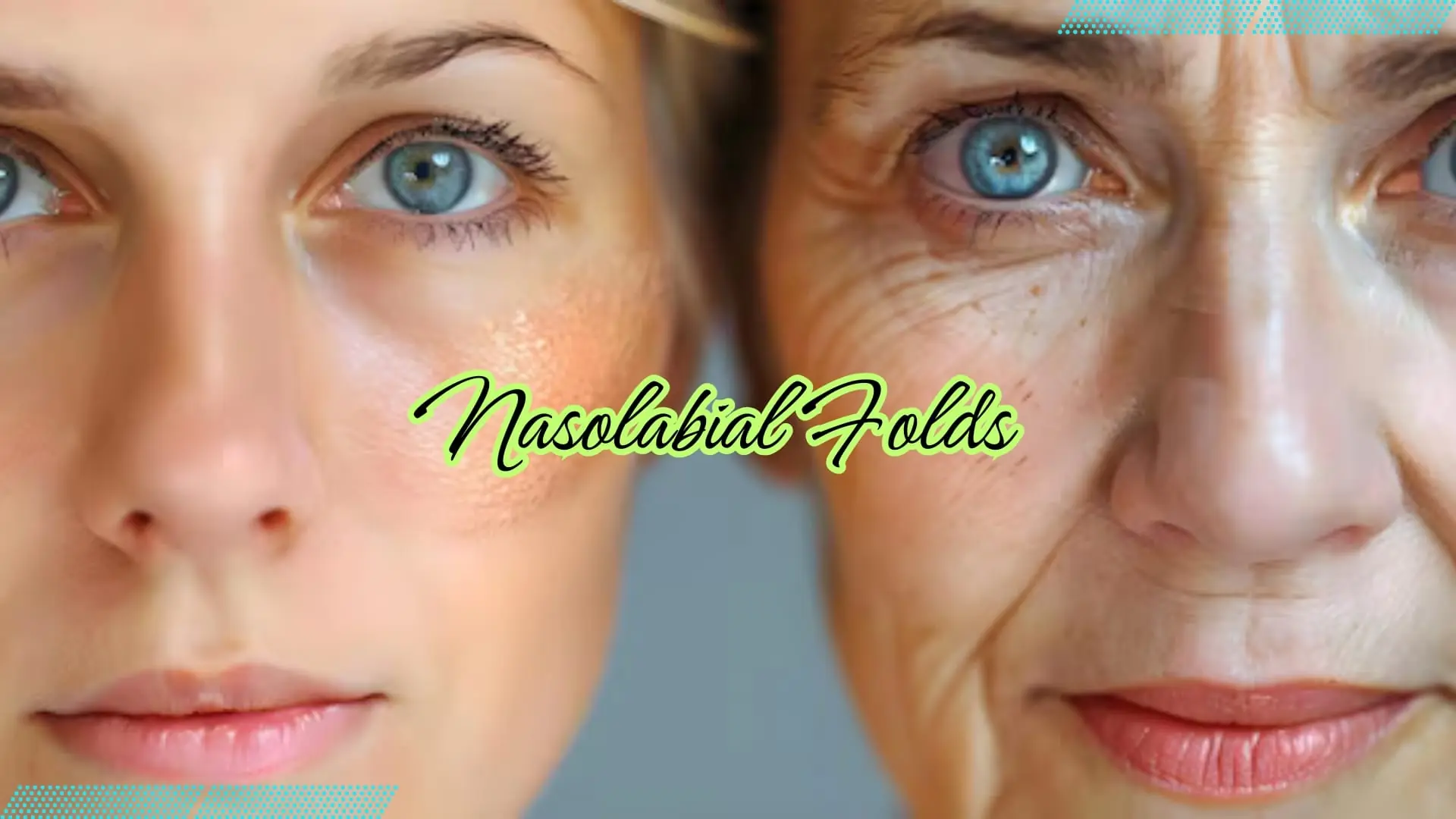
Nasolabial folds are the lines that run from the sides of the nose down to the corners of the mouth, and they are one of the first facial features peo
Nasolabial folds are the lines that run from the sides of the nose down to the corners of the mouth, and they are one of the first facial features people notice deepening in their own mirror. Nasolabial folds aren’t wrinkles in the traditional sense; they’re structural folds that form where the cheek meets the mouth and deepen with collagen loss, sun damage, and weight change. This guide walks through nasolabial folds in detail, with the causes, the treatments that genuinely help, and the prevention habits that slow the depth.
Reviewed by the BeautynFacts editorial team. Last updated: May 2026.

Understanding Nasolabial Folds: Causes, Treatments, and Prevention
Nasolabial folds, also known as “smile lines” or “laugh lines,” are natural creases that run from the sides of the nose to the corners of the mouth. While they are a normal part of facial anatomy, their prominence can increase with age, leading many to seek solutions for reducing their appearance. This article explores the causes of nasolabial folds, effective treatment options, and preventive strategies to help maintain a youthful and refreshed look.
1. What Are Nasolabial Folds?
Nasolabial folds are skin creases formed by natural facial contours. These lines can become more noticeable as the skin ages and loses elasticity. While they are entirely normal, some people prefer to minimize them for a smoother appearance.
2. What Causes Nasolabial Folds?
Several factors contribute to the development of nasolabial folds:
a. Natural Aging Process
- Collagen and elastin decrease with age, leading to sagging skin and deeper folds.
b. Genetic Predisposition
- Genetics influence how and when these lines develop. If your family has a history of early nasolabial folds, you may notice them sooner.
c. Sun Exposure
- UV rays damage collagen and elastin, accelerating skin aging and deepening folds.
d. Lifestyle Factors
- Smoking, poor diet, dehydration, and lack of sleep all contribute to premature aging and the formation of nasolabial folds.
3. Types of Nasolabial Folds
Nasolabial folds vary in depth and severity, categorized into:
- Mild: Faint lines visible only during expressions.
- Moderate: Visible lines even when the face is at rest.
- Severe: Deep folds noticeable without facial movement.
Understanding your type helps determine the most effective treatment approach.
4. When Do Nasolabial Folds Start to Appear?
While nasolabial folds often become visible in the 40s or 50s, some individuals notice them earlier due to factors like genetics, lifestyle, and skincare habits. Consistent sun protection and a robust skincare routine can delay their onset.
5. Non-Surgical Treatment Options
a. Dermal Fillers
- Injected to restore volume and smooth out folds.
- Results last 6 18 months with minimal downtime.
b. Botox Injections
- Reduces muscle activity to prevent folds from deepening.
- Often combined with fillers for enhanced results.
c. Skin Resurfacing Techniques
- Treatments like laser therapy, chemical peels, and microdermabrasion improve skin texture and boost collagen production.
6. Surgical Options for Nasolabial Folds
a. Facelift
- A surgical procedure that lifts and tightens the skin, reducing nasolabial folds.
- Offers long-lasting results but requires significant recovery time.
b. Fat Transfer
- Transfers fat from other body areas to restore volume in the folds.
- Provides natural-looking, long-term results.
7. Preventing Nasolabial Folds
a. Daily Skincare Routine
- Use products with retinoids, vitamin C, and hyaluronic acid to boost collagen and hydration.
b. Sun Protection
- Apply sunscreen daily with SPF 30 or higher to prevent UV damage.
c. Lifestyle Choices
- Stay hydrated, eat a balanced diet, and avoid smoking.
- Regular exercise improves circulation and skin health.
8. Home Remedies for Minimizing Nasolabial Folds
a. Facial Massage
- Stimulates blood flow and relaxes facial muscles.
b. Aloe Vera Gel
- Hydrates and heals skin, improving elasticity.
c. Coconut Oil
- Moisturizes and nourishes skin to keep it soft and plump.
d. Egg White Mask
- Temporarily tightens skin for a smoother appearance.
9. Myths About Nasolabial Folds
a. Only Aging Causes Nasolabial Folds
- Factors like sun exposure, lifestyle, and genetics also play a significant role.
b. Skincare Products Can Erase Nasolabial Folds
- Products improve skin texture but cannot completely remove these lines.
c. Fillers Make Folds Worse Over Time
- Once fillers dissolve, the skin returns to its natural state without worsening folds.
10. Maintaining Results After Treatment
a. Skincare Maintenance
- Use collagen-boosting products and moisturizers regularly.
b. Sun Protection
- Protect treated areas with sunscreen to prevent new damage.
c. Follow-Up Treatments
- Schedule periodic touch-ups for long-term results.
11. When to Consult a Specialist
If nasolabial folds are a concern, consulting a dermatologist or cosmetic specialist can help you explore the most effective treatment options. Personalized advice ensures safe and satisfying results.
Conclusion
Nasolabial folds are a natural aspect of aging, but with the variety of treatments and preventive measures available, you can minimize their appearance and maintain youthful, radiant skin. From non-surgical remedies to lifestyle adjustments, taking proactive steps can help you feel confident and refreshed.
FAQs
1. Can nasolabial folds be completely removed?
No, but treatments can significantly reduce their appearance.
2. Are home remedies effective for nasolabial folds?
Home remedies help improve skin texture but may not replace professional treatments.
3. How long do dermal fillers last?
Fillers typically last 6 18 months, depending on the type and individual factors.
4. Can Botox treat nasolabial folds?
Botox is not a primary treatment but can complement other methods for softening folds.
5. How can I prevent nasolabial folds?
Daily sun protection, a healthy lifestyle, and consistent skincare are key to prevention.
Frequently Asked Questions About Nasolabial Folds
What causes nasolabial folds to deepen with age?
Nasolabial folds deepen with age because of collagen loss, volume loss in the mid-cheek and around the mouth, repeated smiling movement, sun damage, and the gradual descent of the soft tissue. Sleeping on one side, smoking, and rapid weight loss accelerate the change. The fold itself is a natural anatomical line, but the depth and shadow increase as the cheek pad sits lower over time. The fix targets the cheek volume first, then the fold itself, rather than trying to flatten the line in isolation.
Can nasolabial folds be reduced without surgery?
Yes, several non-surgical options visibly reduce nasolabial folds. Hyaluronic acid filler placed in the mid-cheek and along the fold restores volume and lifts the surrounding tissue. Microneedling with radiofrequency, polynucleotide injections, and skin-tightening lasers improve collagen over months. Topical retinoids, peptides, and consistent SPF support skin quality at home. Most people see the best results from a combination approach over six to twelve months, not from any single treatment. Surgery is reserved for the deepest, most volume-driven folds in older patients.
Do face exercises help with nasolabial folds?
Face exercises and facial yoga can support muscle tone and circulation, which contributes to a fresher overall appearance, but they do not significantly reduce established nasolabial folds. The fold is caused by volume loss and skin laxity, not weak muscle, so strengthening underlying muscles can sometimes make the fold look slightly deeper rather than smoother. Massage techniques like gua sha and facial cupping help with lymphatic drainage and short-term tightening. Combine them with skincare and SPF rather than relying on them as the main treatment.
What is the best skincare for nasolabial folds?
The best skincare for nasolabial folds combines a daily retinoid for collagen, vitamin C for antioxidant protection, peptides for skin firmness, hyaluronic acid for hydration, and SPF every morning to prevent further damage. Apply moisturiser generously over the fold area and use upward strokes during application. Add a weekly enzymatic exfoliant to keep texture smooth. Results are slow but cumulative; expect visible softening of the surrounding skin within three months and deeper improvement in the fold itself across six to nine months.
Can sleeping position cause nasolabial folds?
Yes, sleeping consistently on one side or face-down deepens nasolabial folds on the pressure side over years. The skin is compressed and creased in the same direction every night, which slowly etches the fold into the surface and contributes to asymmetrical aging. Switching to back-sleeping is the gold standard solution, though most people find it difficult to maintain. A silk pillowcase reduces friction and is the easiest practical compromise. Anti-aging silicone fold patches worn overnight also help smooth and hydrate the area.
At what age do nasolabial folds usually appear?
A faint nasolabial fold is anatomically present from childhood; it becomes more visible from the late twenties onward as collagen production starts to slow. By the mid-thirties, the fold is noticeable when smiling and often slightly visible at rest. From the forties onward, the depth increases more rapidly because cheek volume drops and skin elasticity declines. Genetics, sun exposure, and weight changes all influence the timeline. Starting sunscreen, retinoids, and good hydration in your twenties is the simplest way to slow the progression.
RELATED ARTICLES:
Sallow Skin: What It Is, Causes, Symptoms, and Remedies
Sunken Eyes No More Causes, Remedies, and Treatments That Work
How to Treat Wrinkles Around the Mouth: Effective Tips and Treatments for Smoother Skin
PDRN Skincare: The K‑Beauty Ingredient That Went From Clinics to Your Vanity
Skin Tints That Work For a Natural Base
About The Author

COMMENTS