The morning shed routine is the viral overnight beauty ritual where you build an elaborate stack of prep at bedtime, then peel it all off in the morni
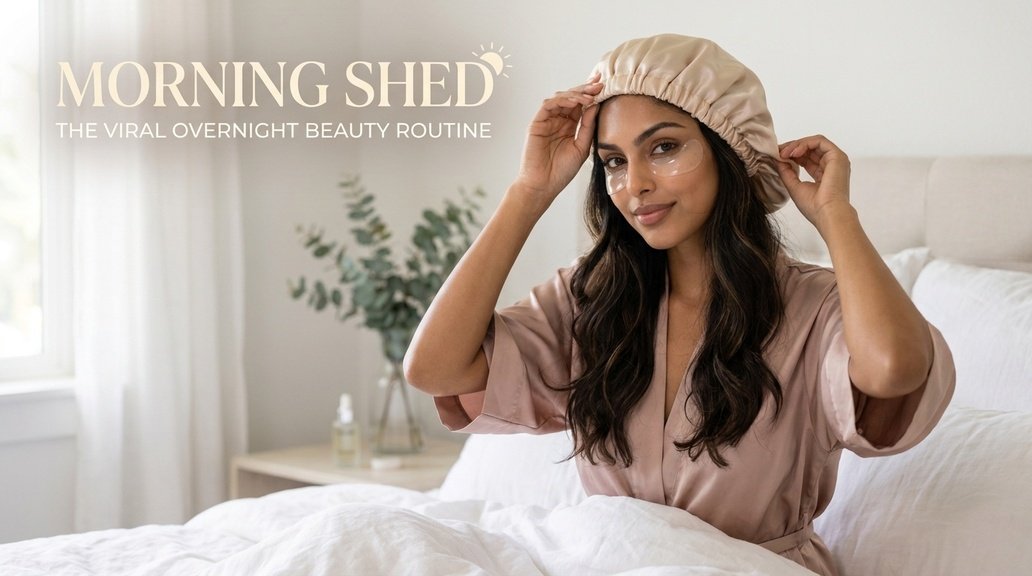
The morning shed routine is the viral overnight beauty ritual where you build an elaborate stack of prep at bedtime, then peel it all off in the morning to reveal skin and hair that are supposedly camera-ready before you have done a thing. Picture a silk bonnet, under-eye masks, an overnight lip and face mask, heatless curlers, a strip of mouth tape, and a band of face-lifting tape, all layered on before sleep and shed at sunrise like a cocoon. It went from a niche TikTok gag to a genuine trend because the visual of the shed is irresistible and the promise of waking up prepped taps into every busy morning fantasy. This guide covers what the morning shed actually is, which layers earn their place, which are mostly for the camera, a realistic pared-back version, who it suits, and the safety notes worth taking seriously.
Reviewed by the BeautynFacts editorial team. Last updated: July 2026.
What’s the morning shed routine? Actually Is
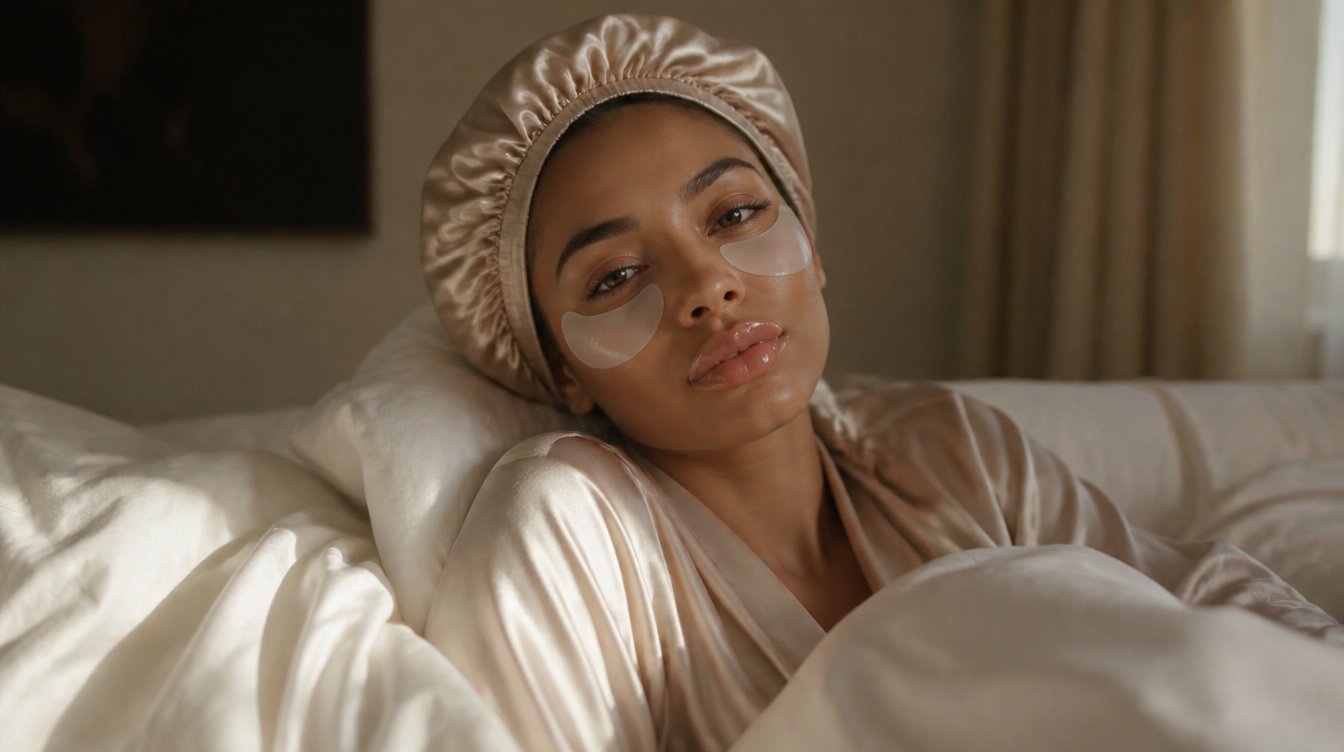
The morning shed is not a skincare step. It is a whole overnight system. You apply and attach a series of products and tools at night, sleep in them, and then remove them in a specific order in the morning. The removal is the ritual, and the reveal is the payoff.
The name comes from the way the layers come off. You shed the bonnet, peel the masks, unclip the curlers, and lift the tapes, and the version of you underneath is meant to be smoother, brighter, and more set than the version that went to bed.
None of the individual pieces are new. Silk bonnets, sleep masks, and heatless curls have existed for years. What is new is stacking them all into one performance and treating the morning removal as the main event.
Why the Morning Shed Went Viral
The trend spread because it is built for video. A person waking up wrapped in tape, patches, and a bonnet, then unwrapping into a polished face, is a satisfying before-and-after in fifteen seconds. That is precisely the shape of content that travels.
The reveal is the hook
Beauty content thrives on transformation, and the shed delivers that transformation without any actual technique on camera. The work happened overnight while you slept, so the video is pure payoff. That format is easy to copy and easy to exaggerate, and that’s how it snowballed.
It sells the idea of effortless mornings
The deeper appeal is time. The pitch is that you front-load all your effort into bedtime and then wake up with prepped skin and set hair and skip the morning scramble. For anyone rushing out the door, that fantasy is powerful, even if the reality is more modest.
It rides the sleep-maxxing wave
The shed also landed in the middle of a broader interest in optimising sleep for beauty and health. Once mouth tape and silk pillowcases were already trending, bundling them into one nightly stack was a natural next step for the algorithm to reward.
The Typical Overnight Layers and What Each Claims to Do
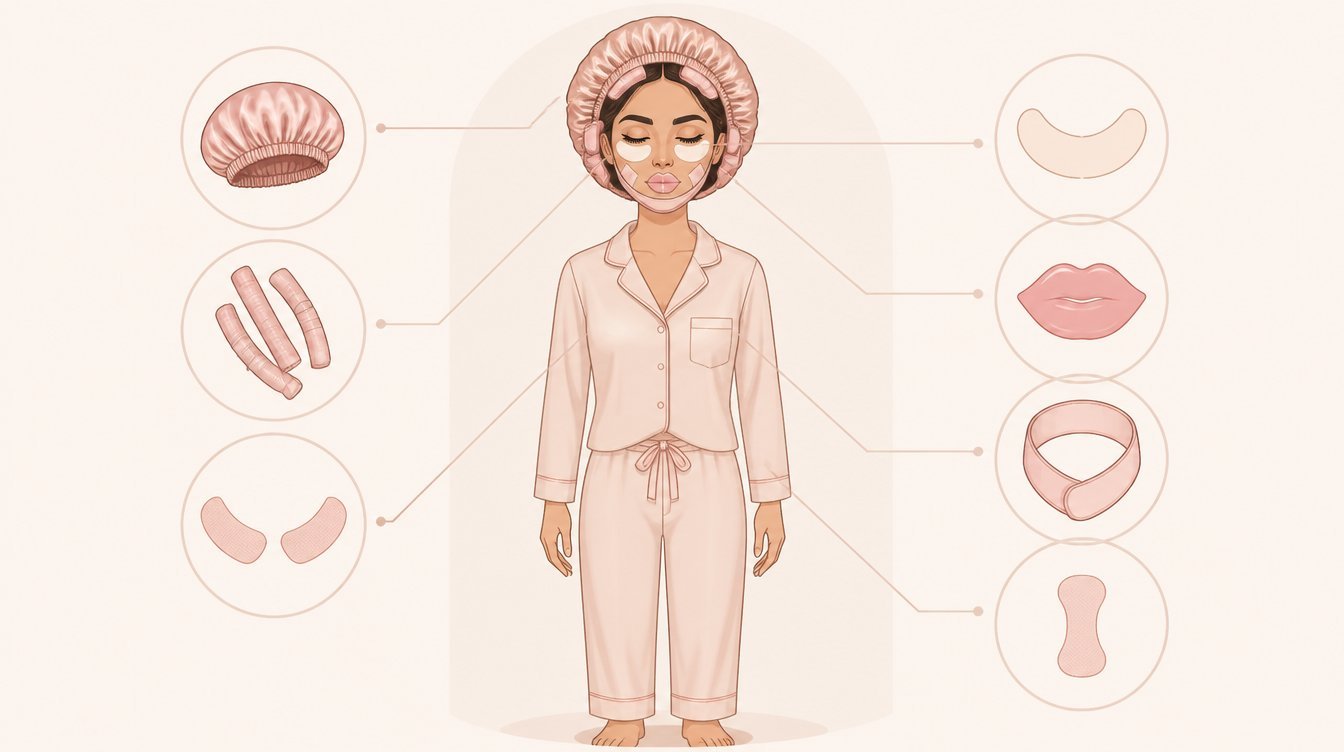
A full morning shed is a head-to-toe setup. Here’s the standard lineup and what each piece promises before we sort the useful from the decorative.
- A silk or satin bonnet, designed to protect hair from friction and keep a blow-dry or curls intact overnight.
- Heatless curlers are fabric rods or bands that you wrap damp hair around to create soft curls without using heat.
- An overnight face mask is a leave-on layer of hydrators and occlusives designed to plump and soften the skin by morning.
- Under-eye masks or patches, gel or hydrogel pads that hydrate and temporarily de-puff the under-eye area.
- Overnight lip mask, a thick balm that seals in moisture so lips wake up smooth rather than dry.
- Face-lifting tape: adhesive strips pulled and anchored to smooth or lift areas of the face for a temporary taut look.
- Chin strap, an elastic band worn around the jaw and head that claims to sculpt or slim the jawline.
- Mouth tape, a small strip over the lips meant to encourage nasal breathing during sleep.
Stacked together, the look is closer to a costume than a routine. That theatrical quality is part of why the trend seems fun and part of why it needs a reality check.
Which Layers Are Genuinely Useful
Strip away the spectacle and a few pieces do real, quiet work. These are the ones worth keeping even if you never film a single video.
Silk or satin bonnet and pillowcase
A smooth surface reduces friction against hair and skin while you move in your sleep. Less friction means less mechanical breakage and frizz for hair, and less tugging on the face. The product is the most reliable member of the lineup, and it costs little.
Overnight hydration for skin and lips
A leave-on moisturiser or overnight mask gives skin many uninterrupted hours to absorb humectants and sit under an occlusive that slows water loss. A lip mask does the same for the lips, which have almost no oil glands of their own. Both are simply well-executed moisturisers, and both deliver.
Heatless curls
Setting damp hair around a soft rod overnight can really produce a gentle curl or wave by morning, without the heat that weakens strands. Results vary with hair type and how damp the hair is, but the method is sound and genuinely kinder than a hot iron.
Which Layers Are Mostly Aesthetic
Other pieces look dramatic on camera but deliver little you can count on the next day. That does not make them dangerous; they are only oversold.
Face-lifting tape gives a real but strictly temporary effect. It physically pulls skin taut, and the smoothing vanishes the moment you remove it. There’s no lasting lift, and repeated aggressive taping can tug at delicate skin. Treat it as a short-term styling trick, not a treatment.
The chin strap is the least effective part. There is no convincing evidence that an elastic band reshapes bone, fat, or muscle along the jaw while you sleep. Any morning difference is fluid, being briefly redistributed, and it settles back within the hour. Under-eye patches sit in the middle: they genuinely hydrate and can briefly reduce the look of puffiness, but the de-puffing is temporary, and the effect is modest.
Mouth Taping Deserves Its Own Caution
Mouth tape is the most talked-about and most sensitive piece of the shed, so it gets its own section rather than a quick mention.
What people hope it does
The claim is that taping the lips encourages nasal breathing overnight, which fans link to less dry mouth, less snoring, and better sleep quality. Nasal breathing is preferable to mouth breathing for many people, and that basic idea is not controversial.
Why the tape itself is risky
The concern is the method, not the goal. Sealing the mouth can be genuinely unsafe for anyone with untreated or undiagnosed sleep apnoea, nasal congestion, or any condition that blocks airflow through the nose. Blocking the backup airway in those cases is not a minor thing. This article is not medical advice, and mouth taping is one trend where checking with a doctor first is the sensible move, not an overreaction.
A Realistic Pared-Back Morning Shed
You do not need eight layers to get most of the benefit. A stripped-down shed keeps the pieces that work and drops the theatre. Here is a version that is easy to actually sustain.
- Apply a hydrating overnight face moisturiser or leave-on mask to clean skin.
- Coat lips generously with a thick overnight lip balm or mask.
- If you want soft waves, wrap damp hair around a heatless curler.
- Pull on a silk or satin bonnet, or simply sleep on a silk pillowcase.
- In the morning, remove everything, rinse or wipe your face, and follow with your usual routine.
That is the whole useful shed. It costs less, takes a couple of minutes, and skips the tapes and straps that carry more risk than reward.

The Morning Shed Versus a Simple Sleep Routine
It helps to see the full shed next to a plain, sensible night routine side by side. Most of the honest benefit sits in the simple column.
| Element | Full Morning Shed | Simple Sleep Routine |
|---|---|---|
| Time at bedtime | Ten to fifteen minutes of layering | Two to three minutes |
| Skin benefit | Real, from the hydration layers | Real, same hydration layers |
| Hair benefit | Real, from silk and heatless set | Real, from silk pillowcase |
| ‘Lift and sculpt’ claims | Temporary at best, nothing lasting | Not attempted |
| Safety flags | Mouth tape and tight straps | Minimal |
| Sustainable nightly | Hard to keep up | Easy |
The table makes the point plainly. The parts that hold up are the ones a basic routine already includes. The extra layers mostly add time and, in a couple of cases, risk.
Who the Morning Shed Suits
The trend is not one-size-fits-all. Some groups benefit more than others, while a few should exercise caution.
Good fit
People with dry skin and dry lips benefit most from the overnight hydration layers. Anyone with textured, curly, or fragile hair gains from the silk protection and heatless setting. If you enjoy a slow wind-down ritual, the process itself can be a pleasant part of your evening.
Approach with care
Anyone with sensitive or reactive skin should be cautious with adhesive tapes and thick occlusives that can trap heat and trigger breakouts. People who snore heavily, wake gasping, or suspect a breathing problem during sleep should skip mouth taping entirely until a doctor weighs in.
How to Shed and Follow Up in the Morning
The removal matters as much as the setup, because rushing it can undo the benefit or irritate the skin. Work gently and in order.
- Remove any tape slowly, pulling it low and flat against the skin rather than yanking it outward to avoid tugging.
- Peel off under-eye and face masks and discard them.
- Unclip the heatless curlers and use your fingers to comb through your hair, saving a brush for last to maintain the wave.
- Lift off the bonnet and shake out the hair.
- Rinse or gently wipe the face to clear any leftover product, then cleanse if needed.
- Follow with your normal morning steps, ending in sunscreen.
The overnight hydration means your morning routine can often be lighter than usual. Do not pile heavy products on top of skin that is already well moisturised.
Common Mistakes People Make
The shed is forgiving, but a handful of habits turn it from harmless fun into a source of irritation or wasted time.
The first is treating the aesthetic layers as treatments and expecting a chin strap or face tape to reshape anything. It will not, and chasing that result only leads to overtightening. The second is applying adhesives to unwashed or product-heavy skin, which lifts poorly and can drag the surface on removal. The third is ignoring the safety flags on mouth taping because a video made it look casual.
A quieter mistake is over-occluding. Sealing too many thick layers on the face overnight can trap sweat and oil and provoke clogged pores or breakouts, especially on skin that already runs oily. More layers are not more beneficial.
Setting Realistic Expectations
Frame the morning shed correctly and you will not be disappointed. The reliable outcomes are softer, more hydrated skin, smoother lips, and hair that is protected and lightly styled. Those are pleasant, repeatable wins.
What the shed does not do is deliver a structural change to your face. There is no overnight jawline sculpting, no permanent lift, no dramatic de-ageing while you sleep. The viral clips compress and dramatise a modest set of results into a cinematic reveal. Keep that gap in mind, and the routine becomes a nice ritual rather than a letdown.
How to Try It Without Overdoing It
If you want to test the trend, start small and add nothing you cannot justify. Begin with the silk bonnet or pillowcase, plus an overnight moisturiser and lip mask, for a week. Notice whether your skin and hair actually feel better in the morning.
Only then consider adding a heatless curler if you like a soft wave. Leave the chin strap and face-lifting tape as occasional novelty items rather than nightly habits, and treat mouth taping as off-limits until you have cleared it with a professional. Built this way, the shed stays cheap, low-risk, and genuinely useful.
Where the Morning Shed Trend Came From
The shed grew out of a few overlapping currents rather than a single source. Overnight beauty is an old idea, from grandmothers sleeping in headscarves to decades of leave-on masks. The silk bonnet has long roots in hair care for textured and curly hair, where friction protection is not a fad but a staple.
What pulled it all together in 2026 was short-form video and the sleepmaxxing conversation. Once mouth tape, silk pillowcases, and heatless curls were each having a moment, creators stacked them, filmed the removal, and turned a set of sensible habits into a spectacle. The trend is best understood as clever packaging of familiar tricks, with a couple of newer, riskier additions bolted on for drama.
Frequently Asked Questions About the Morning Shed Routine
What is the morning shed routine?
The morning shed routine is a viral overnight beauty setup where you layer on prep at bedtime, including a silk bonnet, under-eye masks, an overnight face and lip mask, heatless curlers, and sometimes face or mouth tape, and then remove or shed all of it in the morning to reveal prepped skin and hair. The removal is the whole ritual. Most of the reliable benefit comes from the hydration and silk protection, while the taping and sculpting pieces are largely for the camera.
Does the morning shed routine actually work?
Partly. The hydration layers genuinely soften skin and lips, and a silk bonnet with a heatless set really does protect and lightly style hair overnight. Those results are modest but real and repeatable. The dramatic claims, such as a chin strap slimming your jaw or face tape lifting your features permanently, do not hold up. Any lift from tape is temporary and disappears on removal. Set your expectations around the hydration and hair benefits and you will not be disappointed.
Is mouth taping safe during the morning hours?
Mouth taping carries real risks and should be approached with caution. The goal, encouraging nasal breathing, is reasonable, but sealing the mouth can be unsafe for anyone with untreated sleep apnoea, nasal congestion, or any condition that limits nasal airflow. Blocking the backup airway in those situations is not minor. This article is not medical advice. If you snore heavily, wake gasping, or suspect any breathing issue in your sleep, skip mouth tape and talk to a doctor before trying it.
What is a simple version of the morning shed?
A pared-back shed keeps only the pieces that work. Apply a hydrating overnight moisturiser or leave-on mask to clean skin, coat your lips with a thick balm, wrap damp hair in a heatless curler for soft waves, and pull on a silk bonnet or sleep on a silk pillowcase. In the morning, remove everything, rinse or wipe your face, and follow your usual routine. This version takes a couple of minutes, costs little, and skips the tapes and straps that carry more risk than reward.
Can the morning shed routine cause breakouts?
It can, mostly due to over-occlusion. Sealing several thick layers on the face overnight can trap sweat, oil, and heat, which may clog pores and trigger breakouts, especially on skin that already runs oily or acne-prone. Adhesive tapes can also irritate sensitive skin or drag the surface on removal. To lower the risk, apply products to clean skin, keep the layers reasonable rather than piling them on, choose lighter textures if you are prone to congestion, and remove all adhesives gently in the morning.
Who should avoid the morning shed routine?
Anyone with untreated or suspected sleep apnoea, chronic nasal congestion, or breathing difficulties in sleep should avoid the mouth taping element entirely. People with very sensitive or reactive skin should be careful with adhesive face tape and heavy occlusives that trap heat. If your skin breaks out easily, keep the layers light and skip the tapes. The safe, universal parts—the silk bonnet or pillowcase and the overnight hydration— suit almost everyone and are the pieces worth starting with.
RELATED ARTICLES:
- Sleep and Skin Health: How Rest Repairs Your Complexion
- Glowing Skin: The Habits That Actually Deliver Radiance
- Slow Beauty: The Minimalist Skincare Routine That Works
About The Author

COMMENTS