How to curl hair without heat is the search that everyone with damaged ends ends up making sooner or later, because every heat-free curl method spares
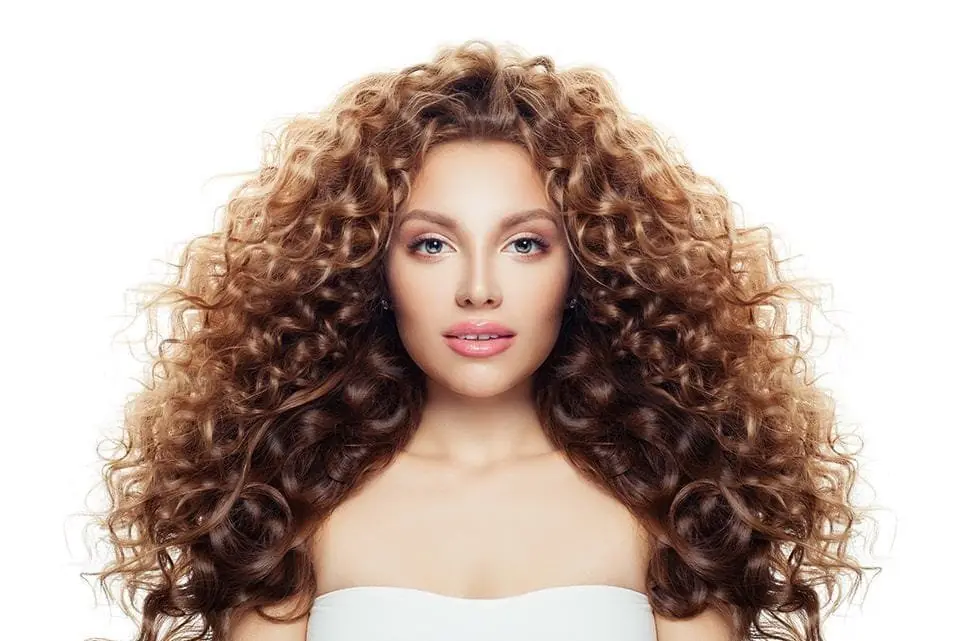
How to curl hair without heat is the search that everyone with damaged ends ends up making sooner or later, because every heat-free curl method spares the cuticle damage that hot tools accumulate over time. How to curl hair without heat covers everything from twist-and-pin to flexi rods to old-school silk scarf wraps, and the results actually rival a curling iron when the technique fits your hair. This guide walks through 7 specific methods, with the prep, timing, and finishing steps that hold all day.
Reviewed by the BeautynFacts editorial team. Last updated: May 2026.
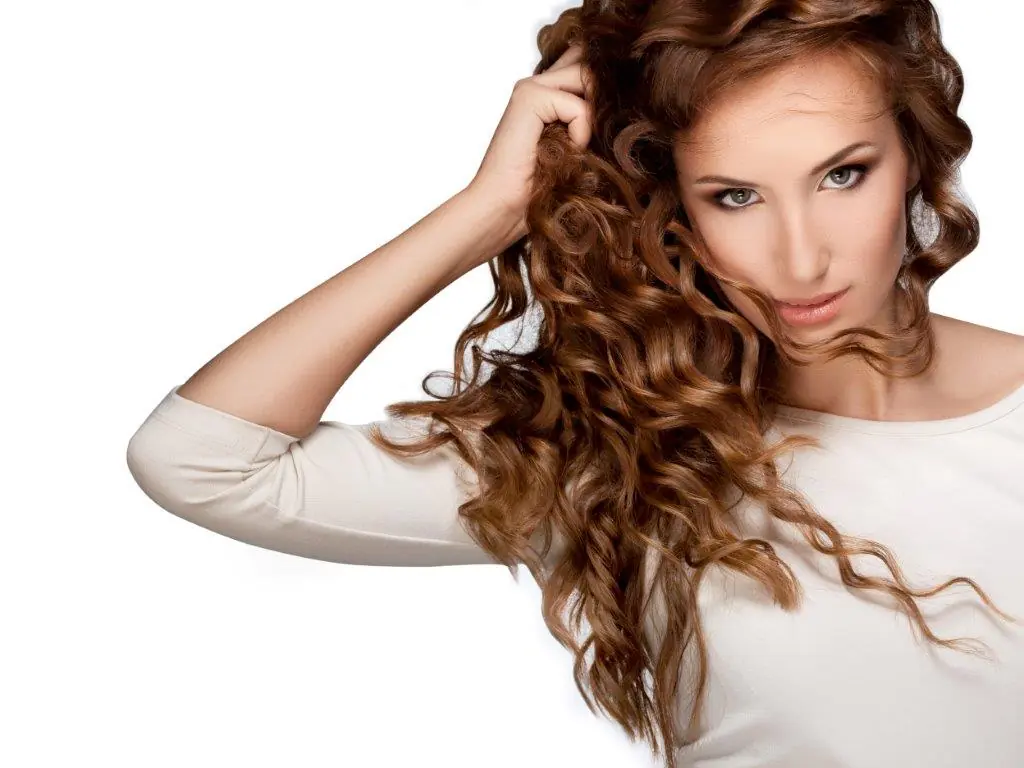
How to Curl Hair without Heat using Braids: Braiding your hair is a simple and effective way to create heatless curls. Start by dividing your hair into small sections and braiding each section tightly. You can create different types of curls depending on the type of braid you use, such as French braids, Dutch braids, or fishtail braids. Leave the braids in overnight, and in the morning, remove them gently to reveal beautiful, bouncy curls.
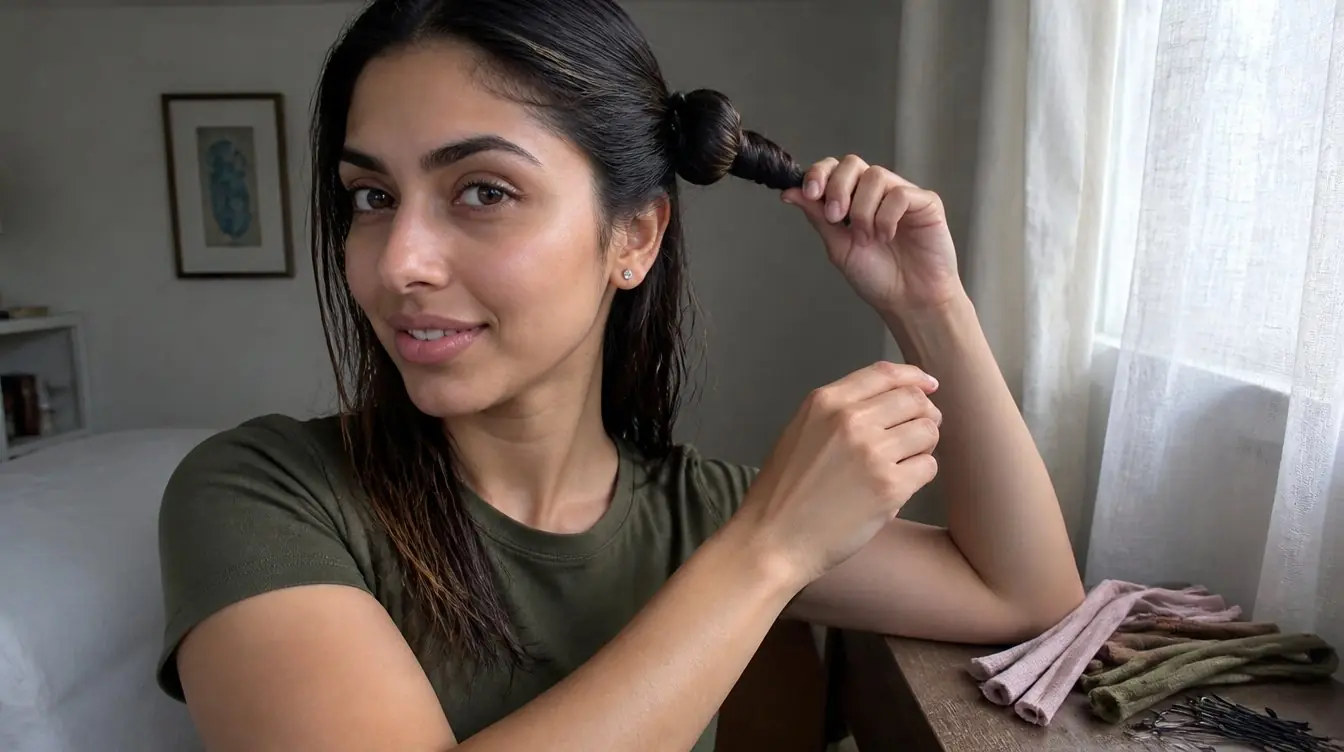
How to Curl Hair without Heat using Twists: Twisting your hair is another easy way to create heatless curls. To do this, simply divide your hair into small sections and twist each section tightly. Secure the ends of each twist with a hair tie or clip, and leave the twists in overnight. In the morning, gently unravel the twists to reveal soft, defined curls.
How to Curl Hair without Heat using Rollers: Using rollers is a classic technique for creating heatless curls. To start, divide your hair into small sections and roll each section tightly onto a roller. You can use different types of rollers, such as Velcro rollers, foam rollers, or flexi rods, to achieve different types of curls. Leave the rollers in overnight, and in the morning, remove them gently to reveal voluminous, bouncy curls.
How to Curl Hair without Heat using Pin Curls: Pin curls are a vintage technique for creating heatless curls that are still popular today. To create pin curls, divide your hair into small sections and wrap each section tightly around your fingers. Secure the curl to your scalp with a bobby pin or clip, and repeat this process until your entire head is covered in pin curls. Leave the curls in overnight, and in the morning, remove the pins gently to reveal soft, defined curls.
How to Curl Hair without Heat using a Headband: Using a headband is a unique and easy way to create heatless curls. Start by placing a headband over your hair, like a crown. Take small sections of hair and wrap them over and around the headband, tucking the ends underneath. Continue wrapping small sections of hair until your entire head is covered in twists. Leave the headband in overnight, and in the morning, gently unravel the twists to reveal soft, bouncy curls.
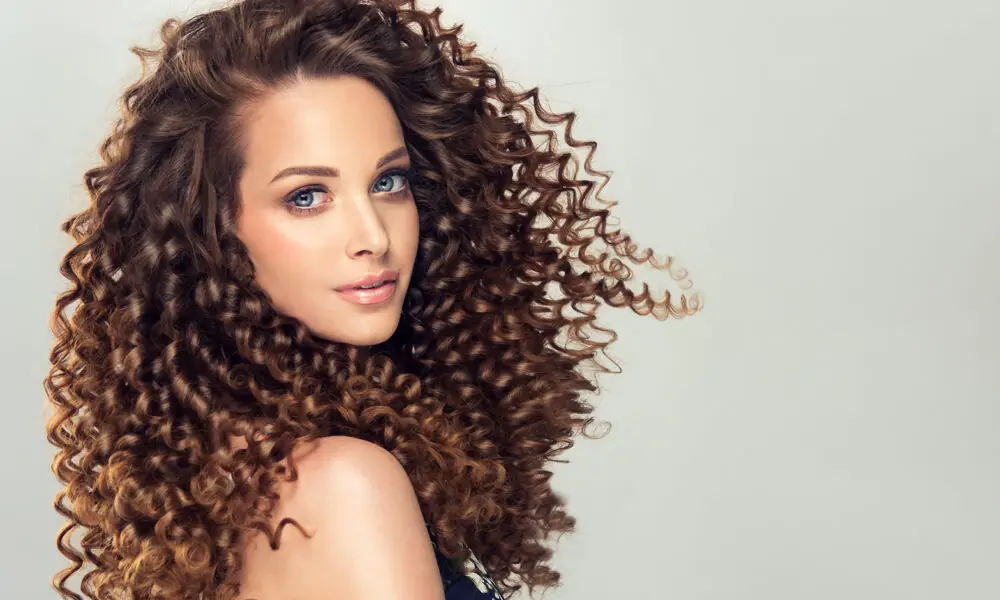
Tips for Maintaining Heatless Curls: Once you have achieved your desired heatless curls, it is important to maintain them properly. Use a light-hold hairspray or styling product to help your curls last longer. Avoid touching your curls too much, as such actions can cause them to frizz or lose their shape. Use a wide-toothed comb or your fingers to gently detangle your curls. And, if you want to refresh your curls the next day, lightly mist your hair with water and scrunch your curls back into shape.
Conclusion: Curling your hair without heat is a healthy and effortless alternative to using heat styling tools. Whether you choose to use braids, twists, rollers, pin curls, or a headband, there are plenty of techniques to choose from to achieve beautiful, heatless curls. Thoroughly and properly preparing your hair and using the right products, you can create long-lasting, healthy curls without damaging your hair. So go ahead, give heatless curling a try and enjoy your beautiful new look!
Learning how to curl hair without heat is one of the smartest moves you can make for healthier, shinier hair. These damage-free methods use overnight braids, foam rollers, and silk wraps to deliver bouncy curls without ever picking up a flat iron or curling wand.
Frequently Asked Questions About Heatless Curls
What is the easiest way to curl hair without heat?
Damp hair wrapped around a soft headband or curling rod overnight is the easiest entry method. Section damp hair into two parts, wrap each side around the headband working from the front to the back, and sleep in a silk bonnet. Unwrap in the morning for soft cascading waves. The technique works on most hair lengths and types and requires no special skill. The viral heatless curls hairband, which is a long padded fabric tube, is the simplest version of this technique.
How long do heatless curls last?
One to two days for most hair types. The hold depends on whether the hair is fine or thick, how damp it was when you wrapped it, and how humid the air is. Use a light texture spray or sea salt spray before wrapping for stronger hold. A flexible hold hairspray after unwrapping seals the curl pattern. Refresh on day two by misting lightly with water and scrunching, which revives the wave without making it limp. Heatless curls hold longer than blow-dried curls.
Should you do heatless curls on wet or dry hair?
Damp hair gives the most defined curls, but not soaking wet. Towel-dry hair until it stops dripping, then add a light styling cream or curl-defining mousse before wrapping. Soaking wet hair takes too long to dry overnight and stays limp in the morning. Dry hair holds barely any curl, since there is no reshaping happening without moisture. The sweet spot is damp enough to feel cool to the touch but not wet enough to soak your pillow through a silk bonnet.
Are heatless curls better for hair than curling irons?
Yes, much. Heat styling at temperatures above one hundred and twenty degrees Celsius damages the cuticle, weakens protein bonds, and over time creates split ends, breakage, and faded colour. Heatless curls preserve the cuticle and add moisture rather than removing it. Daily heat styling visibly thins and damages hair within months, while daily heatless curls leave hair healthier than starting position. If you have already damaged hair from heat styling, switching to heatless curls accelerates recovery dramatically.
Can you do heatless curls on short hair?
Yes, with smaller tools. Foam flexi-rods, mini bantu knots, pin curls, and small braids all create heatless waves on hair as short as chin length. Soft headband wraps work down to shoulder length but get awkward shorter than that. The principle is the same. Reshape damp hair with tension and let it dry into the new shape. Even pixie cuts can have soft waves added with small pin curls overnight. The smaller the hair, the smaller the tool.
Why do my heatless curls fall out by midday?
Three main reasons. The hair was too wet when wrapped and did not fully dry, the curl pattern was set too loose, or the hair is fine and slick from too much conditioner. Fix each in turn. Wrap hair just damp rather than wet. Wrap tighter and add a light texture spray. Skip the conditioner on roots before bed, since residual product weighs curls down. A flexible hold hairspray after unwrapping locks the heatless curls in place for full-day wear.
RELATED ARTICLES:
Make Curly Hair Beautiful and Frizz-Free in 2025: A Weather-Smart Routine That Actually Works
The Art of Hair Plopping: A Guide for Curly and Wavy Hair
Keep away from utilising hot styling tools, like flat irons and curling wands, too frequently to avoid damaging your hair.
The Secret To Getting Your Curls To Look Like A Celeb
Use a heat-protectant spray before blow-drying your hair to prevent damage.
About The Author

COMMENTS