

Sleeping with makeup on is one of those beauty rules that gets repeated so often it has lost most of its actual meaning, and the truth turns out to be
Sleeping with makeup on is one of those beauty rules that gets repeated so often it has lost most of its actual meaning, and the truth turns out to be more interesting than the viral warnings suggest. The damage from sleeping with makeup on is real but measured, and depends on the formulas, your skin type, and how often it happens. This guide walks through sleeping with makeup on with what dermatologists genuinely say, the realistic outcomes, and the recovery steps that undo most of the damage.
Reviewed by the BeautynFacts editorial team. Last updated: May 2026.
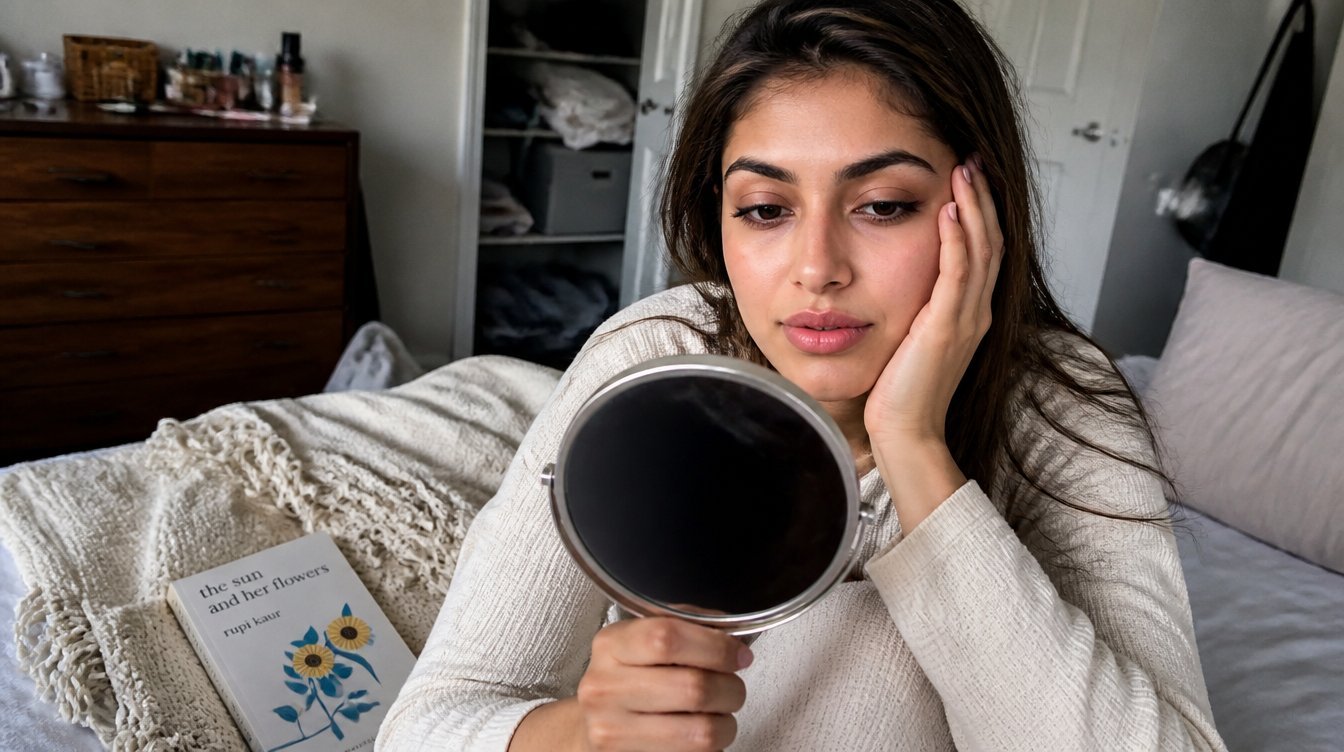
Is it bad to sleep with makeup on? This is what the experts say
You know the scenario. The night runs long, the taxi is warm, and the thought of standing at your bathroom sink feels genuinely impossible. You tell yourself it was just one night. You will fix it in the morning. But as you pull your pillow close with a full face of foundation and mascara intact, your skin begins a very different kind of night shift. Sleeping with makeup on is one of the most common beauty mistakes women make and also one of the most damaging. Dermatologists, aestheticians, and skincare scientists agree: what happens to your skin between 10 p.m. and 6 a.m. is some of the most critical biological activity your body performs. Makeup left on overnight does not just sit there passively. It interacts with your skin cells, clogs your follicles, traps environmental pollutants, and actively interferes with the regeneration process your skin depends on to stay healthy and youthful. This article breaks down exactly what happens at a cellular level when you skip the cleansing step, how different makeup products affect different parts of your face, and what dermatologists recommend when you wake up with last night’s mascara halfway down your cheek.
What Actually Happens to Your Skin While You Sleep
The detail most guides skip on sleeping with makeup on: results compound only when small habits stack. Two careful choices today are worth more than ten half-followed ones, and sleeping with makeup on rewards consistency over weeks, not chasing a single perfect product.
The Skin’s Overnight Repair Cycle
Sleep is not a passive state for your skin. While you rest, your body enters its most productive period of cellular repair. Human growth hormone surges during deep sleep phases, triggering the production of new collagen and elastin. Skin cell turnover accelerates overnight. The outermost layer of the epidermis, called the stratum corneum, sheds dead cells and draws in moisture from the deeper layers. Blood flow to the skin increases significantly, delivering oxygen and nutrients directly to skin cells.
This regeneration process is not optional. It is how your skin maintains its structural integrity over years and decades. Researchers at the University of Manchester found that skin cell mitosis, the process of cells dividing and replicating, peaks between 11 p.m. and 4 a.m. This window is the biological sweet spot for skin repair, and it requires a clean, unobstructed surface to function at full capacity.
When makeup remains on your skin during this window, it creates a physical and chemical barrier that interferes with every stage of this cycle. The skin cannot shed dead cells efficiently. It cannot absorb moisture from the environment. It cannot benefit from any serums or treatments you applied earlier in the day because those products are effectively sealed off from the skin surface.
How Makeup Disrupts Cellular Renewal
Foundation, concealer, and powder all contain film-forming agents. These ingredients are designed to create a smooth, lasting surface on your face during the day. At night, those same film-forming properties work against you. They form a physical seal over the skin, trapping sebum, sweat, bacteria, and environmental particles underneath.
Dr Anne Wetter, a practising dermatologist, explains it this way: when makeup is left on overnight, it penetrates the superficial layers of the dermis. The longer it sits, the deeper those particles migrate. This is particularly true for foundations containing silicones, which can penetrate into the follicle itself over extended contact time.
The result is a compounding effect. Each night you skip makeup removal, the barrier becomes more impacted. Dead skin cells that should have shed naturally remain trapped beneath a layer of cosmetic residue. This buildup creates an environment where bacteria thrive and inflammation begins. Over time, even people with naturally balanced skin can develop sensitisation, redness, and congestion from consistent overnight makeup wear.
The Role of Oxidative Stress
Your skin accumulates free radicals throughout the day. UV radiation, pollution, exhaust particles, blue light from screens: all of these generate unstable oxygen molecules that attack healthy skin cells and degrade collagen. Normally, your skin’s overnight repair process neutralises many of these free radicals through antioxidant activity and cellular regeneration.
Makeup changes this equation in a significant way. Many cosmetic products, particularly foundations and setting sprays, are formulated to adhere to the skin’s surface and resist removal throughout the day. This means they also hold onto the environmental pollutants and free radical particles your skin collected during the day. Instead of your skin processing and eliminating these oxidative stressors overnight, they remain pressed against your skin for eight or more hours, continuing to cause damage throughout your sleep cycle.
A study published in the Journal of Investigative Dermatology demonstrated that environmental pollutants left on skin overnight caused measurably greater collagen degradation than those removed before sleep. This oxidative burden is one of the clearest scientific explanations for why consistent overnight makeup wear accelerates visible aging.
Clogged Pores: The Most Immediate Consequence
How Sebum Gets Trapped
Sebum is your skin’s natural lubricant. The sebaceous glands produce it continuously throughout the day and night to moisturise the skin surface, maintain the skin’s acid mantle, and flush out dead skin cells and environmental debris from within the follicle. Under normal circumstances, this is a clean and efficient system. Sebum rises through the pore, carries debris with it, and disperses across the skin surface.
When makeup sits over your pores overnight, it physically blocks the exit point of the follicle. Sebum continues to be produced at the same rate, but it has nowhere to go. It accumulates inside the pore, mixing with dead skin cells, makeup residue, and bacteria. This is the precise biological mechanism behind blackheads and comedones, and it is why sleeping in foundation consistently leads to visible changes in pore size and skin texture.
Dr Wetter describes it precisely: cosmetic residue blocks the release of sebum, so dead skin accumulates in large pores, which can lead to acne. The body responds to this blockage by increasing sebum production, which compounds the problem further. Skin that sleeps in makeup regularly often becomes oilier over time, not because of a hormonal change but because the sebaceous glands are overcompensating for their impaired drainage.
Blackheads, Whiteheads, and Breakouts
The distinction between blackheads and whiteheads comes down to whether the blocked pore is open or closed at the surface. When makeup and sebum mix inside an open follicle and become exposed to air, oxidation occurs and the plug turns dark. This creates the characteristic appearance of a blackhead.
When the pore is sealed at the surface by a layer of makeup or dead skin, the trapped material cannot oxidise. It remains white or skin-coloured, forming a whitehead. Both types of comedones are direct results of obstructed follicles, and both are made significantly more likely when makeup is worn overnight.
Inflammatory acne follows a different pathway but begins the same way. The bacterium Cutibacterium acnes (formerly called Propionibacterium acnes) lives naturally on the skin surface in small populations. It feeds on sebum. When sebum becomes trapped in a follicle overnight, C. acnes populations increase rapidly in that confined, sebum-rich environment. The immune system detects this bacterial overgrowth and sends white blood cells to the area, which creates the redness, swelling, and pus characteristic of a pimple. Sleeping in makeup repeatedly creates the exact conditions this bacteria needs to proliferate.
Long-Term Pore Enlargement
Pores do not have muscles. They cannot open and close in response to steam or cold water the way many beauty myths suggest. Their visible size is determined almost entirely by the volume of material stretching them from within. When a follicle is repeatedly overfilled with trapped sebum, dead cells, and cosmetic residue, the walls of the pore stretch outward over time. Once a pore has been chronically dilated, it does not simply shrink back when the blockage is cleared.
This is why consistent overnight makeup wear leads to the gradual appearance of larger, more visible pores, particularly across the nose, cheeks, and chin. The damage is cumulative and slow, which means many people do not connect the change in their skin texture to their cleansing habits until it has been progressing for months.
What Sleeping in Eye Makeup Does to Your Eyes and Lashes
Worth pausing on with sleeping with makeup on: the products matter less than the order and timing. The same shelf can deliver visible sleeping with makeup on results or flat ones depending on the layering.
The Unique Vulnerability of the Eye Area
The skin around your eyes is between three and five times thinner than the skin on the rest of your face. It contains fewer oil glands, less collagen support, and a much denser network of tiny blood vessels. This makes it uniquely sensitive to any source of irritation or inflammation. Eye makeup, including mascara, eyeliner, eyeshadow, and lash primer, is formulated with pigments, preservatives, and adhesive agents that are safe for short-term contact with the eye area but were never designed to be in contact with the skin for eight consecutive hours.
Dr Wetter notes that if you regularly leave mascara and eyeliner on overnight, the tiny hair follicles and oil glands on your eyelids can become clogged, leading to infection and inflammation. These oil glands, called meibomian glands, produce the lipid layer of your tear film. When they become blocked, your tear film becomes unstable. This leads to dry, irritated, and red eyes in the morning, a condition that can become chronic if the blockage is not cleared regularly.
Mascara and Eyelash Damage
Mascara formulas rely on polymers and wax to build volume and length on the lashes. During the day, this coating is relatively pliable. By morning, after eight hours of contact with the lash, the coating has dried and hardened significantly. The mechanical stress this places on individual lash hairs is considerable.
Each eyelash grows from a follicle anchored in the eyelid. The follicle feeds the lash through a fine network of capillaries. When mascara residue builds up at the base of the lash overnight and dries hard, it creates traction on the lash during any movement, including blinking and rubbing. Dr Wetter explains it clearly: sleeping in mascara dries out your lashes, makes them brittle, and causes them to break easily.
Over time, this mechanical stress and follicle congestion can reduce lash density. The lashes that break off midway through their growth cycle do not represent permanent loss, as lash follicles regenerate on a three-to-six-month cycle. However, if follicle blockage becomes chronic, it can shorten the active growth phase of individual lashes and lead to sparser, shorter lashes over months of habitual overnight mascara wear.
Eye Infections and Inflammation
The eye area is one of the most susceptible regions of the body for bacterial and fungal infections. Blepharitis, an inflammation of the eyelid margin, is directly linked to poor eye hygiene. Styes, which are painful red lumps at the base of the lash line, form when a lash follicle or oil gland becomes infected. Both conditions are significantly more common in people who sleep in eyeliner regularly.
Beyond infection risk, the pigment particles in eyeshadow and eyeliner can physically migrate into the eye during sleep. Research published in the journal Ophthalmology found that approximately 30 percent of eyeliner applied to the inner waterline migrates into the tear film within five minutes of application, and that rate increases substantially with physical pressure from a pillow during sleep. These particles can scratch the cornea and cause conjunctivitis, commonly known as pink eye, in susceptible individuals.
Premature Aging: The Long-Term Damage You Cannot See Yet
Collagen Degradation and Free Radical Exposure
Collagen is the structural protein that gives skin its firmness and elasticity. Your body produces it continuously throughout your life, but production slows gradually from your mid-twenties onward. The rate at which you lose collagen is influenced by genetics, sun exposure, diet, and inflammation. Overnight makeup wear accelerates collagen breakdown through two converging pathways.
The first is the free radical pathway described earlier. Pollutants and UV-generated reactive oxygen species that are trapped against the skin overnight continue to attack collagen fibres throughout the sleep cycle. The second pathway is inflammatory. When the skin is in a state of chronic low-grade inflammation from repeatedly clogged pores, disrupted barrier function, and bacterial overgrowth, it produces matrix metalloproteinases. These are enzymes the immune system deploys to clear damaged tissue. They are effective at their job, but they do not distinguish between damaged collagen and healthy collagen. The result is net collagen loss that accelerates skin aging.
Dr Ash Labib, Chief Medical Officer at AL Aesthetics, addresses this directly: if sleeping in makeup becomes a regular habit, you may want to consider that premature aging and collagen degradation can also be a byproduct of sleeping in cosmetics. The word ‘premature’ is doing significant work in that sentence. The damage does not announce itself immediately. It accumulates silently over months and years, appearing eventually as fine lines, loss of firmness, and uneven texture that responds poorly to topical treatments.
How Makeup Traps Pollutants and Accelerates Skin Aging
Modern urban skin is exposed to nitrogen dioxide, particulate matter, ozone, and polycyclic aromatic hydrocarbons throughout the day. These pollutants are invisible, but they adhere to the skin surface and to the surface of any makeup product covering it. A face covered in foundation at the end of a commute has effectively collected and concentrated those pollutants in a single layer against the skin.
Under normal circumstances, a thorough cleanse at night removes this contaminated layer before sleep. When it remains on the skin overnight, these pollutants continue to penetrate the epidermis, disrupting the skin’s antioxidant defences and triggering the inflammatory cascade that degrades collagen. Research from major dermatological institutions in Germany and China has consistently shown that people living in high-pollution urban environments who maintain a strict nightly cleansing routine show significantly less pollution-induced skin aging than those who cleanse inconsistently, even when all other factors are controlled.
The Skin Barrier and Moisture Loss
Your skin barrier, technically called the stratum corneum, functions as a two-way shield. It keeps harmful substances out and keeps moisture in. It does this through a precise arrangement of skin cells embedded in lipids, often compared to a brick-and-mortar structure. When this barrier is intact, skin looks plump, smooth, and resilient. When it is compromised, skin becomes dry, reactive, and prone to sensitivity.
Many makeup products, particularly long-wearing and matte formulas, contain ingredients like alcohol, silicones, and talc that gradually deplete the lipid content of the skin barrier with extended contact time. Wearing these products overnight consistently strips the barrier of the fatty acids and ceramides it needs to function correctly. The result is transepidermal water loss, where moisture escapes from the skin rather than being retained in the deeper layers. Skin that is chronically barrier-compromised looks dull, feels tight, and develops fine lines earlier than healthy skin.
How Often Is Too Often?
The Occasional Slip vs a Regular Habit
Dr Labib offers a measured and realistic perspective on this question. He acknowledges that sleeping in makeup will inevitably happen to most people at some point in their lives and that doing it just once is not too much of a concern, although it is obviously best to avoid it whenever possible. This is an important distinction that many overly alarming beauty articles miss.
A single night of sleeping in makeup will not permanently damage your skin. Your skin is remarkably resilient. It has evolved to withstand significant environmental stress. One night of blocked pores and disrupted repair cycles is something your skin can recover from fully within 24 to 48 hours with proper cleansing and hydration. The concern begins when occasional becomes regular, and regular becomes habitual.
Dermatologists generally define problematic frequency as more than once or twice per month. At that level of frequency, the cumulative effects on pore size, skin texture, lash health, and collagen integrity begin to become visible. The skin does not have sufficient time between incidents to complete its recovery before the next disruption occurs. Problems compound rather than resolve.
How Skin Type Changes the Equation
Not all skin types are equally vulnerable to the effects of overnight makeup wear, though none are entirely immune. Oily skin types produce more sebum and therefore experience more rapid and severe pore blockage when makeup is worn overnight. People with oily skin who sleep in foundation regularly are the most likely to develop persistent comedonal acne and visibly enlarged pores.
Dry skin types face a different primary risk. Dry skin already produces insufficient sebum to maintain a healthy barrier. Long-wearing and matte foundations worsen this deficit overnight, leading to accelerated transepidermal water loss and an increasingly impaired skin barrier. People with dry skin who habitually sleep in makeup often develop heightened sensitivity, flakiness, and reactive skin over time.
Combination skin experiences both of these problems in different zones of the face simultaneously. The T-zone develops congestion and breakouts, while the cheeks become dry and sensitised. Sensitive skin types react to the inflammatory effects of overnight cosmetic residue most acutely, developing redness, irritation, and in some cases contact dermatitis from prolonged exposure to pigments and preservatives.
What Dermatologists Actually Recommend:
The dermatological consensus on this question is consistent and clear. No dermatologist or skincare scientist recommends sleeping in makeup under any circumstances. However, the experts who speak most practically about it recognize that perfect compliance is not realistic for every person on every night. Their recommendations focus on making removal as easy and friction-free as possible so that the barrier to doing it stays low even on difficult nights.
Keeping micellar water and cotton pads on your nightstand, for example, provides a no-rinse cleansing option that takes under two minutes. It will not provide the deep cleanse of a full double-cleanse routine, but it is exponentially better than nothing. Many dermatologists recommend this as a minimum standard for nights when a full routine is genuinely not possible. The goal is to remove the physical layer of makeup from the skin surface, even if a thorough pore-level cleanse waits until morning.
How to Recover After Sleeping in Makeup
The Double Cleanse Method
The morning after sleeping in full makeup requires a more thorough cleansing approach than your standard morning routine does. Dermatologists consistently recommend the double-cleanse method as the most effective way to clear overnight makeup residue, sebum build-up, and the pollutant layer that has had all night to adhere to the skin.
The first cleanse uses an oil-based product: a cleansing oil, cleansing balm, or micellar water with an oil component. Oil-based cleansers work on the principle of like-dissolves-like. The oils in the cleanser bind to the oils in your makeup, including the long-wearing polymers in foundation, the waxes in mascara, and the silicones in primers. They emulsify these substances and lift them off the skin surface without requiring aggressive scrubbing. Dr Wetter recommends starting with an oil-based cleanser to emulsify makeup, dirt, and oil before proceeding to a second step.
The second cleanse uses a water-based cleanser appropriate for your skin type. This step removes the emulsified makeup and cleanser residue from the first step, along with any remaining water-soluble debris, sweat residue, and surface bacteria. Together, the two steps provide a genuinely thorough cleanse that a single product cannot achieve. After a night of sleeping in makeup, this double cleanse should not be skipped or shortened.
Rehydrating and Repairing the Skin Barrier
After cleansing following an overnight makeup incident, the skin will typically feel tight, appear dull, and show some degree of temporary redness or congestion. This is normal and reflects the disrupted barrier function from the night before. Your immediate priority is to replenish moisture and support barrier repair.
Apply a hydrating toner or essence containing ingredients like hyaluronic acid, panthenol (vitamin B5), or niacinamide immediately after cleansing while the skin is still slightly damp. These ingredients draw moisture into the epidermis and support the skin’s natural barrier function. Niacinamide additionally has anti-inflammatory properties that can help calm the low-grade inflammation that wearing makeup overnight triggers.
Follow with a barrier-supporting moisturiser containing ceramides, fatty acids, and cholesterol in proportions that mirror the skin’s own lipid composition. Products containing these ingredients actively repair the brick-and-mortar structure of the stratum corneum. If the skin feels particularly compromised or reactive, reduce your routine to only these essential steps and skip active ingredients like retinoids, exfoliating acids, or vitamin C on that particular day. Let the skin recover before returning to a full active treatment routine.
Targeted Treatments After Sleeping in Eye Makeup
The eye area requires specific attention following a night of sleeping in mascara and eyeliner. Begin by applying a dedicated eye makeup remover to a cotton pad and holding it gently over the closed eye for 20 to 30 seconds before wiping. This soak time allows the remover to dissolve the hardened mascara without requiring you to rub the delicate lash line and eyelid skin.
After removing the makeup, apply a small amount of a soothing eye cream containing peptides or caffeine to the orbital bone area. Peptides support the structural proteins around the eye, while caffeine constricts blood vessels and reduces the puffiness that typically follows a night of disrupted circulation from eye makeup pressure. If the eyes feel irritated or dry, preservative-free eye drops designed for dry eye relief can provide immediate comfort and flush any residual pigment particles from the ocular surface.
Building a Makeup Removal Routine You Will Actually Follow
Making Removal Effortless
The most effective makeup removal routine is one you can and will complete every night, regardless of how tired you are. Dermatologists and aestheticians consistently point out that the complexity of a skincare routine is inversely related to its compliance rate. If your cleansing routine takes fifteen steps and fifteen minutes, you will skip it far more often than if it takes three steps and three minutes.
Organise your cleansing products in the most accessible location possible: on the bathroom counter, not in a drawer or cabinet. Every additional action required to access a product decreases the likelihood that you will use it when you are tired and unmotivated. Some dermatologists recommend keeping a second set of essential cleansing products on your nightstand specifically for nights when getting to the bathroom feels impossible. A tube of cleansing balm and a few cotton pads within arm’s reach of the bed remove virtually every practical obstacle to removing your makeup before sleep.
Micellar Water vs. Cleansing Oils: Understanding the Difference
Micellar water contains microscopic oil molecules suspended in soft water. These micelles act like magnets, attracting makeup and sebum and lifting them off the skin surface without rinsing. Micellar water is a genuinely useful tool for quick, low-effort makeup removal on difficult nights. However, it has limitations. Standard micellar water is less effective at removing long-wearing and waterproof formulas, particularly mascara and foundation with high silicone content.
Cleansing oils and balms are more powerful against these stubborn formulas. They physically dissolve the oils and waxes in long-wearing makeup rather than simply attracting and lifting surface particles. For nightly use, a cleansing oil or balm followed by a gentle foam or gel cleanser represents the most thorough and skin-friendly approach available.
For people who find cleansing balms too rich or who prefer a lighter texture, cleansing milks provide an effective middle ground. They contain enough oil to emulsify makeup but have a fluid consistency that rinses cleanly. The most important variable is not which specific product you choose but whether you are removing all makeup consistently before sleep. A basic drugstore cleansing milk used every night will protect your skin far better than a luxury double cleanse performed only three nights a week.
Evening Skincare for Late Nights and Busy Schedules
There is a version of your evening routine calibrated for the nights when you arrive home at midnight and your bed is the only thing you can think about. Build this abbreviated routine in advance and commit to it as your minimum standard. It does not need to deliver the full benefits of a comprehensive routine. It simply needs to remove your makeup and apply one protective product.
A reasonable minimum for late nights: one minute with a cleansing balm or micellar water to dissolve makeup, thirty seconds with a gentle cleanser if you can manage it, and a single layer of a moisturiser with barrier-supporting ingredients. This entire process can take under four minutes and will prevent the vast majority of overnight makeup damage. Reserve your full routine, including serums, eye cream, retinoids, and facial oils, for nights when you have the time and energy to complete it properly.
The Best Ingredients for Preventing and Reversing Overnight Makeup Damage
Retinoids for Pore Clarity and Cellular Renewal
Retinoids are vitamin A derivatives and represent one of the most evidence-supported categories in skincare. They work by binding to retinoic acid receptors in the skin and directly increasing cellular turnover. For skin that has been exposed to habitual overnight makeup wear, retinoids address two of the most significant forms of damage: accumulated dead skin cell build-up within the follicle and slowed cellular regeneration.
By accelerating the rate at which skin cells cycle through their growth and shedding phases, retinoids help clear the compacted material from chronically clogged pores over time. They also stimulate fibroblast activity, the cells responsible for producing collagen and elastin, helping to partially counteract the collagen degradation associated with chronic oxidative stress and inflammation.
Retinoids should be introduced gradually into a routine and used only at night, as they increase photosensitivity. Begin with a low-concentration retinol (0.025 to 0.05 percent) two nights per week and increase frequency as tolerance builds. People with sensitive or compromised skin barriers should introduce retinoids only after barrier function has been restored through consistent cleansing and ceramide-based moisturising.
Antioxidants to Counter Oxidative Damage
Applying antioxidants to the skin provides a direct defence against the free radical damage that overnight makeup wear compromises. Vitamin C (ascorbic acid) is the most researched topical antioxidant. Applied consistently in the morning, it neutralises reactive oxygen species before they can degrade collagen, brightens post-inflammatory hyperpigmentation from past breakouts, and stimulates collagen synthesis independently of retinoid activity.
Vitamin E, niacinamide, green tea extract, and resveratrol are additional antioxidants with strong clinical evidence supporting their effectiveness. Niacinamide deserves particular mention in the context of overnight makeup damage because it simultaneously provides antioxidant protection, strengthens the skin barrier, reduces sebum production, and calms inflammation. For skin recovering from the effects of habitual overnight makeup wear, niacinamide at concentrations between two and ten percent addresses multiple damage pathways simultaneously.
Exfoliating Acids for Clearing Buildup
Chemical exfoliants dissolve the bonds between dead skin cells, allowing them to shed cleanly rather than accumulating in and around the follicle. Alpha hydroxy acids (AHAs) like glycolic acid and lactic acid work on the skin surface and in the upper layers of the epidermis. They are particularly effective for addressing the dull, uneven texture that results from compacted dead cell buildup and disrupted overnight renewal cycles.
Beta-hydroxy acid (BHA), specifically salicylic acid, is oil-soluble and penetrates into the follicle itself. This makes it uniquely effective for addressing the sebum and debris buildup inside pores that overnight makeup wear causes. Salicylic acid at concentrations between 0.5 and 2 percent, used two to three times weekly in a toner or serum, provides ongoing maintenance of pore clarity without the irritation potential of more aggressive exfoliation methods.
Chemical exfoliants should not be used on the same nights as retinoids unless your skin has built substantial tolerance for both. Alternating retinoids and exfoliating acids across the week allows you to benefit from both categories without overloading the skin’s ability to process them.
Frequently Asked Questions
Is it really that bad to sleep with makeup on just once?
A single incident of sleeping in makeup is unlikely to cause lasting damage to healthy skin. Dr Labib acknowledges that it will inevitably happen to most people at some point and that doing it just once is not too much of a concern. Your skin is resilient. One night of disrupted repair cycles, temporary pore blockage, and oxidative stress exposure is within the range of disruptions your skin can recover from fully. The caveat is that recovery requires action: a thorough double cleanse the following morning, followed by a barrier-supporting moisturiser and adequate hydration throughout the day. Without that corrective step, even a single incident can leave residual congestion and dullness that persists for several days.
What happens to your skin if you sleep with foundation on every night?
Wearing foundation every night triggers a progressive deterioration of skin quality across multiple dimensions. In the short term, within the first few weeks, you will likely notice increased congestion, breakouts, and a dull, uneven complexion. Pores will begin to appear larger, particularly on the nose and chin, as sebum and dead skin cells accumulate and stretch the follicle walls. Over months, the chronic barrier disruption causes increasing sensitivity, dryness, and reactivity. The inflammatory state associated with consistently blocked pores accelerates collagen breakdown, contributing to the earlier-than-expected appearance of fine lines and loss of firmness. Long-term daily foundation wear overnight also means nightly exposure to the pollutants and free radicals your foundation collected during the day, which compounds the oxidative aging effect significantly.
Does sleeping with mascara on damage your eyelashes permanently?
Occasional mascara wear overnight is unlikely to cause permanent lash damage, as eyelash follicles regenerate on a cycle of approximately three to six months. However, habitual overnight mascara wear does carry a real risk of lash thinning over time. The mechanism is twofold: the mechanical stress of hardened mascara pulling on lashes during sleep causes individual lashes to break before completing their full growth cycle, while follicle blockage at the lash base shortens the active growth phase of the follicle itself. The result is lashes that are shorter, sparser, and more prone to breakage. This effect is reversible with consistent makeup removal, but recovery requires several full lash cycles, meaning it can take three to six months of disciplined makeup removal before the full improvement becomes visible.
Can sleeping with makeup on cause long-term acne?
Yes. Habitual overnight makeup wear is one of the most common and least recognised contributors to persistent adult acne, particularly the comedonal and inflammatory breakout patterns that affect the cheeks, chin, and forehead. The pathway from overnight makeup to long-term acne runs through two related mechanisms: chronic follicle blockage that creates the anaerobic, sebum-rich environment that *C. acnes* bacteria require to proliferate and chronic low-grade inflammation that maintains a heightened immune response in the skin. Once this inflammatory cycle becomes established, breakouts can continue even after cleansing habits improve, because the pores have been stretched and the skin’s immune sensitivity has been elevated. Addressing long-term makeup-related acne typically requires not just improved cleansing habits but also a full skincare protocol including BHA exfoliants, niacinamide, and, in some cases, a prescription retinoid to fully clear compacted follicles and restore normal pore function.
What should you do first thing in the morning after sleeping in with make-up?
Your first priority is a thorough double cleanse. Start with an oil-based cleanser or cleansing balm, applying it to dry skin and massaging in circular motions for at least sixty seconds to allow the oils to fully emulsify the makeup residue. Remove with a warm damp cloth or rinse thoroughly with water. Follow immediately with a gentle water-based cleanser suited to your skin type. After cleansing, apply a hydrating toner or essence containing hyaluronic acid or niacinamide to begin restoring moisture to the depleted skin barrier. Follow with a ceramide-rich moisturiser and, if it is daytime, a broad-spectrum SPF 30 or higher sunscreen. Skip aggressive exfoliants and retinoids on this particular morning. Your skin is already in a state of mild stress, and adding strong actives will increase irritation without providing additional benefit. Give it one full day of gentle, supportive care before returning to your normal active treatment routine.
Conclusion
The verdict from dermatologists and skin scientists is consistent: sleeping with makeup on is genuinely harmful to your skin, and the severity of that harm scales directly with how often it happens. A single late night will not permanently alter your skin. A regular habit of skipping the cleansing step will do it. The damage accumulates slowly and silently across multiple biological systems: the follicular drainage system, the skin barrier, the collagen matrix, the lash follicle, and the eye’s delicate oil-producing glands.
The good news is that the solution is straightforward, and the skin’s capacity to recover, given the right support, is significant. Here are the core takeaways from everything the evidence and expert opinion points to:
- Your skin performs its most critical repair work overnight, and makeup physically obstructs every stage of that process.
- Overnight makeup wear clogs pores, accelerates collagen breakdown, traps environmental pollutants against the skin, and creates ideal conditions for bacterial overgrowth.
- Eye makeup worn overnight damages lash follicles, disrupts tear film production, and increases the risk of eye infections.
- The double-cleanse method is the most effective recovery tool after a night of sleeping in makeup.
- Barrier-supporting ingredients like ceramides, niacinamide, and hyaluronic acid help restore skin health after makeup-related disruption.
- Making removal effortless through product placement and a simplified minimum routine dramatically improves compliance on difficult nights.
- Retinoids, BHA exfoliants, and antioxidants are the most evidence-backed tools for reversing the cumulative effects of habitual overnight makeup wear.
Your next step is a practical one. Audit your cleansing setup tonight. Place your cleanser, a cotton pad, and a basic moisturiser somewhere you will absolutely reach them before you sleep. Lower the barrier as far as it will go. Your skin does its best work when you give it a clean surface to work with, and it will show you the results over time.
RELATED ARTICLES:
The Truth About Beauty Sleeps: 5 Game-Changing Skincare Tips You’re Missing
Sleep and Skin Health: How Rest Keeps Your Skin Healthy, Youthful, and Radiant
How to Nourish Your Skin While You Sleep: The Benefits of Face Oils and Serums
These Skin Mistakes You Make When You Sleep Could Make You Look Older
How to remove a fake tan: the tricks of the experts to achieve it
The honest bottom line on sleeping with makeup on: consistency beats complexity. Build a few habits into your weekly rhythm, give your skin or hair a real window to respond, and sleeping with makeup on becomes second nature.
About The Author

COMMENTS