
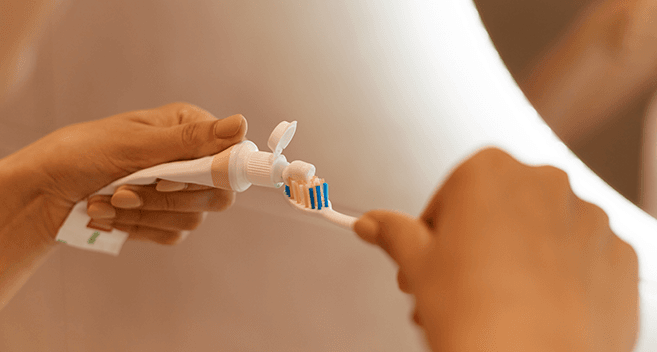
Do you know what toothpaste your teeth need? Most people grab whatever toothpaste is on sale and call it a day. But choosing the wrong toothpaste i
Do you know what toothpaste your teeth need?
Most people grab whatever toothpaste is on sale and call it a day. But choosing the wrong toothpaste is a bit like taking the wrong supplement: it may feel like progress while accomplishing very little where it matters most. The toothpaste your teeth need is not simply the one that whitens, foams, or leaves your mouth feeling minty fresh. Modern oral science has moved far beyond surface-level cleaning, and the formulations now available target the very biological ecosystem living inside your mouth.
Your mouth is home to over 700 species of microorganisms. The balance of this microscopic community determines whether your teeth stay strong, whether your gums stay firm, and whether diseases that have nothing to do with your mouth stay far away. Research now connects the collapse of that balance, a state called oral dysbiosis, to heart disease, diabetes, Alzheimer’s disease, and certain cancers.
This guide breaks down everything you need to know to make a smarter choice. You will learn what enamel and gum tissue actually require, how the oral microbiome works, which ingredients genuinely protect your teeth, how to match a toothpaste to your specific dental situation, and how to brush correctly so that even the best formula can do its job. By the time you finish reading, your next trip to the pharmacy will look very different.
Why Not All Toothpastes Are Created Equal
Reviewed by the BeautynFacts editorial team. Last updated: May 2026.
The Marketing Problem with Most Toothpastes
Walk into any pharmacy, and the toothpaste aisle will greet you with dozens of products promising whiter teeth, stronger enamel, fresher breath, and gum protection all at once, all in one tube. These claims are not always false, but they are almost always incomplete. Most commercial toothpastes are formulated to meet the minimum regulatory standard for safety and basic efficacy. They clean the surfaces of teeth and deliver a burst of freshness, and that is largely where their action ends.
The problem is that consumers are rarely told what is missing. Most standard pastes do not actively support the oral microbiome, do not address the root causes of recurring cavities, and do not prevent the inflammation that eventually leads to periodontal disease. They treat oral care as a cosmetic concern rather than a health one. This gap between what toothpaste promises and what it actually delivers is why dental problems remain among the most prevalent health issues worldwide.
Regulatory bodies like the FDA and the European Medicines Agency classify toothpaste as a cosmetic product, not a pharmaceutical one. That classification matters. It means manufacturers are not required to prove their product produces measurable clinical improvements. They only need to show it is safe to use. This regulatory structure has allowed a generation of products to flood the market with impressive packaging and limited science behind the formula.
What Toothpaste Actually Does Inside Your Mouth
At its most basic level, toothpaste is an abrasive carrier. The physical act of brushing removes most of the food debris, plaque, and bacterial biofilm from the surfaces of your teeth. The toothpaste assists this process by providing mild abrasives such as silica or calcium carbonate, which improve mechanical cleaning without scratching enamel. It also delivers active ingredients, fluoride being the most studied and proven, directly to the tooth surface during the two minutes you spend brushing.
Beyond abrasives and fluoride, toothpaste contains humectants to keep the formula moist, binders to give it its familiar texture, detergents like sodium lauryl sulphate to create foam, flavouring agents for palatability, and preservatives. Each of these has a functional role, but some components, particularly sodium lauryl sulphate, can irritate the soft tissues of the mouth in sensitive individuals. Understanding what goes into your tube helps you make a more targeted choice for your needs.
The time the toothpaste spends in contact with your teeth is also shorter than most people think. Two minutes of brushing followed by rinsing leaves very little active ingredient time on the enamel surface. This is one reason why experts advise spitting rather than rinsing after brushing, so that residual fluoride or other active compounds remain in contact with the teeth for longer after you put down your brush.
The Difference Between Cleaning and Protecting
Cleaning removes what is already there: food particles, surface stains, and the soft plaque that builds up between brushing sessions. Protection means actively reinforcing the tooth structure and creating an oral environment where harmful bacteria cannot gain the upper hand. These are two different functions, and the best toothpastes deliver both.
A paste that only cleans is like washing your hands without any antibacterial soap. The physical cleaning happens, but you are not actively neutralising any pathogens. A paste that cleans and protects, deposits minerals back into slightly weakened enamel, supports the beneficial bacteria that keep the mouth’s pH balanced, reduces inflammation in the gum tissue, and discourages the formation of the dense bacterial colonies known as biofilms that eventually harden into tartar.
The distinction matters most for people who are prone to cavities despite regular brushing, those who deal with persistent gum sensitivity, and anyone who has been told by a dentist that their oral health needs more than standard home care. For these individuals, switching from a basic cleaning paste to one with true protective chemistry can produce visible, measurable improvements within weeks.
Understanding Your Teeth: Enamel, Dentin, and What They Need
The Anatomy of a Tooth
A tooth is not a single material. It is a layered structure made up of several distinct tissues, each with different properties and different vulnerabilities. The outermost layer is enamel, the hardest substance in the human body. Beneath it lies dentine, a slightly softer, yellowish tissue that makes up the bulk of the tooth. At the centre sits the pulp, a living space containing nerves and blood vessels. Surrounding the base of the tooth is cementum, which anchors the tooth to the jawbone via the periodontal ligament.
Enamel is composed almost entirely of a mineral called hydroxyapatite, arranged in tightly packed crystalline rods. Despite its hardness, enamel is not invincible. It has no living cells, which means it cannot repair itself the way skin or bone can. Once enamel is lost to acid erosion or physical wear, it is gone unless remineralisation agents from saliva or toothpaste step in to restore the lost mineral content before a full cavity forms.
Dentin is more porous than enamel and contains microscopic tubules that run towards the pulp. When the enamel above dentin thins or erodes, these tubules become exposed and allow hot, cold, sweet, or acidic stimuli to travel directly towards the nerve. This is the mechanism behind tooth sensitivity, one of the most common dental complaints among adults aged 20 to 50.
How Enamel Gets Damaged
Enamel damage happens through two primary processes: acid erosion and mechanical abrasion. Acid erosion occurs when the pH inside the mouth drops below 5.5, the critical threshold at which hydroxyapatite begins to dissolve. This happens after consuming acidic food and drinks, including citrus fruits, carbonated beverages, wine, and coffee. It also happens when acid-producing bacteria metabolise the sugars in your diet and release lactic acid directly onto your tooth surfaces.
Mechanical abrasion happens when teeth are brushed too hard, when abrasives in toothpaste are too coarse, or when people grind their teeth during sleep. Brushing immediately after consuming acidic food or drinks accelerates erosion because the enamel is temporarily softened and more vulnerable to physical wear. Dentists recommend waiting at least 30 minutes after consuming anything acidic before brushing.
A third, often overlooked, form of enamel damage is called attrition, which refers to the wearing down of the tooth surface through direct contact between opposing teeth. This is particularly common in people who clench or grind their teeth, a condition known as ‘bruxism’. Nightguards, stress management, and remineralising toothpastes all contribute to managing this condition effectively.
The Role of Minerals in Tooth Health
Calcium, phosphate, and fluoride are the three minerals most critical to enamel health. Saliva is naturally rich in calcium and phosphate ions, which continuously bathe the tooth surface and replenish lost mineral content in a process called ‘remineralisation’. Fluoride, whether from water, toothpaste, or professional treatments, enhances this process by forming fluorapatite, a mineral compound that is harder and more acid-resistant than natural hydroxyapatite.
Hydroxyapatite is now available as a stand-alone toothpaste ingredient. Research published in dental journals has found that nano-hydroxyapatite particles can penetrate early-stage lesions in enamel and rebuild the crystalline structure from within. This makes hydroxyapatite toothpaste particularly valuable for people who are sensitive to fluoride or prefer a more biocompatible option.
Zinc also plays a supporting role in oral health. Zinc compounds, including zinc chloride and zinc citrate, appear commonly in tartar-control and antibacterial toothpastes. Zinc inhibits the enzymes that help bacteria adhere to the tooth surface, reducing plaque formation and neutralising the volatile sulphur compounds responsible for persistent bad breath.
The Oral Microbiome: Your Mouth’s Hidden Ecosystem
What Lives in Your Mouth
The human mouth contains approximately 700 species of bacteria, along with fungi, viruses, and archaea. Together, these form the oral microbiome, one of the most diverse microbial communities in the human body. These organisms colonise every surface inside the mouth: the teeth, the gums, the tongue, the cheeks, the palate, and the tonsils. Each surface has its own distinct microbial community adapted to its local conditions.
The relationship between humans and oral microorganisms is ancient and mostly cooperative. Many of these bacteria perform essential functions. They help break down food compounds, synthesise certain vitamins, and produce nitric oxide precursors that support cardiovascular health. The beneficial bacterium Streptococcus salivarius, for example, produces antimicrobial peptides that suppress the growth of harmful pathogens. Healthy oral bacteria maintain the pH of saliva within a range that protects enamel and discourages the growth of acid-producing species.
The oral microbiome is also the starting point for the gut microbiome. Bacteria originating in the mouth are continuously swallowed and travel to the digestive system, where they influence the microbial balance in the intestines. This oral-gut axis is an active area of research, and early findings suggest that disruptions in oral bacterial communities can ripple outward into the gut, with consequences for immunity, metabolism, and inflammation throughout the body.
The Balance Between Good and Bad Bacteria
In a healthy mouth, beneficial bacteria hold numerical and ecological dominance over pathogenic species. This dominance is maintained through a system of microbial competition. Beneficial organisms produce compounds that inhibit pathogens, occupy the surface sites where harmful bacteria would otherwise attach, and keep the local environment in a pH range that favours their own survival.
The main cavity-causing bacterium is Streptococcus mutans. It is present in nearly all human mouths but exists at low levels when overall microbial balance is maintained. When sugary foods flood the mouth repeatedly, S. mutans populations explode, producing large amounts of lactic acid that erode enamel and create the thick, sticky biofilm known as dental plaque. The key pathogens in gum disease include Porphyromonas gingivalis, Tannerella forsythia, and Treponema denticola. These anaerobic bacteria thrive in the oxygen-poor pockets between the teeth and gums when plaque is allowed to accumulate and calcify into tartar.
Balance is fragile. Poor diet, stress, certain medications, smoking, dry mouth, and inconsistent oral hygiene can all shift the equilibrium in favour of harmful species. Many people are surprised to learn that antiseptic mouthwashes, when overused, can also disrupt this balance by killing beneficial bacteria along with harmful ones, potentially making the mouth more vulnerable over time rather than less.
How the Oral Microbiome Affects Your Overall Health
The connection between oral bacteria and systemic health is one of the most compelling areas of current medical research. Multiple large-scale studies have found associations between periodontal disease and an elevated risk of cardiovascular disease. The leading hypothesis is that oral bacteria and the inflammatory proteins they trigger enter the bloodstream through inflamed gum tissue and contribute to the formation of arterial plaque.
In people with diabetes, the relationship runs in both directions. Poor blood sugar control worsens periodontal disease by impairing immune response and promoting bacterial growth. Simultaneously, periodontal inflammation makes insulin resistance worse by elevating systemic inflammatory markers. Treating gum disease in diabetic patients has been shown in several studies to improve blood sugar levels, suggesting that oral health is a genuine lever for metabolic health.
Emerging research connects oral dysbiosis to neurological conditions as well. Porphyromonas gingivalis, the main driver of periodontal disease, has been found in the brain tissue of Alzheimer’s patients. The enzymes this bacterium produces, called gingipains, have been shown in animal studies to cause neuronal damage consistent with Alzheimer’s-type pathology. While causation has not been firmly established in humans, the evidence has been strong enough to prompt clinical trials targeting gingipains as a potential therapeutic strategy.
Dysbiosis: When the Balance Breaks Down
What Causes Oral Dysbiosis
Oral dysbiosis is the state in which the composition of the oral microbiome shifts away from beneficial species towards a pathogenic community. Several factors drive this shift, and most of them are lifestyle-related. A diet high in refined sugars and simple carbohydrates is the most significant driver, feeding the acid-producing bacteria that erode enamel and inflame gum tissue. Frequent snacking keeps the mouth in an acidic state throughout the day, giving harmful bacteria a sustained advantage.
Smoking is one of the most destructive behaviours for the oral microbiome. Tobacco smoke alters the oxygen levels in the mouth, favouring the growth of anaerobic pathogens. It also suppresses immune responses in the gum tissue, allowing bacterial colonies to grow unchallenged. Smokers have significantly higher rates of periodontal disease and tooth loss compared to non-smokers, and the damage is compounded by the fact that smoking reduces saliva flow, removing a key natural defence mechanism.
Certain medications also disturb the oral microbiome. Antibiotics, antihistamines, antidepressants, and blood pressure medications frequently cause dry mouth as a side effect. Saliva is not just a lubricant. It contains antimicrobial proteins, immunoglobulins, and buffering agents that actively protect the teeth and gums. When saliva flow drops, the mouth becomes drier and more acidic, creating ideal conditions for pathogenic bacteria to take hold.
The Physical Signs of Dysbiosis in the Mouth
The mouth gives clear signals when its microbial balance is off. Bad breath that persists despite regular brushing is one of the earliest signs. Volatile sulphur compounds produced by anaerobic bacteria, particularly hydrogen sulphide and methyl mercaptan, are the primary cause of chronic bad breath. These compounds are not fully eliminated by brushing alone. They require attention to the bacteria producing them at their source.
Bleeding gums during brushing or flossing indicate inflammation in the gum tissue, a sign that pathogenic bacteria have established themselves along the gumline. Healthy gums do not bleed. Some people accept bleeding gums as normal, but it is not. It is an early warning sign of gingivitis, the reversible first stage of periodontal disease. Left unaddressed, gingivitis progresses to periodontitis, in which the bacterial infection destroys the bone and connective tissue anchoring the teeth.
Other physical signs of dysbiosis include increased tooth sensitivity, white patches on the inner cheeks or tongue that may indicate fungal overgrowth by Candida, a persistent sour or metallic taste, swollen or receding gum tissue, and the rapid recurrence of cavities even in people who brush regularly. Any of these signs warrants a visit to a dentist and a serious reconsideration of the oral care routine being used.
The Systemic Diseases Linked to Oral Dysbiosis
The list of systemic conditions associated with poor oral microbial health has grown substantially over the past 20 years. Cardiovascular disease, including heart attack and stroke, is the most studied. A large meta-analysis published in the British Medical Journal found that people with periodontal disease have a significantly higher risk of developing cardiovascular events compared to those with healthy gums, even after controlling for other risk factors.
Beyond cardiovascular disease, oral dysbiosis has been linked to rheumatoid arthritis. P. gingivalis produces an enzyme that citrullinates host proteins, triggering an autoimmune response that closely resembles the pathology seen in rheumatoid arthritis. Research has found higher rates of periodontal disease among rheumatoid arthritis patients, and treating periodontal disease in these patients has shown improvements in joint inflammation markers.
Connections to colorectal cancer have also emerged. Fusobacterium nucleatum, an oral bacterium, has been found in unusually high concentrations in colorectal tumour tissue. Studies suggest it may promote tumour growth by activating inflammatory pathways. Similarly, links to pancreatic cancer and oesophageal cancer have been identified in large cohort studies. The message from science is consistent: the health of your mouth is inseparable from the health of your body.
Key Ingredients to Look For in Toothpaste
Fluoride and Hydroxyapatite: The Enamel Protectors
Fluoride remains the gold standard for cavity prevention and is the most thoroughly researched active ingredient in dental products. It works in two ways. First, it incorporates itself into the enamel surface to form fluorapatite, which is more resistant to acid dissolution than natural hydroxyapatite. Second, it inhibits the enzyme systems that bacteria use to metabolise sugar, reducing acid production at the source. Most dental health organisations worldwide recommend a toothpaste containing at least 1000 parts per million of fluoride for adults.
Nano-hydroxyapatite is an increasingly popular fluoride alternative with strong scientific backing, particularly in Japanese dentistry, where it has been used for decades. Nano-hydroxyapatite particles are small enough to penetrate the enamel surface and physically fill in the microscopic pits and channels created by early acid erosion. Clinical trials have found it comparable to fluoride in preventing cavities and superior for reducing sensitivity because it physically occludes the open dentinal tubules that transmit pain signals.
For people with small children, pregnant women, or those with thyroid sensitivity concerns, hydroxyapatite-based toothpaste offers a reassuring alternative. It is also the preferred choice for anyone using remineralising products alongside fluoride, since nano-hydroxyapatite and fluoride reinforce the same enamel repair process and can be used together safely.
Prebiotics and Postbiotics: Supporting the Microbiome
Prebiotics in toothpaste are a relatively recent innovation, but the rationale behind them is scientifically sound. A prebiotic is a substance that selectively feeds beneficial bacteria without stimulating the growth of harmful ones. In the context of the oral microbiome, prebiotic compounds can help restore the numerical dominance of protective bacterial species, shifting the balance away from dysbiosis without the collateral damage caused by broad-spectrum antiseptics.
Xylitol is the most widely used prebiotic compound in oral care, though it technically functions as a non-fermentable sugar alcohol. S. mutans takes up xylitol in the same way it would take up glucose, but it cannot metabolise it. This disrupts the bacterium’s energy production and reduces its ability to produce acid and adhere to tooth surfaces. Regular use of xylitol-containing products has been shown to reduce S. mutans counts and lower cavity rates over time.
Postbiotics, the metabolic byproducts of beneficial bacteria, are also beginning to appear in oral care formulations. These compounds, including short-chain fatty acids and certain peptides, mimic the protective effects of a healthy microbiome and can help reduce gum inflammation. New formulations combining prebiotics, postbiotics, and plant-derived antioxidants represent the frontier of microbiome-conscious oral care, addressing root causes of dental disease rather than simply masking symptoms.
Anti-Inflammatory and Antioxidant Compounds
Chronic inflammation in the gum tissue is the underlying mechanism in periodontal disease. Toothpaste ingredients that actively reduce this inflammation can slow or prevent the progression from gingivitis to the more severe and irreversible periodontitis. Several plant-derived compounds have demonstrated anti-inflammatory activity in the oral environment, including green tea extract, aloe vera, curcumin, and coenzyme Q10.
Green tea extract contains catechins, polyphenolic compounds with proven antibacterial and anti-inflammatory properties. Studies have shown that green tea catechins inhibit the growth of P. gingivalis, reduce gingival inflammation, and lower levels of the inflammatory marker interleukin-1 beta in gingival crevicular fluid. Toothpastes incorporating standardised green tea extract are a practical way to deliver these benefits during the daily brushing routine.
Antioxidants protect oral tissues from oxidative stress, which is elevated in inflamed or infected gum tissue and contributes to cellular damage. Vitamin E, vitamin C, and coenzyme Q10 have all shown benefit in clinical studies when applied directly to the gum tissue. Coenzyme Q10 has a long history of use in periodontal treatment in Japan and Europe and is now appearing in premium toothpaste formulations specifically targeting gum health.
Choosing the Right Toothpaste for Your Specific Needs
Sensitivity, Cavities, and Gum Disease
If tooth sensitivity is your main concern, look for a toothpaste containing potassium nitrate or nano-hydroxyapatite. Potassium nitrate works by depolarising the nerve endings inside the dentinal tubules, reducing their ability to transmit pain signals. It requires consistent use over several weeks before its full effect is felt. Nano-hydroxyapatite works more immediately by physically sealing the open tubules, and many users notice a reduction in sensitivity within just a few days of starting use.
For cavity prevention, a fluoride concentration of at least 1000 ppm is recommended for adults, with 1450 ppm being the standard in many European countries for higher-risk individuals. Xylitol as a secondary ingredient adds further protection. If you are a high-risk individual, meaning you have a history of multiple cavities, dry mouth, or a diet high in sugar and refined carbohydrates, ask your dentist about prescription-strength fluoride toothpaste, which contains 5000 ppm of fluoride and is significantly more effective at rebuilding early lesions in enamel.
For gum disease, the priority shifts towards antibacterial and anti-inflammatory ingredients. Stannous fluoride delivers both fluoride protection and proven antibacterial activity against the pathogens responsible for gingivitis. Triclosan, once a common antibacterial agent in oral care products, has been largely phased out due to concerns about hormonal disruption, making stannous fluoride and natural antibacterial agents like thymol and eucalyptol the preferred alternatives for gum health today.
Whitening Toothpastes: What Works and What Does Not
Whitening toothpastes are among the best-selling oral care products, but their mechanisms and effectiveness vary considerably. Most whitening toothpastes work through one of three methods: increased abrasion to buff away surface stains; chemical stain dissolution using agents like hydrogen peroxide or carbamide peroxide; or optical illusion using blue covarine, a compound that deposits on the tooth surface and makes teeth appear whiter under light without actually changing the colour of the enamel.
Highly abrasive whitening toothpastes are effective at removing surface stains from coffee, tea, and tobacco, but their long-term use can gradually thin enamel, making teeth more sensitive and more prone to future staining. Every toothpaste carries an abrasivity rating called the ‘Relative Dentin Abrasivity’ score. Toothpastes with a score below 70 are considered gentle, while those above 150 are considered high-abrasion and should not be used daily over the long term.
Low-concentration peroxide-whitening toothpastes produce modest results compared to professional whitening treatments because the peroxide is rinsed away too quickly to cause meaningful bleaching of the enamel’s organic pigment molecules. They are useful for maintaining professionally whitened teeth but are not a substitute for in-office treatment for significant discolouration. For intrinsic staining from tetracycline antibiotics, fluorosis, or developmental conditions, toothpaste whitening is essentially ineffective, and professional consultation is required.
Natural and Fluoride-Free Options: Are They Effective?
The market for natural and fluoride-free toothpastes has grown rapidly as consumers seek products aligned with holistic health values. Charcoal toothpastes, clay-based pastes, coconut oil formulations, and fluoride-free mineral pastes all fall into this category. Their safety profiles vary, and their efficacy compared to fluoride-based options requires honest evaluation.
Activated charcoal toothpastes have attracted particular controversy. While activated charcoal is highly adsorptive and can bind surface stains, it is also moderately abrasive and lacks any clinically proven cavity-prevention benefit. Several dental associations, including the American Dental Association and the British Dental Association, have noted that insufficient evidence exists to recommend charcoal toothpastes, and some studies have raised concerns about enamel wear with regular use.
Fluoride-free toothpastes based on nano-hydroxyapatite are the exception to the general caution about fluoride alternatives. The evidence for hydroxyapatite’s effectiveness is robust and growing. However, most other fluoride-free products lack comparable evidence. If you choose a fluoride-free option, ensure that it has been tested in peer-reviewed clinical trials and that your dentist is aware of your choice so that your cavity risk can be monitored appropriately.
How to Brush Correctly for Maximum Benefit
The Right Technique and the Right Tools
Even the most advanced toothpaste cannot compensate for poor brushing technique. The most widely recommended method is the modified Bass technique. Hold the toothbrush at a 45-degree angle to the gumline, pointing the bristles towards the gum. Use short, horizontal back-and-forth strokes or small circular motions, gently cleaning the area where the tooth meets the gum. This angle directs the bristles slightly beneath the gumline, where plaque most commonly accumulates and where gingivitis begins.
Brush every surface of every tooth: the outer faces visible when you smile, the inner faces towards your tongue, and the flat chewing surfaces. Many people focus exclusively on the outer surfaces and neglect the inner faces of the lower front teeth, which are among the most common sites for tartar buildup. Spend at least 30 seconds on each quadrant of the mouth, totalling two full minutes of brushing time per session.
A soft-bristled brush is the professional recommendation for most adults. Medium and hard bristles remove more plaque in theory, but in practice they cause gum recession and enamel abrasion, particularly for people who brush with excessive pressure. Electric toothbrushes with oscillating or sonic technology consistently outperform manual brushing in clinical studies for plaque removal and gum health, particularly for people with limited manual dexterity or those who tend to rush through brushing.
Timing, Frequency, and Common Mistakes
Brush twice a day, once after breakfast and once before bed. The nighttime brushing session is the more important of the two. During sleep, saliva flow decreases significantly, removing the natural protective rinsing action that dilutes acids and neutralises bacterial waste products throughout the day. Bacteria that remain on the teeth through the night have hours of undisturbed access to the enamel, making the pre-sleep brushing the most critical one.
Do not brush immediately after eating or drinking acidic items. Acid temporarily softens enamel, and brushing during this softened state accelerates erosion. Wait 30 to 60 minutes before brushing after citrus juice, coffee, carbonated drinks, or a meal with acidic components. Rinsing with plain water immediately after consuming acidic food or drinks helps neutralise the acid and shorten the vulnerability window.
After brushing, spit out the excess toothpaste but do not rinse with water. This recommendation surprises most people, but dental scientists strongly support it. Rinsing immediately after brushing washes away the fluoride or hydroxyapatite that is beginning to work on your enamel surface. Leaving a thin residue of toothpaste in the mouth allows the active minerals to continue acting on the teeth for an extended period, significantly boosting their protective effect over time.
The Role of Flossing and Mouthwash
Brushing alone cleans approximately 60 percent of the tooth surface. The remaining 40 percent lies in the tight spaces between the teeth and beneath the gumline, accessible only with flossing, interdental brushes, or a water flosser. Skipping interdental cleaning means consistently leaving almost half of each tooth’s surface untouched and allowing plaque and food debris to accumulate in the most cavity-prone and gum-disease-prone areas of the mouth.
Floss once per day, preferably in the evening before brushing. Slide the floss gently between each pair of teeth, curve it around the base of each tooth in a C shape, and guide it just below the gumline. This removes the biofilm that adheres to the proximal surfaces of teeth, the areas where the majority of cavities in adults occur. If traditional floss is difficult to manage, interdental brushes or a water flosser are clinically proven alternatives that many people find easier to use consistently.
Mouthwash can complement brushing and flossing but should not replace either. Fluoride mouthwash used at a separate time from brushing adds an additional fluoride exposure that helps with remineralisation. Antibacterial mouthwashes containing chlorhexidine are highly effective for short-term use in treating active gingivitis but should not be used daily for extended periods because they disrupt the oral microbiome and cause tooth staining. Alcohol-free, microbiome-friendly mouthwashes with prebiotics or cetylpyridinium chloride offer a gentler, more sustainable alternative for daily use.
The Future of Toothpaste: Microbiome Science and Prebiotic Formulas
What Saliactive Technologies and Prebiotic Formulas Offer
The newest generation of toothpastes moves beyond simply killing bacteria or remineralising enamel. These formulations are designed to actively support a healthy oral microbiome by nourishing the beneficial bacterial species that naturally protect the mouth. One example is the Saliactive Technology platform developed by Yotuel, which combines prebiotics with plant-derived antioxidants and anti-inflammatory compounds to modulate the oral microbiome towards a balanced state.
Prebiotic toothpastes work by delivering specific carbohydrates and plant polyphenols that preferentially feed beneficial bacteria like Streptococcus salivarius and Lactobacillus species while creating an environment that suppresses pathogenic species. Rather than destroying the microbial community indiscriminately, as antiseptic approaches do, prebiotic oral care nurtures the community’s natural protective architecture. Early clinical data on these formulations shows reductions in gum bleeding, improvements in plaque index scores, and measurable shifts in microbiome composition towards healthier profiles.
Saliva plays a central role in this system. The Saliactive approach is designed to support the natural functions of saliva, including its buffering capacity, its antimicrobial protein content, and its ability to promote remineralisation. By protecting and supplementing the action of saliva rather than overriding it with harsh synthetic chemicals, these formulas align the toothpaste’s function with the mouth’s own biological defences.
What to Look For When Shopping for Advanced Toothpastes
Reading a toothpaste label with some scientific knowledge transforms a confusing wall of ingredients into useful information. Look for fluoride at 1000 to 1450 ppm for cavity prevention or nano-hydroxyapatite if you prefer a fluoride-free remineralising option. For gum health, stannous fluoride is superior to sodium fluoride because it delivers additional antibacterial protection alongside the standard remineralising benefit. For microbiome support, look for xylitol, prebiotic fibres, or plant polyphenol complexes like green tea extract.
Avoid toothpastes with very high Relative Dentin Abrasivity scores if you use them daily and are concerned about enamel wear. Check whether sodium lauryl sulphate is present if you experience frequent mouth ulcers or canker sores, as research links SLS to increased rates of minor aphthous ulceration in susceptible individuals. Look also for clinical trial data behind the specific claims being made, since peer-reviewed studies published in journals such as the Journal of Clinical Dentistry and the Journal of Periodontology provide the strongest evidence base.
Price is not always a reliable indicator of quality in oral care, but extremely cheap toothpastes from unverified sources may not contain the fluoride levels stated on the label. Several independent testing organisations have found significant variability in fluoride content in low-cost toothpastes, particularly those sold outside regulated markets. Stick to products from established manufacturers that operate under FDA, CE, or equivalent regulatory oversight.
Building a Complete Oral Care Routine
The toothpaste you choose is one component of a complete oral care system. Morning brushing removes the bacterial buildup and slightly acidic biofilm that accumulates overnight. Evening brushing and flossing remove the day’s accumulated plaque before the long overnight period when bacterial activity would otherwise go unchecked. Choosing a toothpaste that addresses your specific dental needs, whether that is cavity prevention, gum health, sensitivity, or microbiome support, maximises the value of both sessions.
Diet plays a role that no toothpaste can fully compensate for. Reducing the frequency of sugar and refined carbohydrate consumption matters more than the total amount consumed. Every time you eat or drink something sugary or acidic, you trigger an acid attack on your enamel that lasts approximately 30 to 40 minutes. Eating five sugary snacks spread across the day creates five separate acid attacks, while eating the same amount of sugar in a single sitting creates one. Drinking water throughout the day, particularly after meals, helps neutralise acid and stimulate protective saliva flow.
Professional dental cleanings every six to twelve months remove the calcified tartar that no toothbrush or paste can eliminate once it has hardened. Your dentist and dental hygienist can also identify early-stage cavities, gum recession, and signs of erosion that you may not notice yourself. A professional relationship with a good dentist, combined with a well-chosen toothpaste and a consistent home routine, provides the most comprehensive protection available for your oral and systemic health.
Frequently Asked Questions
How do I know which toothpaste is actually right for my teeth?
The best starting point is a conversation with your dentist. They can identify whether you are at high risk for cavities, whether you have early signs of enamel erosion, whether your gum health needs attention, or whether sensitivity is a concern. Based on this, you can select a toothpaste with the ingredients that target your actual needs. If you have no specific dental problems, a fluoride toothpaste with at least 1000 ppm and, ideally, xylitol as a secondary ingredient is a solid foundation for most adults. If you experience bleeding gums, persistent bad breath, or recurring cavities, consider a product specifically formulated for gum health or microbiome support.
Is fluoride in toothpaste safe to use every day?
Yes, fluoride in toothpaste is safe for daily use by adults and children over the age of two when used in the recommended amounts. The fluoride concentration in standard toothpaste is far too low to cause toxicity through normal use. The concern about fluoride, a condition called dental fluorosis that causes white spots or mottling on developing teeth, applies only to young children who swallow large amounts of toothpaste regularly. For this reason, children under six should use only a pea-sized amount of low-fluoride or children’s toothpaste, and they should be supervised to spit rather than swallow. For adults, fluoride toothpaste is one of the most cost-effective public health interventions for preventing cavities ever identified.
Can toothpaste actually reverse early cavities?
Early cavities, technically called initial caries lesions or white spot lesions, are not holes in the tooth yet. They are areas of demineralisation where the enamel’s mineral structure has been partially dissolved but the surface is still intact. At this stage, remineralisation is genuinely possible. Fluoride toothpaste, particularly high-strength prescription fluoride at 5000 ppm, has been shown in clinical trials to remineralise these early lesions, effectively reversing the early cavity process before a filling becomes necessary. Nano-hydroxyapatite toothpaste has also shown remineralisation capability in peer-reviewed studies. Once a cavity has progressed to the point where the enamel surface has broken down or dentin is involved, toothpaste cannot repair it, and professional treatment is required.
What is the difference between gingivitis and periodontitis, and can toothpaste help with both?
Gingivitis is the early, reversible stage of gum disease. It is characterised by redness, swelling, and bleeding in the gum tissue caused by bacterial inflammation along the gumline. Because no structural damage has occurred yet, gingivitis responds well to improved oral hygiene, including twice-daily brushing with an antibacterial toothpaste containing stannous fluoride or natural antibacterial compounds, combined with daily flossing. Periodontitis is the advanced stage, where the infection has spread below the gumline and begun destroying the bone and ligaments that support the teeth. Toothpaste alone cannot reverse periodontitis. Professional deep cleaning, known as scaling and root planing, is required to remove the bacterial deposits from below the gumline, but a therapeutic toothpaste remains an important part of home maintenance between professional visits to slow further progression.
How long should I use a new toothpaste before deciding if it is working?
The timeline depends on what you are trying to achieve. For sensitivity reduction, potassium nitrate toothpastes typically require four to eight weeks of consistent twice-daily use before full relief is felt, though some users notice improvement within the first week with nano-hydroxyapatite formulations. For gum health improvements, clinical studies generally measure outcomes at six to twelve weeks of consistent use. For microbiome-focused or prebiotic toothpastes, measurable shifts in microbial composition and reductions in gum bleeding have been observed in trials over an eight- to twelve-week period. The key word is ‘consistent’. Using a toothpaste inconsistently, or skipping the evening session, significantly reduces its clinical benefit. Give any new toothpaste at least six to eight weeks of twice-daily use before drawing conclusions about its effectiveness.
Conclusion
Choosing the right toothpaste is one of the simplest and most impactful decisions you can make for your long-term health. The science is clear: the mouth is not an isolated system. What happens in your oral microbiome echoes throughout your cardiovascular system, your immune response, your metabolic health, and even your cognitive function.
The key takeaways from this guide are straightforward. Fluoride at 1000 ppm or higher remains the most evidence-backed ingredient for cavity prevention. Nano-hydroxyapatite is an effective alternative, particularly for sensitivity and enamel repair. Stannous fluoride and plant-derived anti-inflammatory compounds target gum health more effectively than standard sodium fluoride pastes. Prebiotic and microbiome-focused formulations represent the next generation of oral care, addressing root causes rather than symptoms. And no toothpaste, however advanced, works properly without the right brushing technique, daily flossing, and a diet that supports, rather than undermines, your oral microbiome.
Your next steps are simple. Assess your own dental history: cavities, gum issues, sensitivity, or dry mouth. Match that profile to the ingredient science covered in this article. Book a dental check-up if you have not had one in the past year. And starting tonight, spit after brushing instead of rinsing. That one small change will immediately improve the return on every tube of toothpaste you use for the rest of your life.
Choosing the Right Toothpaste: Fluoride vs Hydroxyapatite
When choosing the right toothpaste in 2026, the biggest decision is between traditional fluoride and the newer hydroxyapatite formulas. Both prevent cavities through different mechanisms. Fluoride remineralises enamel by replacing lost calcium; hydroxyapatite is itself a building block of natural enamel. For most adults, choosing the right toothpaste often comes down to personal preference and dentist recommendation.
The American Dental Association guide to toothpaste still recommends fluoride as the gold standard for cavity prevention because of the decades of clinical evidence behind it. If you live in a country with fluoridated water, choosing the right toothpaste with additional fluoride is still considered safe and effective.
For sensitive teeth, the calculus changes. Choosing the right toothpaste with potassium nitrate or arginine reduces sensitivity within 2-4 weeks of consistent use. The Healthline guide to selecting toothpaste walks through ingredient lists for whitening, sensitivity, gum care, and tartar control so you can match the formula to your specific oral-health goals.
RELATED ARTICLES:
Here’s what you need to know about leg makeup
The Biggest Makeup Trends to Watch Out For in 2026
THE SOFT WHIMSICAL MAKEUP TREND TAKING OVER PINTEREST IN 2026
Cloud Skin vs Glass Skin in Indian Humidity: Beauty Tips to Choose the Finish That Actually Lasts
Say Goodbye to Summer Breakouts with These Skin-Friendly Foods
About The Author
