






Winter nail care matters more than most people realise, because cold air and indoor heating can turn healthy nails dry, brittle, and peeling in just w
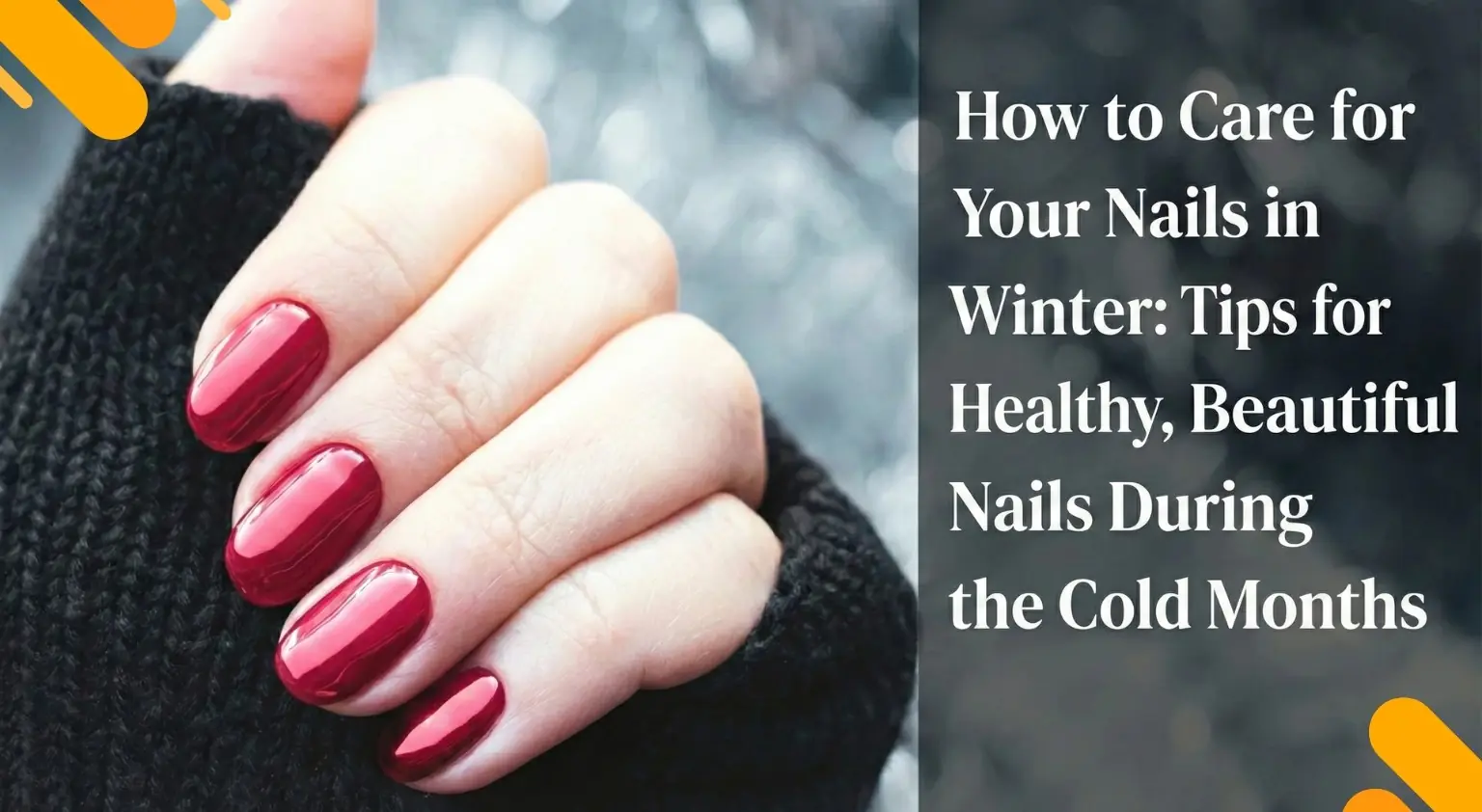
Winter nail care matters more than most people realise, because cold air and indoor heating can turn healthy nails dry, brittle, and peeling in just weeks. This guide shares a simple winter nail care routine to keep your nails strong, smooth, and beautiful through the coldest months.
Winter has a sneaky way of turning healthy nails into dry, brittle, peeling nails sometimes in just a couple of weeks. If you’ve been Googling how to care for your nails in winter, you’re not alone. Cold outdoor air, indoor heating, frequent handwashing, and sanitiser all team up to steal moisture from your hands and cuticles, and your nails feel the damage fast.
Published · Updated
“In winter, nail problems are less about ‘weak nails’ and more about a weakened moisture barrierprotect the cuticle area and you protect the nail.”
Why Winter Wrecks Nails (and How to Outsmart It)
Winter nail issues aren’t random. They’re predictable, and that’s exactly why they’re fixable.
Cold air typically holds less moisture, and heated indoor air can be even drier. Low humidity increases moisture loss from skin and cuticles, which can leave nails feeling rough, rigid, and prone to cracks. Some research notes that skin barrier function worsens in low-humidity conditions, increasing dryness symptoms.
Think of your nail like a thin, flexible “shield”. When it’s properly hydrated, it bends slightly under pressure. When it’s dry, it becomes more like a dry leaf – stiff, fragile, and easier to snap.
Another winter culprit: the “water cycle”. Nails absorb water and swell, then dry out and shrink. Repeated swelling/shrinking can contribute to peeling and splitting, especially if cuticles are already compromised.
And the cuticle? It’s not just cosmetic. It’s your nail’s weather seal. When the cuticle area cracks, moisture escapes and irritants enter more easily, leading to hangnails, soreness, and rough nail edges.
Winter nail care is a humidity + barrier problem. Fix the barrier, and the symptoms calm down.
Transition: Now that you know why winter is tough on nails, let’s define what “healthy nails” actually means so you can measure progress.
“Focus on the cuticle barrier first. Strong nails start with protected nail roots and hydrated surrounding skin.”
Nail Health 101: What “Healthy Nails” Actually Look Like
Before you buy anything, you need the right target. Many people chase “hard nails”, but healthy nails are flexible, smooth, and consistently moisturised.
Here’s the simple anatomy:
Nail durablee: the hard part you paint.
Nail bed: the skin underneath (gives nails their pink tone).
Cuticle area: the seal near the base that protects new nail growth.
Hydration vs Strength (the key framework)
Hydration reduces brittleness and peeling. This section is about oils, creams, and barrier protection.
Strength helps reduce bending and breakage. The process is about gentle shaping, avoiding thinning, and using strengthening products correctly.
Healthy nails typically have:
Minimal peeling
Smooth surface (some ridges can be normal)
Cuticles that aren’t cracked or inflamed
Free edges that don’t split easily
When to be cautious: If you have pain, swelling, discolouration, nail lifting, or changes that persist, it’s smart to consult a dermatologist. Nail changes can sometimes reflect skin conditions or infections.
Don’t aim for “rock hard”. Aim for hydration + protection + gentle strengthening.
Transition: Let’s put this advice into action with a daily routine that takes less time than making coffee.
“Nails thrive on consistency. Small daily protection beats occasional intensive treatments.”
How to Care for Your Nails in Winter: The Daily 3-Minute Routine
If you want the simplest answer to how to care for your nails in winter, it’s this: seal moisture in, reduce moisture loss, and avoid thinning the nail plate. Here’s the daily routine that works for beginners and still satisfies advanced nail-care people.
Morning (60 seconds): Seal + Shield
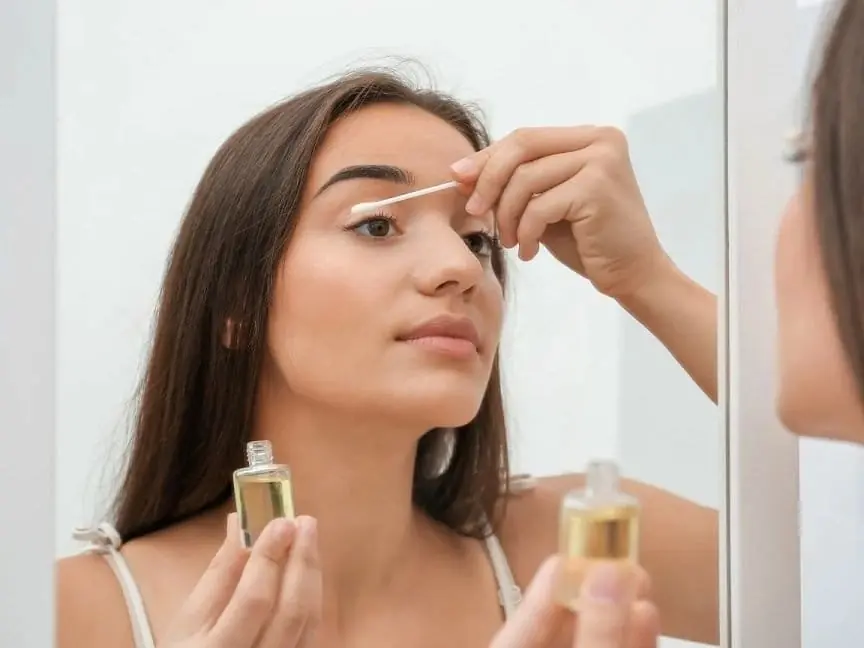
Apply cuticle oil to the base of each nail (a small drop is enough).
Massage for 10–15 seconds per hand.
Follow with a hand cream (look for glycerine, urea, ceramides, or shea butter).
If you’ll be outside: gloves are your nail jacket.
Daytime (30-60 seconds): Micro-resets
Every time you wash your hands:
Pat dry (don’t aggressively rub).
Apply a small amount of hand cream.
If your cuticles feel tight or snaggy, add one quick swipe of oil.
Night (60-90 seconds): Repair Cycle
At bedtime:
Cuticle oil again.
A thicker hand cream.
Optional: apply a thin layer of occlusive (like petrolatum) on cuticles for a “seal”.
This is like putting a protective blanket over your moisture overnight.
To care for your nails in winter, apply cuticle oil twice daily, moisturise hands after every wash, wear gloves outdoors, and avoid harsh removers and peeling gel polish. Keep nails slightly shorter, file gently, and do a weekly “reset” with oil and cream to prevent peeling and breakage.
Oil + cream after washing is the winter nail-care superpower.
Pro tip: Keep a mini nail kit in your bag: cuticle oil pen, travel hand cream, emery board, and a bandage for emergency snags.
Transition: Once your daily routine is in place, the next big win is using moisturisers correctly because “more product” isn’t always better.
“The best winter routine is oil first, then cream. Oil conditions the cuticle area; cream locks hydration in.”
Moisturizing That Works: Cuticles, Hands, and Nails (Without Greasy Chaos)
Winter dryness often makes people do two extremes: either they moisturise once a day and hope for magic, or they apply so much product they can’t use their phone. The sweet spot is layering strategically.
Cuticle oil: when and how much
Cuticle oil works best.
After washing hands (when skin is slightly damp)
Before bed
After removing polish
Use a tiny amount; one drop can cover multiple nails. Massage it in to improve absorption and soften rough edges.
Hand cream layering (humectant + occlusive)
A strong winter hand cream usually includes the following:
Humectants (glycerin, hyaluronic acid, urea) to pull in water
Occlusives/emollients (petrolatum, dimethicone, shea butter) to reduce water loss
If your hands crack easily, look for ceramides (barrier support). Barrier lipids help reduce dryness and improve skin comfort.
The “sandwich method” for severe dryness
If your cuticles are painfully dry:
Oil
Thick cream
Thin layer of occlusive (spot treat cuticles)
Cotton gloves for 20 minutes (or overnight)
Hydrate → seal → protect. That order matters.
Pro tip: Don’t cut cuticles in winter. Instead, soften them with oil and gently push back after a shower (not a soak), then moisturize immediately.
Transition: Moisturising is half the battle, but winter handwashing and sanitiser can undo your progress unless you adjust your technique.
“Most winter nail damage comes from repeated drying stepssoap, hot water, friction drying, and no moisturizer after.”
Handwashing & Sanitizer in Winter: Clean Without Cracking
Clean hands matter, especially in winter. But you can stay hygienic without sacrificing your nails.
The ideal handwashing technique
Use lukewarm water (hot water strips oils faster).
Choose a gentle soap when possible.
Wash for the right duration, then pat dry.
Friction matters. Aggressive towel rubbing creates micro-irritation, which can worsen dryness and hangnails over time.
Sanitizer strategy + moisture backup plan
Alcohol-based sanitisers can feel drying. A practical winter approach:
Use sanitiser when needed.
Follow with a quick hand cream “reset” when you can.
Keep a small, fast-absorbing cream at your desk or in your car.
Some studies report that frequent alcohol exposure can increase skin dryness symptoms, especially without moisturiser follow-up.
What to avoid in winter
Acetone overload: effective but very drying. If you use it, moisturise immediately.
Picking/peeling polish or gel: this can strip layers of the nail plate.
Over-buffing: makes nails thinner and more fragile.
You don’t need less washing; you need better aftercare.
Transition: Next, let’s tackle a huge winter question: which manicure type is gentlest when nails are already dry?
“Removal technique matters more than the manicure type. Gentle removal preserves the nail plate.”
Winter Manicures Compared: Polish vs Gel vs Acrylic (What’s Gentlest?)
There’s no one “best” manicure for winter. The best choice depends on your nail condition, lifestyle, and willingness to remove it properly. Damage usually comes from removal and over-prep, not the polish itself.
Comparison Table: Winter manicure options
| Option | Best For | Winter Pros | Winter Risks | Removal Difficulty |
|---|---|---|---|---|
| Regular Polish | Most people | Easy removal, less prep | Chips faster in dry conditions | Low |
| Gel Polish | Busy schedules | Long wear, glossy finish | Can dehydrate nails; peeling risk if picked | Medium-high |
| Dip Powder | Extra durability | Strong finish | Can feel rigid; requires careful removal | High |
| Acrylic/Extensions | Breakage-prone nails | Adds length and strength | Requires maintenance and can stress nail bed | High |
Regular polish (often the gentlest)
If your nails are peeling, regular polish is a winter-friendly option because it requires less aggressive removal. You can also use a base coat that’s designed for flexibility.
Gel (great look, but removal is everything)
Gel can be fine in winter if:
You avoid aggressive filing of the natural nail.
You never peel it off.
You oil your cuticles daily to offset dryness.
Acrylic/dip (strength with responsibility)
These can protect weak nails from snapping, but only if applied and maintained correctly. If you’re prone to itching or irritation, winter dryness can make that worse.
Real-world example:
A desk worker in Boston noticed peeling nails every February. Switching from gel removal at home (peeling + scraping) to regular polish for 6 weeks, plus daily oil, reduced peeling dramatically. The takeaway wasn’t “gel is bad”; it was “removal and dryness stacked together.”
Choose the manicure you can remove gently.
Pro tip: If you wear gel, schedule a “recovery week” every 6–8 weeks: short nails, regular polish, oil twice daily.
Transition: Your manicure choice helps, but breakage prevention depends heavily on how you file and shape your nails.
“A great winter nail shape is slightly rounded and not too longshorter nails lose less moisture and snag less.”
Stop Breakage: Filing, Trimming, and Tool Hygiene Like a Pro
In winter, nail edges snag more easily, and one snag can lead to a full tear. The goal is to create a smooth, snag-resistant edge.
Shape choices that reduce snapping
If your nails break often:
Choose short round or squoval (square + rounded edges).
Avoid sharp corners (they catch on fabric and hair).
Filing technique that protects the nail plate
A quality emery board or glass file can help. What matters most:
File gently.
Keep the nail supported.
Avoid aggressive “sawing” when nails are already thin.
Analogy: Filing is like sanding woodlight; controlled passes produce a smooth finish. Heavy force creates splinters.
Buffer boundaries (don’t thin your nails)
Buffing can make nails look shiny, but too much removes protective layers. If you buff,
Keep it minimal.
Never buff ridges aggressively in winter.
Prioritise hydration over thinning.
Tool cleaning basics
Clean nail tools regularly, especially if you have hangnails or breaks:
Wash tools with soap and water.
Disinfect according to product directions.
Don’t share tools.
Smooth edges + minimal thinning = fewer winter cracks.
Transition: Now let’s address a popular topic, diet and supplements, without myths or overpromises.
“If nails are brittle, look at hydration and habits first. Nutrition helps, but it’s not a shortcut.”
Food, Hydration, and Supplements: What Actually Helps Nails
Nutrition supports nail growth, but it won’t outwork harsh removal, dryness, and zero moisturising. Still, food and hydration absolutely matter as your nails grow from the base.
Nail-supporting nutrients (practical sources)
Protein: nails are made of keratin (a protein). Prioritise eggs, fish, poultry, and beans.
Iron: low iron can contribute to brittle nails in some people. Foods: lean meat, spinach, lentils.
Omega-3s: support skin comfort and barriers. Foods: salmon, walnuts, chia seeds.
Zinc: supports tissue repair. Foods: pumpkin seeds, beef, chickpeas.
Research often links nutrient deficiencies to nail changes, but effects vary by person.
Hydration reality check
Drinking water supports overall health, but it doesn’t “moisturise nails” directly the way topical oil and cream do. Think of water as the foundation, and topical care as the lock.
Supplements (be smart, not hopeful)
Biotin and other supplements are often marketed for nails. Supplements are most useful when there’s a true deficiency, not as a universal fix. If you suspect deficiency or have ongoing nail issues, consider discussing labs and supplementation with a healthcare professional.
Eat for growth; moisturise for results you can see.
Transition: Next up: a true winter lifesaver – troubleshooting the exact problem you’re facing, fast.
“Treat the symptom, but always fix the causepeeling is usually dryness + mechanical damage combined.”
Troubleshooting Winter Nail Problems (Peeling, Splitting, Hangnails)
If you’re dealing with winter nail issues, you don’t need vague advice; you need a match-the-problem plan.
Peeling nails (layers separating)
Common causes:
Overexposure to water + drying cycles
Peeling gel/polish
Over-buffing
Harsh removers without after-care
Fix plan (7 days):
Keep nails shorter.
Oil twice daily + cream after every wash.
Use regular polish with a protective base coat.
Avoid buffing and acetone unless necessary.
Splitting/cracks (vertical or horizontal breaks)
Common causes:
Snags from long nails
Dry cuticles
Mechanical stress (opening cans, scraping labels)
Rescue plan:
File the edge smooth immediately.
Patch with a silk wrap or nail glue kit (temporary).
Reduce nail length until the split grows out.
Increase cuticle oil use.
Hangnails (painful, annoying, preventable)
Rule: Don’t pull them. Clip them.
Use clean cuticle nippers to clip the dead skin.
Apply ointment and cover if it’s raw.
Prevent it with oil and cream and gentle glove use during chores.
When to see a professional
Seek medical advice if you notice:
Increasing pain, swelling, pus, warmth
Nail lifting or major discoloration
Persistent rash around nails
Sudden, dramatic nail changes
Winter nail problems respond best to short nails + daily oil + barrier protection.
Transition: You’ve fixed the symptoms; now let’s build lifestyle protection so the problems don’t come back next week.
“Gloves are the unsung hero of winter nail care. They reduce cold exposure and prevent snags during chores.”
Lifestyle Upgrades That Protect Nails All Season
Winter nail care isn’t only what you put on your nails. It’s also what you stop exposing them to.
Gloves strategy (what actually matters)
Outdoor gloves: reduce cold exposure and moisture loss.
Chore gloves: protect from detergents and hot water.
Car glove trick: keep a spare pair in the car so you don’t “forget” protection.
Humidifier: small device, big impact
Indoor heating dries the air. Many people feel better when indoor humidity is moderate.
A humidifier can reduce the “tight skin” feeling that leads to cuticle cracking.
Cleaning/chores: barrier methods
If you clean frequently:
Apply a barrier cream before chores.
Use gloves for dishwashing.
Reapply moisturiser after.
Protect nails from cold and chemicals and repeated drying, and you’ll need fewer “repair” products.
Transition: Finally, let’s pull everything into a weekly reset and monthly plan so your nails can grow out strong through the season.
“A weekly routine keeps your nail care from becoming reactive. Prevention is cheaper than repair.”
The Weekly Reset + Monthly Plan (Advanced Care for Nail Growth)
If you want consistently beautiful winter nails, don’t rely on motivation; use a schedule.
Weekly reset (10–15 minutes)
Shape: file gently, smooth edges, and keep nails a modest length.
Oil treatment: massage oil into cuticles for 2 minutes.
Cream seal: thick hand cream afterwards.
Optional: a short “cotton glove” treatment (20 minutes) for deep dryness.
Important: Skip long nail soaks. Quick rinsing is fine, but soaking can increase swelling/shrinking cycles that contribute to peeling.
Monthly plan (30 minutes total)
Check nail condition:
If peeling increases → reduce manicure intensity, prioritise hydration.
If nails feel bendy → consider a gentle strengthening base coat (not constant harsh hardeners).
Rotate products:
Weeks 1 2: hydration focus (oil + cream)
Week 3: add strengthening base coat if needed
Week 4: recovery week if you do gel regularly
Salon visits: what to ask for in winter
If you get professional manicures:
Ask for minimal aggressive buffing.
Ask for gentle removal and nail-plate preservation.
Tell them you’re focusing on winter nail health, not maximum durability at all costs.
When to consult a dermatologist
If nail issues persist for months, worsen, or include pain/discolouration, a dermatologist can rule out conditions like fungal infections, eczema, psoriasis, or other nail disorders.
The winter secret is consistency: 3 minutes daily + a weekly reset.
CTA: Want an easier way to follow this? Download the “Winter Nail Care Checklist” and keep it near your sink because the best nail care happens right after washing your hands.
CTA: Want an easier way to follow this? Download the “Winter Nail Care Checklist” and keep it near your sink because the best nail care happens right after washing your hands.
FAQ
Q1: Why do nails get brittle in winter?
A1: Cold air, indoor heating, and frequent washing reduce moisture and weaken the cuticle barrier, making nails dry and prone to peeling or breaking.
Q2: How often should I use cuticle oil in winter?
A2: Twice daily is ideal: morning and bedtime plus extra after handwashing if your cuticles feel tight or snaggy.
Q3: Is gel polish bad for nails in winter?
A3: Gel isn’t automatically bad, but winter dryness plus improper removal (peeling/scraping) can damage the nail plate and increase peeling.
Q4: How can I stop hangnails during winter?
A4: Moisturise after every wash, oil cuticles daily, and clip hangnails cleanly; don’t pull them to prevent tearing and irritation.
Q5: When should I see a dermatologist for nail issues?
A5: If you have pain, swelling, pus, nail lifting, major discolouration, or persistent changes that don’t improve with consistent care.
Frequently Asked Questions About Winter Nail Care
Why do nails get so brittle in winter?
Cold air outside and dry heat indoors both pull moisture from your nail plates and cuticles, which is what makes winter nail care so different from your summer routine. Add in more handwashing, alcohol sanitiser, and hot showers, and the natural lipids that keep nails flexible start to strip out fast. Once the keratin layers lose water, they separate, peel, and snap. The fix is not stronger polish, it is rebuilding moisture daily with cuticle oil and a barrier cream after every wash.
How often should I oil my cuticles in winter?
Aim for at least twice a day in cold months, ideally morning and right before bed. Cuticle oil works by sealing moisture into the matrix where the nail is forming, so consistency matters more than the amount you apply. A single drop of jojoba, sweet almond, or vitamin E oil massaged into each nail bed is enough. If your hands stay in water a lot, add a midday top-up. Within two weeks of daily oiling you should see less peeling and a smoother nail surface.
Are gel manicures bad for nails in winter?
Gels are not automatically worse in winter, but the removal process is harsher when nails are already dehydrated. Acetone soaks strip the oils your nails desperately need in cold months, and aggressive scraping during removal thins the plate. If you love gel, space it to every four to six weeks rather than three, ask for soak-off rather than e-file removal, and run a nail-strengthening base coat plus daily cuticle oil between sets. Plain polish gives nails a better chance to recover in winter.
What foods help nails grow stronger in cold months?
Protein is the foundation, since nails are built from keratin. Eggs, lentils, Greek yoghurt, salmon, and chicken all deliver the amino acids your nail matrix needs. Biotin from almonds and sweet potatoes supports growth, while zinc from pumpkin seeds and chickpeas helps prevent the white spots and ridging that show up in winter. Iron-rich foods like spinach and red meat fight the spoon-shaped nails caused by mild deficiency. Drink water through the day too, since dehydrated nails crack faster regardless of diet.
Should I wear gloves to protect my nails in winter?
Yes, two pairs honestly. Wear insulated gloves outside to shield nails from wind and freezing temperatures that constrict the tiny blood vessels feeding the nail bed. Inside, wear cotton-lined rubber gloves whenever you wash dishes, clean, or handle harsh cleaners. The constant water and detergent exposure is the biggest driver of winter peeling. Slip on cotton gloves over a thick cuticle balm at night once a week for a deep-conditioning treatment that pays off in stronger nails by spring.
How fast do nails grow back after winter damage?
Fingernails grow about three millimetres a month, so a fully damaged nail takes roughly four to six months to grow out completely. You will see new healthy growth from the cuticle within two to three weeks of starting a serious winter nail care routine, which gives you an honest progress marker. Peeling layers cannot be glued back together once split, so trim away damaged tips, keep the rest hydrated, and let new growth replace what is lost. Patience beats every overnight remedy.
RELATED ARTICLES:
Say Goodbye to Brittle Nails Forever: The Ultimate Guide to Strong, Healthy Nails
Trendy Wedding Nails 2026: The Ultimate Guide to Fashionable Bridal Manicures
The Influence of Celebrity Nail Trends: Uncovering the Power of A-List Manicures
10 Nail Care Tips for Stronger, Longer, and Healthier Nails!
10 Ways to Make Your Nails Stronger & Healthier
About The Author

COMMENTS