
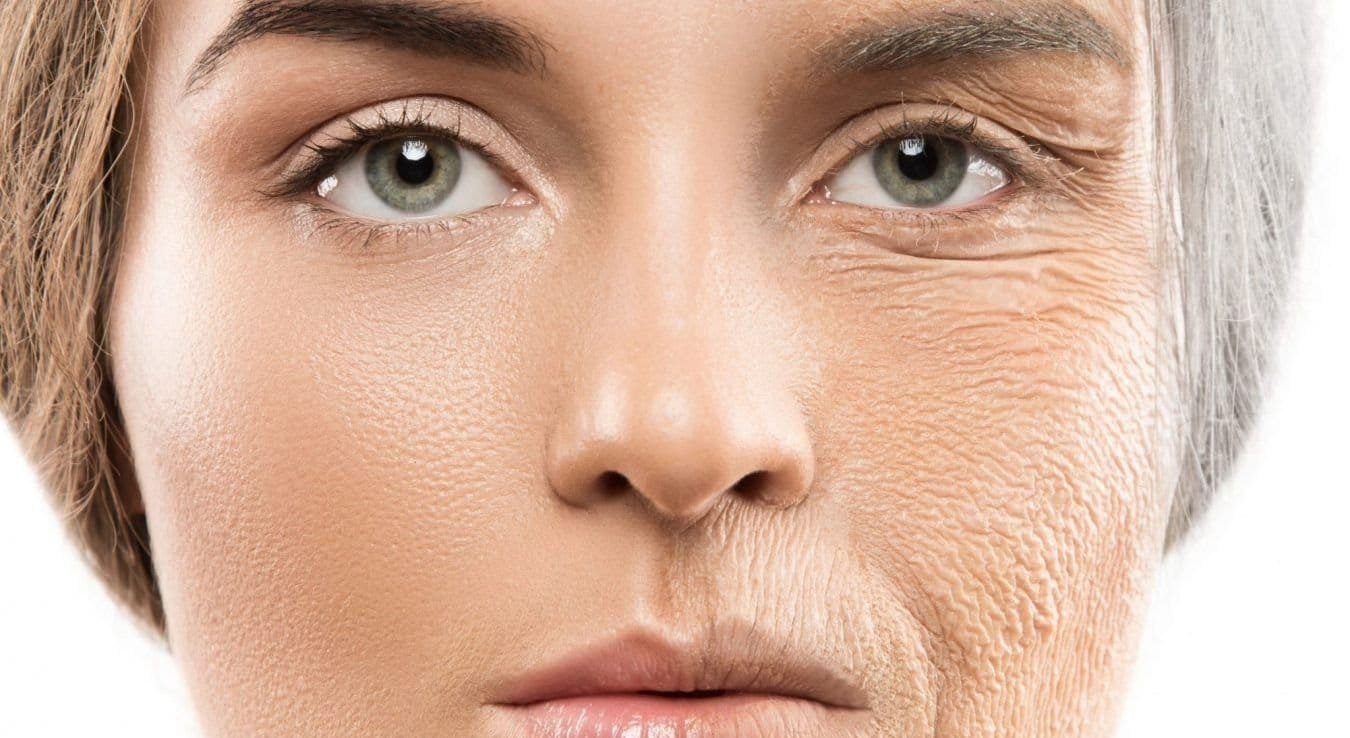
How to prevent premature ageing in sensitive skin is one of the most common and misunderstood questions in modern skincare. If your skin flushes easily, reacts to new products, or feels tight and irritated after cleansing, you already know that the usual anti-ageing playbook doesn’t always work for you. Powerful actives that promise youthful skin can leave sensitive types red, inflamed, or broken, which ironically accelerates the very ageing process you’re trying to stop.
Here’s the good news: preventing premature ageing with sensitive skin isn’t just possible; it’s entirely achievable with the right knowledge and strategy.
In this comprehensive guide, you’ll discover exactly why sensitive skin is more vulnerable to early ageing, which ingredients and habits actually help (and which ones harm), and how to build a gentle yet effective routine that protects and preserves your skin for the long term. Whether you’re just starting your skincare journey or you’re a seasoned enthusiast looking for advanced strategies, this guide covers it all.
Understanding Premature Aging in Sensitive Skin
What Is Premature Skin Ageing?
Premature ageing refers to visible skin changes—wrinkles, sagging, uneven tones, and loss of elasticity—that appear earlier than biologically expected, typically before your mid-30s. While chronological ageing is inevitable, external and lifestyle factors largely drive premature ageing, making it highly preventable with the right approach.
People with sensitive skin significantly increase their risk of premature ageing. Research shows that chronic skin inflammation, a hallmark of sensitive skin, accelerates collagen breakdown and weakens the skin barrier over time [Source: Journal of Investigative Dermatology]. This is a critical distinction: it’s not just about wrinkles; it’s about a compromised skin ecosystem that becomes increasingly fragile with age.
The Sensitive Skin-Aging Connection
Imagine your skin barrier as a solid wall. In healthy skin, the “bricks” (skin cells) are tightly packed with mortar (lipids) holding them together, keeping moisture in and irritants out. Sensitive skin has a naturally thinner, more permeable wall, meaning environmental aggressors get in more easily, and moisture escapes faster.
This chronic vulnerability creates a cycle: irritation triggers inflammation, inflammation breaks down collagen, and collagen loss leads to premature lines and sagging. Understanding this cycle is the first step in breaking it.
Expert Insight: “Sensitive skin is in a state of low-grade inflammation more often than people realize. That chronic inflammatory state is one of the most underappreciated drivers of accelerated skin aging.”
Signs You May Be Experiencing Premature Aging
Early Warning Signs to Watch For
Identifying the signs of premature ageing in sensitive skin is crucial; the earlier you intervene, the more effectively you can slow the process. Premature ageing tends to show up subtly and progressively, in contrast to the dramatic changes we associate with ageing in our 60s and 70s.
Common early indicators include:
- Fine lines appearing around the eyes and mouth before age 30
- Dullness or uneven skin tone that doesn’t resolve with hydration
- Loss of firmness, particularly along the jawline and cheeks
- Increased skin sensitivity or reactivity compared to earlier years
- Persistent dryness or dehydration despite regular moisturizing
- Visible broken capillaries or persistent redness
How Sensitive Skin Shows Aging Differently
One nuance that’s rarely discussed: sensitive skin often shows texture-based ageing before wrinkle-based ageing. Because the barrier is compromised, skin loses its smooth, plump quality, first appearing crepey, rough, or dull well before deep lines form.
This phenomenon is why many people with sensitive skin feel like they “aged overnight”; in reality, the gradual loss of barrier function has been quietly accumulating for years.
Quick Takeaway: If your skin feels perpetually dehydrated, reactive, or dull despite a consistent routine, these are early signs that your barrier needs support and that premature aging prevention should become a priority.
Root Causes: Why Sensitive Skin Ages Faster
The Role of Chronic Inflammation
Inflammageing, a portmanteau of ‘inflammation’ and ‘ageing’, is a well-documented phenomenon in dermatology. Those with sensitive skin are more likely to have a longer-lasting, harder-to-treat inflammatory response. The reaction causes a low-grade inflammation that breaks down collagen and elastin over time.
Studies estimate that up to 60% of people report having sensitive skin, yet only a fraction understand how this sensitivity directly connects to accelerated ageing [Source: International Journal of Cosmetic Science]. For these individuals, every environmental stressor – sun exposure, pollution, harsh products, and extreme temperatures – creates a measurable inflammatory response.
Environmental Aggressors and Oxidative Stress
Oxidative stress occurs when free radicals (unstable molecules generated by UV exposure, pollution, and stress) overwhelm the skin’s antioxidant defences. This oxidative attack goes deeper and does more damage to sensitive skin, which already has a weaker barrier.
Research shows that urban pollution alone can accelerate visible skin ageing by up to 15% compared to rural environments [Source: Journal of Investigative Dermatology]. This number is probably higher for people with sensitive skin because their skin is more permeable.
Genetic and Hormonal Factors
Some people are simply born with thinner skin, lower sebum production, or a genetic predisposition toward reactive skin, all of which contribute to faster ageing. Hormonal fluctuations, particularly the oestrogen decline associated with perimenopause, further thin the skin and reduce its moisture-retaining capacity.
In my experience studying skincare across diverse demographics, hormonal ageing often catches people off guard, particularly women in their late 30s who notice sudden increased sensitivity alongside new fine lines.
Expert Insight: “Genetics loads the gun, but environment and lifestyle pull the trigger when it comes to premature skin aging.” , PhD Dermatological Sciences
The Golden Rules of Sun Protection for Sensitive Skin
Why Sun Protection Is Non-Negotiable
If there is one single intervention proven to prevent premature ageing of sensitive skin more than any other, it is daily broad-spectrum sun protection. UV radiation accounts for approximately 80% of visible facial ageing, a phenomenon known as photoageing. For sensitive skin, unprotected UV exposure is doubly damaging: it accelerates collagen breakdown and triggers inflammatory reactions that compound over time.
The challenge for sensitive skin is finding a sunscreen that provides adequate protection without causing irritation. Many chemical sunscreens (those containing avobenzone, oxybenzone, or octinoxate) are known to cause reactions in sensitive individuals.
Choosing the Right SPF for Sensitive Skin
Mineral sunscreens containing zinc oxide or titanium dioxide are universally recommended for sensitive skin. Unlike chemical filters that absorb UV rays (and can generate heat in the skin), mineral filters physically deflect UV radiation, making them far less likely to cause irritation or inflammation.
What to look for in a sensitive skin SPF:
- SPF 30 minimum; SPF 50 preferred for daily urban use
- Broad-spectrum (UVA + UVB protection)
- Zinc oxide as the primary active ingredient
- Free from fragrances, alcohol, and chemical UV filters
- Formulated with skin-barrier supporting ingredients (ceramides, niacinamide)
Pro Tip: Apply sunscreen as the very last step in your morning routine, every single day including overcast days and when working indoors near windows. UVA rays penetrate glass and are responsible for deep dermal aging.
Sun Protection Beyond SPF
Topical sunscreen is essential but not sufficient alone. Protective clothing (UPF-rated fabrics and wide-brim hats) and behavioural sun avoidance (seeking shade between 10 a.m. and 4 p.m. peak hours) dramatically reduce cumulative UV exposure.
Antioxidant serums applied beneath your SPF also significantly boost photoprotection; vitamin C, in particular, has been shown to enhance SPF effectiveness when layered underneath [Source: Photodermatology, Photoimmunology & Photomedicine].
For a deeper dive into building your full sun protection strategy, see our guides on [best mineral sunscreens for sensitive skin] and [how to layer skincare products for maximum SPF effectiveness].
Building a Gentle Anti-Aging Skincare Routine
The Minimalist Framework That Works
One of the most counterproductive things people with sensitive skin do in the name of anti-ageing is overcomplicate their routine. More products mean more potential irritants, more barrier disruption, and paradoxically faster ageing. Industry experts agree: a streamlined, consistent routine almost always outperforms a complex one for sensitive skin types.
The ideal anti-ageing routine for sensitive skin follows a simple structure:
Morning Routine:
- Gentle, non-stripping cleanser
- Antioxidant serum (Vitamin C or niacinamide)
- Lightweight barrier-supporting moisturizer
- Mineral broad-spectrum SPF 30–50
Evening Routine:
- Gentle cleanser (double cleanse if wearing SPF/makeup)
- Treatment serum (retinoid or peptides applied 2–3x per week initially)
- Rich, barrier-repairing moisturizer
- Facial oil (optional, for extra nourishment)
How to Introduce New Products Safely
Patch testing is non-negotiable for sensitive skin, but most people do it wrong. Don’t just dab a product on your wrist. Apply it to a small area of your face (inner cheek or behind the ear) for 5–7 consecutive days before full-face application. This mimics real use conditions far more accurately.
When introducing any new active ingredient, retinoids, acids, or vitamin C, follow the “start low, go slow” principle. Begin with the lowest available concentration, use it once or twice per week, and only increase frequency after your skin has fully adjusted over 4–6 weeks.
For more guidance on this topic, visit our article on [how to patch test skincare products correctly].
Quick Takeaway: A 4-step morning routine and 4-step evening routine is all most sensitive skin types need. Consistency beats complexity every time.
The Best Anti-Aging Ingredients for Sensitive Skin
Ingredients That Deliver Results Without Irritation
Choosing the right active ingredients is arguably the most important decision you’ll make in your anti-ageing journey with sensitive skin. The good news is that the skincare industry has made enormous strides in developing gentle but effective actives that work even for reactive skin.
One of the most versatile and well-tolerated anti-ageing ingredients available is niacinamide (Vitamin B3). Niacinamide supports barrier function, reduces the appearance of pores, fades hyperpigmentation, and stimulates collagen production, all without irritation. According to the International Journal of Cosmetic Science, using 5% niacinamide every day for 12 weeks can significantly reduce fine lines and make skin more elastic.
Peptides Peptides are short chains of amino acids that signal the skin to produce more collagen. They are extremely well tolerated and ideal for sensitive skin types who cannot use retinoids. Look for formulations containing palmitoyl pentapeptide-4 (Matrixyl) or copper peptides.
Bakuchiol is nature’s version of retinol. Bakuchiol is a plant-derived compound that activates the same skin receptors as retinol, delivering comparable anti-ageing results with dramatically lower irritation potential. A significant study in the British Journal of Dermatology revealed that bakuchiol exhibited similar efficacy to retinol in diminishing wrinkles and enhancing skin firmness

Hyaluronic acid is not strictly an anti-ageing agent, but adequate hydration is foundational for youthful-looking skin. Hyaluronic acid can hold up to 1,000 times its weight in water, which helps fill in fine lines and keep the skin barrier healthy. It is universally tolerated and works best when applied to damp skin.
Low-Concentration Retinoids: Retinol remains the gold-standard anti-ageing active, but sensitive skin requires a strategic approach. Encapsulated retinol formulations release the active slowly, reducing irritation significantly. Starting at 0.025–0.05% and building gradually over months is the safest approach for sensitive skin.
Ingredient Safety Comparison Table
| Ingredient | Anti-Aging Benefit | Sensitivity Risk | Best For |
|---|---|---|---|
| Niacinamide | Collagen support, pigmentation | Very Low | Daily use, all sensitive skin |
| Bakuchiol | Retinol-like renewal | Very Low | Retinol-sensitive skin |
| Peptides | Collagen stimulation | Very Low | Mature sensitive skin |
| Encapsulated Retinol | Cell turnover, wrinkle reduction | Low-Medium | Gradual introduction |
| Vitamin C (L-AA) | Antioxidant, brightening | Medium | Apply on stable skin days |
| Glycolic Acid | Exfoliation, renewal | Medium-High | Use sparingly (1x/week max) |
| Standard Retinol | Cell turnover | High | Avoid or use with caution |
| Physical exfoliants | Texture | High | Avoid |
For more on safe ingredient combinations, see our in-depth resource on [skincare ingredient layering guide for sensitive skin].
Ingredients to Avoid If You Have Sensitive Skin
The Irritant Blacklist
Knowing what to avoid is just as important as knowing what to use. While resilient skin types can tolerate many popular skincare ingredients, sensitive individuals find them genuinely problematic, and some even accelerate ageing by triggering chronic inflammation.
Fragrances and perfume fragrances are the single most common causes of contact dermatitis in skincare. Both synthetic and natural fragrances (including essential oils like lavender, bergamot, and citrus) can trigger significant irritation in sensitive skin. Always check ingredient labels for “parfum”, “fragrance”, or any essential oil in a leave-on product.
High-Concentration Exfoliating Acids: Glycollic acid, salicylic acid, and lactic acid all have legitimate anti-ageing benefits, but at high concentrations, they over-exfoliate sensitive skin, stripping the barrier and causing chronic irritation. If you want to use acids, opt for lactic acid at concentrations of 5% or below, used no more than once weekly.
Alcohol (denatured), or alcohol denat, is frequently used in lightweight moisturisers and serums as a texture agent. It evaporates quickly, taking skin moisture with it and disrupting the skin barrier over time. For sensitive, ageing skin, this substance is particularly harmful.
Harsh Sulphate Cleansers: Sodium lauryl sulphate (SLS) and similar surfactants cleanse effectively but are far too stripping for sensitive skin. Over time, SLS-based cleansers compromise the acid mantle and accelerate transepidermal water loss (TEWL), a key driver of premature ageing.
Pro Tip: The simplest rule for sensitive skin product shopping: if you can smell it, think twice. Unscented formulas (not “masking” fragrance with a different scent, but genuinely fragrance-free) should be your default.
Lifestyle Habits That Prevent Premature Skin Aging
Sleep: Your Skin’s Most Powerful Regeneration Window
The term “beauty sleep” is rooted in genuine biology. During deep sleep, the body releases growth hormone, the primary driver of cellular repair and collagen synthesis. Consistent sleep deprivation has been shown to accelerate visible skin ageing, increase fine lines, reduce skin hydration, and impair barrier recovery [Source: Clinical and Experimental Dermatology].
For sensitive skin, inadequate sleep means less time for barrier repair, making the skin more reactive and vulnerable the following day. Aim for 7–9 hours of quality sleep per night as a foundational anti-ageing strategy.
Sleep positioning also matters. Sleeping on your side or stomach presses your face into a pillow, creating mechanical compression wrinkles over time. Consider a silk or satin pillowcase (which generates less friction) and, if comfortable, train yourself to sleep on your back.
Stress Management and Skin Aging
Chronic psychological stress elevates cortisol levels, which directly breaks down skin collagen, impairs wound healing, and worsens inflammatory skin conditions, all of which accelerate ageing in sensitive skin.
In my experience, clients who manage stress through consistent practices – meditation, exercise, journaling, or therapy – often report noticeable improvements in skin reactivity and overall complexion quality within weeks. This is not anecdotal; research consistently links chronic stress to accelerated skin ageing [Source: Psychoneuroendocrinology].
Exercise and Circulation
Regular moderate exercise improves circulation, delivering oxygen and nutrients to skin cells while flushing out metabolic waste. A landmark study found that people who exercised regularly had younger-looking skin profiles compared to sedentary individuals of the same age, even when exercise began in midlife [Source: McMaster University, 2014].
For sensitive skin, avoid intense exercise in extreme heat or cold (which can trigger flushing and rosacea flares), and always rinse your face promptly after sweating to prevent pore blockage and irritation.
Quick Takeaway: Sleep, stress management, and movement are not “wellness extras” they are foundational pillars of anti-aging as important as any topical product.
Diet and Nutrition for Youthful Sensitive Skin
Eating to Fight Premature Aging
What you eat is reflected directly in your skin. This is not a metaphor; the skin receives nutrients from the bloodstream, and dietary deficiencies (or excesses) are visible in skin quality over time.
Anti-inflammatory eating is the dietary framework most aligned with preventing premature ageing in sensitive skin. Because sensitive skin is in a state of elevated inflammation, dietary choices that reduce systemic inflammation directly benefit skin health.
Key nutritional strategies:
- Omega-3 fatty acids (found in fatty fish, walnuts, flaxseed): Strengthen the skin barrier and reduce inflammatory cytokines that break down collagen
- Antioxidant-rich foods (berries, leafy greens, green tea): Neutralize free radicals before they cause oxidative skin damage
- Vitamin C (citrus, bell peppers, broccoli): Essential for collagen synthesis; dietary Vitamin C supports topical application
- Zinc (pumpkin seeds, legumes, shellfish): Supports wound healing and skin barrier integrity
- Polyphenols (dark chocolate, olive oil, red wine in moderation): Demonstrated anti-aging effects at the cellular level
Foods and Habits That Accelerate Aging
What to limit is just as important as what to eat. High-glycaemic foods (white sugar and refined carbohydrates) trigger a process called glycation, where sugar molecules attach to collagen fibres and make them rigid and prone to breakage, directly causing premature wrinkles and sagging.
Alcohol dehydrates the skin, dilates blood vessels (worsening redness in sensitive skin), and depletes antioxidants that protect against UV damage. Even moderate alcohol consumption has been linked to accelerated facial ageing.
Smoking is perhaps the single most powerful accelerant of skin ageing beyond UV radiation. It constricts blood vessels, depletes vitamin C, generates massive oxidative stress, and causes the characteristic “smoker’s lines” around the mouth through repeated facial muscle movements.
Expert Insight: “Diet is the silent architect of your skin’s future. The anti-inflammatory Mediterranean-style eating pattern is, in my clinical opinion, the best nutritional strategy for sensitive, aging-prone skin.”
Advanced Strategies for Experienced Skincare Enthusiasts
Taking Your Routine to the Next Level
If you’ve mastered the fundamentals and want to deepen your anti-ageing strategy without compromising your sensitive skin, there are several evidence-based approaches worth exploring.
Facial Massage and Gua Sha Regular facial massage improves lymphatic drainage, reduces puffiness, and enhances circulation to facial tissues. When performed gently with a suitable facial oil, it is well tolerated by sensitive skin and may support the appearance of firmness over time. Use light pressure; only aggressive manipulation can worsen redness or broken capillaries.
Professional Treatments Certain professional-grade treatments can deliver anti-ageing results that topical products alone cannot achieve. For sensitive skin specifically, the most appropriate options include:
- LED light therapy (red and near-infrared): Stimulates collagen production with zero irritation or downtime. Multiple studies support its efficacy for fine lines and skin renewal.
- Enzyme facials: Gentler than acid peels, enzyme-based exfoliation (pumpkin, papain) resurfaces the skin without the irritation risk of AHAs.
- Microcurrent therapy: Uses low-level electrical currents to stimulate facial muscles and improve tone. Microcurrent therapy is non-invasive, non-irritating, and is becoming increasingly available in at-home devices.
Always consult a board-certified dermatologist before attempting any professional treatment if you have diagnosed sensitive skin conditions such as rosacea, eczema, or contact dermatitis.
Skin Cycling for Sensitive Skin was originally developed with sensitive skin in mind by alternating active ingredients across a structured weekly schedule. A classic gentle cycle might look like this: Night 1: exfoliation (very gentle, once per week); Night 2: retinoid/bakuchiol; and Nights 3 and 4: recovery (barrier-focused moisturisers only). The method prevents overload while maintaining consistent active use.
For more on this topic, explore our resource on [skin cycling routines for sensitive skin beginners] and [professional skincare treatments suitable for reactive skin].
Pro Tip: Recovery nights are not “wasted” nights. Barrier repair is active anti-aging the skin rebuilding its lipid matrix and repairing micro-damage from actives. Never skip them.
Common Mistakes That Accelerate Aging in Sensitive Skin
What Not to Do (And Why It Matters)
Even well-intentioned skincare habits can backfire spectacularly for sensitive skin. Understanding the most common pitfalls is as important as knowing the best strategies.
Mistake 1: Over-Cleansing Washing your face more than twice daily strips the skin’s natural oils and acid mantle, chronically weakening the barrier. For sensitive skin, once-daily cleansing in the evening (with just a water rinse in the morning) is often optimal.
Mistake 2: Layering Too Many Actives The desire to address multiple concerns simultaneously leads many people to stack retinoids, acids, vitamin C, and exfoliants in the same routine. For sensitive skin, this is a recipe for barrier damage and rebound reactivity, accelerating the very ageing you’re trying to prevent.
Mistake 3: Skipping Moisturiser Because You’re “Oily” Sensitive skin can be both sensitised and oily. Skipping moisturiser leads to dehydration, which causes the skin to overproduce sebum while simultaneously losing the plumpness that keeps fine lines at bay. Opt for oil-free, gel-based moisturisers rather than skip this critical step.
Mistake 4: Using hot water dilates blood vessels, strips natural oils, and triggers inflammatory responses, all of which are problematic for sensitive ageing skin. Always cleanse with lukewarm water and finish with a cool rinse to calm the skin.
Mistake 5: Neglecting the Neck and Décolletage The neck and chest skin is thinner and more fragile than facial skin, yet most people stop their routine at the jawline. Signs of premature ageing appear here early and visibly. As a habit, extend every product, including SPF, down to the décolletage.
Mistake 6: Chasing Trends Skincare social media moves fast, and the constant temptation to try the latest trending ingredient or method is real. For sensitive skin, trend-chasing is particularly risky; the next hot ingredient hasn’t been tested long enough for you to know how it will behave on reactive skin. Stick to the evidence base.
Frequently Asked Questions
Can retinol be used on sensitive skin?
Yes, but with significant care. Encapsulated retinol formulations are specifically designed for sensitive skin, releasing the active slowly to minimise irritation. Start at 0.025%, apply only 2–3 times per week, and always follow with a rich moisturiser. If even encapsulated retinol causes consistent irritation, bakuchiol is an excellent alternative with comparable evidence.
At what age should I start anti-ageing skincare for sensitive skin?
Prevention is always more effective than reversal. Starting a basic protective routine with SPF, antioxidants, and a barrier-supporting moisturiser in your mid-20s is ideal. Active anti-ageing ingredients, like peptides or low-dose bakuchiol, can be introduced in the late 20s or early 30s.
Is natural skincare better for sensitive, ageing skin?
Not necessarily. “Natural” does not equal hypoallergenic; many natural ingredients (essential oils, plant extracts) are among the most common skin sensitisers. What matters is whether the formulation is fragrance-free, tested for sensitivity, and contains evidence-backed active ingredients.
Could you please let me know how long it typically takes to see results from a new anti-ageing routine?
Skin cell turnover takes approximately 28–40 days, and collagen remodelling takes 3–6 months to show visible results. Expect to wait at least 8–12 weeks before evaluating whether a new routine is working. Patience and consistency are the most underrated anti-ageing tools available.
Can I prevent premature ageing with diet alone?
Diet is a powerful contributor to skin health, but no single approach is sufficient on its own. An anti-inflammatory diet combined with daily SPF, targeted skincare, quality sleep, and stress management delivers the best outcomes for preventing premature ageing of sensitive skin.
Q1: How do I prevent premature ageing of sensitive skin?
A1: Use mineral SPF daily; adopt gentle anti-ageing actives (niacinamide, bakuchiol, and peptides); avoid fragrances; maintain a barrier-supportive minimalist routine; prioritise sleep; manage stress; and follow an anti-inflammatory diet.
Q2: What is the best anti-ageing ingredient for sensitive skin?
Niacinamide and bakuchiol are the best anti-ageing ingredients for sensitive skin because they help support the skin barrier, boost collagen, and renew skin cells without causing irritation.
Q3: Is it safe to use retinol on skin that is sensitive?
A3: Yes — encapsulated retinol at low concentrations (0.025–0.05%) can be used 2–3 times per week on sensitive skin, with gradual introduction. Bakuchiol is a gentler alternative with comparable effects.
Q4: Why does sensitive skin age faster than normal skin?
A4: Sensitive skin has a weaker barrier and a chronically elevated inflammatory state (“inflammaging”), which accelerates collagen breakdown, increases moisture loss, and makes the skin more vulnerable to environmental damage.
Q5: What lifestyle habits prevent premature skin ageing?
A5: The most impactful lifestyle habits for preventing premature skin ageing include consistent SPF use, 7–9 hours of quality sleep, stress management, regular moderate exercise, an antioxidant-rich anti-inflammatory diet, and avoiding smoking and excess alcohol.