
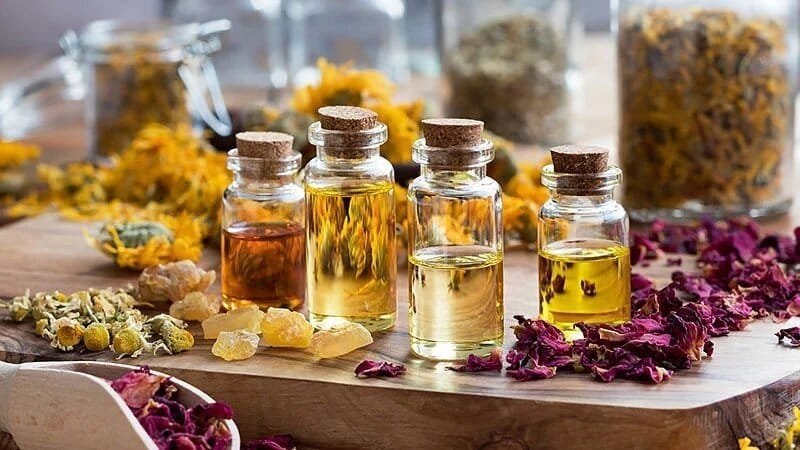
Spring is more than just a change in weather; it's a sensory celebration. As winter fades and nature begins to bloom, the air fills with new life, c
Spring is more than just a change in weather; it’s a sensory celebration. As winter fades and nature begins to bloom, the air fills with new life, color, and vitality. Days grow longer, sunshine warms the soul, and gardens awaken with floral beauty. This seasonal shift doesn’t just affect the outdoors; it has a deep impact on our mood, energy, and emotional well-being. It’s the perfect time to refresh our routines, clear out mental cobwebs, and invite more balance and brightness into our lives.
One of the most natural and enjoyable ways to enhance this seasonal transition is through floral essential oils. Why? Because spring is synonymous with blossoms, fragrances, and new beginnings, floral essential oils encapsulate all of that in a bottle. These oils are distilled from flowers known for their aromatic and therapeutic properties. They don’t just smell wonderful; they’re known to lift the mood, reduce stress, support emotional harmony, and even provide skin benefits. Using them during spring can amplify the season’s positive energy and help align your personal space and spirit with the natural world around you.
Floral essential oils bring a bouquet of benefits. They act as nature’s own aromatherapy, helping to invigorate tired minds, soothe emotional fatigue, and enhance feelings of hope and joy, perfect for spring’s rejuvenating energy. Their delicate and uplifting aromas are ideal for diffusing in your home, adding to skincare routines, or blending into DIY self-care recipes. And unlike synthetic fragrances, floral essential oils offer genuine therapeutic effects that promote holistic wellness.
In this article, we’ll dive into six standout floral essential oils that are perfect for springtime. Each oil has been chosen for its unique scent profile, emotional and physical benefits, and versatile uses. You’ll discover what makes each one special, how to use them effectively, and how to incorporate them into your daily routine to get the most out of this vibrant season. Whether you’re a seasoned aromatherapy lover or just beginning your essential oil journey, these springtime floral picks will infuse your life with joy, balance, and natural beauty.
Why Use Floral Essential Oils in the Spring?
As winter melts away and the blossoms return, something subtle but powerful happens inside us: we start to crave renewal. The connection between scent and psychology is profound, and nowhere is this more evident than in spring. Scent, particularly from floral sources, has a direct line to our limbic system, the part of the brain that governs emotions, memory, and mood. This is why floral essential oils are not just pleasant; they’re transformational. When you inhale the aroma of blooming jasmine, rose, or lavender, you’re not just smelling nature; you’re experiencing a sensory form of emotional awakening.
Spring is a natural time of transition, where we shake off the heavy energy of winter and embrace freshness, lightness, and vitality. Floral essential oils embody the spirit of this seasonal shift. Just like the flowers that begin to bloom all around us, these oils invite joy, softness, and growth into our lives. Their use in aromatherapy aligns perfectly with the psychology of spring: new beginnings, clarity, hope, and emotional rebirth. That’s why incorporating floral scents into your daily life during this time isn’t just seasonal; it’s therapeutic.
Beyond their emotional benefits, floral essential oils offer practical, well-rounded advantages for spring living. Many contain compounds known for their uplifting and energizing properties, such as linalool in lavender or geraniol in rose. These components naturally combat fatigue and brain fog, helping you step into your day with more focus and energy. At the same time, they have calming effects that reduce stress and anxiety, making them perfect for balancing the high energy that often accompanies spring’s social and professional hustle.
From a physical wellness perspective, floral essential oils can do wonders for your skin. As the weather changes, skin often needs extra care to adapt. Oils like chamomile and rose offer soothing, anti-inflammatory properties that can calm spring allergies or seasonal irritations. Added to your skincare routine, they can refresh and hydrate the skin, leaving it glowing and balanced.
Let’s not forget your home. Spring cleaning is a ritual rooted in cleansing both physical and mental clutter. Floral essential oils elevate this process. Used in homemade cleaning solutions, linen sprays, or simply diffused, oils like ylang-ylang and geranium don’t just make your home smell like a garden; they purify the air, lift your mood, and create an inviting, serene environment. Their antimicrobial properties also make them powerful allies in keeping your space both beautiful and hygienic.
Floral essential oils also shine in self-care rituals and meditative practices. Spring is the perfect time to create or update healthy habits. Whether you’re journaling, practicing yoga, or simply taking a mindful pause, adding a floral essential oil can heighten the experience. Scents like neroli or lavender can calm your breath, center your thoughts, and deepen your relaxation. They’re like a soft whisper from nature, encouraging you to slow down and bloom.
In short, floral essential oils are a multi-sensory way to sync with spring. They link scent with emotional renewal, energize your body and mind, enhance your home and skincare routines, and deepen your springtime rituals. They’re not just seasonal extras; they’re essential tools for embracing the joy, beauty, and balance of this blossoming time of year.
6 Floral Essential Oils for Spring and Their Unique Benefits
1. Lavender (Lavandula angustifolia)
Lavender essential oil, derived from the fresh purple blooms of the Lavandula angustifolia plant, is often called the “Swiss Army knife” of essential oils, and for good reason. It’s one of the most versatile, gentle, and effective floral oils you can use, especially during the vibrant but often hectic spring. As the world reawakens, schedules get busier, and environmental allergens return with full force, lavender becomes a powerful ally for emotional, physical, and environmental balance.
One of lavender’s standout qualities is its exceptional calming and sleep-enhancing properties. Spring, while energizing, can also bring overstimulation, new routines, longer days, and an influx of activity. If you’re finding it harder to wind down at night or feeling a little scattered, lavender’s soothing aroma can help settle both mind and body. Rich in linalool and linalyl acetate, compounds known to have sedative effects, lavender can significantly improve sleep quality by promoting relaxation and reducing restlessness. Adding a few drops to your pillow or using a diffuser before bed can significantly enhance your sleep quality.
Lavender is also incredibly effective in easing stress and anxiety, common issues as we transition from the reflective stillness of winter to spring’s energetic surge. Its aroma triggers the brain’s calming receptors, helping to regulate mood, reduce cortisol levels, and encourage a state of calm alertness. This benefit makes it a perfect companion not only for bedtime but also for mid-day resets and mindful rituals throughout your day.
Another reason lavender is ideal for spring is its natural anti-inflammatory and antihistamine properties. For those who suffer from seasonal allergies, lavender offers gentle but effective relief. Inhalation or topical use (when diluted properly) can help soothe sinus congestion, headaches, and irritated skin caused by pollen exposure. It’s also a wonderful option for calming inflamed skin, which can flare up as the weather changes. Whether you have sensitive skin, eczema, or occasional breakouts, lavender brings comfort and clarity.
Integrating lavender into your springtime routine is effortless and incredibly rewarding. In aromatherapy, it’s most commonly used in diffusers to cleanse the air and create a serene ambiance. A few drops in a diffuser can transform your home into a peaceful sanctuary. It’s equally excellent in DIY linen sprays. Just mix lavender oil with distilled water and a splash of witch hazel to freshen up bedding, towels, and even your wardrobe with its relaxing floral scent.
Lavender is also a staple in natural skincare. Add a drop or two to your moisturizer, face mask, or bath soak to soothe the skin and promote a dewy, springtime glow. Always be sure to dilute it with a carrier oil like jojoba or sweet almond when applying directly to the skin.
In short, lavender essential oil is a springtime must-have. Its floral, herbaceous aroma offers a deep sense of calm and emotional clarity while also providing powerful support for sleep, allergies, skin health, and stress management. Whether you’re embracing a fresh morning routine or winding down after a long day, lavender brings softness and balance to every moment of spring.

Magnolia
Like lavender and bergamot, it helps relieve stress and anxiety. You can include it in your beauty routine by combining it with coconut oil to keep the skin clean and moisturized.

Neroli
Neroli (Citrus aurantium var. amara)
Neroli essential oil, distilled from the fragrant blossoms of the bitter orange tree (Citrus aurantium var. amara), offers a luminous citrus-floral aroma that captures the very soul of spring. Light, sweet, and gently uplifting, neroli is not just a beautiful fragrance; it’s a therapeutic essential oil that brings calm, balance, and serenity during times of transition. As nature reawakens and life speeds up in spring, neroli becomes the perfect ally for soothing the nervous system, supporting restful sleep, and relieving tension.
Bright, Citrusy Floral That Calms the Mind and Body
Neroli is a unique floral oil in that it perfectly balances the freshness of citrus with the depth of a classic bloom. Its scent is airy and luminous, bringing immediate clarity and peace with each inhale. This makes it especially powerful in combating stress, agitation, and emotional exhaustion. Unlike stimulating citrus oils like lemon or orange, neroli has a more grounding, sedative quality, making it ideal for restoring mental equilibrium and emotional well-being.
The linalool and limonene in neroli work with the brain’s limbic system to lower cortisol levels and encourage alpha waves, which help with deep relaxation and emotional stability. It’s an excellent choice for those who feel overstimulated, anxious, or emotionally scattered during spring, a season filled with social events, environmental shifts, and increased sensory input.
Because it gently slows the heart rate and deepens breathing, neroli also helps you reconnect with the present moment, promoting mindfulness and calm even in high-stress environments. It’s a floral that doesn’t overwhelm; instead, it delicately wraps you in a veil of peace and focus.
Great for Reducing Springtime Insomnia and Nervous Tension.
As the days grow longer and brighter, many people experience disrupted sleep patterns, trouble winding down, and increased anxiety. Spring insomnia marked by restless nights, racing thoughts, and tension can be especially frustrating after a long winter. Neroli is a natural solution for easing the body and mind into rest.
Its gentle sedative properties make it ideal for use in evening routines to calm an overactive nervous system. Whether your sleeplessness stems from emotional stress or environmental overstimulation, neroli helps ease mental chatter and invite a deep sense of calm. Studies have shown that inhaling neroli before bed can significantly improve sleep quality by lowering blood pressure, reducing anxiety, and promoting longer periods of uninterrupted rest.
For nervous tension, neroli acts like an emotional tonic. It helps to release pent-up emotions, quiet fear, and restore emotional resilience. This makes it a powerful tool for managing the springtime blues or anxiety spikes triggered by social demands, seasonal transitions, or unexpected life changes. Just a few drops can make a noticeable difference in how grounded and composed you feel.
Ideal for Pillow Sprays, Meditation Blends, and Anxiety Relief
Pillow Sprays: Neroli is a key ingredient in DIY and store-bought pillow sprays due to its ability to calm the senses and promote sleep. To make your own, combine 1 cup of distilled water with 1 tablespoon of witch hazel and 10–12 drops of neroli essential oil. Shake well and lightly mist your pillows and linens before bed. This simple practice can significantly improve the quality of your sleep and turn your bedtime routine into a luxurious sensory experience.
Meditation Blends: During meditation or mindfulness sessions, neroli serves as an aromatic anchor. Diffuse it alone or in combination with grounding oils like frankincense or sandalwood to deepen your breathing and quiet mental distractions. You can also apply it topically, diluted in a carrier oil, to your pulse points or the center of your chest to keep your awareness calm and centered throughout your practice.
Anxiety Relief: For on-the-go stress management, neroli can be added to a rollerball blend with carrier oils and calming companions like lavender or bergamot. Apply it to your temples, wrists, or behind the ears during moments of overwhelm. The light, floral-citrus aroma uplifts the mood without overstimulation, making it suitable for both daytime use and high-pressure situations like public speaking, travel, or work deadlines.
Neroli essential oil revitalizes both your emotional and physical well-being. With its graceful blend of brightness and calm, it helps you transition through the season with clarity, restfulness, and inner harmony, proving that sometimes, the softest scents make the strongest impact.

Sage
Sage essential oil has relaxing and calming properties that help rejuvenate and soothe the skin. If you are one of those who has a terrible time during your menstrual cycle, apply two to four drops of sage essential oil to the abdomen for an abdominal massage, and you will see how it relieves you!

Geranium
Geranium (Pelargonium graveolens)
Geranium essential oil, derived from the aromatic Pelargonium graveolens plant, is a floral powerhouse when it comes to emotional and physical wellness, especially in the vibrant, transition-filled season of spring. With its sweet, rose-like scent and a hint of citrusy freshness, geranium oil stands out as a holistic remedy for balancing mood, supporting hormonal harmony, and rejuvenating the skin. As the season awakens nature, this oil helps you awaken your inner balance and natural glow.
I am balancing mood and hormones.
Spring is a time of renewal, but for many, it also comes with mood swings, emotional restlessness, and hormonal fluctuations. Geranium essential oil acts as a natural adaptogen, helping the body regulate stress responses and bringing equilibrium to emotional highs and lows. Whether you’re dealing with premenstrual symptoms, perimenopausal mood changes, or just springtime anxiety, geranium oil offers gentle yet effective support.
The oil’s regulatory effect on the endocrine system means it can help balance estrogen levels naturally, easing symptoms like irritability, fatigue, and sadness. Many women use geranium during their cycle to manage PMS-related mood swings or as part of a daily routine to keep hormones in check throughout the month. Men can also benefit from its mood-stabilizing effects, especially when dealing with high-stress periods or emotional burnout.
On a neurological level, the inhalation of geranium oil has been shown to reduce cortisol, the body’s primary stress hormone. This property makes it a useful natural option for managing emotional tension, improving mental clarity, and boosting overall well-being. It can be your go-to emotional anchor when you’re feeling scattered or overwhelmed by the pace of spring.
Promotes Clear Skin and Emotional Stability
Geranium oil isn’t just an emotional lifesaver; it also offers a beauty boost that fits right into spring’s skincare needs. Seasonal shifts often lead to skin fluctuations: dryness, increased oiliness, or unexpected breakouts. Geranium’s anti-inflammatory, antibacterial, and astringent properties make it ideal for balancing the skin’s natural oil production, reducing acne, and promoting a clearer, more radiant complexion.
It supports lymphatic drainage and improves circulation, which can help reduce puffiness and create a more toned appearance. Those with sensitive or combination skin especially benefit from its harmonizing effects. Whether you’re looking to even out your skin tone or manage occasional blemishes, geranium provides a floral fix that works harmoniously with your body’s natural rhythms.
What sets geranium apart is how it ties emotional and skin health together. When you feel good emotionally, it reflects on your skin, and when your skin glows, your mood naturally lifts. Geranium bridges this gap by delivering both inner calm and outer beauty, making it a must-have for spring wellness.
This product is ideal for morning routines and floral DIY perfumes.
Morning Routines: Geranium oil is especially effective when used in the morning. A few drops in a diffuser or applied topically (diluted with a carrier oil) can create a fresh, uplifting start to the day. Its energizing yet calming scent helps set a positive tone, boost mental focus, and align your mood before diving into daily tasks. You can also incorporate a few drops into your facial serum or moisturizer to initiate both your skincare routine and emotional rejuvenation.
Floral DIY Perfumes: For those who prefer natural beauty alternatives, geranium is a beautiful base or heart note for DIY floral perfumes. Mix it with complementary oils like lavender, bergamot, or ylang-ylang, and blend it into a carrier like fractionated coconut oil or perfumer’s alcohol. Not only will you smell wonderful, but you’ll also reap the mood-balancing benefits throughout the day.
Creating your own perfume allows you to skip the synthetic chemicals found in commercial scents while crafting something that’s uniquely you. The rich floral notes of geranium exude elegance and softness, making it perfect for springtime social events, brunches, or simply a walk among the blooming flowers.
In essence, geranium essential oil is the ultimate spring companion for balancing mood and hormones, achieving clear skin, and infusing your daily routine with a luxurious floral aroma. Its versatility, beauty-enhancing properties, and emotional grounding make it an essential addition to your springtime self-care arsenal.

Jasmine
Jasmine essential oil, extracted from the delicate white blossoms of Jasminum grandiflorum, is the epitome of spring’s sensual and emotional awakening. Renowned for its rich, exotic fragrance and profound therapeutic qualities, jasmine is not just a beautiful scent; it’s a powerful mood enhancer, natural antidepressant, and intimate booster. As nature blossoms in spring, jasmine invites you to bloom emotionally, romantically, and spiritually.
Uplifting, Romantic, and Exotic Floral Notes
Jasmine’s aroma is unlike any other floral oil: deeply sweet, intensely floral, and slightly musky. It’s known for creating an atmosphere of warmth, passion, and calm. This luxurious scent makes it a favorite in high-end perfumes and self-care rituals, especially when the goal is to feel uplifted, confident, and connected to your sensual side.
Its ability to inspire euphoria and emotional release makes it perfect for spring evenings when the heart feels lighter, and love is in the air. Jasmine oil doesn’t just smell good; it makes you feel good. It elevates the senses, sparks creativity, and boosts confidence, making it an ideal companion for social events, date nights, or simply reconnecting with yourself after a long day.
What truly makes jasmine unique is its emotional depth. While many floral oils soothe, jasmine stimulates. It motivates while relaxing and empowers while calming, making it a complex, multi-layered oil that mirrors the human emotional spectrum. This duality is what makes it such a revered oil in both aromatherapy and traditional practices.
It acts as a natural antidepressant and aphrodisiac.
Jasmine oil is widely celebrated for its antidepressant qualities. Rich in compounds like benzyl acetate and indole, it interacts with the brain’s neurotransmitters to increase feelings of positivity and well-being. Several studies have shown that jasmine essential oil can reduce symptoms of anxiety and mild depression, promoting a sense of optimism and emotional balance.
It’s especially beneficial during spring when the emotional body may be more vulnerable due to shifting weather, longer daylight hours, and renewed social energy. If you’ve been experiencing low mood, emotional fatigue, or even seasonal affective disorder, jasmine can lift your spirits in a gentle yet profound way.
Beyond its mood-enhancing qualities, jasmine is also known as a natural aphrodisiac. Its intoxicating scent stimulates the limbic system and awakens sensuality, making it ideal for fostering intimacy and emotional connection. Historically used in love potions and romantic rituals, jasmine enhances libido, increases romantic attraction, and fosters deeper physical and emotional bonding.
This makes it perfect for rekindling connection with a partner or simply tuning into your own sensual energy. It nurtures a feeling of being grounded in your body while opening your heart, a rare and powerful combination for anyone seeking emotional and physical alignment.
This product is perfect for evening use and bath rituals.
Evening Use: Jasmine’s luxurious and emotionally soothing scent makes it ideal for evening routines. Diffuse it in your bedroom as the sun sets, or apply it to pulse points with a carrier oil to prepare for a relaxing night. Its sedative properties help calm the nervous system, easing stress and setting a romantic or reflective mood. Whether you’re winding down with a book, meditating, or spending time with a loved one, jasmine helps you transition from the day’s chaos into nighttime serenity.
Bath Rituals: One of the most indulgent ways to enjoy jasmine is through bath rituals. Add 5–7 drops to a warm bath along with a handful of Epsom salts and a carrier oil like jojoba or coconut. As the steam rises, it releases Jasmine’s intoxicating aroma, transforming your bathroom into a personal spa. This ritual not only soothes tired muscles and skin but also provides deep emotional release. It’s perfect for ending a stressful day or setting the tone for a romantic evening.
For added luxury, combine jasmine with oils like sandalwood or patchouli to create a more grounded, sultry blend. The experience is not just aromatic; it’s transformational, helping you reconnect with your body, elevate your emotions, and embrace your inner sensuality.
Jasmine essential oil is your springtime elixir for joy, intimacy, and emotional vibrance. It doesn’t just refresh the air; it refreshes your soul, making each evening a ritual of renewal, beauty, and connection.

Ylang Ylang (Cananga odorata)
Ylang Ylang essential oil brings an intoxicatingly sweet and tropical floral scent that is both uplifting and grounding, distilled from the vibrant, star-shaped flowers of the Cananga odorata tree. As spring brings with it bursts of color and an uplift in energy, ylang ylang matches the season’s tempo with its mood-boosting, emotionally harmonizing, and skin-friendly properties. It’s the perfect oil for those seeking both emotional serenity and radiant spring-ready skin.
Mood-Lifting and Stress-Reducing with a Sweet Floral Aroma
One of the most powerful aspects of ylang ylang is its immediate impact on mood. The oil is known for its ability to reduce stress, tension, and symptoms of anxiety almost instantly upon inhalation. With its warm, exotic floral notes, ylang-ylang stimulates the senses and encourages the brain to release serotonin and dopamine, two neurotransmitters associated with happiness and relaxation.
This makes it an ideal oil for those navigating the energetic transition from winter to spring, when many people feel emotionally unsettled. Whether it’s lingering seasonal affective disorder or the pressure of seasonal to-dos, ylang ylang’s fragrance cuts through emotional clutter and gently lifts the spirit.
Ylang ylang is also renowned for its ability to reduce heart rate and blood pressure, making it an excellent natural remedy for emotional overwhelm. Its calming effects on the nervous system allow for better focus, deeper breathing, and an overall sense of peace. It’s a perfect oil to use during meditation, creative work, or simply to unwind after a hectic day.
Its uniquely euphoric scent is often described as sensual and emotionally connecting, making it a favorite not just for personal use but also for creating a soothing, welcoming home atmosphere during spring gatherings or quiet nights in.
Benefits for Oily Skin and Emotional Balance
Beyond its emotional benefits, ylang ylang shines in skincare, particularly for those with oily or combination skin types. As the weather warms in spring, many experience an uptick in sebum production, leading to clogged pores, blackheads, or shiny complexions. Ylang ylang helps regulate the skin’s natural oil production, making it an excellent choice for balancing skin tone without over-drying.
Its antiseptic and anti-inflammatory properties make it beneficial for treating acne, calming redness, and soothing irritated skin. It’s gentle enough to use regularly and adds a natural floral scent to any DIY toner, face oil, or moisturizer. Plus, its ability to stimulate cell regeneration supports youthful, glowing skin just in time for the bare-faced beauty of spring.
Ylang ylang also works on a psychosomatic level, balancing not just your complexion but your emotions, too. It’s often used to calm feelings of frustration, jealousy, or low self-esteem. By reconnecting the mind and body, it promotes a sense of wholeness that radiates outward through both mood and appearance.
This product works excellently in blends with citrus oils for spring synergy.
While ylang ylang is powerful on its own, it truly shines when blended with bright, zesty citrus oils like bergamot, sweet orange, or lemon. The warm, deep floral notes of ylang-ylang beautifully complement the sharp, fresh aromas of citrus, creating a dynamic synergy that’s perfect for spring.
These blends are incredibly versatile. Add them to your diffuser for an energizing yet emotionally grounding aroma in your living space. Combine them in body oils for an uplifting post-shower ritual. Or craft a homemade roller blend to carry with you throughout the day. The contrast of floral richness and citrus sparkle provides a multi-sensory experience that can elevate your mood, sharpen your focus, and refresh your spirit all at once.
Here’s a simple and effective spring synergy blend:
3 drops of Ylang Ylang.
2 drops Bergamot
2 drops of sweet orange
1 drop lemon
Use it in a diffuser, bath, or mix with a carrier oil for a mood-enhancing perfume that captures the essence of spring.
Whether you’re looking to elevate your emotions, balance oily skin, or create a signature spring scent, ylang ylang offers the perfect fusion of floral luxury and therapeutic potency. It’s more than just an essential oil; it’s a sensory celebration of spring’s joy and vibrance.
Rose (Rosa damascena)
Rose essential oil, extracted from the delicate petals of Rosa damascena, is often considered the queen of essential oils— and for good reason. Its fragrance is luxuriously floral, rich, and unmistakably romantic, but the true magic of rose oil lies in its powerful emotional, spiritual, and skincare benefits. As spring ushers in themes of renewal and blossoming, rose oil becomes a potent tool for inner transformation, emotional healing, and radiant skin.
Deep Emotional Healing, Self-Love, and Skin Nourishment
Among all floral oils, rose is arguably the most emotionally resonant. Its high vibrational frequency makes it deeply effective for emotional healing and self-love. In the energetic world, rose oil is associated with the heart chakra, the energy center linked to love, compassion, and emotional openness. This combination makes it an exceptional remedy for grief, heartbreak, emotional trauma, and even everyday stress that weighs on the soul.
Inhaling rose oil or applying it topically with intention can trigger feelings of peace, acceptance, and self-worth. It’s like a floral hug for your emotional body, soothing, nurturing, and gently empowering. For those navigating emotional upheaval, rose oil provides a safe, aromatic space for release and renewal. In springtime, when many are working through mental clutter or seeking personal growth, rose becomes an anchor for grounding and emotional clarity.
Self-love practices are deeply enhanced with rose oil. Whether it’s applying it during a skincare routine, adding it to a bath, or simply wearing it as a natural perfume, rose acts as a gentle reminder to treat yourself with kindness and reverence. Its elegant aroma helps reinforce the connection between physical and emotional beauty, making you feel loved and seen by your reflection.
Powerful Anti-Inflammatory and Anti-Aging Properties
Beyond its emotional effects, rose essential oil is also a powerhouse in skincare, especially beneficial in spring when the skin often requires healing from winter’s dryness and protection from new environmental stressors. Rose oil has powerful anti-inflammatory properties that calm redness, reduce puffiness, and soothe sensitive or irritated skin.
Rich in antioxidants like citronellol and geraniol, rose oil helps neutralize free radicals, making it a potent natural ingredient for anti-aging. It supports skin regeneration, minimizes the appearance of fine lines and wrinkles, and improves overall skin tone and texture. Those struggling with rosacea, eczema, or mature skin conditions will find rose oil especially comforting and reparative.
It also contains antimicrobial elements that help prevent acne without stripping the skin of moisture. Unlike harsher essential oils, rose is gentle enough for delicate facial skin and can be used daily when properly diluted with a carrier oil such as rosehip seed oil or jojoba.
This balance of gentleness and efficacy is rare and makes rose oil a cornerstone ingredient in luxury skincare. With continued use, your complexion becomes not just healthier but also visibly more vibrant and youthful.
Luxury Ingredients for Facial Serums and Heart Chakra Rituals
Facial Serums: Rose oil is a favorite among high-end facial serums, and for good reason. Just a few drops blended with nourishing oils like argan, marula, or evening primrose can create a deeply hydrating and rejuvenating serum. Used after cleansing and toning, a rose-infused serum locks in moisture, boosts elasticity, and creates a natural glow. It’s especially ideal for nighttime skincare routines, allowing the skin to repair and revitalize while you sleep.
Heart Chakra Rituals: On a more spiritual level, rose oil is central to heart chakra work. To open and balance the heart chakra, apply diluted rose oil to the center of the chest while meditating or doing breathwork. Its frequency helps dissolve emotional blockages and restore your ability to give and receive love freely. Its effectiveness makes it a meaningful part of self-care rituals, especially during the season of emotional blossoming that spring represents.
You can also integrate rose oil into affirmations and journaling practices. As you breathe in its aroma, repeat self-love affirmations or write down feelings you want to release. The oil becomes a sacred partner in emotional and spiritual growth, helping you reconnect with your heart’s true desires.
Rose essential oil is not just about pampering; it’s about transformation. It helps you nurture your emotional world, care for your physical self, and elevate your daily routine into a ritual of beauty, love, and intentional living. With every drop, it whispers reminders of grace, resilience, and the power of blooming from within.
Spring Diffuser Blend Recipes Featuring Floral Oils
Spring is the season of renewal, clarity, and emotional rebirth. It’s the perfect time to infuse your living space with scents that reflect the blossoming energy outside. Diffuser blends that combine the right floral essential oils uplift your mood and enhance focus, reduce stress, and create an inviting ambiance. When thoughtfully blended, floral oils like lavender, geranium, jasmine, ylang-ylang, rose, and neroli deliver therapeutic benefits that align with your body’s natural rhythms throughout the day. Below are three custom-crafted spring diffuser blends designed for morning clarity, afternoon upliftment, and evening relaxation.
Morning Clarity Blend
Start your day with a blend that sharpens the mind and energizes the spirit while maintaining emotional balance.
3 drops of Geranium (Pelargonium graveolens)—for hormonal balance and mental harmony.
2 drops Neroli (Citrus aurantium var. amara) – for calming nervous tension and enhancing alertness
1 drop of lemon (optional citrus enhancer) for clarity and an energy boost
This blend helps you transition smoothly from sleep to wakefulness, promoting focus without overstimulation. This blend is ideal for use during journaling, morning meditation, or while getting ready.
Afternoon Upliftment Blend
Beat the midday slump with a bouquet that recharges your energy and lifts your mood naturally.
• 2 drops of Jasmine (Jasminum grandiflorum)—for emotional euphoria and mental refreshment.
• 2 drops of Ylang Ylang (Cananga odorata)—to relieve stress and encourage creativity.
2 drops of sweet orange—to boost positivity and synergy
This blend is perfect for working from home, light workouts, or spring cleaning. It creates an energizing atmosphere while keeping your nerves soothed.
Evening Relaxation Blend
Wind down with a diffuser recipe that eases tension, relaxes the body, and prepares you for a restful night.
3 drops of Lavender (Lavandula angustifolia) to calm the nervous system and induce sleep.
2 drops of Rose (Rosa damascena) to nurture self-love and emotional healing.
1 drop of Neroli—to ease mental chatter and reduce insomnia
Diffuse this blend about 30–60 minutes before bed for a peaceful, emotionally enriching end to your day. It’s also ideal for use during bath time or nighttime yoga.
These spring diffuser recipes not only enhance your space with beautiful, natural fragrances but also transform your daily routine into a sensory ritual. Adjust proportions as needed based on room size, diffuser capacity, or personal sensitivity.
VI. Where to Buy Authentic Floral Essential Oils.
With the growing popularity of aromatherapy and essential oils, the market is saturated with products, many of which are diluted, synthetic, or falsely labeled. When it comes to floral oils like rose, jasmine, and neroli, authenticity matters. These oils are often expensive and labor-intensive to produce, making them prime targets for counterfeits. Knowing where and how to buy genuine essential oils ensures you’re receiving full therapeutic benefits without risking irritation or ineffective results.
Key Considerations: Purity, Sourcing, GC/MS-Tested Brands
Purity:
Look for oils that are 100% pure essential oils with no added fillers, alcohol, or synthetic fragrance. Reputable brands will clearly state “pure essential oil” on the label and provide botanical names (e.g., Rosa damascena, Cananga odorata) for accuracy.Sourcing:
We typically source authentic floral oils from specific geographical regions known for their quality plant growth. For instance, Bulgarian rose, Egyptian geranium, and Indian jasmine are considered premium varieties. Transparent brands will disclose sourcing locations and sometimes even the harvest method.GC/MS Testing:
GC/MS (Gas Chromatography/Mass Spectrometry) testing is the benchmark for quality verification. This analysis breaks down the chemical composition of the oil to confirm purity and detect adulterants. Top-tier essential oil brands share GC/MS reports publicly on their websites or offer them upon request.
Tips for Spotting Fake or Synthetic Floral Oils
Too Cheap: If the price appears excessively low, it’s likely not authentic. Authentic rose or jasmine oils are costly due to the large number of petals needed per ounce of oil.
Fragrance vs. Essential Oil: Avoid products labeled as “fragrance oil” or “perfume oil.” These are synthetic blends meant for scent only, not therapeutic use.
Cloudiness or Separation: Pure essential oils are typically clear and uniform. You may have adulterated your oil if it appears cloudy, contains floating particles, or separates in the bottle.
Overpowering Sweetness: Natural floral oils have nuanced, complex aromas. An overwhelmingly sweet or candy-like smell could indicate artificial additives.
No Latin Name: Authentic oils always include the botanical name. If the label simply states “rose oil” or “jasmine scent,” it should raise concerns.
Recommended Brands (based on transparency and testing):
Plant Therapy
Rocky Mountain Oils
Eden’s Garden
Florihana
Aromatics International
doTERRA and Young Living (noted for their quality, though pricing and MLM structure may be a factor)
Choosing authentic floral essential oils empowers you to receive their full wellness benefits emotionally, physically, and spiritually. Whether you’re diffusing them for spring ambiance or using them in DIY beauty products, purity is essential to both effectiveness and safety.
FAQs (Optimized for Featured Snippets)
Q1: Which floral essential oil is best for spring allergies?
Lavender (Lavandula angustifolia) is widely regarded as the best floral essential oil for spring allergies. It contains natural anti-inflammatory and mild antihistamine properties that help reduce symptoms like sneezing, nasal congestion, and itchy eyes. Inhaling lavender oil through a diffuser or applying it topically (diluted with a carrier oil) to the chest and temples can soothe allergy flare-ups. Its calming aroma also eases stress, which can further aggravate allergic reactions, making it a dual-purpose remedy during high-pollen seasons.
Q2: Can we use floral essential oils on sensitive skin?
Yes, many floral essential oils are gentle enough for sensitive skin when properly diluted. Oils like rose, lavender, and neroli are known for their skin-soothing and anti-inflammatory properties, making them ideal for delicate or reactive skin types. Always dilute essential oils in a carrier oil such as jojoba or sweet almond oil before applying to the skin, and conduct a patch test first to rule out potential allergic reactions. Avoid using oils that are overly strong, like undiluted ylang ylang or jasmine, directly on sensitive areas.
Q3: What is the most calming floral essential oil for spring?
Neroli (Citrus aurantium var. amara) stands out as the most calming floral essential oil for spring. Its delicate, citrusy-floral aroma has sedative effects that soothe the nervous system, reduce cortisol levels, and promote emotional stability. Neroli is especially helpful for those dealing with seasonal anxiety or insomnia during spring. It’s ideal for use in pillow sprays, meditation blends, and pre-sleep rituals to create a tranquil, emotionally balanced environment.
Q4: Are floral essential oils safe to diffuse around children or pets?
Some floral essential oils can be safe to diffuse around children and pets when used with caution and in proper dilution. Lavender and rose are generally considered safe for children and pets in low concentrations and well-ventilated spaces. However, strong oils like ylang-ylang or jasmine can be too potent and may cause sensitivity. Always check with a pediatrician or veterinarian before diffusing essential oils around babies, cats, or dogs, as some pets have specific sensitivities that make essential oil use risky.
Q5: Can I use multiple floral essential oils together?
Absolutely, combining multiple floral essential oils can enhance their therapeutic effects and create unique aromatic profiles. Oils like geranium, rose, and ylang-ylang blend beautifully to balance mood, skin health, and emotional well-being. To create synergy, pair grounding florals with uplifting citrus oils or calming bases like sandalwood. Always maintain proper dilution ratios and test blends to find what works best for your body and scent preferences. Using multiple floral oils in diffusers, skincare, or bath rituals adds complexity and depth to your wellness routine.
Conclusion
Floral essential oils are nature’s aromatic gift for embracing the vibrant energy of spring while nurturing both emotional and physical well-being. Each floral oil offers a unique therapeutic profile, from the calming and allergy-soothing effects of lavender to the mood-balancing strength of geranium and the exotic sensuality of jasmine. Ylang ylang lifts spirits and beautifies the skin, while rose invites self-love and emotional healing. Neroli, with its calming citrus-floral scent, becomes a spring essential for those seeking better sleep and anxiety relief.
Whether you’re diffusing them to refresh your space or applying them, please ensure you select authentic, high-quality oils, blend them thoughtfully, and enjoy them with intention in your life. Please ensure you select authentic, high-quality oils, blend them thoughtfully, and enjoy them with intention. Spring is the season to bloom; let your self-care routine do the same with these powerful floral allies.