
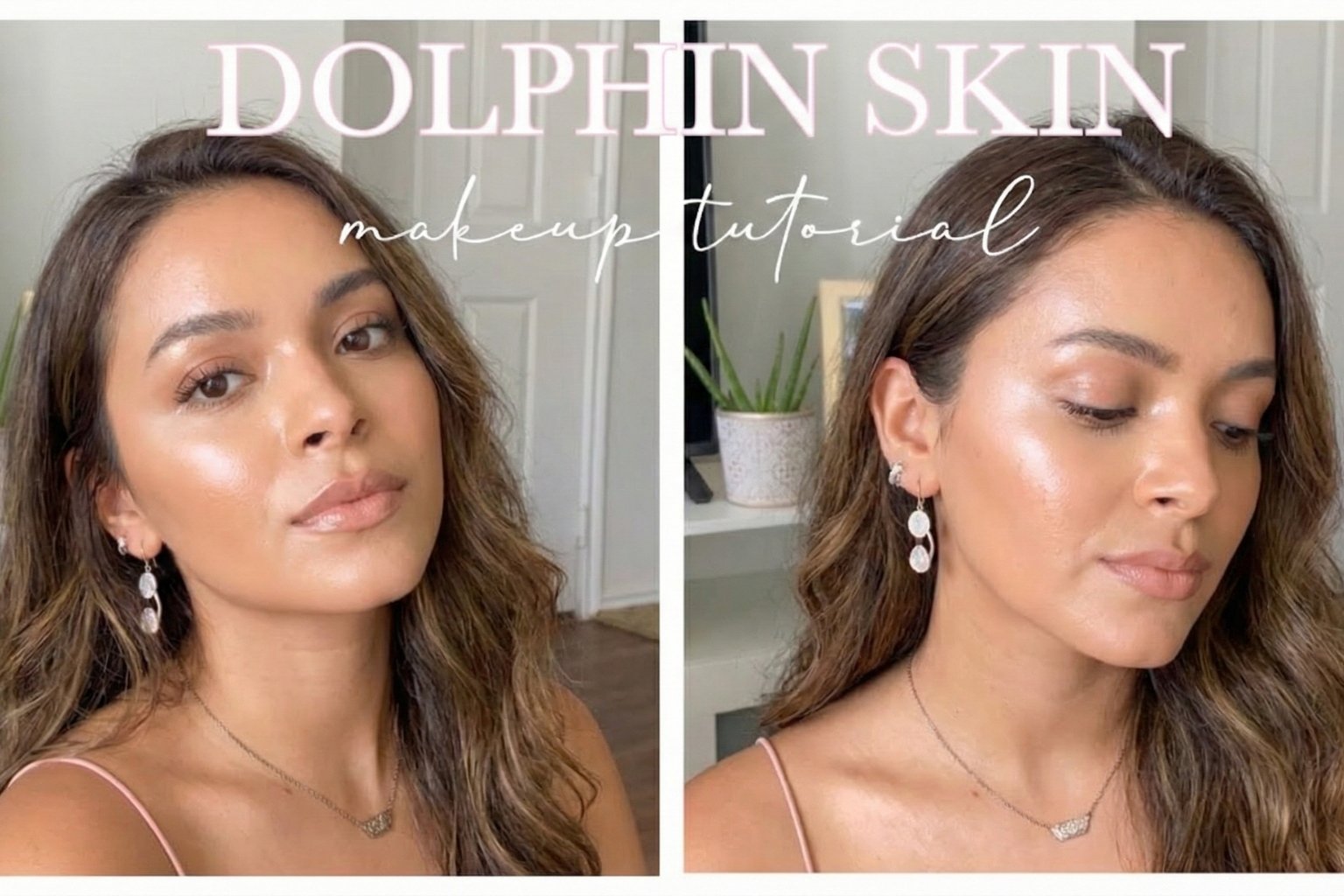
Dolphin Skin Makeup Dolphin skin makeup is an enduring trend that transcends mere "look" to become a comprehensive finish strategy. If you’ve ever wa
Dolphin Skin Makeup
Dolphin skin makeup is an enduring trend that transcends mere “look” to become a comprehensive finish strategy. If you’ve ever wanted skin that appears plump, reflective, and fresh like you just stepped out of water, this is the guide you’ll keep coming back to. The dolphin skin makeup effect is often described as slick, dewy, luminous, and ultra-hydrated, with highlight placed so it catches light like a smooth surface.
In my experience, most people fail at dolphin skin for one reason: they try to “add glow” on top of texture, dehydration, or excess oil, then wonder why it looks greasy. The real secret is controlled radiance: skincare that supports bounce and makeup layering that creates wet shine in the right zones (not everywhere). Industry experts agree this trend sits in the same family as glass skin, but the execution leans more into strategic highlighting and reflective placement rather than only skincare.
What Is Dolphin Skin Makeup?
Dolphin skin makeup is a complexion finish designed to look ultra-smooth, reflective, and hydrated, like light is gliding across your skin. It’s not glittery. It’s not a chalky highlight. It’s a wet-look sheen created by skincare prep + thin makeup layers + strategic illumination.
Research shows glow trends cycle because they solve a universal problem: most people want skin that looks healthy, not “done”. Dolphin skin does that by mimicking the way moisture and light behave on a smooth surface.
In many write-ups, the term is credited to celebrity makeup artist Mary Phillips, and major beauty outlets describe it as a highlighter-forward cousin of glass skin.
The “wet glow” definition (in plain English)
Think of it like this: glass skin is polished and even; dolphin skin is polished and sunlit, with a highlight that looks almost “fresh”. You’re aiming for shine on the high points the cheekbones, temples, brow bones, and bridge of the nose while keeping the centre of the face controlled.
Where the trend came from (and why it stuck)
Trend names change, but the technique is timeless: hydrated base + reflective placement. That’s why dolphin skin makeup keeps resurfacing; it’s adaptable to minimal routines and full glam.
Real life vs camera
On camera, dolphin skin can look stunning because light compression smooths texture. In real life, too much product can emphasise pores. The goal is micro-layers, not one thick “glow coat”.
“Dolphin skin works when reflectivity looks like moisture, not like shimmer sitting on top of texture.”
“Dolphin skin makeup = hydration + thin base + targeted wet shine (not all-over grease).”
Dolphin Skin vs Glass Skin vs Dewy Skin
If you’ve been confused, good. Most content lumps these together, but the differences matter.
Similarities
All three aim for:
- Radiance
- Smooth-looking texture
- Minimal cakiness
- A “healthy skin” illusion
Key differences (the important part)
- Glass skin: skincare-first, very even, almost “lacquered”.
- Dolphin skin: skincare + makeup, but more reflective placement and “wet glow”.
- Dewy skin: a broader term can be glowy base products without the wet-look highlight strategy.
Who should choose which?
- If you love skincare and minimal makeup: glass skin.
- If you want a glow that pops in photos/events: dolphin skin makeup.
- If you want everyday radiance: dewy skin.
Comparison table
Finish Trend Best ForWhat Creates the Look: Common Fails of Glass Skin Very even, skincare lovers. Hydration + smooth texture Looks flat without light. Dolphin Skin Makeup Photo-ready wet glow Highlight placement + luminous layers Can look oily if uncontrolled Dewy Skin Everyday radiance Dewy base + moisturising products Can fade fast Matte/ Satin Longevity, oil control Powder + matte base Can look dry/cakey
“Pick the finish based on your environment and skin behaviour, not what looks best on TikTok.”
“Dolphin skin is intentional reflectivity, not just “use dewy foundation.”
The Science of the Glow: Why Dolphin Skin Works
To master dolphin skin makeup, you need one mindset shift: shine is not the enemy; uncontrolled shine is.
Hydration vs oil (they’re not the same)
Hydrated skin looks bouncy because water content supports the skin’s surface. Oil sits on top and can break down makeup.
Stat placeholder: “In consumer studies, dehydration is one of the top reported causes of makeup looking patchy by midday.” [Source]
Light reflection and texture
Glow looks best on a smooth surface. If your skin has texture, the wrong highlight can create a “sparkle on bumps” effect.
Use this analogy: applying strong shimmer over texture is like shining a flashlight across a bumpy wall; it highlights every ridge.
Barrier health and makeup wear
A compromised barrier can cause:
- tightness and flaking, or
- rebound oiliness (skin overproduces oil to compensate).
Both ruin dolphin skin makeup longevity.
Stat placeholder: “Barrier-supporting routines improve tolerance to actives and reduce visible dryness over time.” [Source]
“When the barrier is calm, you need less makeup to look radiant; dolphin skin becomes effortless.”
“The glow is a physics trick: smoothness + controlled reflectivity.”
Skin Prep That Makes Dolphin Skin Possible
Your prep determines whether dolphin skin looks luxury or greasy.
Cleanse + gentle exfoliation
Use a gentle cleanser. If you exfoliate, choose mild options 2–3x/week.
Avoid over-exfoliation. It can create micro-flakes that highlight clings to.
The hydration stack (humectants, emollients, occlusives)
Build in this order:
- Humectant (pulls water in): hyaluronic acid, glycerine
- Emollient (smooths): squalane, fatty alcohols
- Occlusive (seals): petrolatum (thin), dimethicone, certain balms
Pro Tip (Expert Insight Box #1):
If you’re oily, keep occlusives to the perimeter (cheeks) and skip the T-zone. Controlled glow beats all-over slip.
SPF without pilling (U.S. reality check)
SPF is non-negotiable, especially for a “fresh” look.
Let each layer set before the next. Most pilling is just too many layers too fast.
Stat placeholder: “Broad-spectrum SPF use is associated with reduced visible photoaging signs over time.” [Source]
Pre-makeup wait times
- Skincare: wait 3–5 minutes
- SPF: wait 5–10 minutes
- Primer: 60–90 seconds before base
“If your base is sliding, don’t add powder; first fix the prep timing.”
“Dolphin skin starts before makeup: hydrate smart, wait between layers, then glow.”
Dolphin Skin Makeup Routine (Step-by-Step)
Here’s the routine you can repeat, adjust, and trust.
Step 1: Base (primer/skin tint/foundation)
Choose one:
- Skin tint for sheer glow
- Light foundation for events
- Mix foundation and moisturiser for a flexible finish
Apply in thin layers. Use a damp sponge if you tend to overapply.
Step 2: Cream bronzer + blush placement
Cream products look more “wet” than powders.
Placement guide:
- Bronzer: outer perimeter, under cheekbone lightly
- Blush: high on cheek, blending towards temple
- Keep the centre of the face cleaner to avoid muddiness.
Step 3: Wet-look highlight strategy (the dolphin part)
This is where dolphin skin makeup becomes distinct.
Use a liquid or balm highlighter and place it on:
- Top of cheekbone (not near pores)
- Temple
- Brow bone
- Cupid’s bow
- Optional: bridge of nose (tiny)
Then tap (don’t rub) to melt it in.
Pro Tip (Expert Insight Box #2):
If you have texture, highlight slightly higher on the cheekbone, not on the apple of the cheek. That one shift instantly upgrades the look.
Step 4: Set without killing glow
Set only where needed:
- Under eyes
- Sides of nose
- Centre forehead/chin (if oily)
Use a “press + roll” motion with a puff for precision.
Step 5: Lock with the right spray
Choose:
- Dewy spray for bounce
- Long-wear spray for events (then add tiny glow back on cheekbones)
“Dolphin skin is built in layers set strategically, then reintroduces shine exactly where you want it.”
“Dolphin skin makeup = thin base + cream colour + targeted highlight + selective set.”
Products That Work (And What to Avoid)
Instead of a random shopping list, here’s the logic.
Primers and glow boosters
Look for:
- light-reflecting, non-gritty formulas
- hydration without heavy oils (especially for oily skin)
Avoid:
- chunky shimmer primers
- thick oils under makeup if you’re acne-prone
Highlighters: liquid vs balm vs powder
- Liquid highlighter: best “wet look”, easiest to control
- Balm highlighters provide the most “slick” finish, but they can break down the base makeup.
- Powder highlighter: best for longevity but can emphasise texture
Rule of thumb: if you want true dolphin skin makeup, start with liquid, then optionally dust a tiny powder highlight on top for longevity.
Setting sprays: dewy vs long-wear
- Dewy sprays add glow but can reduce wear time.
- Long-wear sprays extend the duration of makeup wear but may result in a drier appearance, so it is advisable to add a glow product afterwards.
Stat placeholder: “Long-wear setting products can reduce transfer and improve wear time in controlled tests.” [Source]
Ingredients that help (and break you out)
Helpful:
- glycerine, niacinamide, ceramides, squalane (for many people)
Potential trouble:
- heavy fragrance
- some comedogenic oils (individual)
- thick occlusives on acne-prone zones
“If dolphin skin keeps breaking you out, it’s not the glow; it’s your occlusive choices and placement.”
“Buy by function (reflect + hydrate + set), not by hype.”
Dolphin Skin Makeup for Every Skin Type
This is where most tutorials fail because skin doesn’t behave the same.
Oily skin: zone-control glow
Do dolphin skin makeup with matte support:
- Use a gripping primer in the T-zone.
- Apply glow products on cheekbones/temples only
- Set T-zone early, then keep cheekbones luminous
Pro Tip (Expert Insight Box #3):
Try a “halo set”: powder the centre, keep the outer face dewy. It looks luminous but stays clean.
Dry/dehydrated skin: radiance without flakes
- Prioritise barrier support
- Avoid heavy powder
- Use creamy formulas and press them in
Acne-prone & sensitive: glow without inflammation
- Use non-fragranced, simpler formulas.
- Avoid heavy balms over active breakouts.
- Spot conceal instead of layering full coverage
Mature skin: lift + smooth reflectivity
- Keep the highlight higher and more diffused.
- Avoid micro-glitter
- Use satin textures and blur primers
“On mature skin, the best dolphin glow is a soft reflection; think sheen, not sparkle.”
“Dolphin skin makeup is customisable; placement is everything.”
Dolphin Skin in U.S. Weather + All-Day Wear
In the U.S., climate changes fast: humidity, dry winters, AC, and commuting. Your dolphin skin routine should flex.
Humidity-proof glow (summer, coastal states)
- Use lighter hydration layers
- Choose long-wear base + targeted glow
- Carry blotting sheets, not more powder
Mini case example:
A Florida summer routine often fails when people use heavy oils + dewy spray + balm highlight. Switching to liquid highlight + precise setting keeps the glow but stops slide.
Winter radiance (dry heat, snow climates)
- Add richer moisturiser at night
- Use a hydrating primer.
- Avoid too much powder (it will grab flakes).
Office-to-evening longevity
Try the “two-spray method”:
- Light long-wear spray after base
- Add highlight
- Mist dewy spray from a distance
Stat placeholder: “Environmental dryness increases perceived tightness and can worsen visible flaking under makeup.” [Source]
“The best long-wear glow is layered: set first, glow second.”
“Climate decides your finish strategy, not your mood board.”
Common Mistakes (And How to Fix Them Fast)
Let’s keep dolphin skin makeup looking expensive, not accidental.
Mistake 1: Greasy vs glossy
If you look oily, it’s usually:
- glow products placed too low (near pores)
- too much product in the T-zone
- no strategic setting
Fix: blot + micro-powder only the centre.
Mistake 2: Separation and patchiness
Usually caused by:
- incompatible layers (oil-heavy skincare under silicone base)
- not waiting between layers
- too much rubbing
Fix: reduce layers, tap instead of rub, and add wait time.
Mistake 3: Emphasising pores/texture
Often from shimmery powders.
Fix: switch to liquid highlighter, place higher, diffuse edges.
Mistake 4: Flashback / over-shimmer
Reflective powders can bounce flash.
Fix: use minimal powder under eyes; avoid “white” highlight tones.
Quick Takeaway Box:
If dolphin skin makeup looks wrong, fix placement first, product second.
“Most glow problems aren’t product problems; they’re placement and layer-timing problems.”
Troubleshooting + Pro-Level Upgrades
Here are the real-world saves.
Problem: SPF pilling under makeup
- Use fewer layers
- Let SPF set for 5–10 minutes.
- Try patting primer instead of rubbing.
Problem: Too shiny by noon
- Blot first
- Press powder only in the T-zone
- Re-add a tiny highlight to cheekbones if needed.
Problem: Too dull on camera
- Add glow to temples and high cheekbones
- Use a slightly more reflective liquid highlight.
- Mist dewy spray lightly at the end
Pro upgrades: underpainting + mixing mediums
Advanced technique:
- Apply bronzer/blush/contour before foundation (underpainting).
- Use a thin skin tint on top
- Add highlight last for the dolphin effect
Pro Tip (Expert Insight Box #4):
Mix a drop of liquid highlighter into your foundation for a “lit-from-within” base, then still place highlighter on top. That’s how you get depth, not flat shine.
“For true dolphin skin makeup, build glow in two layers: internal radiance + external reflection.”
CTA: If you found this useful, save this guide and use it as your “finish checklist” the next time you do your base because dolphin skin is a repeatable system, not a one-time trend.
FAQ
Q1: What is dolphin skin makeup?
A1: It’s a wet-glow complexion look using hydrated prep, thin base layers, and strategic highlight placement for reflective, fresh-looking skin.
Q2: Is dolphin skin the same as glass skin?
A2: No. Glass skin is skincare-first and ultra-even, while dolphin skin uses more intentional highlight placement for a “sunlit wet” effect.
Q3: Can oily skin do dolphin skin makeup?
A3: Yes keep glow on cheekbones/temples, set the T-zone precisely, and avoid heavy balms in the centre of the face.
Q4: What highlighter is best for dolphin skin?
A4: Liquid highlighters usually create the most realistic wet sheen; avoid chunky glitter and place the highlight away from visible pores.
Q5: How do I make dolphin skin last all day?
A5: Use micro-layers, set only where needed, and combine a long-wear setting step with a light dewy finish mist.