
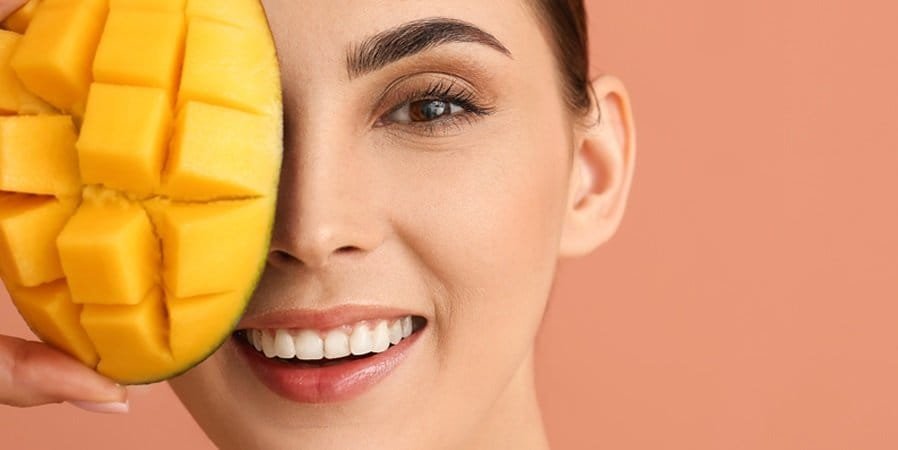
Summer Skin Care: Adding Mangoes to Your DietSummer skin care improves dramatically when you pay attention to your plate, not just your products. Mang
Summer Skin Care: Adding Mangoes to Your Diet
Summer skin care improves dramatically when you pay attention to your plate, not just your products. Mangoes are among the most nutrient-dense fruits available, delivering vitamin C, vitamin A, vitamin E, folate, and a wide range of polyphenol antioxidants. These compounds defend skin against UV damage, support collagen, calm inflammation, and speed cell renewal through the hottest months. This article breaks down every major benefit of mangoes and how to make them work for your complexion.
What Makes Mangoes a Skin Superfood
Reviewed by the BeautynFacts editorial team. Last updated: May 2026.
The Full Nutritional Profile of a Single Serving
One cup of sliced fresh mango, approximately 165 grams, provides an impressive concentration of nutrients relevant to skin health. According to data from the USDA National Nutrient Database, that single serving delivers roughly 67 percent of the daily recommended intake of vitamin C, 10 percent of the daily recommended intake of vitamin A, 18 percent of the daily recommended intake of folate, 6 percent of the daily recommended intake of potassium, and small but meaningful amounts of copper, magnesium, and vitamin E. The fiber content sits at approximately 2.6 grams per cup, which supports the gut microbiome and its well-documented relationship with skin inflammation.
These numbers represent only the recognized macronutrients and vitamins. Mangoes also contain beta-carotene, lutein, zeaxanthin, quercetin, mangiferin, gallic acid, and ellagic acid. These bioactive compounds rarely appear on standard nutrition labels, but researchers have studied them extensively for their roles in reducing oxidative stress, calming inflammation, and supporting healthy cell turnover. The combination of water-soluble vitamins, fat-soluble carotenoids, and diverse polyphenols makes mango uniquely efficient as a whole-food source of skin-protective nutrition.
How Mango Nutrients Travel to Your Skin
When you eat a mango, digestion releases its nutrients into the bloodstream. Fat-soluble compounds, including beta-carotene and vitamin E, are absorbed alongside dietary fat and transported through the lymphatic system before entering systemic circulation. Water-soluble compounds, including vitamin C and certain polyphenols, absorb directly through the intestinal wall into the portal vein and reach circulation quickly.
Once in circulation, these nutrients travel to every organ, including the skin. The skin receives nutrients after the vital organs have been supplied, which is why consistent daily intake matters far more than occasional large doses. Regular mango consumption creates a steady pool of antioxidants and vitamins that your skin draws on continuously. Researchers studying dietary antioxidants have confirmed that the skin’s antioxidant status rises measurably with increased intake of carotenoid-rich foods, and that this internal antioxidant reserve provides meaningful protection against UV-induced oxidative damage.
Mangoes Compared to Other Skin-Healthy Foods
Many foods support skin health. Blueberries, avocados, salmon, sweet potatoes, and green tea all have well-established benefits for the complexion. Mangoes hold a unique position because they combine multiple beneficial nutrient categories in a single fruit. Unlike blueberries, which are primarily valued for anthocyanins, mangoes provide both a structurally similar polyphenol (mangiferin) and large quantities of vitamin C and provitamin A carotenoids. Unlike sweet potatoes, which are rich in beta-carotene but contain little vitamin C, mangoes provide both nutrients in meaningful amounts simultaneously.
Avocados are celebrated for healthy fats that reinforce the skin barrier, but they are relatively low in vitamin C. Mangoes and avocados pair brilliantly in a summer diet precisely because each fills nutritional gaps the other leaves open. The practical point is that mangoes are not a replacement for a varied, colorful diet. They are, however, one of the most efficient single-food sources of skin-protective compounds available during the summer months when fresh mangoes are at their absolute peak quality and availability.
Vitamin C in Mangoes and Its Role in Skin Health
Collagen Synthesis and Skin Structure
Collagen is the most abundant protein in human skin. It forms a dense scaffold beneath the surface that keeps skin firm, plump, and resistant to sagging. Your body synthesizes collagen constantly, but production slows with age and declines faster in response to UV exposure and a diet low in antioxidants.
Vitamin C is an essential cofactor in collagen synthesis. Without adequate vitamin C, the enzymes responsible for stabilizing collagen molecules, prolyl hydroxylase and lysyl hydroxylase, cannot function correctly. The result is structurally compromised collagen that breaks down faster than it is replaced. Multiple clinical studies have confirmed that oral vitamin C supplementation increases dermal collagen density and improves skin elasticity in human subjects. Mangoes deliver vitamin C within a whole-food matrix that includes complementary cofactors and phytonutrients, which may enhance bioavailability compared to isolated vitamin C supplements.
One cup of mango provides roughly 45 to 60 milligrams of vitamin C depending on variety and ripeness. The recommended daily allowance for adult women is 75 milligrams. Two generous servings of fresh mango can meet or exceed your daily vitamin C requirement entirely through food, which represents a simple and genuinely enjoyable way to protect your skin’s structural foundation throughout summer.
UV Protection at the Cellular Level
Ultraviolet radiation is the single greatest external cause of skin aging. UV rays generate reactive oxygen species inside skin cells, damaging DNA, degrading collagen, and triggering inflammatory pathways that accelerate every visible sign of aging from fine lines to uneven tone. Vitamin C neutralizes these reactive oxygen species directly and also regenerates oxidized vitamin E after it has quenched a free radical, extending the protective capacity of both nutrients simultaneously.
Research published in the American Journal of Clinical Nutrition found that higher dietary intakes of vitamin C were associated with a measurably lower likelihood of wrinkled skin appearance and skin dryness in women. Topical vitamin C serums are widely recommended by dermatologists for the same UV-protective mechanism. Eating mangoes provides this protection through a systemic route, delivering vitamin C to all layers of the skin through circulation rather than only the outermost layers reached by topical application. Combining dietary and topical vitamin C represents a more comprehensive protective strategy than either approach alone.
Skin Brightening and Hyperpigmentation Reduction
Vitamin C inhibits tyrosinase, the enzyme responsible for converting tyrosine into melanin. When tyrosinase activity is moderated, the overproduction of melanin that creates dark spots, post-inflammatory hyperpigmentation, and uneven skin tone is reduced. This brightening mechanism is well documented in the topical skin care literature, and dietary vitamin C contributes to the same pathway through systemic delivery.
Hyperpigmentation typically worsens in summer due to increased UV exposure stimulating excess melanin production. Eating mangoes consistently throughout summer provides continuous, mild tyrosinase-inhibiting activity from within, complementing any topical brightening treatments you use. The results build gradually over weeks of consistent intake, supporting a more even and luminous complexion without the irritation risk that accompanies many topical brightening actives.
Vitamin A and Beta-Carotene for Skin Renewal
How Beta-Carotene Converts to Active Vitamin A
Mangoes are an excellent dietary source of beta-carotene, the pigment responsible for the fruit’s deep orange color. Beta-carotene is a provitamin A carotenoid, meaning the body converts it into retinol as needed. This conversion occurs primarily in the intestinal wall and liver, and the conversion rate is regulated by the body’s current vitamin A status. This self-regulating mechanism makes dietary beta-carotene a safe source of vitamin A that does not carry the toxicity risks associated with high doses of preformed retinol from animal sources or supplements.
In the skin, retinol undergoes further conversion to retinoic acid, the biologically active form that binds to nuclear receptors and directly regulates gene expression. These target genes govern cell differentiation, proliferation, and the production of structural proteins including collagen and keratin. This molecular mechanism is precisely why prescription retinoic acid and its derivatives are among the most clinically validated anti-aging ingredients in dermatology. Eating beta-carotene-rich foods like mango supports this same biological pathway from the dietary end of the chain.
Cell Turnover, Texture, and the Skin Surface
Vitamin A accelerates skin cell turnover, the rate at which old surface cells are shed and replaced by fresh cells from the layers below. Faster turnover produces a smoother surface, reduces the visible appearance of fine lines, and accelerates healing of blemishes and post-acne marks. This is the fundamental mechanism behind prescription retinoids and the reason they remain the gold standard for anti-aging and acne treatment in clinical dermatology.
A diet consistently rich in beta-carotene supports baseline vitamin A levels that keep cell turnover moving at a healthy, sustained pace. For people whose skin cannot tolerate topical retinoids due to sensitivity or rosacea, dietary beta-carotene from mango provides a gentler, non-irritating way to support the same renewal process. The effect is milder than a prescription retinoid but cumulative and completely free of the peeling, redness, and photosensitivity that often accompany topical retinoid use.
Preventing Summer Dryness and Barrier Breakdown
Vitamin A regulates sebum production and supports the integrity of tight junctions between skin cells, the microscopic seals that prevent excess water loss from the skin surface. When vitamin A levels fall low, the skin becomes dry, flaky, and prone to sensitivity. In summer, barrier breakdown can occur despite environmental humidity because air conditioning, saltwater, chlorine in pools, and excessive sun exposure all deplete and disrupt the skin barrier continuously.
Regular mango consumption helps maintain adequate vitamin A reserves that keep the barrier functioning optimally. The practical result is skin that retains moisture more effectively, feels softer to the touch, and responds less dramatically to the environmental stressors that are unavoidable during summer. This benefit compounds over time. Eating mangoes consistently through the season builds the vitamin A stores that protect the barrier before it can become compromised, rather than attempting to repair damage after it has already appeared.
The Powerful Antioxidant Complex in Mangoes
Mangiferin: The Bioactive Compound Unique to Mango
Mangiferin is a naturally occurring polyphenol found almost exclusively in mango plants. It is present in the fruit flesh, peel, seed kernel, and leaves of the mango tree. Researchers have studied mangiferin extensively for its anti-inflammatory, antioxidant, antiviral, and photoprotective properties. Its relevance to skin care is substantial and increasingly well supported by published research.
Studies in peer-reviewed journals have demonstrated that mangiferin inhibits matrix metalloproteinases (MMPs), the enzymes that break down collagen and elastin in the skin. UV exposure is one of the primary activators of MMPs, which is why chronic sun exposure causes progressive structural degradation even when no visible sunburn occurs. By inhibiting MMP activity, mangiferin helps preserve the integrity of the dermal matrix and slows the loss of firmness and elasticity that defines photoaged skin.
Mangiferin also modulates the NF-kB inflammatory signaling pathway, reducing the production of pro-inflammatory cytokines in skin cells exposed to UV radiation and environmental pollutants. This anti-inflammatory action works in concert with the antioxidant protection from vitamin C, creating a layered defense against the specific types of damage summer skin endures most frequently.
Quercetin, Fisetin, and the Broader Polyphenol Profile
Beyond mangiferin, mangoes contain a diverse polyphenol profile that includes quercetin, fisetin, astragalin, isoquercitrin, and gallic acid. Each compound contributes distinct mechanisms of antioxidant and anti-inflammatory protection.
Quercetin is one of the most extensively studied dietary flavonoids. It stabilizes mast cells, immune cells in the skin that release histamine and other inflammatory mediators in response to UV exposure and allergens. By stabilizing mast cells, quercetin reduces the redness, swelling, and heat that follow sun exposure and can contribute to heat rash and prickly heat during summer. Fisetin has demonstrated activity as a senolytic compound, meaning it selectively targets senescent cells, sometimes called zombie cells, that accumulate in aging skin and secrete inflammatory signals damaging to surrounding healthy tissue. Gallic acid, a phenolic compound present in mango flesh, has shown antimicrobial activity against common skin pathogens, contributing to the hostile environment for bacterial overgrowth that well-nourished skin maintains naturally.
How the Antioxidant Network Protects Skin Holistically
Antioxidants function as an interconnected network rather than isolated agents. Each compound plays a specific role, and several compounds regenerate each other after neutralizing a free radical, extending the total protective capacity of the system. Vitamin C regenerates oxidized vitamin E. Mangiferin and quercetin independently scavenge reactive oxygen species. Beta-carotene quenches singlet oxygen, a particularly reactive form of free radical generated by UV exposure and capable of directly oxidizing DNA and membrane lipids.
Eating mangoes provides simultaneous access to multiple layers of this antioxidant network. This is fundamentally different from taking a single isolated antioxidant supplement, where you receive one type of protection without the regenerating network surrounding it. The synergistic activity of whole-food antioxidants has been demonstrated in multiple studies to provide greater protection against oxidative stress than equivalent quantities of the same compounds in isolated form. This principle, sometimes called the food matrix effect, is a central reason why nutritionists increasingly emphasize whole fruits over supplement stacks for skin health goals.
Hydration, Minerals, and the Skin Barrier
Water Content and Internal Skin Hydration
Fresh mango is composed of approximately 83 percent water by weight. Eating water-rich foods contributes to total daily fluid intake and supports skin hydration through dietary means. While drinking water remains the primary driver of internal hydration, the structured water within fruit cells may absorb more gradually than plain water, providing a more sustained contribution to hydration status.
Skin hydration is critical in summer for multiple reasons. Dehydrated skin looks dull, feels tight, and develops fine lines that would be invisible on adequately hydrated skin. Excessive heat and sun exposure accelerate transepidermal water loss, the rate at which moisture evaporates through the skin surface into the environment. Mangoes support hydration directly through their water content and indirectly through their vitamin A content, which strengthens the skin barrier structures that regulate water loss and prevent the skin from drying out faster than it can replenish moisture.
Potassium, Magnesium, and Cellular Fluid Balance
Potassium is an electrolyte that regulates the balance of fluids inside and outside cells. At the skin level, adequate potassium helps maintain cellular hydration and supports the electrical gradients across cell membranes that drive nutrient uptake and waste removal. Insufficient potassium intake is associated with rough, dry skin texture and reduced cellular vitality.
A cup of mango provides approximately 277 milligrams of potassium, roughly 6 percent of the daily recommended intake. During summer, when increased sweating raises electrolyte losses significantly, eating mangoes helps replenish both potassium and the small amounts of magnesium the fruit contains. Magnesium plays a separate but complementary role in skin health by modulating histamine release, supporting DNA repair mechanisms in UV-exposed cells, and regulating the inflammatory response that governs how severely the skin reacts to environmental stressors.
Copper and Skin Protein Synthesis
Copper is a trace mineral frequently overlooked in discussions of skin nutrition. It serves as a cofactor for lysyl oxidase, the enzyme that cross-links newly synthesized collagen and elastin fibers to give them their structural strength and resilience. Without adequate copper, freshly produced collagen is weaker and less organized, degrading more rapidly under physical and UV stress.
Copper also acts as a cofactor for tyrosinase in melanin synthesis. The relationship here is about balance rather than simple stimulation or suppression. Adequate copper supports regulated, even melanin production. Both deficiency and excessive intake can disturb this balance. Mango provides approximately 0.11 milligrams of copper per cup, a modest but meaningful contribution toward the 0.9 milligram daily recommended intake. Combined with other dietary copper sources such as nuts, seeds, and legumes, the copper in mango contributes to the trace mineral environment your skin requires for healthy protein synthesis and stable pigmentation throughout summer.
How to Eat Mangoes for Maximum Skin Benefits
Choosing the Right Variety and Ripeness Level
Not all mango varieties offer equal nutritional value for the skin. Ataulfo mangoes, also sold as honey or champagne mangoes, tend to be higher in carotenoids and polyphenols than Tommy Atkins mangoes, which are the most widely sold variety in US and UK supermarkets. Keitt, Kent, and Haden varieties also offer strong nutritional profiles. When multiple varieties are available, choosing Ataulfo or Keitt over Tommy Atkins maximizes your skin-care return on each serving.
Ripeness matters considerably. Beta-carotene content increases as mangoes ripen, making fully ripe fruit more beneficial for skin than underripe specimens. A ripe mango gives slightly under gentle pressure and smells sweet and fragrant near the stem end. Skin color is an unreliable ripeness indicator because varieties differ widely in color at peak ripeness. Frozen mango is an excellent alternative when fresh is unavailable, as freezing preserves most vitamin C, beta-carotene, and polyphenol content effectively. Canned mango in syrup should be avoided because heat processing degrades vitamin C and the added sugar introduces excess fructose that contributes to glycation, a process that chemically damages collagen fibers and accelerates visible aging.
Daily Mango Recipes That Support Skin Health
Pairing mango with complementary nutrients maximizes its skin benefits through the food matrix effect. Beta-carotene absorption, in particular, increases by a factor of three to five when consumed alongside dietary fat. Each of the following approaches combines mango with a fat source to optimize carotenoid bioavailability:
- Mango and spinach smoothie: blend one cup of frozen mango with a large handful of spinach, half an avocado, and unsweetened almond milk. The avocado provides healthy fat that enhances beta-carotene absorption, while spinach adds folate and vitamin K for additional skin support.
- Mango salsa over grilled oily fish: dice fresh mango with red onion, cilantro, lime juice, and a little jalapeño. Serve over grilled salmon or mackerel. The omega-3 fatty acids in oily fish complement mango’s antioxidants for a powerful combined anti-inflammatory effect on the skin.
- Mango overnight oats: stir diced mango into oats soaked overnight in Greek yogurt. The probiotics in yogurt support gut microbiome health, which directly influences the level of systemic inflammation expressed in the skin.
- Mango and turmeric smoothie bowl: blend mango with fresh turmeric, ginger, and coconut milk. Top with pumpkin seeds, which provide zinc, a mineral essential for wound healing and sebum regulation. The fat in coconut milk boosts carotenoid absorption from the mango.
- Fresh mango with nuts: plain fresh mango slices eaten alongside a small handful of macadamia nuts or a drizzle of tahini provides the fat necessary to maximize beta-carotene uptake from one of the simplest and most satisfying summer snacks.
Daily Quantity and Strategic Timing
One to two cups of fresh or frozen mango per day provides meaningful skin benefits without exceeding sugar intake guidelines for most healthy adults. People managing blood sugar or insulin sensitivity should consult a healthcare provider about appropriate portions, as mango carries a moderate glycemic index of approximately 51 to 56 depending on ripeness and variety.
Eating mango before periods of sun exposure may be particularly strategic. Consuming antioxidant-rich foods before UV exposure ensures circulating protective compounds are at their peak during the time they are most needed. A mango-rich breakfast before a day at the beach places vitamin C, beta-carotene, mangiferin, and quercetin in active circulation exactly when your skin faces its greatest oxidative challenge. This does not replace sunscreen, which remains non-negotiable for outdoor summer skin protection, but it adds a dietary layer of internal defense that no topical product can replicate.
Topical Mango Applications for Summer Skin Care
DIY Mango Face Masks for Every Skin Type
Applying mango directly to the skin delivers its vitamins, enzymes, and fruit acids to the outermost layers, complementing the systemic benefits gained from eating the fruit. Mango contains natural alpha-hydroxy acids and fruit enzymes that gently dissolve the bonds holding dead surface cells together, improving skin texture and radiance with regular use.
For normal to dry skin, mash half a ripe mango into a smooth paste and combine it with one tablespoon of plain full-fat yogurt and one teaspoon of raw honey. The yogurt contributes lactic acid for additional gentle exfoliation and probiotics that support the skin’s microbiome. Honey acts as a natural humectant, drawing atmospheric moisture into the skin. Apply to clean skin, leave for 20 minutes, and rinse with lukewarm water. Using this mask once or twice weekly through summer supports a hydrated, smooth complexion.
For oily and acne-prone skin, blend a quarter cup of mango with one tablespoon of kaolin clay and three drops of tea tree essential oil diluted in a carrier oil. The clay absorbs excess sebum, the mango provides antioxidant protection and gentle exfoliation, and tea tree targets acne-causing bacteria. Apply for 15 minutes and rinse thoroughly. Use once weekly to avoid over-drying. For sensitive skin, blend mango with an equal part of aloe vera gel and a teaspoon of jojoba oil for a calming, hydrating mask that delivers antioxidant benefits without any risk of irritation. Always patch-test any new mask on the inner wrist before applying to the full face.
Mango Butter and Mango Seed Oil in Skin Care
Mango butter is extracted from the seed kernel of the mango fruit. It is semi-solid at room temperature and melts instantly on contact with skin, creating a protective film that reduces transepidermal water loss. Its fatty acid profile includes stearic acid, oleic acid, palmitic acid, and arachidic acid, which together deliver a nourishing, occlusive barrier effect. Mango butter is also rich in phytosterols, plant compounds that reinforce the skin barrier and carry anti-inflammatory activity relevant to sun-stressed skin.
Mango seed oil is the liquid fraction extracted from the same kernel. Lighter than mango butter and more rapidly absorbed, it contains approximately 46 percent oleic acid and 36 percent stearic acid, making it deeply nourishing without a greasy residue. Mango seed oil also contains tocotrienols, a form of vitamin E that research suggests is up to 50 times more potent as an antioxidant than the more common tocopherol form found in standard vitamin E supplements. Both mango butter and mango seed oil appear in commercial after-sun balms, barrier repair moisturizers, and intensive body butters. Look for them in products formulated for dry, sun-damaged, or sensitive skin.
Combining Topical and Dietary Mango for Deeper Results
Using mango both topically and internally creates a two-route approach that addresses different depths of skin structure. Dietary mango delivers antioxidants, vitamins, and minerals through the bloodstream to all skin layers simultaneously, including the deeper dermis where collagen synthesis and cell division occur. Topical mango ingredients work at the surface, providing immediate exfoliation, barrier support, and antioxidant protection to the epidermis.
These two routes also operate on different time horizons. A mango face mask produces visible improvements in texture and brightness within hours. Eating mangoes consistently over several weeks drives deeper changes in collagen density, inflammation levels, and skin cell quality that gradually transform the overall health and appearance of the complexion. For the most comprehensive results, maintain both practices throughout the summer season rather than relying exclusively on one approach.
Summer Skin Challenges That Mangoes Help Address
Photoaging and Cumulative UV Damage
Photoaging refers to the visible changes in the skin caused by repeated UV exposure over months and years. It manifests as deep wrinkles, loss of firmness, leathery texture, irregular pigmentation, and visible broken capillaries. Research estimates that photoaging accounts for 80 to 90 percent of visible facial aging in most adults, making UV protection the single most impactful anti-aging intervention available.
The antioxidant and anti-inflammatory compounds in mango address photoaging through several reinforcing mechanisms. Vitamin C neutralizes UV-generated reactive oxygen species and rebuilds damaged collagen. Mangiferin inhibits the MMP enzymes that UV radiation activates to dismantle existing collagen and elastin fibers. Beta-carotene accumulates in the skin over weeks of consistent dietary intake and provides measurable photoprotective activity, with research suggesting that skin carotenoid concentrations achievable through diet alone provide an internal protective effect roughly equivalent to an SPF of 3 to 4. This is not a sunscreen replacement, but it represents a meaningful additional layer of photoprotection that topical products cannot provide.
Heat-Induced Breakouts and Summer Inflammation
Summer heat increases sebum production and sweat activity, creating conditions highly favorable for acne-causing bacterial proliferation and pore blockage. For breakout-prone skin types, summer is often the most challenging season for maintaining a clear complexion. Mangoes address this problem primarily through anti-inflammatory pathways.
The quercetin and mangiferin in mango reduce systemic inflammatory signaling that drives inflammatory acne. Research has shown that quercetin inhibits the production of interleukin-6 and tumor necrosis factor-alpha, two inflammatory cytokines elevated in acne-prone skin. Vitamin A moderates sebum production, reducing the excess oiliness that contributes to pore congestion. The dietary fiber in mango supports a healthy gut microbiome, and gut microbiome health is now strongly correlated with reduced skin inflammation and lower rates of acne flares in multiple clinical investigations. Gallic acid, found in mango flesh, has also demonstrated antimicrobial activity specifically against Cutibacterium acnes, the bacterium most associated with inflammatory breakouts, adding a further dimension to the fruit’s relevance for acne-prone summer skin.
Uneven Skin Tone and Post-Summer Pigmentation
Summer frequently leaves the skin with an uneven tone: sunspots, post-inflammatory marks from breakouts, tan lines, and the general dulling that accumulates with repeated UV exposure. Mangoes target this concern through multiple converging pathways that work progressively over weeks of consistent intake.
Vitamin C inhibits tyrosinase and reduces the overproduction of melanin that creates dark spots and post-inflammatory hyperpigmentation. Beta-carotene accumulation in the skin creates a subtle, warm golden tone in the complexion that several human studies have associated with perceived attractiveness and perceived health in observer assessments. The gentle enzymatic exfoliation in fresh mango accelerates shedding of hyperpigmented surface cells, contributing incrementally to a more even skin surface. Combining regular mango consumption with weekly mango enzyme masks offers a coherent, food-based strategy for maintaining a luminous, even complexion through and after the summer season without the irritation risks of aggressive chemical exfoliants.
Frequently Asked Questions About Mangoes and Summer Skin Care
How long does it take to see skin improvements from eating mangoes regularly?
The timeline varies depending on which benefit you are targeting. Improvements in skin hydration and softness can appear within one to two weeks of daily mango consumption, as vitamin A begins supporting the skin barrier more effectively and the fruit’s water and potassium content contributes to cellular hydration. Collagen-related improvements, such as increased firmness and reduced fine line appearance, develop more gradually over six to twelve weeks, as vitamin C supports ongoing collagen synthesis and mangiferin reduces collagen degradation. Changes in skin tone and hyperpigmentation take the longest, typically requiring consistent intake over eight to twelve weeks before significant brightening becomes visible. Patience and consistency matter far more than quantity. Two cups of mango eaten daily for twelve weeks will produce more noticeable results than five cups eaten occasionally throughout the season.
Can eating too many mangoes be bad for your skin or health?
Eating very large quantities of mango every day can lead to a few potential issues. First, excessive beta-carotene intake from any carotenoid-rich food can cause carotenemia, a harmless condition where the skin takes on a slightly yellowish or orange tint, particularly on the palms and soles. This resolves when intake is reduced and poses no health risk. Second, mangoes contain natural sugars, primarily fructose. Very high daily intake of fructose can contribute to glycation, a chemical process that damages collagen fibers and accelerates skin aging over time. One to two cups of mango per day is a well-tolerated amount for most healthy adults and stays well within safe fructose ranges. People with diabetes, insulin resistance, or fructose malabsorption should consult a healthcare provider about appropriate portions before making mangoes a daily dietary staple.
Is mango good for acne-prone skin, or will the sugar make breakouts worse?
For most people with acne-prone skin, mangoes are beneficial rather than problematic when consumed in moderate portions. The anti-inflammatory polyphenols, vitamin A for sebum regulation, and gut microbiome support from dietary fiber all work against the root causes of acne. The natural sugar content in one to two cups of mango daily is unlikely to spike insulin levels severely enough to trigger hormonal acne flares in most people. The glycemic index of mango is moderate, and the fiber content slows sugar absorption, reducing the glycemic impact compared to drinking juice or eating refined sugar. If you notice a consistent correlation between eating mango and breakout frequency, reduce portions and observe whether the pattern changes. High-glycemic diets as a whole are associated with acne, so context within your overall diet matters more than any single food.
Can I apply mango to my skin if I have a mango allergy?
People with a known mango allergy should avoid applying mango topically and consuming it orally. Mango belongs to the Anacardiaceae family, which also includes cashews, pistachios, and poison ivy. The mango peel contains urushiol, the same compound responsible for contact dermatitis from poison ivy, and even people without a full mango allergy can develop a contact rash from the peel. If you have a tree nut allergy or a known sensitivity to other Anacardiaceae family members, approach mango with caution and consult an allergist before using mango products, including mango butter and mango seed oil. For everyone else, patch-testing any new topical mango product on the inner wrist for 24 hours before full facial application is a sensible precaution regardless of known allergies.
Does blending, cooking, or freezing mango reduce its skin care benefits?
Each processing method affects mango’s nutrient profile differently. Freezing preserves vitamin C, beta-carotene, mangiferin, and most polyphenols very effectively because the process is rapid and does not involve high heat. Frozen mango is nutritionally close to fresh and is a practical and reliable option throughout the year. Blending whole mango in a smoothie preserves all nutrients and maintains the fiber content that supports gut health. Heat cooking significantly degrades vitamin C, which is highly heat-sensitive, but largely preserves beta-carotene and fat-soluble compounds. Dried mango and mango juice concentrate lose substantial vitamin C during processing and concentrate natural sugars, making them less optimal for skin health goals. For maximum skin benefit, fresh mango eaten raw or frozen mango blended into smoothies represents the most nutritionally intact forms of the fruit.
Key Takeaways and Your Summer Skin Action Plan
Mangoes deliver a remarkably comprehensive package of skin-protective nutrition in a single, accessible, seasonal food. Vitamin C drives collagen synthesis and inhibits the melanin overproduction behind dark spots and uneven tone. Beta-carotene accumulates in the skin and provides internal photoprotection while supporting the cell turnover that keeps the surface fresh and smooth. Mangiferin inhibits collagen-degrading enzymes activated by UV radiation. Quercetin reduces skin inflammation and stabilizes the immune responses that drive redness and heat rash. Potassium and water content support cellular hydration. Mango butter and seed oil reinforce the skin barrier when applied topically. Together, these mechanisms address every major skin challenge that summer imposes.
To put this into practice, start by eating one to two cups of ripe fresh or frozen mango daily, always paired with a small amount of dietary fat to maximize beta-carotene absorption. Add a DIY mango face mask to your weekly routine, choosing a formula suited to your skin type. Look for mango butter or mango seed oil in your after-sun body care products, and consider switching to a mango-containing moisturizer for your summer skin care routine. Begin these habits at the start of summer rather than midway through, as the systemic benefits build gradually over weeks of consistent use. The most effective summer skin care combines diligent sun protection with a nutrient-rich diet, and mangoes belong at the center of both the plate and the bathroom shelf.
RELATED ARTICLES:
Stay Radiant with Grapes: The Benefits of Adding Them to Your Summer Skin Care Routine
How to Keep Skin Healthy in Summer: 10 Dermatologist-Approved Ways
The Power of Mint for Summer Skincare: The Best Mint Face Packs to Tackle Skin Issues
2025’s Best Natural Wrinkle Remedy: Garlic Skincare Hacks for Ageless Beauty!
7 tropical fruits, flowers and plants with benefits for the skin
About The Author

COMMENTS